 EN
EN

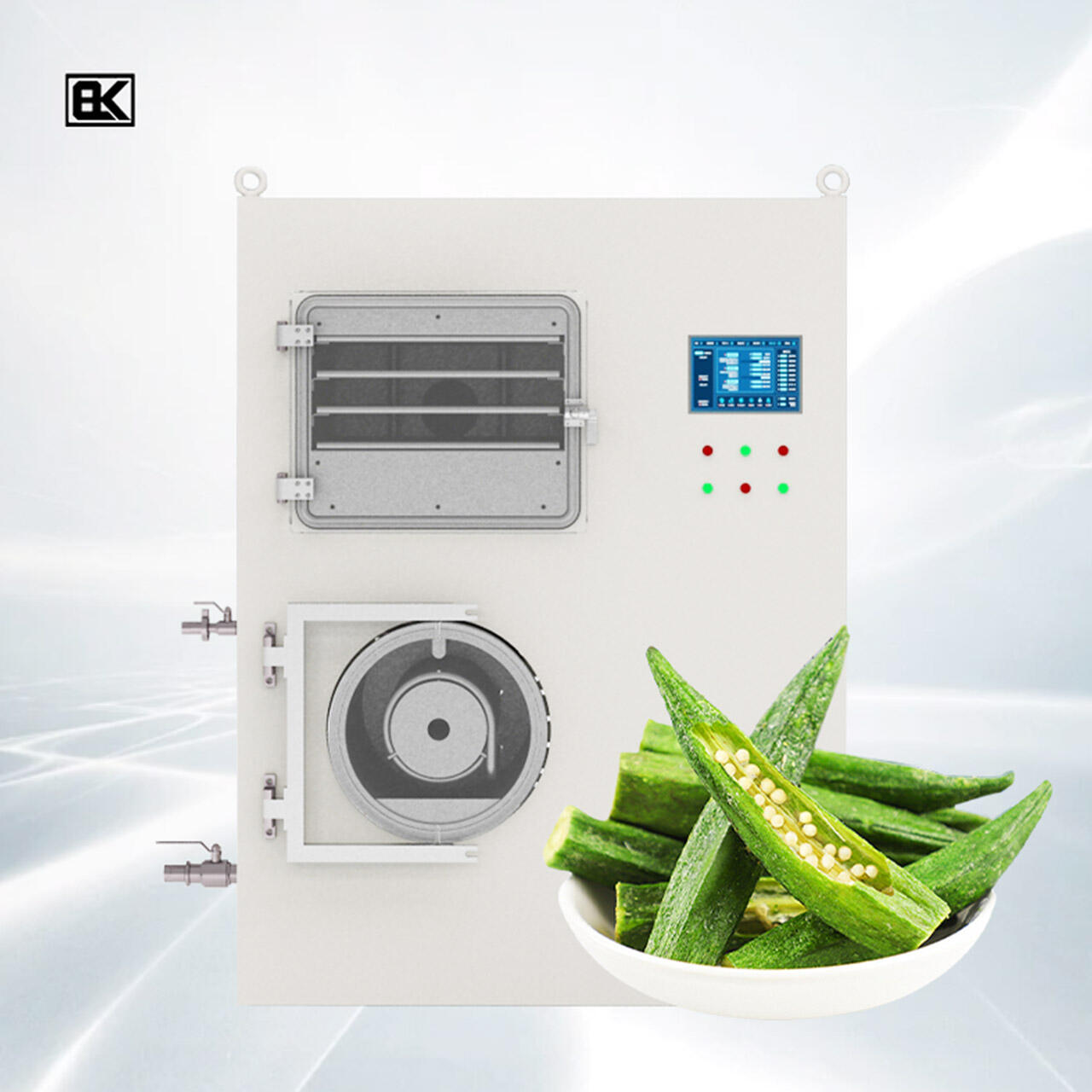
Lyophilized powder is a dry and stable state of a substance which has been dried (lyophilized). It begins with a liquid or slurry of the active ingredient- a pharmaceutical drug, probiotic culture, herbal extract, or coffee concentrate. This solution is frozen and it is followed by vacuum. The ice-water evaporates (vaporizes without melting), and a porous and lightweight powder is left, which still contains the original molecular structure and strength. Lyophilized powders may be kept years without refrigeration and upon the addition of water, they become nearly instantly hydrated. In Jiangsu Bolaike Refrigeration Science and Technology Development Co., Ltd., we are involved in the production of freeze drying equipment used in the production of lyophilized powders in various industries. An explanation is given below.
1. How Lyophilized Powder Is Made
Lyophilization to produce powder is done in the same three-stage freeze drying process as with whole foods and biological materials. First, freezing: The liquid solution is quickly frozen, usually on shelves in the freeze dryer or in a special pre freezing tunnel. The rate of freezing defines the crystal structure- quick freezing gives small ice crystals which create a fine porous powder. Second, primary drying (sublimation): vacuum pump decreases the pressure in the chamber to close to vacuum and mild heat is introduced. The sublimation of the frozen water takes place directly to vapour, which is condensed on cold condenser coils. This step eliminates 90-95% of the water. Third, secondary drying (desorption): slightly larger temperature will evaporate the bound water molecules, leaving the powder with 14%remaining moisture. The powder that is formed is light, fluffy, and very hygroscopic (absorbs moisture in the air rapidly). Jiangsu Bolaike pharmaceutical and laboratory freeze dryers are tailored to this very specific and sterile process.
2. Key Properties of Lyophilized Powder
Lyophilized powder possesses a number of unique characteristics that render it to be useful in industries. It is very light in weight since all the water has been expelled- at times 80-95% lighter than the original liquid. It is porous and friable (easily crumbled) and thus dissolves or rehydrates almost immediately as water is added. The powder is also in its original form and yet preserves all its potency of the original substance since no heat degradation is experienced. In the case of pharmaceuticals, this would imply that the drug will be effective even after several years of storage. In the case of probiotics, it implies that the live bacteria stand the drying process. The powder can also be stored by refrigeration free shelf stable up to 20-30 years, provided it is in airtight, moisture proof packaging. But when it is left in the air, the powder becomes humid quickly, and in the form of clumps and can deteriorate. The freeze dryers of Jiangsu Bolaike are designed to produce powders of high quality in a strict pharmaceutical and food safety standard.
3. Common Applications of Lyophilized Powder
The number of products to which lyophilized powder is applied is truly immense. Lyophilized powder (in vials) is used to supply many injectable drugs (antibiotics, vaccines, anticancer agents) in the pharmaceutical industry. Just before use, a nurse or pharmacist puts in sterile water, and the powder quickly dissolves. This enables drugs to be kept at room temperature instead of having to be constantly refrigerated. Lyophilization of probiotics, enzymes, and herbal extracts is used in the nutraceutical industry to maintain their activity. The powder is then packaged or marketed as a bulk supplement. Instant coffee In the food industry, instant coffee is a time-honored lyophilized powder -coffee extract is freeze dried into soluble crystals. This is also used to make instant soup mixes, fruit juice powders and spice extracts. Lyophilized powders are employed in biotechnology diagnostic reagents, culture media and enzyme preparations. Freeze dryers produced by Jiangsu Bolaike are applied to all these industries, whether on a laboratory scale, or full production lines.
4. Lyophilized Powder vs. SprayDried or OvenDried Powder
Most individuals believe that powders are produced in a similar manner but the differences are enormous. Spray dried powder (typically used with milk powder, coffee, and detergents) is created by spraying a liquid into a hot air chamber. The heat has the ability to destroy heat sensitive compounds (vitamins, proteins, live bacteria). The particles of the powder are usually hollow spheres that are not rehydrated as fast. Oven dried powder (e.g. ground dried herbs) is heat dried over long periods, and thus results in serious nutrient loss, browning (Maillard reaction) and flavor changes. By contrast, high temperatures are never encountered by lyophilized powder. The cold, vacuum method maintains heat sensitive molecules, live microorganisms and volatile aromatic compounds. The resulting powder rehydrates more quickly and completely as compared to spray dried or oven dried. This trade off is increased cost of production and cycle time. Lyophilization is the technique of choice in high value pharmaceuticals, probiotics and high value food ingredients.
Conclusion
Lyophilized powder is a dry, stable substance, which is created by freeze-drying: the liquid is frozen, and water is removed by sublimation in a vacuum. The powder is light, porous, can be stored decades in the shelf and rehydrates nearly immediately. Examples are injectable pharmaceuticals, probiotics, instant coffee, and diagnostic reagents. Jiangsu Bolaike, with 20+ years of experience, ISO9001 and CE certifications, 56+ national patents produces freeze dryers to produce lyophilized powders in the food, pharmaceutical, nutraceutical and biotechnology sectors. Today, contact us to talk about your requirements in the production of lyophilized powder and arrange a visit to the factory in Changzhou, China.