 EN
EN

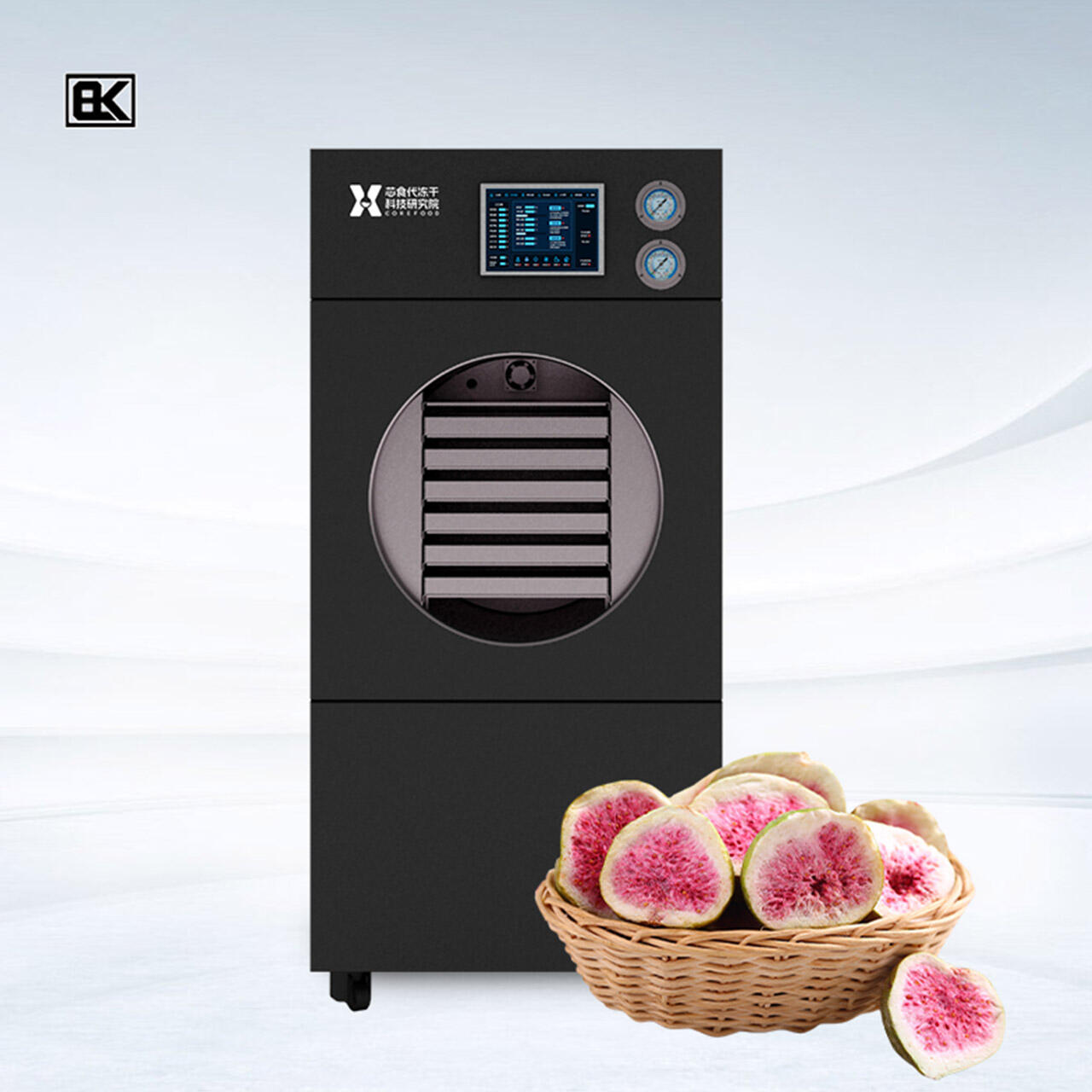
When you encountered the word lyophilized on a coffee jar, a vaccine vial or a package of freeze frozen strawberries, you might have wondered what this word means. Lyophilized is merely a scientific term which means freeze dried. It is based on the Greek words, “lyo” (dissolve) and “philos" (loving). The process itself does not dissolve, but eliminates water. This has been done by freezing a lyophilized product under a vacuum, so that the frozen water is immediately transformed to vapor- never becoming a liquid. This mild treatment maintains the original structure, nutrient and flavor of the product during years without having to be refrigerated. Jiangsu Bolaike Refrigeration Science and Technology Development Co., Ltd. has more than 20 years of experience in the production of lyophilization equipment. A description of the meaning of lyophilized and its importance is given below.
1. The Science of Lyophilization: Freezing + Vacuum
To have any idea of what lyophilized is, you must have some idea of what sublimation is- direct conversion of solid to gas (ice to water vapor) without a liquid stage in between. With a normal condition, ice melts and then evaporates. However, in a vacuum, the pressure is so low that ice can not melt. Rather, it becomes pure vapor. These conditions are produced by a lyophilizer. The product is initially frozen in solid (usually -40°C or less). Then a vacuum pump is used to remove the air in the chamber. Gentle heat is used and the ice evaporation takes place. The water vapor is evaporated and condensed on a cold condenser coils. The product does not shrink, harden or lose its structure because there is never any liquid water. Herein lies the fundamental meaning of lyophilized: frozen in and vacuum dried without being destroyed by heat.
2. What Happens to a Lyophilized Product
A product dried by lyophilization has a very different appearance and behavior as compared to a conventionally dried product. Take a new strawberry and a lyophilized strawberry: the one is exactly the same shape and size and exactly the same color as the fresh berry except that it is completely dry, airy and crunchy. After biting it, it breaks like a wafer, and then immediately becomes moist again in your mouth, with the strong taste of strawberries. Dried strawberries were made traditionally, which resulted in shrunken, leathery and chewy fruits due to the collapse of cells induced by heat. Fruits, vegetables, coffee and meats dried by lyophilization preserve as many as 97% of the original nutrients- many times more than heat dried or frozen foods. It is not thick or solid, but porous and light. That is why lyophilized coffee is instantly dissolved in water, whereas regular ground coffee leaves sludge.
3. Common Lyophilized Products You Encounter Daily
Lyophilated products have most likely been used on you numerous times without your knowledge. The most notable is instant coffee, which is frozen coffee extract that is dried in vacuum to form soluble crystals which dissolve instantly in hot water. Premium cereals, trail mixes, and snack packets contain freeze dried fruits; they remain crunchy and delicious with no added sugar. Lyophilization of space food and military MREs (Meals Ready to Eat) is done to ensure they are lightweight and decades shelf stable. Most of the vaccines and antibiotics are lyophilized to enable them to be stored without refrigeration during transportation to remote clinics. Lyophilization is applied to herbal extracts, probiotics, and even flowers to maintain their active components and look. All these applications, i.e. food and coffee, pharmaceuticals, and biological products are all processed in Jiangsu Bolaike freeze dryers.
4. Lyophilized vs. Dehydrated vs. Frozen: Key Differences
The lyophilized (freeze dried) is often mistaken with dehydrated or frozen. The dissimilarities are high. Dried food products (dried fruit, jerky) are dried using heat (usually 40°C-70°C) to remove water. Heat also results in shrinkage, loss of nutrients (particularly vitamin C and B vitamins) and alteration of flavor. Frozen (frozen vegetables, ice cream) products maintain freshness, however, they must be refrigerated at all times. After defrosting they should be consumed immediately. Lyophilized products are a combination of the two: they need not be refrigerated, have a shelf life of 20-30 years and preserve almost all their original nutrient and flavor. Higher cost of production and energy consumption is the trade off. Lyophilization is incomparable to application where weight, shelf life and quality are a concern such as emergency food, space missions, pharmaceutical stability.
Conclusion
The term “lyophilized” refers to freeze dried: a freeze dried product that is dried under vacuum such that the water is sublimated directly off ice to vapor, without ever becoming liquid. The outcome is a shelf stable, lightweight product that does not change its shape, color, nutrients, and flavor over decades. Examples of these are instant coffee, freeze dried fruit, vaccines, and space food. Jiangsu Bolaike has more than 20 years of experience, is ISO9001 and CE certified, and has 56 or more patents nationwide to produce lyophilization equipment used in the home, laboratory, pharmaceutical, and industrial sectors. Get in touch with us to get a better idea or have a factory visit in Changzhou, China.