 EN
EN
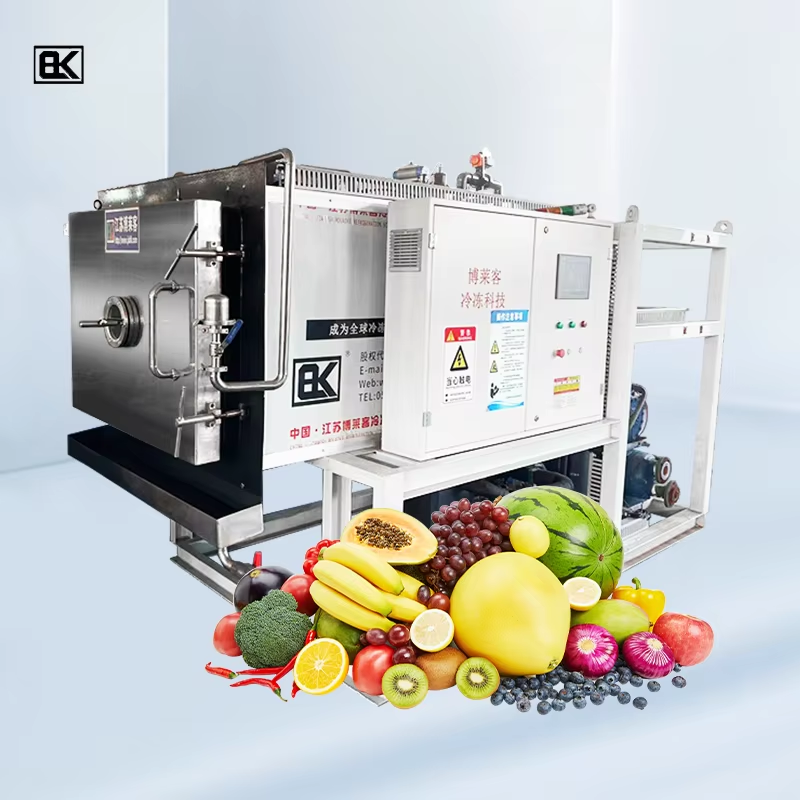
Lyophilization or freeze drying is a type of preservation, which involves removing water in a product without entering a liquid state by freezing the product, then directly turning the frozen water into a vapor. This is known as sublimation and the original structure, color, flavor and nutritional value of the product is maintained and does not require any refrigeration to last several years. Lyophilization is very effective and unlike other conventional heat based drying methods that may shrink, harden or degrade sensitive compounds, lyophilization is gentle. We have been designing lyophilization equipment for over 20 years in Jiangsu Bolaike Refrigeration Science and Technology Development Co., Ltd. The following is a full introduction of this amazing technology.
1. The Science Behind Lyophilization: Sublimation
The process of lyophilization is based on the sublimation principle, i.e., a direct conversion of solid (ice) into a gas (water vapor) without converting it into a liquid. In the normal atmospheric pressure, ice melts to water after which it evaporates. However, in vacuum conditions, the pressure is so low that ice does not melt, it is changed directly into vapor. Here we have the same effect which makes the snow vanish on a very cold, sunny day without puddles appearing. A lyophilizer is used to regulate temperature and pressure to provide optimal conditions of sublimation. The product does not thaw hence its cellular structure is not lost. No liquid water to shrink, move soluble substances or have chemical reactions. That is why freeze dried coffee dissolves immediately, freeze dried strawberries resemble fresh berries and freeze dried vaccines can be taken with their full strength.
2. The Three Stages of Lyophilization
The process of lyophilization takes place in three stages. First, freezing: the product is frozen at temperatures below its eutectic point (usually -40°C or lower), which makes all moisture freeze into crystals of solid ice. Quick freezing at a uniform temperature results in small crystals of ice which do not destroy cell structure. Second, primary drying (sublimation): the chamber pressure is brought to close to vacuum (under 100 Pa) by the vacuum pump. Warm air is used to heat the shelves, and the ice is then directly evaporated into vapor. The vapor is then pulled off and frozen onto the coils of the condenser (cold colder than the product). This step eliminates 90 95% of all the water. Third, secondary drying (desorption): a slightly increased temperature (+20°C to +50°C) causes the removal of bound water molecules which did not become ice. The remaining moisture is only 1-4% and the shelf life of lyophilized products is 20-30 years without preservatives.
3. Key Components of a Lyophilizer
A lyophilizer is a combination of multiple important systems. The refrigeration system chills the product and chills the coils of the condenser. In pharmaceutical uses, temperatures down to -85°C are needed. The vacuum chamber is a pressure and enclosed vessel, which contains the product shelves. It has to resist the pressure of the atmosphere on the outside and make a near vacuum on the inside. The non condensable gases and air are pumped out of the chamber by the vacuum pump. With industrial systems, roughing pumps are used together with roots blowers, which shortens cycle time. The heating system will supply the shelves with uniform controlled heat during the primary and secondary drying. Lastly, the control system (usually a PLC with touchscreen interface) controls temperature, pressure, and cycle time, and automatically changes parameters to achieve the best results. All these systems are designed to be energy efficient and reliable, constructed of stainless steel and certified by CE by Jiangsu Bolaike engineers.
4. Applications of Lyophilization Across Industries
The list of industries in which lyophilization is used is extremely broad. It manufactures high quality instant coffee, freeze dried fruits and vegetables to be used in cereals and snacks, ready to eat backpacking foods, and emergency foodstuffs with shelf lives of 25 years and more in the food industry. It is used in the pharmaceutical industry to freeze vaccines, antibiotics and diagnostic kits without the need of refrigeration; this is essential in the distribution of such products to far-flung regions. It stores probiotics, herbal extracts, dietary supplements, enzymes in the nutraceutical industry. Lyophilization is used to preserve biological samples (blood plasma, tissues), flowers, and even museum artifacts in the long term. Lyophilizers of Jiangsu Bolaike are applied to food, vegetables, fruits, coffee, flowers, herbal extracts, seafood, nutraceuticals, and biological and chemical products-reliable among the customers in Europe, Asia and the Americas.
Conclusion
Lyophilization is a three-stage freeze drying method that eliminates water through sublimation, maintains structure, color, nutrition and flavor for decades. It is based on accurate refrigeration, vacuum, heating and control systems. The uses include food, pharmaceuticals, nutraceuticals and biological preservation. Having more than 20 years of experience, ISO9001 and CE certifications and 56+ domestic patents, Jiangsu Bolaike provides efficient and energy saving lyophilization equipment applicable in households, laboratories, pharmaceutical, and industrial applications. Get in touch with us now to talk about your lyophilization requirements or have a tour of the factory in Changzhou, China.