 EN
EN

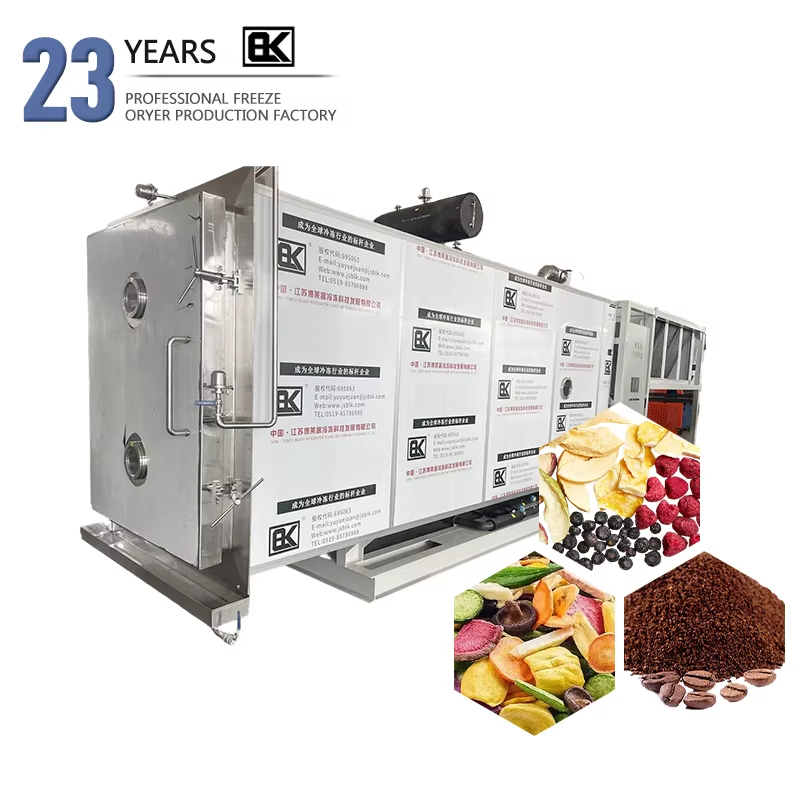
Lyophilized (freeze dried) powder has been appreciated as having a long shelf life, low weight, and it has the capacity to preserve heat sensitive compounds. However, you cannot use it yet- be it a pharmaceutical drug, a probiotic supplement, an instant coffee crystal, or a diagnostic reagent- you need to reconstitute it with liquid. To prevent wrong dosing, lack of sterility and to restore original properties, it is necessary to reconstitute them properly. Jiangsu Bolaike Refrigeration science and technology development company Ltd. is a company that produces freeze drying equipment used to manufacture lyophilized powders used in the food, pharmaceutical and nutraceutical industries. A step by step procedure of reconstituting lyophilized powder is given below.
1. Gather the Correct Supplies and Work in a Clean Environment
Set up your workspace before opening any lyophilized powder. Clean dry sterile (where necessary) area. In pharmaceutical or lab use a laminar flow hood or biosafety cabinet is necessary to avoid contamination. In the case of food products (instant coffee, soup mixes) a sanitary kitchen counter will suffice. Prepare the following: the lyophilized powder container (vial, pouch, or jar), the correct reconstitution liquid (sterile water, saline, buffer solution or hot water as appropriate depending on the product), a sterile syringe with needle (when opening pharmaceutical vials), a measuring spoon or scale (when opening food products), and a set of alcohol wipes to clean the vial stoppers. Read the label on the product to find out the kind and the amount of liquid needed. The wrong liquid (e.g. tap water to inject a drug) may interfere with the active ingredient, or contain contaminants.
2. Add the Liquid Slowly to Avoid Clumping
Lyophilized powder is very porous and hygroscopic- it instantly absorbs the moisture. When you pour in too fast the powder may form lumps on the surface leaving dry pockets in it. In the case of pharmaceutical vials: use a syringe to take the right amount of sterile water or saline. Stick the needle through the rubber stopper (wipe with alcohol wipe). Add the liquid gradually, through the inside of the glass wall of the vial, but not on top of the powder. Such a soft addition would enable the powder to take liquid up uniformly. In food pouches or jars: add the powder to the liquid by sprinkling it in stirring, instead of adding liquid to the powder. Whisk/spoon: Surface clumps should be broken up as they occur. When dealing with large volumes, it is better to add the liquid in two or three portions swirling or stirring between each addition.
3. Swirl, Do Not Shake (Unless Specified)
Once the liquid is added, how it is mixed is important. Most pharmaceutical and biological products (vaccines, proteins, enzymes) form foam on shaking and are easily damaged (denatured) by the shaking. Rather, stir the vial using a circular motion until all the powder dissolves. The solution to be used should be clear or uniformly turbid and have no visible particles. There are products that need standing time -usually 1-5 minutes- to enable full rehydration. In the case of foodstuffs such as instant coffee or soup mixture, it is ok to stir up using a spoon. In the case of probiotics or any other live cultures, shake or high-speed blending should be avoided as it may cause the cell walls to burst. Never forget to read the product instructions: some lyophilized powders (e.g., some diagnostic reagents) indicate a requirement to shake or vortex mix. In case of doubt gentle swirling is the least harmful default.
4. Inspect and Use Immediately or Store as Directed
Reconstitute and visually examine the solution. In the case of pharmaceutical products: the solution must be clear to slightly opalescent with no particulates, discoloration or cloudiness. When you notice floating particles or haze or any unanticipated color, do not use the product, it can be degraded or contaminated. In case of food products: the mixture is not to contain dry lumps. Whenever possible, use reconstituted lyophilized powder. The liquid form is not shelf stable as compared to the dry powder. The majority of reconstituted drugs need to be administered within 1-24 hours (consult the label) and they frequently need refrigeration. Waste any unused part after stipulated time. Refreezing of reconstituted lyophilized powder must not be permitted without permission. In the case of single dose vials, take out all of the contents at once. In the case of multi dose vials, they should be stored and used with a sterile needle. Pharmaceutical freeze dryers developed by Jiangsu Bolaike are aimed to ensure the production of powders that are easy to reconstitute and fully, and that comply with stringent regulatory requirements.
Conclusion
The process of reconstituting the lyophilized powder takes four steps, namely, the preparation of a clean area, the addition of the liquid in slow, non-vortical amounts in order to prevent clumping, swirling (not shaking), to dissolve the product, and the utilization of the reconstituted product or storing it as specified. The right technique guarantees complete rehydration, the right dose and product safety. Jiangsu Bolaike produces freeze dryers of food, pharmaceutical and nutraceutical lyophilized powders with a history of 20 years of experience, ISO9001 and CE certifications and 56+ national patents. You can call us today to talk about your freeze drying requirements or pay us a visit to a factory tour in Changzhou, China.