/blog/
News
Products & Solutions
CONTACT US

+86-18068757376

blk@jsblk.com

No. 29 North Tongjiang Road, Xinbei District, Changzhou City, Jiangsu Province, China
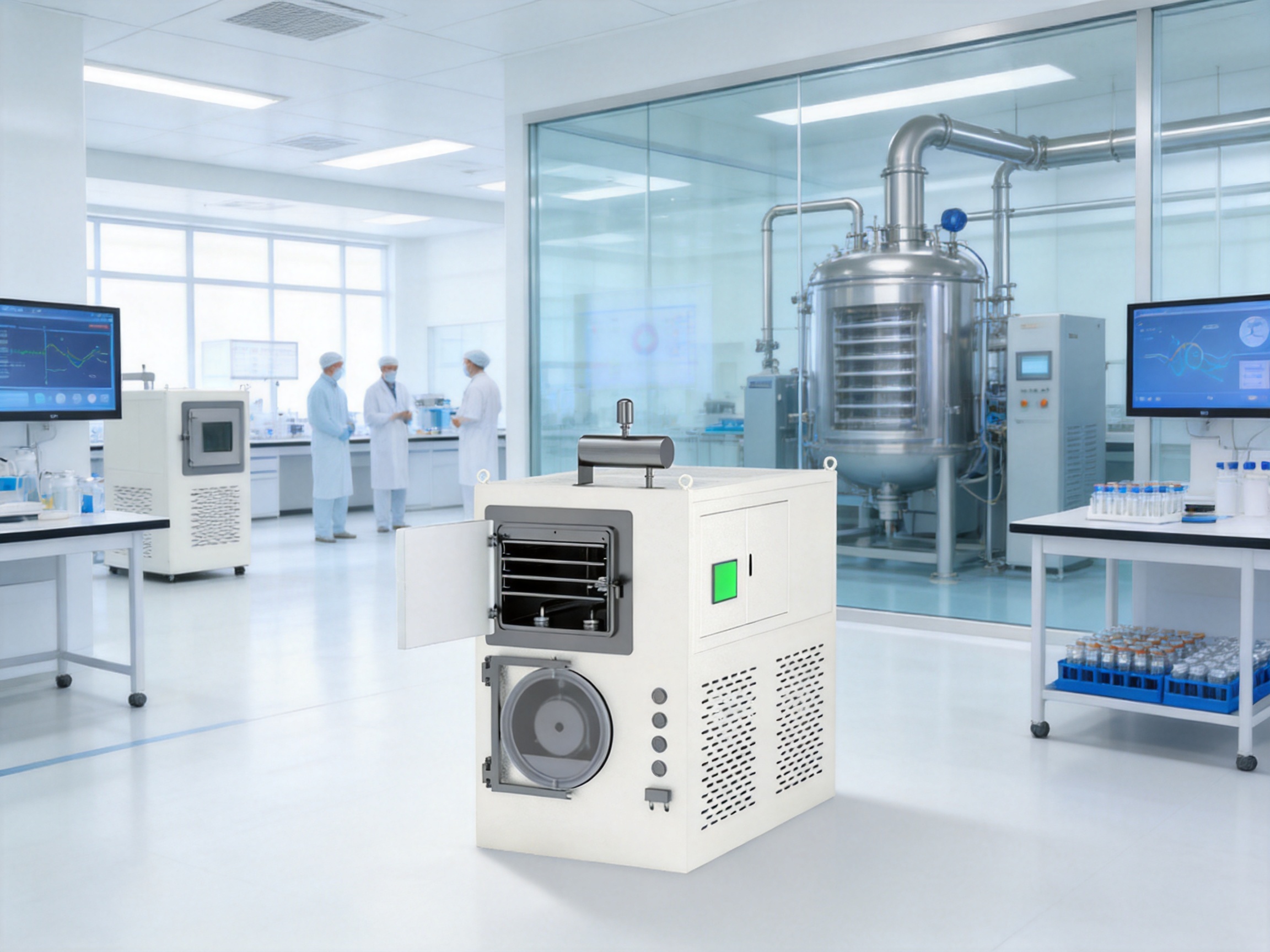
Freeze-drying is one of the most important technologies used to stabilize temperature-sensitive pharmaceuticals, biological materials, injectable preparations, diagnostic products, and advanced research formulations. By removing water from a frozen product under vacuum, lyophilization can significantly improve storage stability while helping preserve the structure, activity, and reconstitution performance of sensitive materials.
However, laboratory and pilot-scale freeze-drying requires more than a small vacuum chamber. Researchers need accurate shelf-temperature control, reliable refrigeration, stable vacuum performance, hygienic construction, flexible process configuration, and sufficient capacity to represent future production conditions. A laboratory freeze dryer that cannot reproduce industrially relevant process conditions may create difficulties during scale-up, formulation screening, and technology transfer.
The BLK-FD-0.5 is designed to address these requirements. With a 0.5-square-meter freeze-drying area, a typical loading capacity of 6 kilograms, and a liquid loading capacity of up to 10 liters, this small vial lyophilizer provides a practical bridge between laboratory experimentation and compliant pilot production. Its compact footprint, silicone-oil circulation heating system, patented cold-trap design, and adaptable pre-freezing and drying configurations make it suitable for pharmaceutical, biotechnology, bioprocessing, and advanced materials research.
Manufactured by Jiangsu BoLaiKe refrigeration science and technology development Co., Ltd., the equipment reflects the company’s broader expertise in vacuum freeze-drying, refrigeration engineering, intelligent control, energy-saving systems, and customized equipment development. The result is a research platform intended not only to support small-batch experiments, but also to reduce process-development risks before commercial production.
Freeze-drying development often begins with small formulation studies. Scientists must determine the suitable freezing temperature, shelf temperature, chamber pressure, primary-drying endpoint, secondary-drying conditions, and final residual moisture level. These parameters vary according to the formulation, container type, fill volume, concentration, excipients, and desired storage life.
A research freeze dryer therefore has to offer repeatable and accurately controlled conditions. If the equipment cannot maintain stable shelf temperatures or if the vacuum fluctuates significantly, it becomes difficult to distinguish product behavior from equipment behavior. A robust experimental freeze dryer helps researchers generate reliable data that can be used during process optimization and later scale-up.
The BLK-FD-0.5 is positioned for this intermediate area between benchtop research and larger manufacturing equipment. It is compact enough for research centers and pilot laboratories, while providing a freeze-drying area and product capacity that are more representative of production-oriented processing than very small laboratory units.
This positioning is particularly valuable for organizations working with injectable products, vaccines, monoclonal antibodies, enzymes, hormones, cell carriers, nanoparticles, microspheres, and other sensitive materials. In these applications, the process must protect product structure and biological activity while also delivering an acceptable cake appearance, reconstitution profile, and stability result.
Formulation screening may involve multiple concentrations, excipient combinations, container sizes, or fill volumes. The 0.5-square-meter tray area gives researchers sufficient room to compare batches and evaluate the influence of process conditions without immediately committing to a production-scale run.
The equipment can support research involving vials and other suitable containers, depending on the selected configuration. Its ability to operate across a broad shelf-temperature range allows researchers to test conservative and accelerated process conditions while maintaining control over the product environment.
Scale-up is one of the most challenging stages in freeze-drying. Heat transfer, mass transfer, product resistance, condenser performance, shelf loading, and chamber pressure behavior may change as the equipment becomes larger. A research system that is designed with production-oriented components and hygienic standards can provide more useful process data than a basic laboratory appliance.
The BLK-FD-0.5 is designed to help bridge this gap. Its integrated or separate pre-freezing and drying configurations allow users to select a setup that better reflects their future process. This flexibility is useful when the laboratory process must imitate a production sequence or when researchers need to isolate individual stages for process studies.
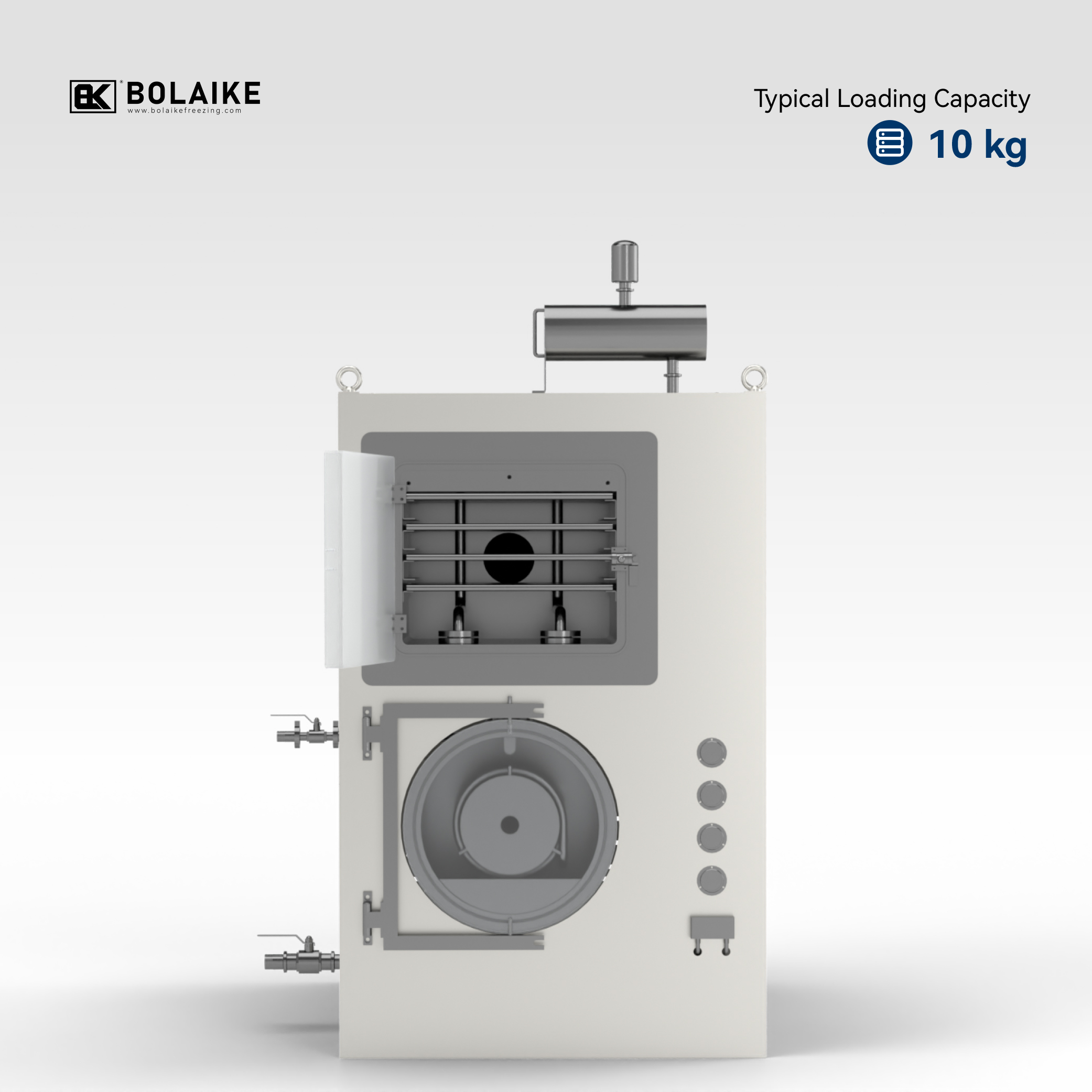
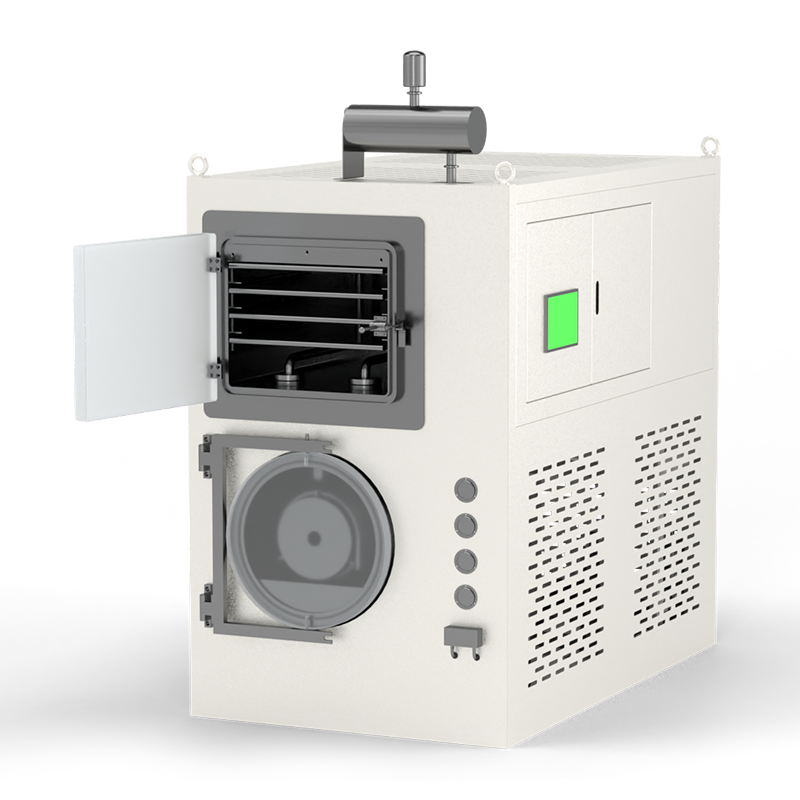
The BLK-FD-0.5 combines moderate process capacity with a compact square integral design. Its overall dimensions are 1,200 × 900 × 1,500 millimeters, allowing it to be installed in a variety of laboratory and pilot-development environments.
| Specification | BLK-FD-0.5 |
| Product category | Experimental freeze dryer |
| Product description | Small vial lyophilizer |
| Freeze-drying area | 0.5 square meters |
| Typical loading capacity | 6 kilograms |
| Liquid loading capacity | 10 liters |
| Overall dimensions | 1,200 × 900 × 1,500 millimeters |
| Shelf temperature range | -55°C to +80°C |
| Refrigeration panel temperature | Minimum -70°C |
| Ultimate vacuum degree | Less than 10 Pa in an empty chamber |
| Heating method | Silicone-oil electric heating |
| Installed power | Approximately 4.9 kilowatts |
| Equipment configuration | Square integral design |
The stated ultimate vacuum value is measured in an empty chamber. Actual operating pressure will depend on the product load, vapor generation rate, condenser condition, system configuration, and process settings. Even so, the vacuum capability provides a suitable foundation for laboratory freeze-drying and process development when the system is correctly installed and operated.
The equipment also has a liquid loading capacity of up to 10 liters. This provides useful flexibility for liquid formulations, particularly when researchers need to evaluate different fill volumes or prepare multiple containers in one cycle.
Freezing is not simply a preliminary step in lyophilization. It directly affects the internal structure of the frozen product and influences subsequent primary drying. The freezing rate, nucleation behavior, ice-crystal size, solute concentration, and product resistance can all affect drying time and final product quality.
The equipment is designed to achieve ultra-low-temperature freezing. This can help produce smaller and more uniform ice crystals in suitable formulations. Smaller ice crystals may contribute to improved structural integrity for complex products, although the final result depends on formulation composition and the complete freezing protocol.
Uniformity is especially significant when processing formulations containing lipid bodies, nanoparticles, cell carriers, microspheres, or other delicate structures. A well-controlled freezing stage can help reduce unwanted variations between vials and improve the consistency of the dried matrix.
For certain active pharmaceutical ingredients, the freezing pathway may also affect whether the material forms a crystalline or amorphous state. Researchers can use controlled process development to investigate how freezing conditions influence product behavior, stability, and reconstitution.
The BLK-FD-0.5 uses a silicone-oil bidirectional circulation heating system. The design supports stable heat transfer across the shelves and helps maintain an inter-shelf temperature deviation within ±0.5°C under appropriate operating conditions.
Accurate shelf-temperature control is important because the shelf provides heat to the product during primary and secondary drying. Excessive temperature differences may cause some containers to dry earlier while others remain wet, resulting in nonuniform residual moisture or inconsistent product appearance.
Bidirectional circulation helps distribute the heat-transfer medium through the shelf system. Combined with suitable control logic, this arrangement can provide a stable thermal environment for process comparisons and repeatability studies.
The shelf temperature range of -55°C to +80°C supports both low-temperature freezing studies and controlled warming during drying. The wide range also allows users to investigate staged temperature programs rather than relying on a fixed operating point.
During primary drying, the product temperature must remain within an acceptable range to avoid collapse or structural damage. During secondary drying, a higher shelf temperature may be used to reduce bound moisture, depending on product tolerance and process objectives. A broad control range provides greater freedom when developing these stages.
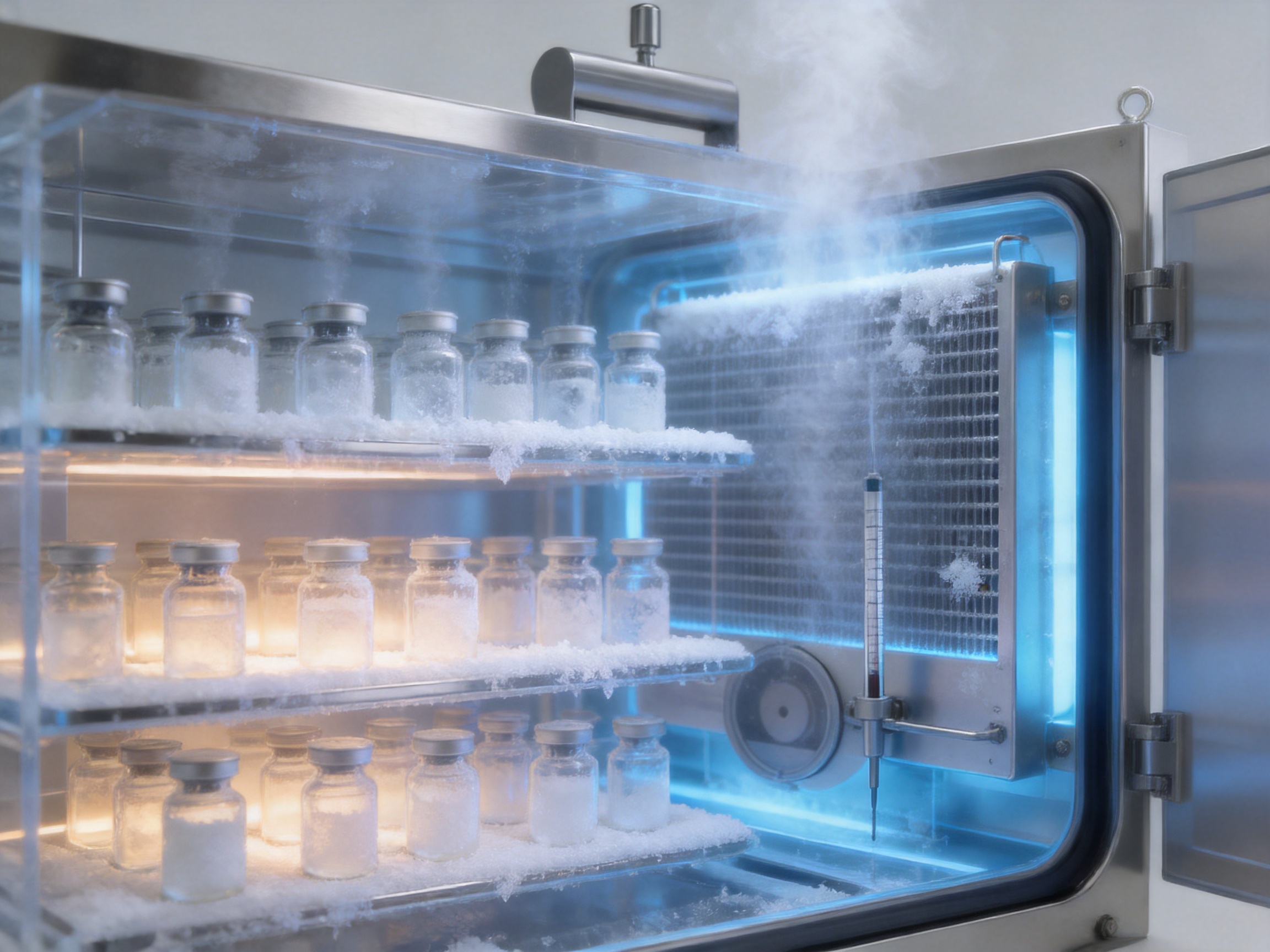
The cold trap is a central component of any freeze dryer. During sublimation, water vapor leaves the frozen product and must be captured on a low-temperature refrigeration panel. Effective vapor capture helps maintain the vacuum environment and prevents excessive vapor from reaching the vacuum pump.
The BLK-FD-0.5 incorporates a patented cold-trap design that is reported to provide a 100% improvement in water capture efficiency compared with the referenced conventional design. Improved water capture can be particularly valuable during high-load or ultra-low-temperature processes, when the vapor load is significant.
A large-capacity water-trapping refrigeration panel is matched to the system’s cooling capacity. This arrangement is intended to maintain stable operating conditions during demanding cycles and help prevent vapor fractionation. In practical terms, effective condensation may help the equipment maintain a more stable vacuum and support consistent drying performance.
Cold-trap performance also affects maintenance and operating reliability. When water vapor is captured efficiently, the vacuum pump and associated components may experience less moisture exposure. The cold trap must still be defrosted and cleaned according to the operating manual, but efficient capture can support better overall process management.
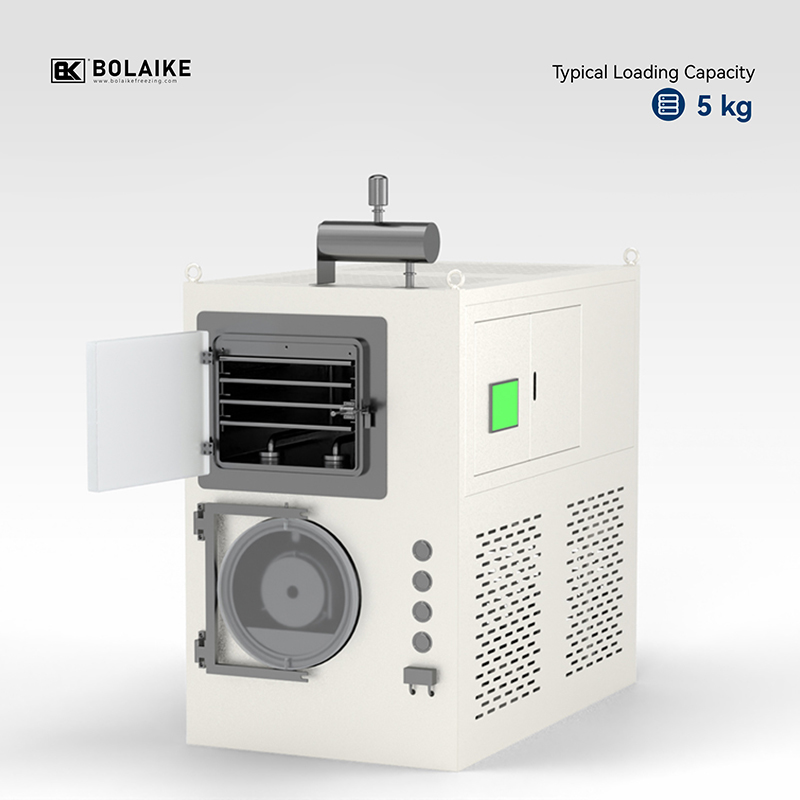
BLK-FD-0.5
Equipment used for pharmaceutical and biotechnology development must be designed with product protection and cleanability in mind. Surfaces, connections, seals, chamber geometry, and drainage arrangements can all influence contamination control and cleaning performance.
The equipment platform follows manufacturing principles aligned with Good Manufacturing Practice requirements. The product-contact surfaces use high-grade 316 stainless steel, with a specified surface roughness of Ra ≤0.4 micrometers. A smooth surface can reduce areas where residues or microorganisms may accumulate and can facilitate cleaning and inspection.
Hygienic-grade connection methods, including quick-release clamp connections, are used to reduce difficult-to-clean structures such as threaded joints. These connection methods can simplify assembly, disassembly, inspection, and maintenance while supporting more effective sanitation procedures.
Hygienic sealing materials that meet applicable FDA requirements are also available for product-contact applications. Seal selection must always be confirmed according to the formulation, cleaning agents, sterilization method, temperature range, and intended process, but the use of compliant materials provides a suitable foundation for pharmaceutical development.
Freeze-drying is widely used for injectable products that require long-term stability. The equipment can support research involving antibiotics, toxic drugs, radioactive drug preparations, lipid-based systems, nanoparticles, microspheres, and other aseptic preparations.
In these applications, equipment selection should be considered together with facility classification, environmental monitoring, container closure systems, sterilization procedures, operator practices, and validation requirements. The freeze dryer itself does not replace a complete aseptic manufacturing system, but hygienic equipment design can support the development of a compliant process platform.
High-grade stainless steel is commonly selected for pharmaceutical equipment because it offers durability, corrosion resistance, and compatibility with many cleaning and sanitization procedures. The exact cleaning chemistry and operating conditions should be assessed for every application.
For research involving proteins, cells, viral vectors, or other sensitive biological materials, researchers should also evaluate the product-contact path, temperature history, hold times, and potential sources of shear or contamination. A suitable equipment design helps, but process-specific studies remain essential.
One of the most useful features of the BLK-FD-0.5 is the availability of integrated or separate pre-freezing and drying configurations. This allows the equipment to be adapted to the user’s workflow and the desired degree of process simulation.
An integrated configuration can simplify operation by combining pre-freezing and drying activities within a coordinated system. This may be useful when the complete thermal history of the product must be managed as one continuous process.
A separate configuration can provide additional flexibility when the user needs to freeze products independently, prepare multiple batches before drying, or study the influence of different pre-freezing conditions. It may also be appropriate when laboratory space, workflow, or product handling requirements favor separate stages.
The ability to select between these arrangements distinguishes the equipment from more basic freeze-drying systems that provide only one fixed configuration. It also supports different research methods, from early formulation screening to more production-oriented process development.
An optional swivel caster design is available for more flexible laboratory deployment. Mobility can be valuable in research environments where equipment layouts change frequently or where the unit must be positioned near different preparation, loading, or inspection areas.
Before moving the equipment, users must follow applicable safety procedures and confirm that utilities, vacuum lines, electrical connections, and leveling requirements are properly managed. Mobility is an operational convenience, but stable installation remains important for reliable performance.
The BLK-FD-0.5 is designed for a broad range of development activities. Its capacity and temperature-control capabilities make it suitable for organizations that need more than a small benchtop unit but do not yet require a full production freeze dryer.
Biological products such as vaccines, monoclonal antibodies, enzymes, hormones, and other protein-based drugs may require freeze-drying to improve storage stability. During development, researchers must evaluate the effect of formulation components and drying conditions on biological activity, aggregation, reconstitution time, and final appearance.
The system can support formulation screening and process development by providing controlled freezing, shelf-temperature management, vacuum operation, and water vapor capture. Each product must be assessed individually because biological materials can respond differently to freezing and drying stress.
Gene therapy products, viral vectors, cell carriers, and related biological systems may be sensitive to ice formation, dehydration, and temperature changes. Controlled freezing and carefully designed drying cycles can help researchers study methods for preserving activity and structural integrity.
For these products, process development may include investigation of protective excipients, container closure systems, reconstitution behavior, and long-term stability. The freeze dryer provides the process environment, while product-specific analytical methods are required to confirm quality.
Lipid bodies, nanoparticles, and other advanced delivery systems can exhibit complex freezing and drying behavior. Ice-crystal formation may affect particle size, encapsulation, surface characteristics, or release properties.
The equipment’s low-temperature capability and controlled shelf heating can help researchers compare process cycles and identify conditions that better protect the product’s physical and chemical characteristics.
Biological sample preservation may include stem cells, bacterial strains, virus vectors, bone, skin, and other tissue engineering materials. Freeze-drying studies for these materials often require careful control of the cooling rate, product temperature, drying time, and final moisture content.
With appropriate product-specific development, the BLK-FD-0.5 can be used as part of a research platform for investigating long-term stable preservation solutions.
Freeze-drying is not limited to pharmaceutical products. It can also be used for specialty chemicals, laboratory reagents, extracts, advanced materials, and other substances that benefit from low-temperature drying or improved storage stability.
Users should verify chemical compatibility with the chamber, seals, shelves, refrigeration system, vacuum pump, and cleaning procedures before processing a new material.
The BLK-FD-0.5 is part of a broader range of experimental freeze dryers. This enables users to select a model according to tray area, loading capacity, installation space, and development requirements.
| Model | Tray Area | Typical Loading Capacity | Overall Dimensions | Installed Power |
| BLK-FD-0.1 | 0.1 square meters | 1 kilogram | 1,100 × 900 × 1,400 millimeters | 4.0 kilowatts |
| BLK-FD-0.2 | 0.2 square meters | 2 kilograms | 1,100 × 900 × 1,400 millimeters | 4.5 kilowatts |
| BLK-FD-0.5 | 0.5 square meters | 6 kilograms | 1,200 × 900 × 1,500 millimeters | 4.9 kilowatts |
| BLK-FD-1 | 1 square meter | 10 kilograms | 1,500 × 1,000 × 1,700 millimeters | 5.9 kilowatts |
| BLK-FD-2 | 2 square meters | 20 kilograms | 1,800 × 1,000 × 2,000 millimeters | 7 kilowatts |
All listed models use a shelf temperature range of -55°C to +80°C, a refrigeration panel temperature of at least -70°C below zero, an empty-chamber ultimate vacuum degree below 10 Pa, and silicone-oil electric heating. The BLK-FD-0.5 is often a practical choice for organizations that need meaningful pilot-scale capacity while retaining a relatively compact footprint.
Energy consumption is an important consideration for laboratories and production facilities. Freeze dryers require refrigeration, vacuum generation, shelf heating, condenser operation, and defrosting. A system that uses energy efficiently can reduce operating costs and improve the sustainability of repeated process development.
The equipment platform incorporates an integrated energy-efficient structure in which shared refrigeration circuits can support cooling and drying processes. Traditional arrangements may use duplicated energy systems for cold storage and freeze-drying chambers. An integrated arrangement can reduce duplicated equipment and system losses.
The manufacturer reports energy-consumption reductions of approximately 20% to 40% under relevant operating comparisons and a reduction in single-batch cycle time of approximately 15% to 25%. Actual savings depend on product load, cycle design, ambient conditions, utility settings, maintenance, and comparison methodology. These figures should therefore be verified during application-specific evaluation.
The system also incorporates a cold-energy recovery concept. In conventional refrigeration arrangements, residual cold energy may be discharged after use while compressors continue operating under a relatively high load. A recovery system can recycle residual cold energy from the refrigeration medium to pre-cool the medium used in the next cycle.
The reported result is a possible compressor-load reduction of approximately 20% to 30%, contributing to lower energy consumption. In addition to cost reduction, lower compressor loading may support improved system efficiency and reduced mechanical stress over time.
Energy-saving performance should always be assessed alongside product quality and process duration. The most efficient cycle is not necessarily the shortest cycle if the product requires additional drying or stabilization. Proper process optimization balances energy use, throughput, product quality, and equipment life.
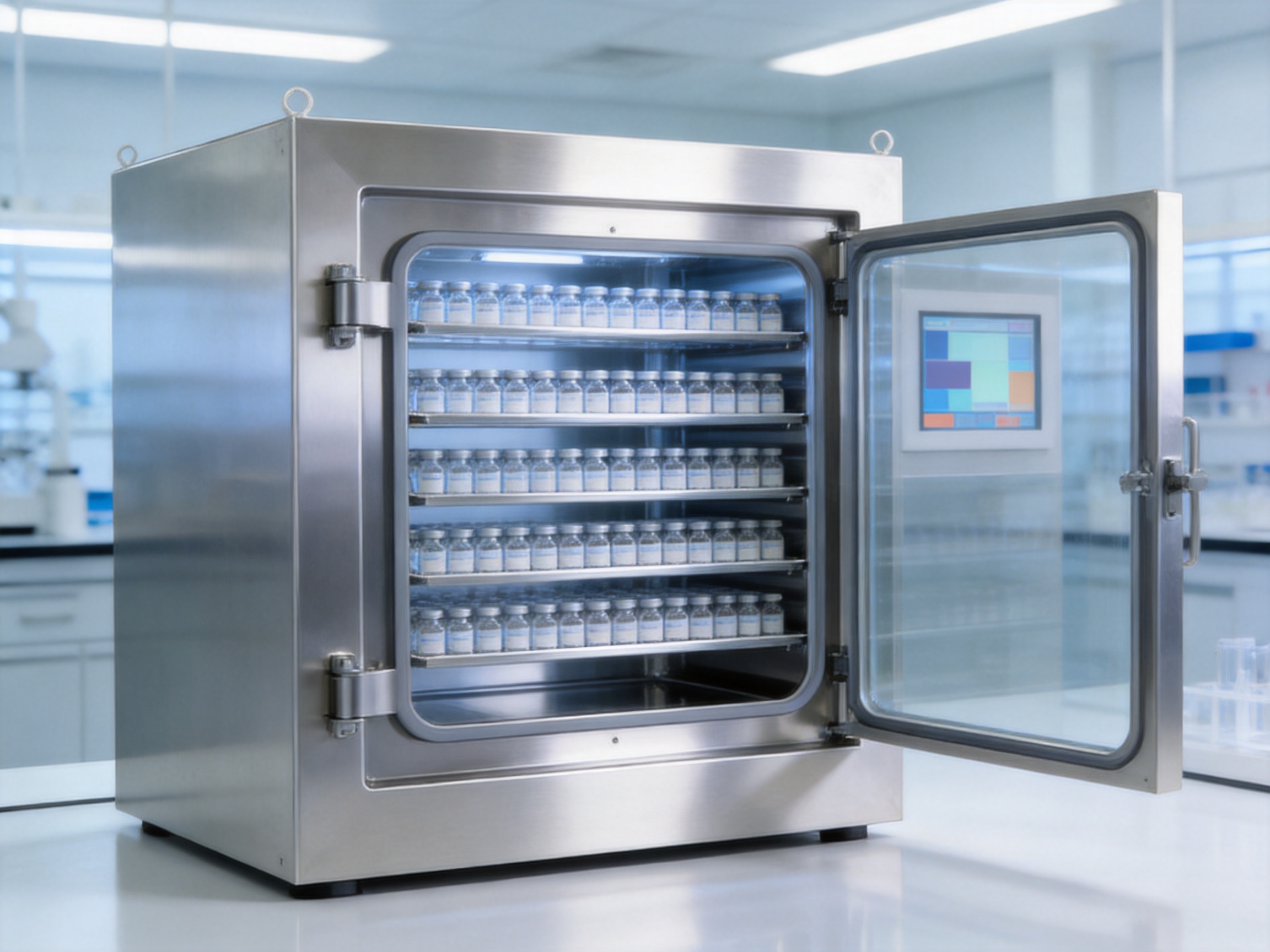
Modern freeze-drying development requires more than manual adjustment of temperature and vacuum settings. Researchers need to observe process status, identify deviations, compare cycles, and maintain consistent operating procedures.
The equipment can be equipped with an intelligent central control system capable of managing the operational status of connected equipment. This centralized approach can simplify operation and provide a more coherent view of refrigeration, vacuum, heating, and other system functions.
Remote monitoring through a mobile application is supported. Remote access can be useful for observing equipment status, reviewing alarms, and responding to process conditions when laboratory personnel are not physically beside the unit. Remote monitoring should be implemented together with appropriate cybersecurity, access-control, and data-integrity procedures.
Multiple language options are available for customization. This is useful for international laboratories, multinational development teams, and facilities where operators have different language requirements.
The operation screen can be positioned on the front or side according to actual installation needs. This flexibility can improve ergonomics and help integrate the equipment into different laboratory layouts.
Centralized control can help researchers standardize process recipes. A repeatable recipe may include freezing steps, shelf-temperature ramps, pressure settings, primary-drying stages, secondary-drying stages, alarms, and end-of-cycle conditions.
Repeatability is essential when comparing formulations or validating a process-development hypothesis. If the equipment makes it easier to reproduce the same cycle, researchers can focus more confidently on formulation behavior rather than operator variation.
Typical critical variables in a freeze-drying cycle include shelf temperature, product temperature, chamber pressure, condenser temperature, cycle time, and equipment status. The control system should be configured according to the user’s process requirements and applicable quality procedures.
Monitoring does not eliminate the need for independent verification. Product temperature probes, pressure measurement methods, calibration programs, alarm testing, and documentation remain important components of a controlled development process.
The performance of a freeze dryer depends not only on its visible chamber and control panel, but also on the manufacturer’s engineering capability, production processes, quality management, and service infrastructure.
Jiangsu BoLaiKe refrigeration science and technology development Co., Ltd. was established in Changzhou, Jiangsu, China, in 2014. The company originated from Changzhou Zhongleng Refrigeration Equipment Co., Ltd., which entered the refrigeration industry in 2003 and began developing vacuum freeze-drying technology at an early stage.
The company focuses on the research, development, manufacturing, and sales of vacuum freeze-drying and refrigeration equipment. Its products and engineering solutions serve food, fruits and vegetables, medicinal herbs, health supplements, bioproducts, chemical materials, and other sectors.
This cross-industry experience is valuable because freeze-drying systems must be adapted to different product characteristics. Food and botanical materials may require high-throughput moisture removal, while pharmaceuticals and bioproducts may require tighter control of hygiene, temperature, vacuum, and documentation.
The company operates an integrated professional team covering research and development, engineering, sales, installation, commissioning, and after-sales service. This structure allows equipment development and customer support to be connected throughout the project lifecycle.
Integrated engineering capability is especially important for customized freeze-drying equipment. A system may need to be adapted for a specific product, container, loading pattern, cleanroom arrangement, utility standard, automation requirement, or production capacity.
By combining design, manufacturing, installation, commissioning, and service resources, the supplier can help reduce coordination difficulties that may occur when these activities are divided among unrelated vendors.
The company has established long-term partnerships with universities and research institutions, including the Chinese Academy of Agricultural Sciences, the Jiangsu Academy of Agricultural Sciences, and Jiangnan University.
Partnerships with research institutions can support the development of new freeze-drying methods, energy-saving technologies, process applications, and equipment improvements. They also provide opportunities to connect practical engineering with scientific research requirements.
The company reports more than 100 national invention and utility model patents. The technologies associated with the BLK-FD-0.5 include patented cold-trap design and cold-energy recovery concepts.
Patents do not by themselves guarantee performance for every product or process. Nevertheless, a substantial patent portfolio can indicate continued investment in engineering development and a commitment to improving system architecture, efficiency, and operating functions.
The company has moved into a modern 24,000-square-meter manufacturing base. A dedicated manufacturing site can support structured production workflows, equipment assembly, testing, component management, quality inspection, and project coordination.
For complex freeze-drying systems, manufacturing quality depends on many details, including chamber fabrication, weld quality, surface treatment, piping installation, insulation, refrigeration assembly, vacuum integrity, electrical wiring, control-panel integration, and factory testing.
A well-organized manufacturing process helps ensure that these components are assembled consistently and that equipment is inspected before shipment.
When selecting an experimental freeze dryer, buyers may compare the BLK-FD-0.5 with basic laboratory units, imported systems, compact pilot dryers, and custom-built alternatives. The most relevant comparison should consider total process capability rather than purchase price alone.
Very small laboratory freeze dryers may be suitable for initial feasibility studies, but their limited shelf area and loading capacity can make it difficult to reproduce production-oriented loading patterns. With a 0.5-square-meter freeze-drying area and a typical 6-kilogram load, the BLK-FD-0.5 offers a more substantial platform for process development.
Some competing systems provide only an integrated configuration or only a separate pre-freezer. The availability of both integrated and separate arrangements gives users greater flexibility in matching the equipment to their workflow and scale-up strategy.
The specified inter-shelf temperature deviation of ±0.5°C supports more consistent thermal conditions across the loading area. This can be an advantage over less sophisticated systems where temperature variation may complicate formulation comparisons.
The patented cold-trap design and large-capacity water-trapping panel are intended to provide efficient vapor capture during high-load cycles. Stable vapor capture supports vacuum control and can help protect the vacuum system from excessive moisture exposure.
316 stainless-steel product-contact surfaces, a specified Ra ≤0.4-micrometer surface finish, hygienic clamp connections, and FDA-compliant sealing materials provide a stronger foundation for pharmaceutical and bioprocessing development than equipment designed only for general laboratory use.
The integrated refrigeration structure and cold-energy recovery concept can help reduce operating costs. This may be particularly relevant for research institutions and production sites that conduct frequent cycles throughout the year.
A supplier with capabilities spanning research, engineering, manufacturing, commissioning, and after-sales service can provide more complete support than a vendor that only distributes standard equipment. Customization may include control language, screen location, caster configuration, chamber arrangement, connected equipment, and production-line integration.
Successful installation begins before the equipment arrives. Users should review the required electrical supply, floor loading, room dimensions, ventilation, ambient temperature, humidity, drainage, vacuum exhaust, access routes, and maintenance clearances.
The equipment dimensions are approximately 1,200 × 900 × 1,500 millimeters, but additional space may be required for door operation, service access, control-panel use, utility connections, and loading activities.
The facility should also determine whether the system will operate in a general laboratory, controlled environment, pilot plant, or cleanroom. The final installation should align with the facility’s environmental classification and the intended product-development workflow.
For regulated pharmaceutical development, qualification activities may include design qualification, installation qualification, operational qualification, and performance qualification, depending on the organization’s quality system and intended use.
Typical verification activities may include temperature mapping, vacuum-leak testing, condenser-temperature verification, shelf-uniformity testing, alarm testing, control-system verification, and calibration review.
Qualification requirements should be defined with the user’s quality, engineering, validation, and regulatory teams. The equipment supplier can provide technical documents and commissioning support, but the user remains responsible for establishing the final qualification strategy.
Regular maintenance may include inspection of refrigeration components, vacuum lines, seals, shelves, electrical systems, sensors, software functions, and safety devices. The cold trap should be defrosted and cleaned according to the operating schedule and product type.
Preventive maintenance helps preserve vacuum performance, temperature stability, energy efficiency, and equipment reliability. It also allows potential issues to be detected before they affect a development batch.
A systematic workflow can help researchers obtain the greatest value from the equipment. The process normally begins with product characterization and formulation selection.
Researchers should identify the product’s thermal sensitivity, collapse temperature, glass-transition behavior, eutectic characteristics, concentration, fill volume, and container type. Analytical methods should be selected to assess potency, activity, moisture, appearance, reconstitution, particle size, and stability as appropriate.
The freezing study may compare different cooling rates, final freezing temperatures, hold times, and nucleation approaches. The objective is to determine how the frozen structure affects drying performance and product quality.
Primary drying removes ice by sublimation. Researchers must balance shelf temperature, chamber pressure, product temperature, vapor flow, and cycle time. The product should remain below its critical temperature while receiving sufficient energy for efficient sublimation.
Secondary drying removes remaining bound moisture. This stage may use a controlled increase in shelf temperature and an appropriate hold period. Excessive heating can damage sensitive products, while insufficient secondary drying may reduce storage stability.
After each cycle, researchers may evaluate cake structure, shrinkage, collapse, reconstitution time, residual moisture, potency, biological activity, particle properties, and stability. The process can then be refined using controlled experimental designs.
The BLK-FD-0.5 supports this iterative approach by providing a stable and flexible platform for repeated cycles, formulation comparisons, and scale-up preparation.
The value of a freeze dryer should be evaluated across its expected service life rather than by initial purchase cost alone. A suitable research platform can support multiple projects, different product categories, and changing development requirements.
Because the BLK-FD-0.5 combines moderate capacity with flexible configurations, it can be used by pharmaceutical research centers, biotechnology companies, contract development and manufacturing organizations, universities, national laboratories, and pilot production facilities.
Its hygienic design and production-oriented features may also help reduce the gap between laboratory research and compliant pilot manufacturing. Using equipment with relevant construction standards during development can reduce process-transfer risk and help teams identify equipment-related differences earlier.
For organizations planning long-term development programs, an experimental freeze dryer can become a shared platform supporting formulation studies, process characterization, stability programs, technical transfer, and customer sample preparation.
The BLK-FD-0.5 is an experimental freeze dryer and small vial lyophilizer designed for pharmaceutical, biotechnology, biochemical, and related research. It supports formulation screening, process development, biological sample preservation, and small-scale production studies.
The unit has a 0.5-square-meter freeze-drying area, a typical loading capacity of 6 kilograms, and a liquid loading capacity of up to 10 liters.
The shelf temperature range is -55°C to +80°C. The refrigeration panel can reach a minimum temperature of approximately -70°C.
The silicone-oil bidirectional circulation heating system is designed to control inter-shelf temperature deviation within ±0.5°C under suitable operating conditions.
It can support industrially relevant process development through its moderate loading capacity, controlled freezing and drying functions, hygienic construction, and availability of integrated or separate pre-freezing and drying configurations. Actual scale-up suitability must be confirmed through product-specific studies.
Product-contact surfaces use high-grade 316 stainless steel with a specified surface roughness of Ra ≤0.4 micrometers. Hygienic-grade connections and FDA-compliant sealing materials are also available for suitable applications.
It is designed for research involving vaccines, monoclonal antibodies, gene therapy products, enzymes, hormones, protein drugs, nanoparticles, lipid bodies, microspheres, antibiotics, and other injectable or biological preparations. Product-specific formulation, contamination-control, and validation studies remain necessary.
The intelligent central control system can support remote equipment monitoring through a mobile application. Users should implement appropriate access control, cybersecurity, and data-management procedures.
The equipment incorporates an integrated refrigeration structure and a cold-energy recovery concept. Reported energy savings are approximately 20% to 40% in relevant comparisons, while compressor load may be reduced by approximately 20% to 30% through cold-energy recovery. Actual results depend on operating conditions and the comparison baseline.
Customization options may include integrated or separate pre-freezing, swivel casters, screen placement, language options, control configuration, and other project-specific requirements. The final configuration should be confirmed with the manufacturer according to the intended product and facility.
The stated ultimate vacuum degree is less than 10 Pa in an empty chamber. Actual process pressure depends on the product load, vapor generation, condenser condition, vacuum system, and selected cycle.
Pharmaceutical companies, biotechnology enterprises, CDMOs, universities, research institutes, national laboratories, pilot plants, and organizations developing sensitive biological, chemical, food, or specialty products can benefit from the equipment.
The BLK-FD-0.5 is designed as a flexible research and pilot-development freeze dryer for users who need more capability than a basic laboratory unit while maintaining a compact installation footprint. Its 0.5-square-meter freeze-drying area, 6-kilogram typical loading capacity, 10-liter liquid capacity, broad shelf-temperature range, and low-temperature refrigeration panel provide a suitable platform for advanced process development.
Its principal advantages include integrated or separate pre-freezing and drying configurations, silicone-oil bidirectional circulation heating, inter-shelf temperature control within ±0.5°C, a patented cold-trap design, hygienic 316 stainless-steel construction, energy-saving refrigeration architecture, cold-energy recovery, and intelligent central control.
These features are supported by the manufacturer’s experience in vacuum freeze-drying and refrigeration engineering, integrated research and engineering teams, university and research-institution partnerships, extensive patent development, international sales experience, and modern manufacturing infrastructure.
For organizations developing pharmaceuticals, bioproducts, injectable preparations, advanced delivery systems, tissue engineering materials, or specialty products, the equipment can serve as a practical link between formulation research and future production. By generating more representative process data under controlled and hygienic conditions, it can help reduce scale-up uncertainty, improve development efficiency, and support the transition from laboratory studies to compliant pilot manufacturing.
1. Manufacturer-provided technical specifications for the BLK-FD-0.5 experimental freeze dryer.
2. Manufacturer-provided information on hygienic construction, 316 stainless-steel product-contact surfaces, surface roughness, sealing materials, and hygienic connections.
3. Manufacturer-provided information on patented cold-trap technology and water-capture performance.
4. Manufacturer-provided information on integrated refrigeration structures, cold-energy recovery, and energy-saving performance.
5. Manufacturer-provided model comparison data for the BLK-FD-0.1, BLK-FD-0.2, BLK-FD-0.5, BLK-FD-1, and BLK-FD-2 experimental freeze dryers.
6. General principles of pharmaceutical freeze-drying process development, including freezing, primary drying, secondary drying, product temperature control, and residual-moisture evaluation.
7. General Good Manufacturing Practice principles for pharmaceutical equipment design, hygienic construction, cleanability, qualification, and maintenance.
8. Company-provided information regarding research partnerships, manufacturing capabilities, patents, international markets, and after-sales engineering services.
 2026/05/28
 2026/05/28
2026/05/28
2026/05/28
2026/05/28
2026/05/28


 Custom Industrial Lyophilizer Freeze Dryer Manufacturers





 English
 русский
 Español
 Français
 Deutsch
 عربى
عربى