English
 русский
 Español
 Français
 Deutsch
 عربى
عربى



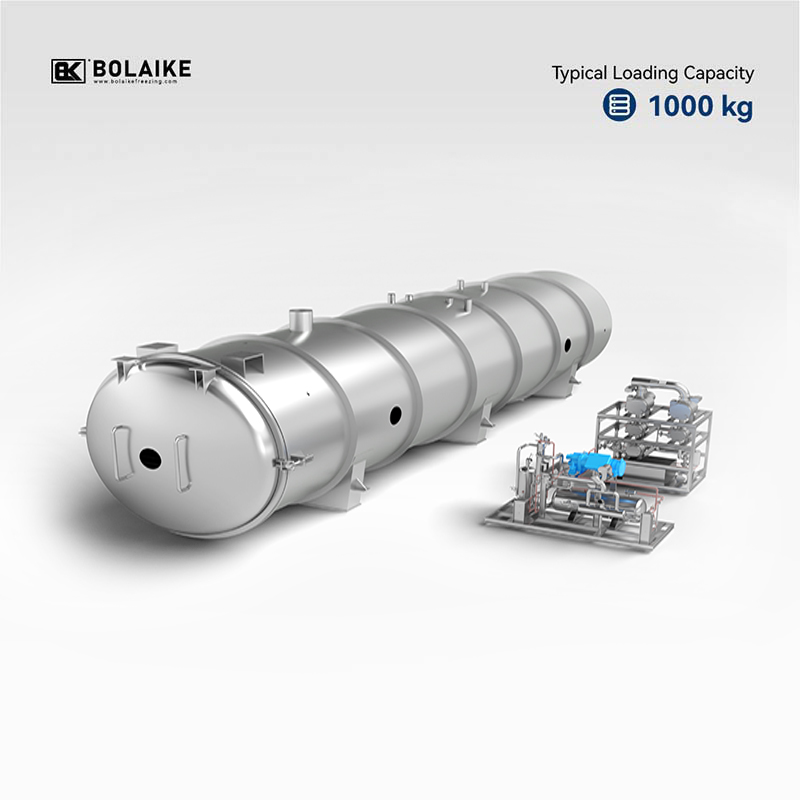
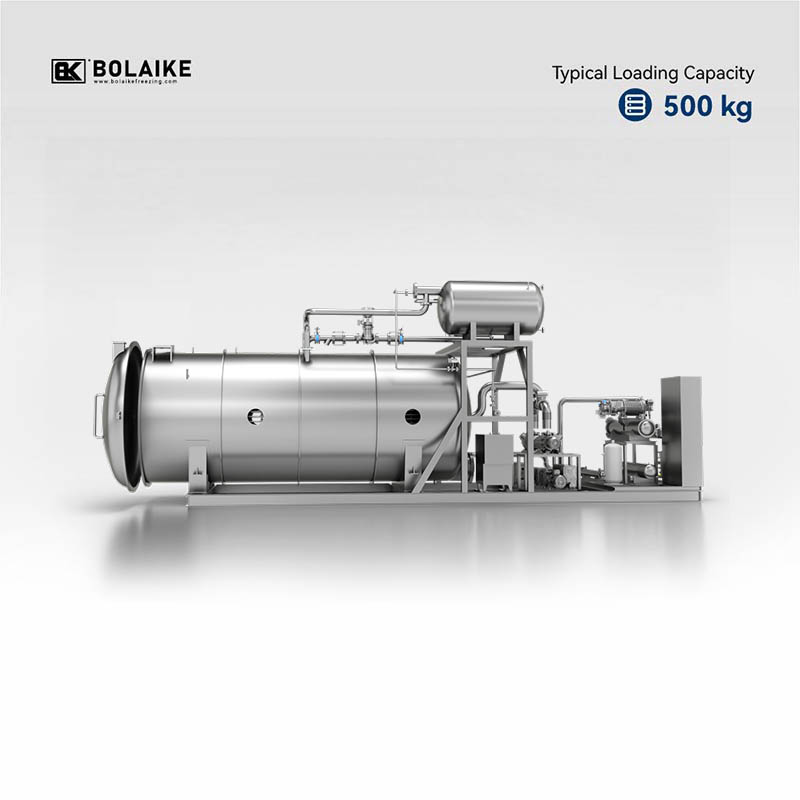
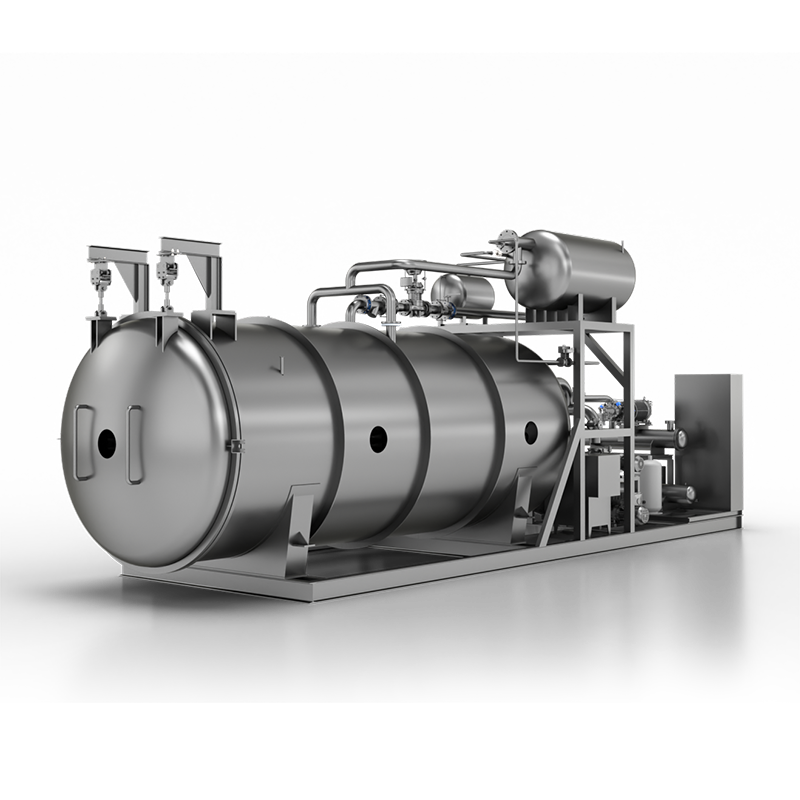



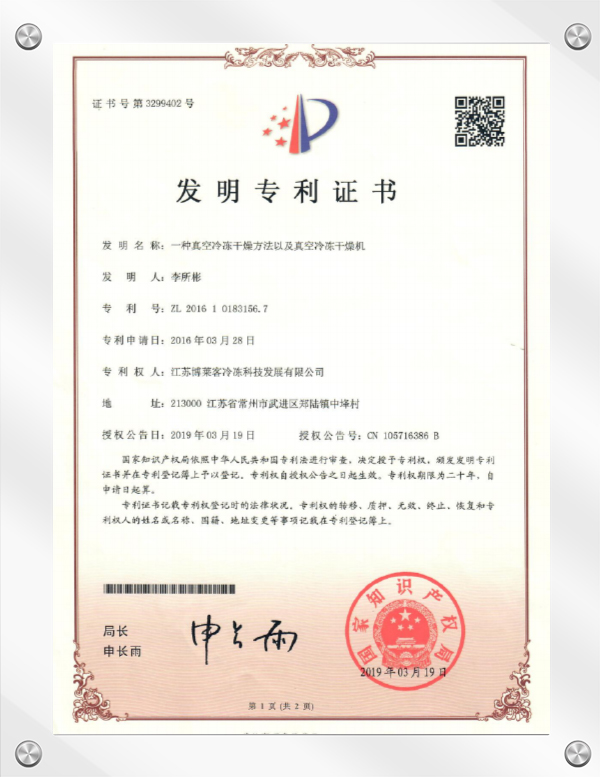
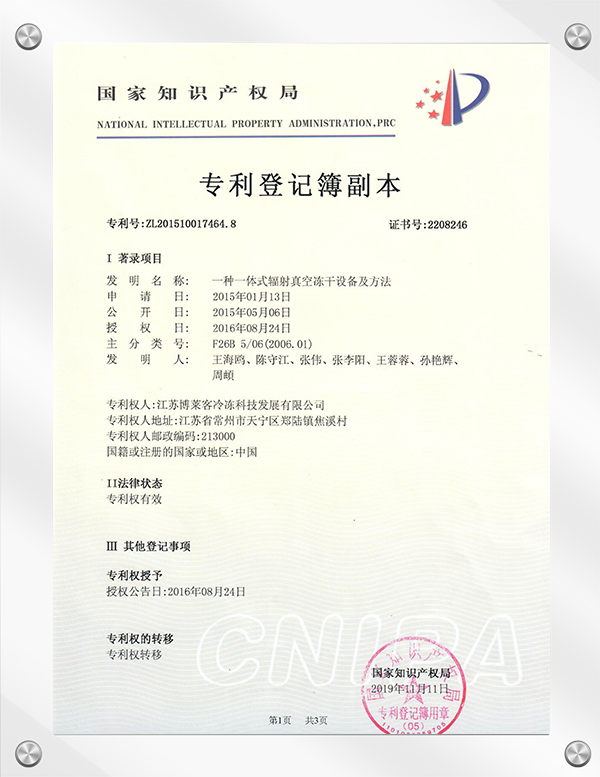
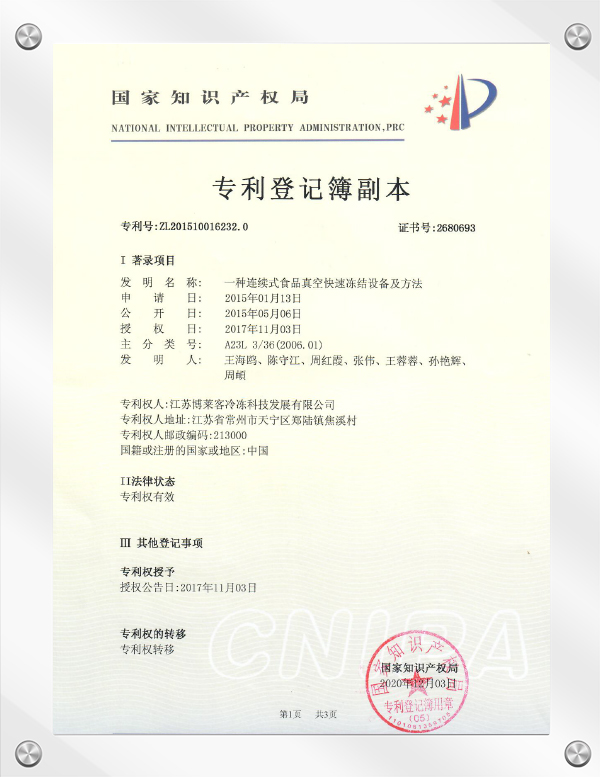
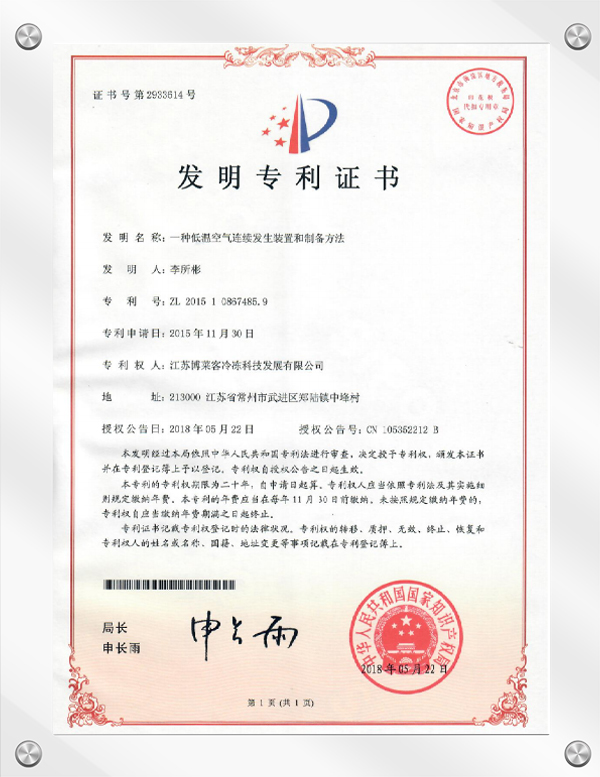
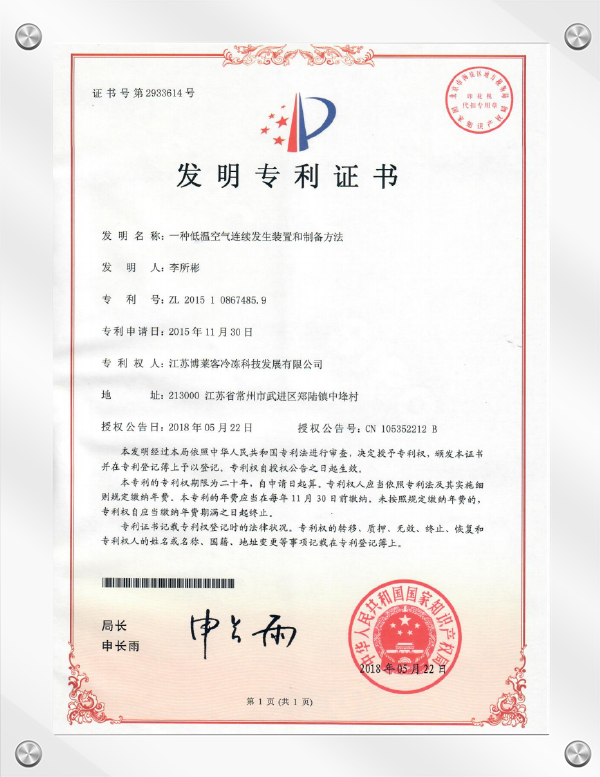
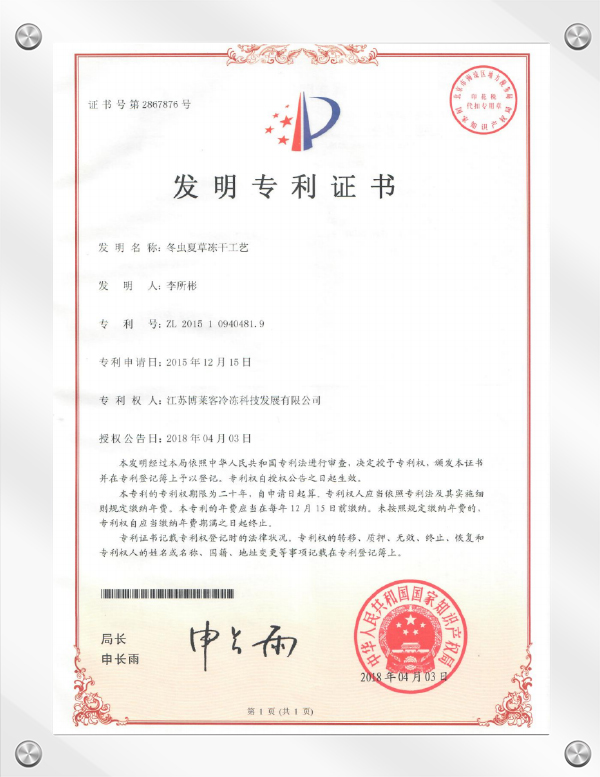
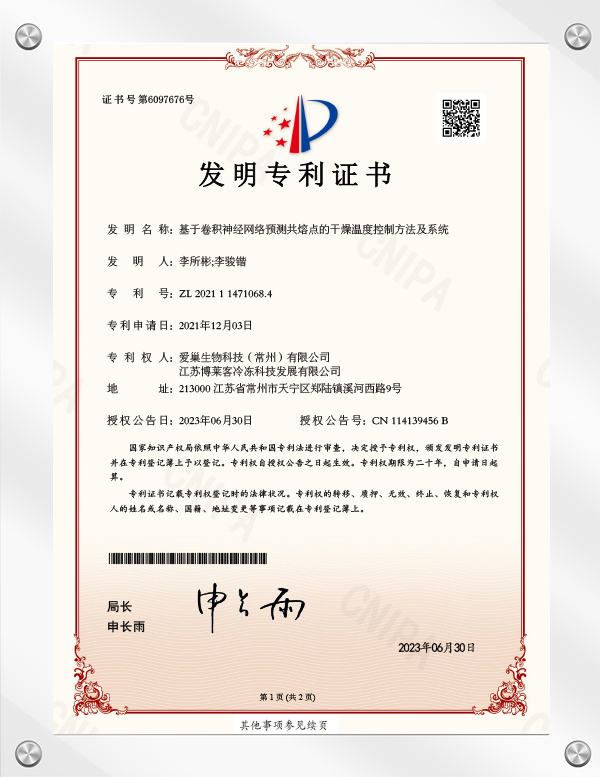


Conventional vs. Energy-Efficient Large-Scale Freeze Drying Equipment: A 5-Year ROI Breakdown
Vacuum freeze-drying, or lyophilization, has become a standard method for preserving the nutritional value, structure, and chemical properties of sensitive biological materials. Large-scale industrial operations utilize this technology across diverse fields, including food processing, pharmaceutical production, and specialized chemical manufacturing. While the benefits of the sublimation process are clear, the substantial electricity and thermal energy inputs required to run large-scale freeze drying equipment present ongoing operational cost challenges. As industrial manufacturers look to expand or modernize their production facilities, comparing the long-term financial returns of standard machinery against modern energy-saving models becomes essential for sustainable capital allocation.
The Physics of Energy Consumption in Industrial Lyophilization
To understand where energy savings occur, one must evaluate the mechanical stages of the freeze-drying cycle. The process begins with product freezing, which requires deep refrigeration to solidify the water content within the material. This is followed by primary drying, where a vacuum pump lowers chamber pressure while heating plates supply the latent heat of sublimation, causing the ice to turn directly into vapor. Finally, secondary drying removes bound moisture under lower pressure and higher heat. Conventional equipment typically runs refrigeration compressors and vacuum pumps at constant speeds, which leads to heavy energy dissipation during phases where full mechanical capacity is unnecessary. Advanced equipment designs alter this dynamic by integrating variable-frequency drives, optimized condenser designs, and smart heat-recovery systems that balance energy input with the changing physical state of the product inside the chamber.
Operational Dynamics and Comparative Expenditure Over Time
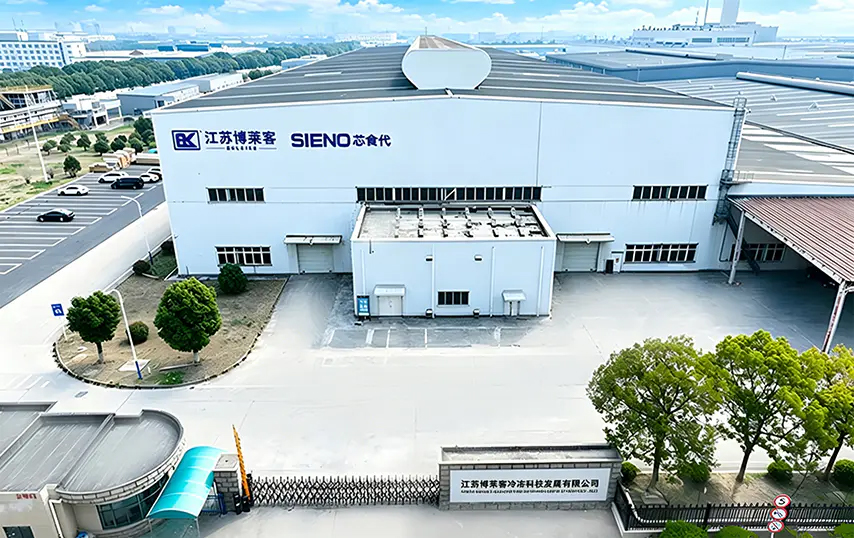
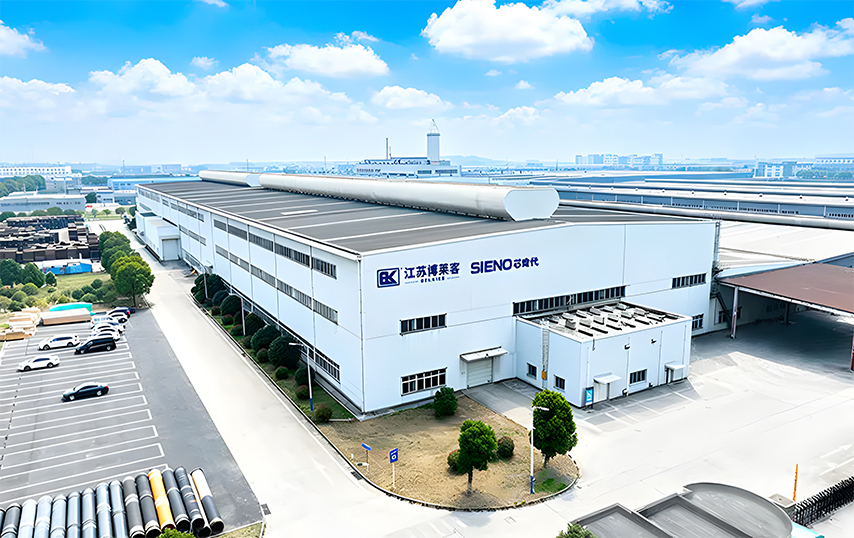
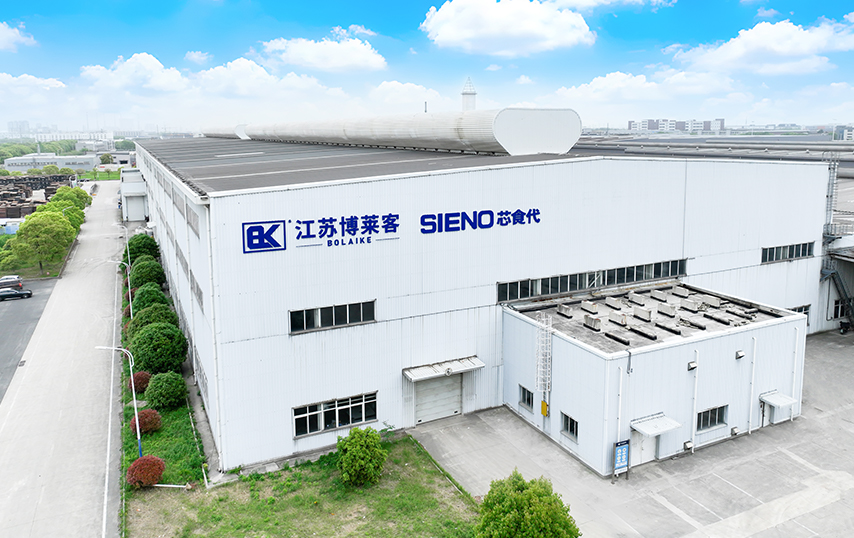
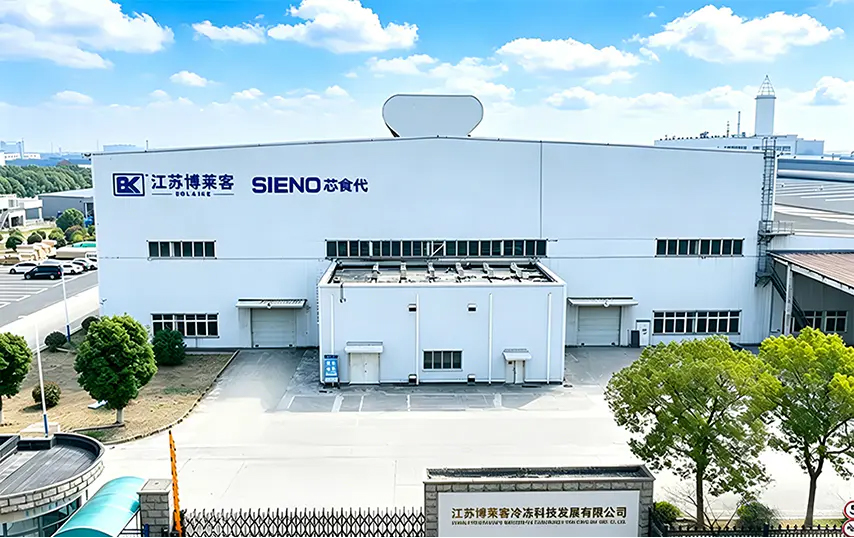
The upfront acquisition cost of high-efficiency machinery is often higher than that of standard alternatives due to the complexity of the internal control networks and advanced vacuum systems. However, looking at fixed capital expenditure alone overlooks the escalating variable costs associated with utility consumption. Systems developed by specialized manufacturers, such as Jiangsu Bolaike Freezing Technology Development Co., Ltd., demonstrate how focusing engineering design on refrigeration efficiency can alter the operational baseline. When equipment manages to lower energy usage by 20% to 30%, the daily reduction in utility overhead accumulates across continuous processing schedules. This accumulation alters the total cost of ownership, making the initial price premium a secondary factor when calculated across thousands of operating hours.
5-Year Projected Cost and Savings Breakdown Matrix
The matrix below presents a quantitative projection comparing a standard industrial freeze-drying unit with an energy-efficient alternative over a five-year operating lifecycle, based on a continuous production schedule with stable utility rates.
| Financial and Performance Metrics | Conventional Industrial Equipment | Energy-Efficient System Variant | Net Financial Variance |
| Initial Capital Purchase Investment | $350,000 | $420,000 | +$70,000 (Higher Initial Cost) |
| Year 1 Power and Utility Expenditures | $90,000 | $67,500 | -$22,500 (Annual Savings) |
| Year 2 Power and Utility Expenditures | $92,700 | $69,525 | -$23,175 (Adjusted for Inflation) |
| Year 3 Power and Utility Expenditures | $95,481 | $71,610 | -$23,871 (Adjusted for Inflation) |
| Year 4 Power and Utility Expenditures | $98,345 | $73,758 | -$24,587 (Adjusted for Inflation) |
| Year 5 Power and Utility Expenditures | $101,295 | $75,971 | -$25,324 (Adjusted for Inflation) |
| Estimated 5-Year Maintenance Allocation | $45,000 | $38,000 | -$7,000 (Reduced Component Strain) |
| Total 5-Year Lifecycle Accumulation | $872,821 | $816,364 | -$56,457 (Net Lifecycle Savings) |
The Return on Investment Timeline and Break-Even Analysis
Evaluating the financial return requires mapping the point where cumulative utility savings completely offset the initial premium paid for the high-efficiency system. According to the structural data in the lifecycle model, the energy-efficient alternative carries a premium of $70,000. By achieving an operational reduction in power costs alongside lower preventative maintenance expenses, the system recovers this capital premium within approximately thirty-one months of continuous operation. Beyond this break-even milestone, the reduction in electricity consumption acts as a direct boost to manufacturing margins, lowering the cost per kilogram of processed material. This baseline shifts the equipment from a high-overhead asset into an operational advantage for enterprises handling tight margin products like dried fruits, medicinal herbs, or bulk food ingredients.
Component Durability and System Longevity Enhancements
Energy-efficient large-scale freeze drying equipment also delivers secondary financial benefits by changing how mechanical wear occurs within the system components. In conventional arrangements, compressors experience frequent on-and-off cycling or run continuously at peak speeds, which spikes internal temperatures and accelerates oil degradation and seal wear. High-efficiency systems mitigate this through intelligent refrigeration controls that distribute load requirements smoothly across the dehydration cycle. Companies dedicated to cold storage solutions and drying technology, including Jiangsu Bolaike Freezing Technology Development Co., Ltd., design their systems to operate under balanced mechanical stress profiles. This reduces unexpected downtime and extends the usable lifespan of vacuum valves, condenser coils, and refrigeration compressors, which protects the facility from production stoppages.
Strategic Sourcing Considerations for Industrial Infrastructure
Sourcing large-scale thermal processing machinery involves reviewing both the engineering background of the producer and the specific application matrix of the factory floor. When handling complex solid and liquid processing, the equipment must adapt its vacuum parameters to match the freeze point of the material, whether it is standard vegetable tissue or delicate biological solutions. Choosing a high-tech enterprise with an established focus on refrigeration engineering guarantees that the control software can balance temperature inputs precisely, maximizing sublimation speeds while strictly controlling the power draw. This integration of machinery performance and utility management ensures that industrial infrastructure upgrades remain financially viable and operationally resilient throughout their service life.
FAQ
Q: How does the condensation system design in large-scale freeze drying equipment influence the total duration of the primary drying phase?A: The efficiency of the low-temperature vapor condenser directly dictates sublimation velocity during the primary drying phase. In large-scale operations, vapor must be captured rapidly to maintain the pressure differential inside the vacuum chamber; otherwise, accumulated moisture creates a micro-atmosphere that slows down ice crystal transformation. Calibrating the condenser surface area and refrigeration capacity ensures that ice formation is distributed uniformly across the coils, preventing thermal insulation blocks and keeping the sublimation rate steady.
Q: What specific engineering modifications enable high-efficiency lyophilizers to reduce energy consumption by up to 30% compared to standard industrial units?A: High-efficiency systems replace fixed-speed compressors and constant-vacuum pumps with automated variable-frequency controls and multi-stage refrigeration loops. Lyophilization requires different levels of thermal energy throughout its multi-day cycle, meaning full mechanical output is rarely required continuously. By matching compressor speeds and heating plate inputs to the actual real-time sublimation load inside the chamber, energy-optimized systems eliminate the utility spikes common in older machinery configurations.
Q: Why must product developers alter the pre-freezing rate inside industrial sublimation chambers when shifting production from solid vegetable pieces to liquid herbal extracts?A: Liquid materials, such as concentrated medicinal extracts or bioproducts, carry a higher dissolved solute density than solid fruits or vegetables, which alters their eutectic freezing temperature. If pre-freezing occurs too rapidly, it can form a dense surface skin that acts as a physical barrier to vapor during subsequent sublimation phases. Large-scale freeze drying equipment resolves this by incorporating programmable thermal trajectories that allow for precise ice crystal nucleation, ensuring structured pathways remain open within the liquid matrix for efficient moisture escape.
Q: What mechanical failure risks are mitigated by deploying comprehensive cold storage engineering protocols alongside bulk freeze-drying systems?A: Bulk industrial freeze-drying requires a coordinated cold chain; raw materials must be maintained at strict sub-zero temperatures prior to chamber loading to prevent cellular degradation and moisture migration. Integrating professional cold storage engineering directly with the drying workflow ensures that bulk materials remain crystallized during transport and staging. This prevents structural collapse or melting before vacuum pull-down, minimizing the risk of ruined batches and protecting high-capacity machinery from moisture overload.
Q: How do technical teams manage the automated cleaning validation requirements for vacuum chambers when alternating processing between chemical compounds and food products?A: Alternating production between diverse categories like chemical materials and food formulations requires comprehensive contamination controls. Modern large-scale freeze drying equipment engineered by national high-tech enterprises like Jiangsu Bolaike Freezing Technology Development Co., Ltd. features built-in Clean-In-Place (CIP) and Steam-In-Place (SIP) systems. These networks utilize automated multi-angle spray nozzles that flush the chamber walls, shelving units, and internal vapor ports with heated wash solutions and pure steam, validating sanitation parameters without requiring manual disassembly of the heavy vacuum infrastructure.