English
 русский
 Español
 Français
 Deutsch
 عربى
عربى



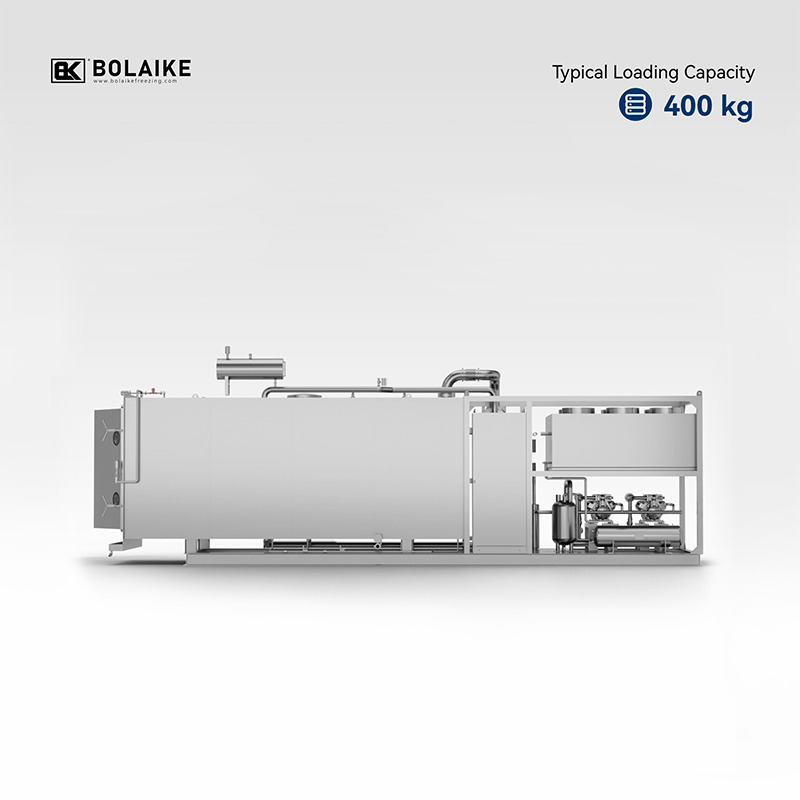
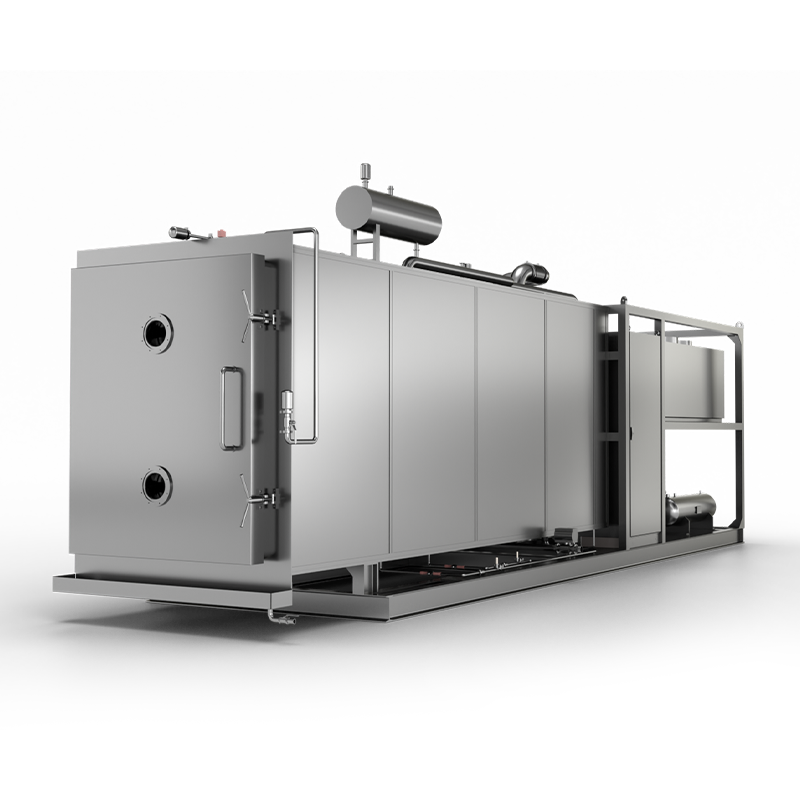
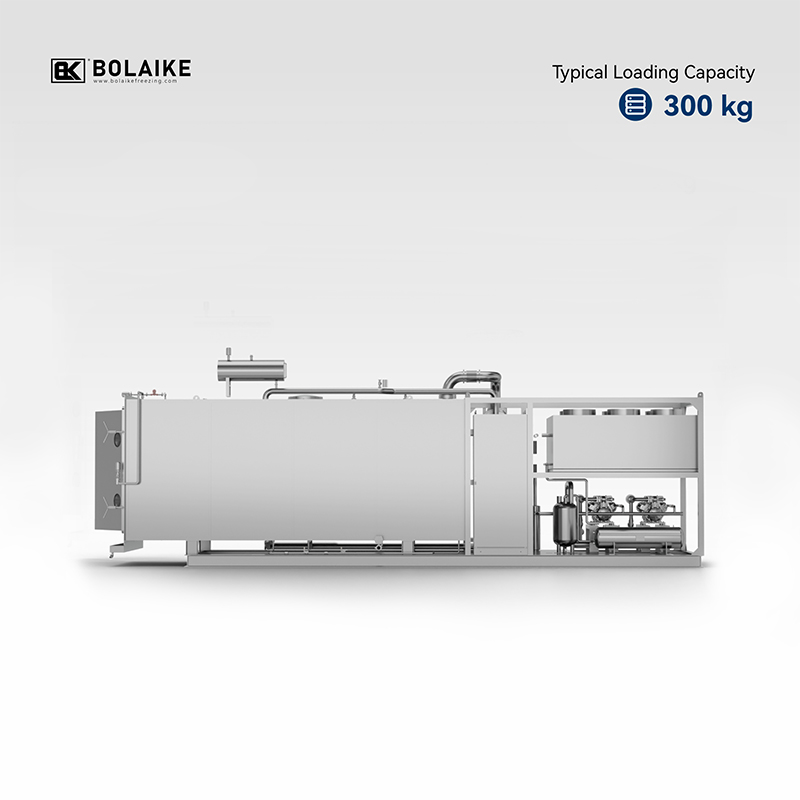
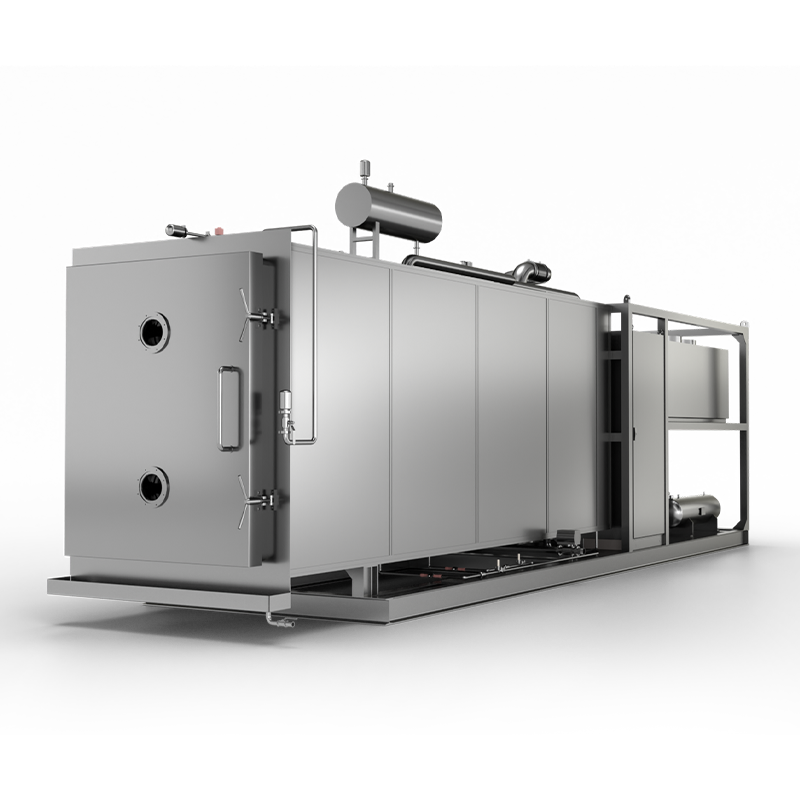
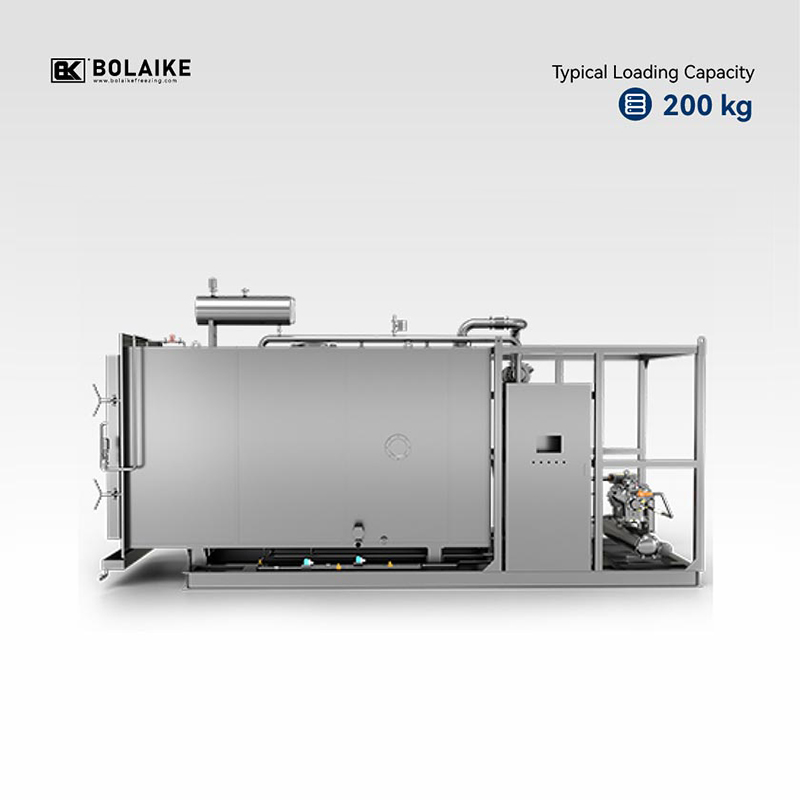
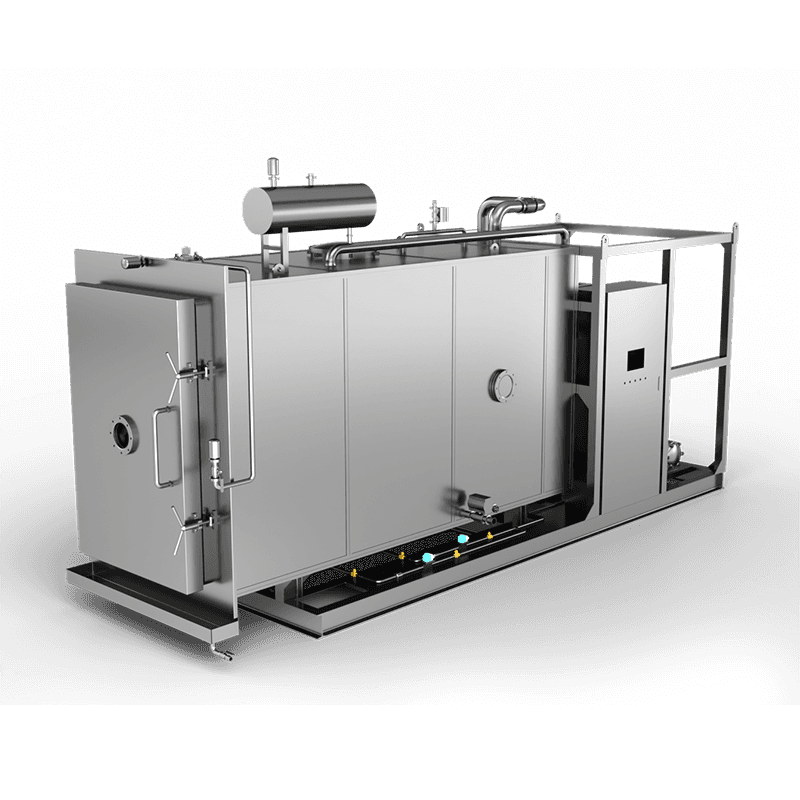
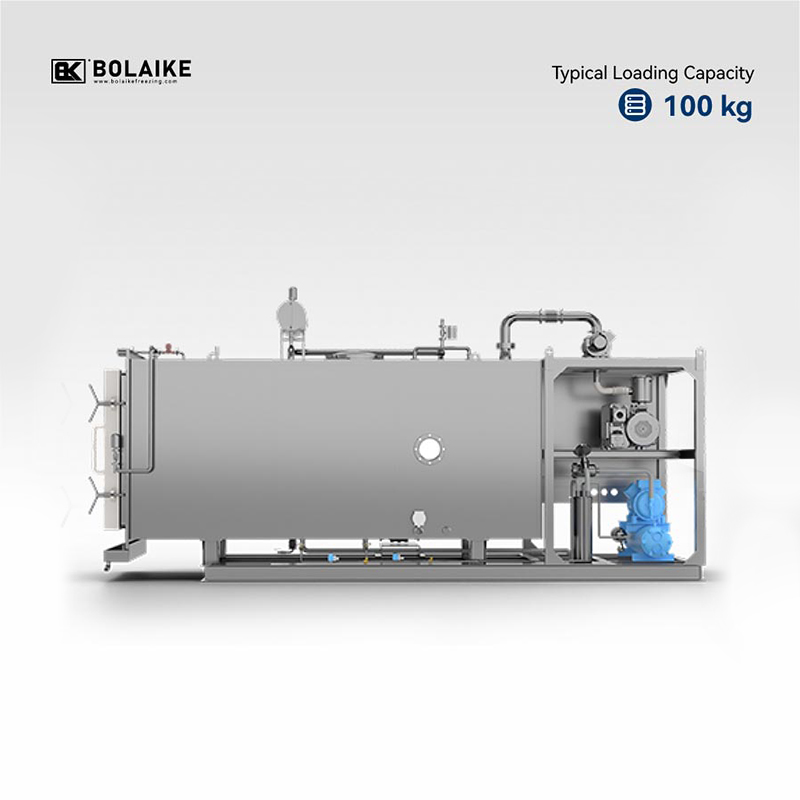
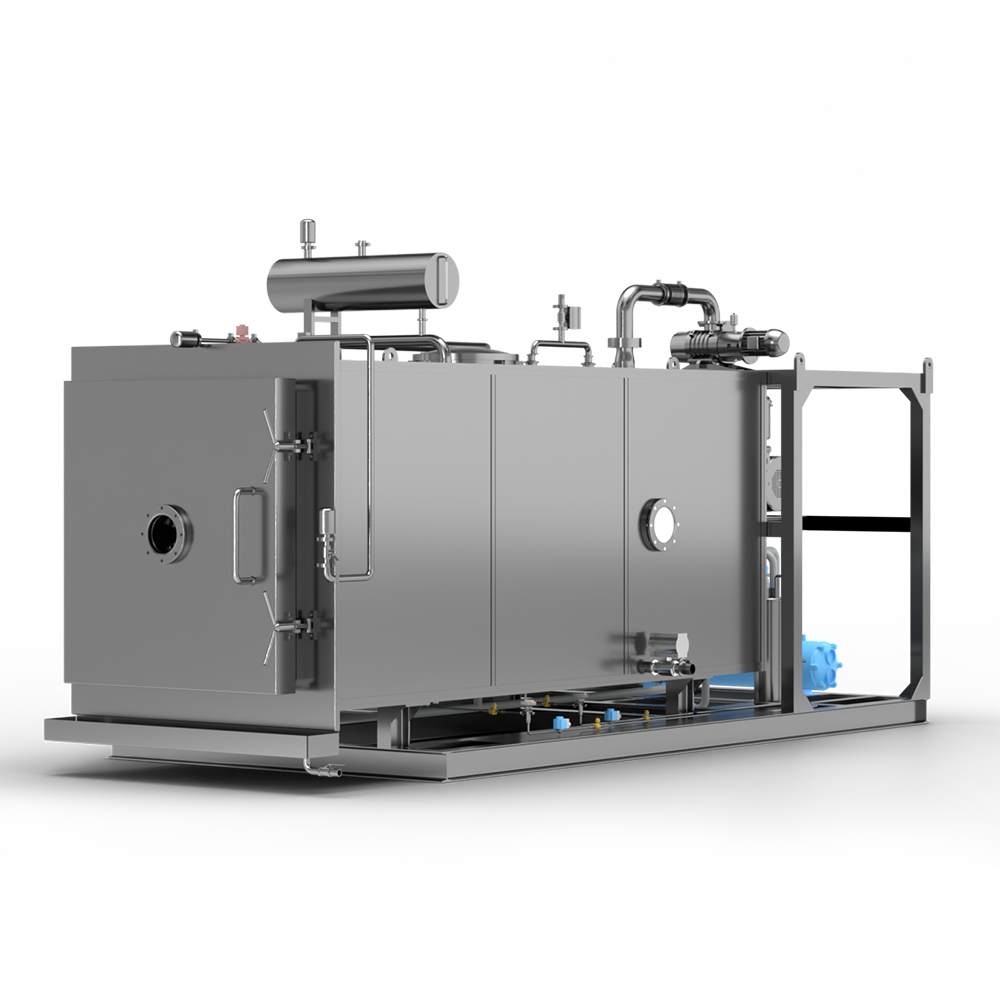







Lab-Scale Upscaled vs. True Industrial Medium-Sized Freeze Drying Equipment: What's the Real Cost?
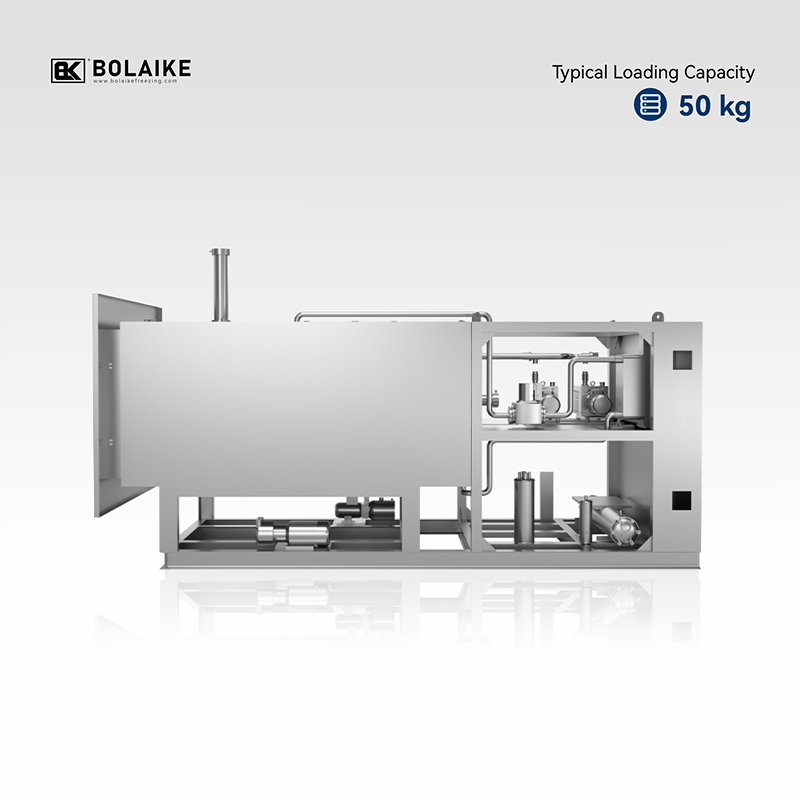
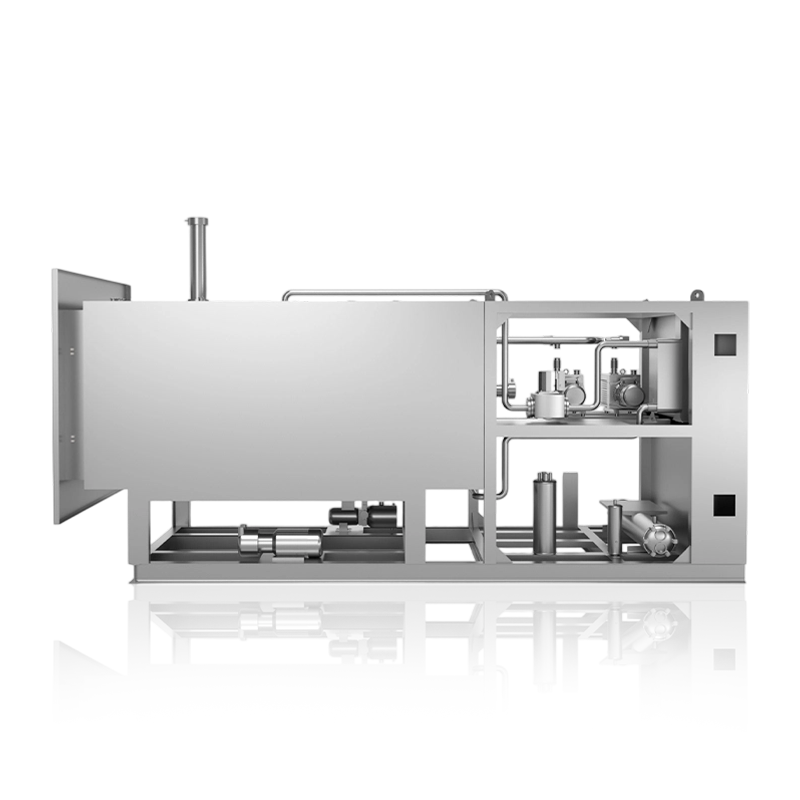
When manufacturing operations expand from product development phases to mid-tier commercial output, selecting the correct thermal processing platform becomes a primary financial and operational decision. Growing companies frequently face a choice between deploying an upscaled laboratory unit or investing in true industrial medium-sized freeze drying equipment. While an upscaled laboratory model can appear attractive due to lower initial capital requirements, it is often fundamentally limited by light-duty structural components. True medium-sized industrial units are engineered from the ground up to endure continuous mechanical loads, presenting an alternative utility and maintenance profile that changes the true cost of ownership over a multi-year manufacturing lifecycle.
Structural Divergence in Chamber and Condenser Engineering
The core differences between modified laboratory models and dedicated mid-scale industrial systems lie in their mechanical architecture and material thickness. Lab-scale units scaled for higher volumes often utilize cylindrical chambers with acrylic viewing ports or thin-walled stainless steel sheets to minimize material costs. Under the deep vacuum pressures required for continuous sublimation, these configurations experience higher structural deflection, which can stress vacuum seals and lead to micro-leaks over time. True industrial medium-sized machinery utilizes heavy-gauge, structural-grade stainless steel with reinforced rectangular chamber walls capable of balancing heavy weight loads on the interior shelves. Furthermore, the low-temperature vapor condensers in industrial designs are separated from the product chamber by automated isolation valves, allowing for independent defrosting cycles that preserve refrigeration efficiency during sequential batch runs.
Microclimate Regulation and Shelf Thermal Uniformity
Achieving uniform sublimation across hundreds of individual vials or product trays requires stable, precise thermal delivery to the shelf surfaces. Upscaled lab equipment often relies on direct electrical resistance heating elements embedded inside the shelves, which can create localized hot spots and uneven moisture removal, especially when dealing with dense liquid extracts or chemical materials. Industrial medium-sized freeze drying equipment utilizes a fluid-circulating heat transfer loop driven by a dedicated pump matrix, ensuring that the temperature variance across all shelf surfaces remains within a fraction of a degree. This precise regulation protects sensitive bioproducts and health supplements from structural collapse or heat degradation, maintaining the physiological integrity of the entire batch regardless of tray placement.
Operational and Financial Profile Analysis
The upfront pricing of a true industrial system reflects its rugged construction, but evaluating the operational expenses reveals a different long-term baseline for processing facilities.
| Evaluation Parameters | Upscaled Lab-Scale Units | True Industrial Medium-Sized Systems | Long-Term Operational Impact |
| Continuous Running Capacity | Intermittent (8-16 hours typical) | 24/7 Continuous Batch Cycling | Industrial models increase annual output volume |
| Shelf Heating Mechanism | Direct Electric Resistance | Circulating Silicon Oil Loop | Fluid loops protect sensitive biological materials |
| Average Energy Consumption | Baseline Utility Rates | 20% to 30% Utility Reduction | Saves substantial utility expenses annually |
| Vacuum Pump Duty Cycle | High wear due to lack of isolation | Calibrated low-load configuration | Reduces unexpected facility maintenance stops |
Utility Management and Lifecycle Energy Profiles
Over a multi-year timeline, electricity and cooling water costs represent the largest variable expenditure for processing facilities. Modified laboratory systems often lack the advanced refrigeration controls needed to scale down power usage as the sublimation rate slows during secondary drying phases. In contrast, modern industrial platforms incorporate smart automation that scales down compressor output to match the diminishing thermal load. Companies dedicated to advancing drying efficiency, such as Jiangsu Bolaike Freezing Technology Development Co., Ltd., design their medium-sized systems to minimize electrical waste during these long dehydration cycles. By engineering systems that achieve a 20% to 30% reduction in power consumption, the accumulated utility savings over a few years often match the price difference between consumer-grade and true industrial machinery.
Maintenance Tolerances and Processing Reliability
Downtime in a processing plant can result in degraded raw materials and missed delivery deadlines, particularly when processing seasonal fruits, vegetables, or fresh medicinal herbs. Upscaled lab units utilize light-duty compressors and vacuum pumps that face accelerated wear when subjected to continuous industrial humidity and chemical vapors. True medium-sized industrial units utilize heavy-duty, zero-clearance vacuum valves and robust screw compressors designed for tens of thousands of operating hours before requiring a rebuild. Incorporating components engineered for high-tech industrial environments ensures that whether the system is drying stable solid foodstuffs or volatile chemical materials, the internal mechanical assemblies resist premature failure under rigorous processing schedules.
Strategic Sourcing within Mid-Scale Production Facilities
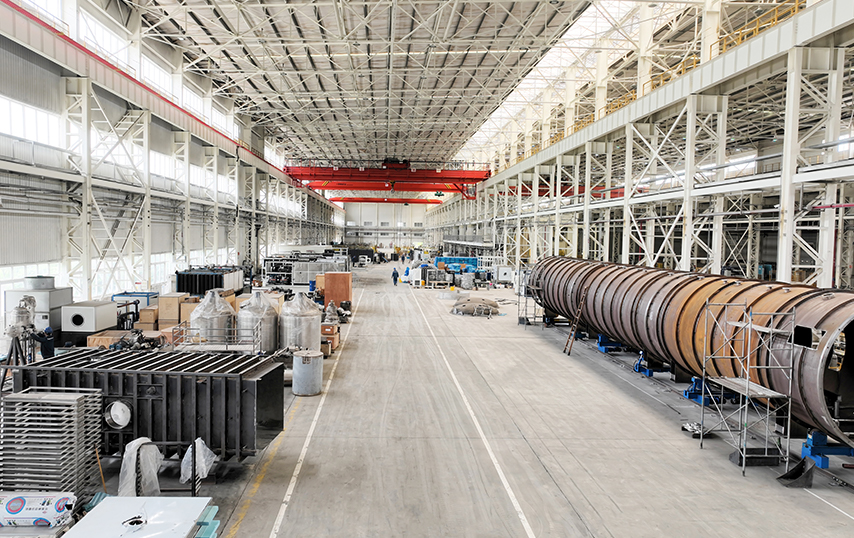
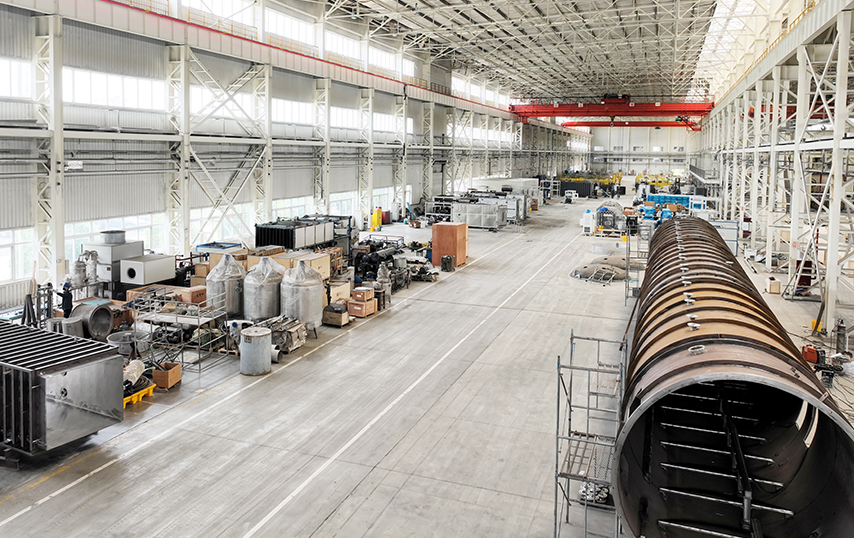
Selecting a manufacturing platform requires a detailed review of the equipment builder’s core focus and engineering history. Sourcing from an entity that specializes exclusively in laboratory equipment may leave a company with a machine that cannot handle the physical stress of a manufacturing plant floor. Partnering with a national high-tech enterprise like Jiangsu Bolaike Freezing Technology Development Co., Ltd., which commands broad expertise across refrigeration equipment and industrial cold storage solutions, guarantees access to machinery designed for industrial durability. This mechanical background ensures that the medium-sized infrastructure remains a reliable operational asset, providing stable production yields and predictable maintenance costs throughout its commercial lifespan.
FAQ
Q: What parameters dictate whether a processing facility should opt for a medium-sized freeze drying equipment model over a series of smaller pilot units during production scaling?A: Sourcing a single mid-scale industrial unit rather than operating multiple small pilot systems lowers the cumulative structural surface area, which decreases total radiant heat loss and simplifies vacuum boundary management. Mid-scale units consolidate production into a single chamber, allowing operators to run unified thermal profiles across larger batch volumes. This reduction in system complexity cuts down on redundant maintenance points, balances overall utility connections, and ensures consistent quality tracking for expanding operations.
Q: How do energy-saving configurations in mid-scale lyophilization units maintain shelf temperature uniformity when processing volatile chemical materials?A: Energy-saving systems maintain stability by replacing direct on-off electrical heating with a continuously circulating silicone oil loop modulated by modulating mixing valves. Chemical materials often undergo phase changes at unpredictable thermal thresholds, which can disrupt standard heating cycles. By continually circulating fluid and utilizing smart software to adjust heating and cooling inputs, the system prevents localized temperature spikes, protecting sensitive compounds while reducing utility waste by up to 30%.
Q: Why is the separation of the product chamber and the vapor condenser a critical engineering feature for medium-sized systems handling seasonal medicinal herbs?A: Separating the drying chamber from the vapor condenser via a heavy-duty isolation valve allows operators to perform rapid, independent hot-gas defrosting cycles without warming up the product shelves. During high-volume harvesting seasons for medicinal herbs or health supplements, processing facilities must run sequential batches with minimal downtime. This design allows ice accumulation to be cleared from the condenser coils quickly, restoring full vapor-catching capacity for the next batch without exposing the processing environment to ambient heat.
Q: What adjustments prevent internal moisture bypass and vacuum drop when transitioning a mid-scale system from solid fruit slices to high-density liquid bioproducts?A: Liquids carry high solute concentrations that require lower eutectic freezing thresholds and generate a finer, more rapid vapor release during the initial sublimation phase. To prevent this surge of vapor from overwhelming the vacuum pump or bypassing the condenser coils, technicians adjust the automated throttling valves to slow down the initial evacuation speed. This calibration balances the vapor flow rate with the freezing capacity of the condenser, maintaining a stable vacuum level and preventing the product from boiling or collapsing.
Q: How do integrated cold storage engineering systems interact with mid-scale freeze dryers to prevent raw material degradation prior to the vacuum pull-down phase?A: A coordinated cold storage setup ensures that delicate materials, such as fruits, vegetables, or biological solutions, are pre-frozen and held at precise, sub-zero holding temperatures before loading. Modern systems designed by high-tech manufacturers like Jiangsu Bolaike Freezing Technology Development Co., Ltd. synchronize the storage environment with the freeze dryer's internal shelf cooling controls. This quick transition prevents raw materials from experiencing localized thawing during staging, ensuring that ice crystal matrices remain completely frozen before the vacuum pumps initiate sublimation.