English
 русский
 Español
 Français
 Deutsch
 عربى
عربى



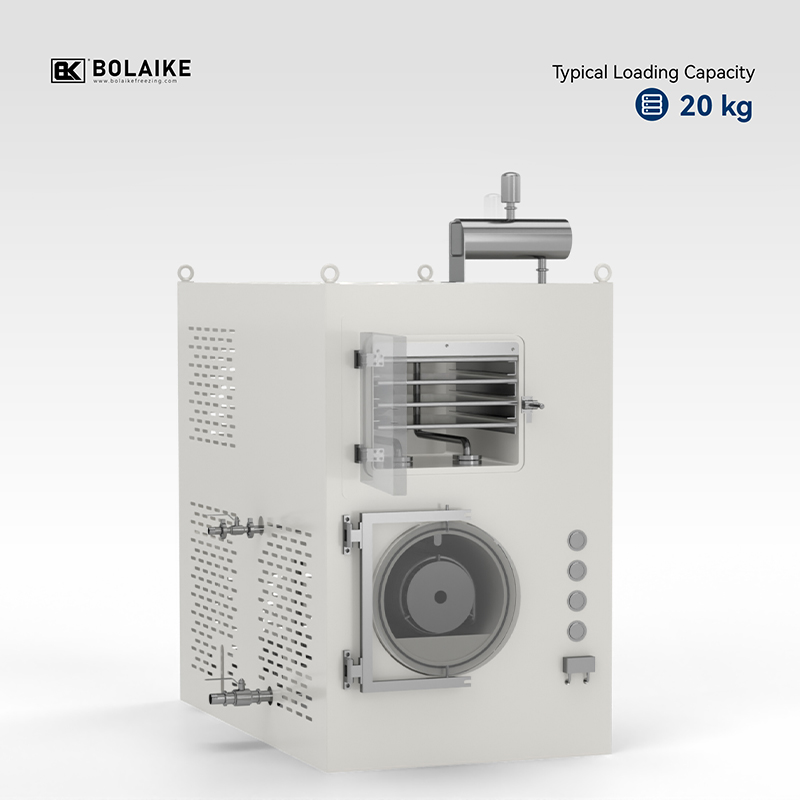
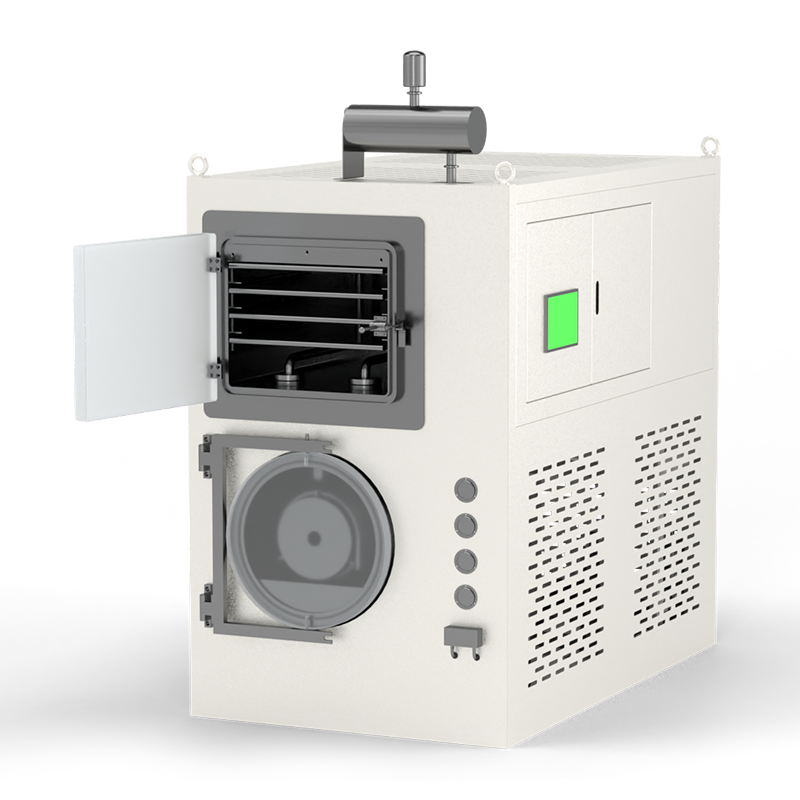
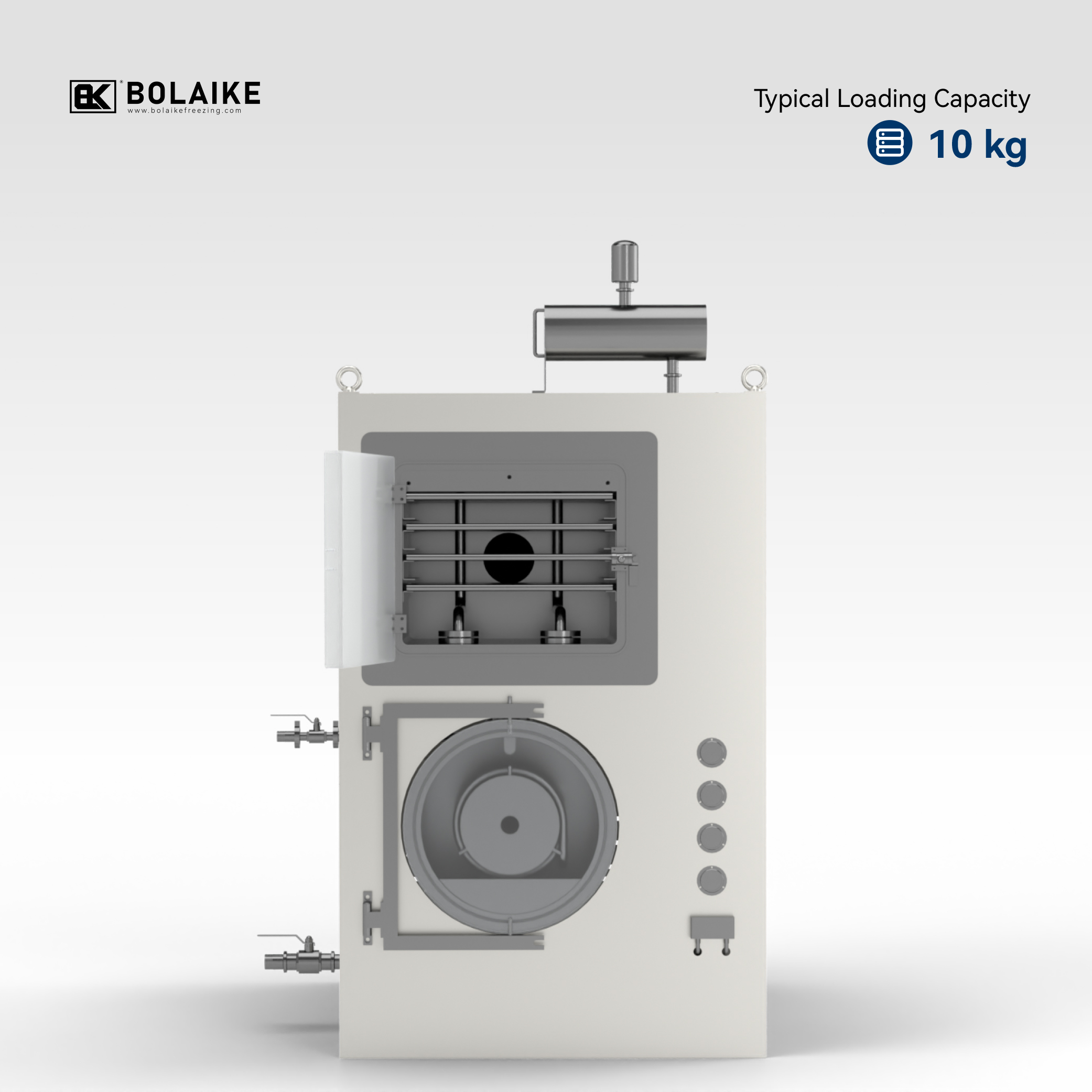
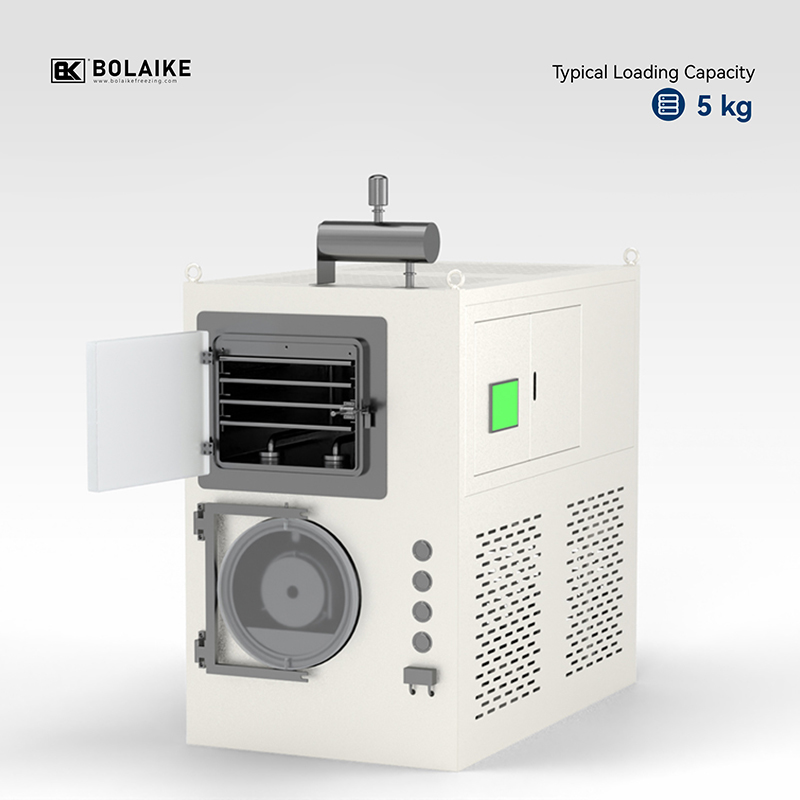







Benchtop Manifold vs. Pilot Experimental Freeze Dryer: Sourcing the Right Lab-scale Lyophilizer for R&D
Research and development laboratories across the biotechnology, food science, and pharmaceutical industries rely on freeze-drying to stabilize delicate biological compounds, preserve active chemical structures, and develop new consumer goods. When setting up an R&D workspace or upgrading pilot testing facilities, choosing an appropriate experimental freeze dryer establishes the baseline for data accuracy and process scalability. The decision usually comes down to selecting a compact benchtop manifold system or a structured pilot-scale experimental freeze dryer. Sourcing teams must evaluate how each system configuration handles vapor transport, shelf temperature regulation, and recipe programming to ensure that early-stage laboratory data can eventually transition into predictable commercial production outcomes.
The Mechanical Architecture of Benchtop Manifold Lyophilizers
Benchtop manifold freeze dryers represent a common entry point for basic laboratory dehydration tasks, engineered primarily for high-moisture samples contained in flasks or ampoules. In a manifold arrangement, the product is pre-frozen externally in a separate ultra-low temperature freezer before being attached to external rubber valves on a central vapor header. A vacuum pump evacuates the air from the manifold system, pulling moisture directly from the unheated flasks toward an exposed condenser coil. Because the product containers are exposed to ambient room temperature, the sublimation process relies on ambient heat transfer through the glass walls of the flask. While this setup works for non-critical applications like bulk soil drying or simple botanical processing, the lack of direct thermal control over the sample makes it difficult to maintain precise structural stability or duplicate exact freeze-drying parameters across sequential test runs.
Process Control Dynamics of Pilot Experimental Systems
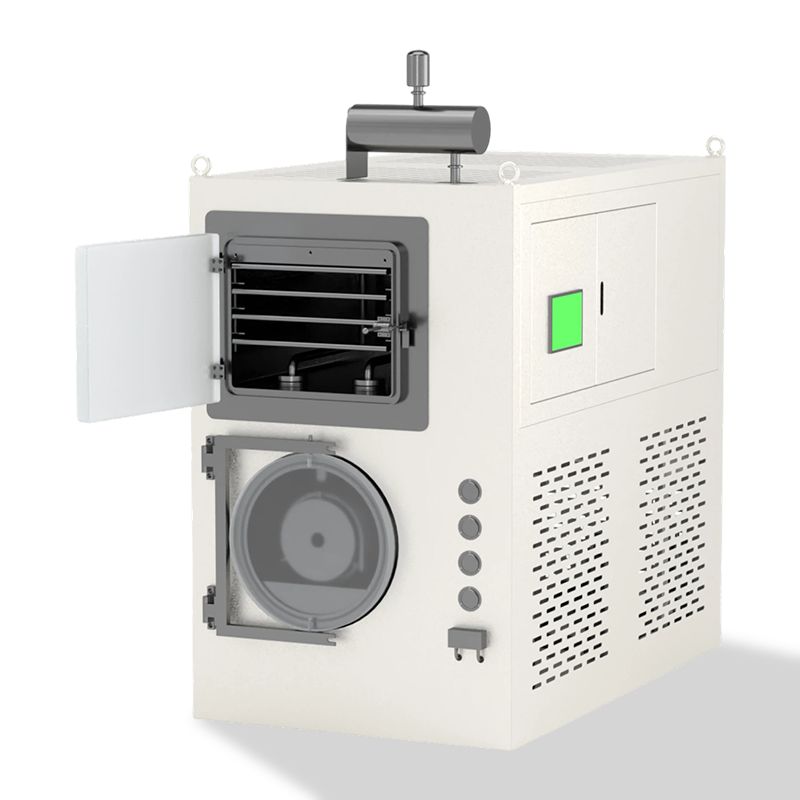
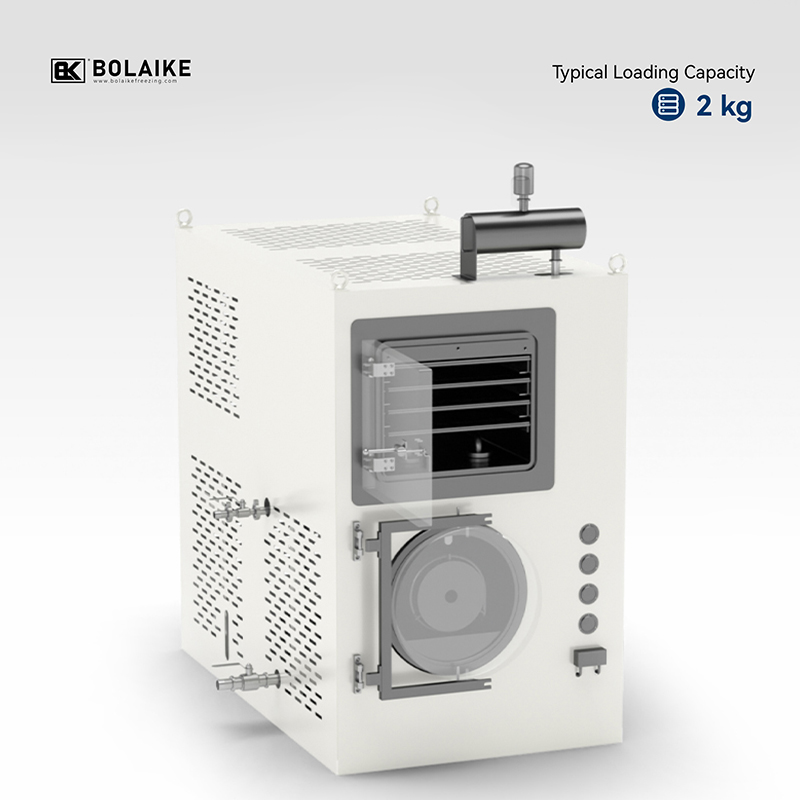
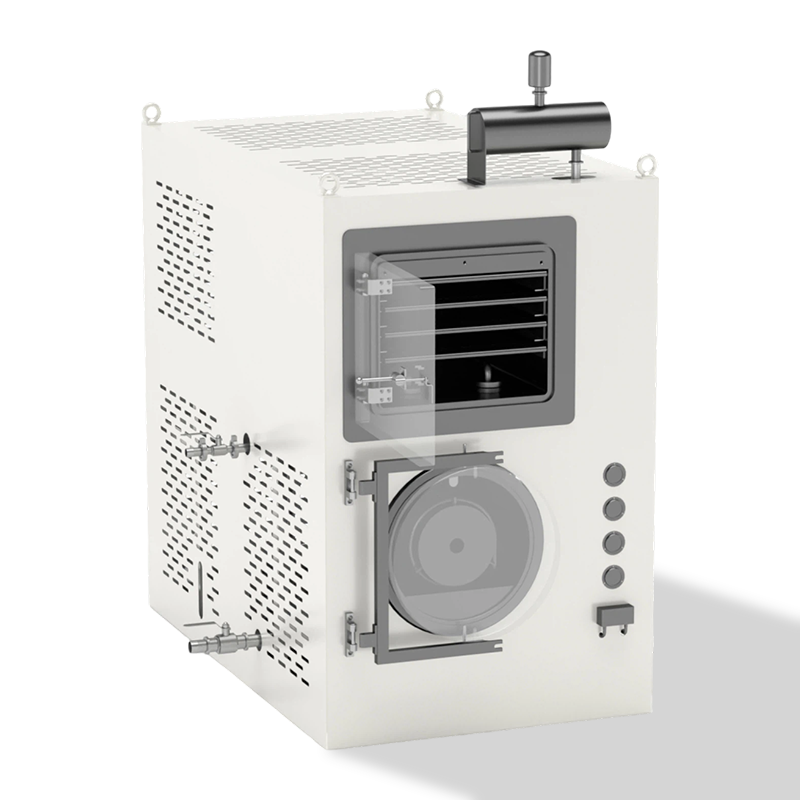
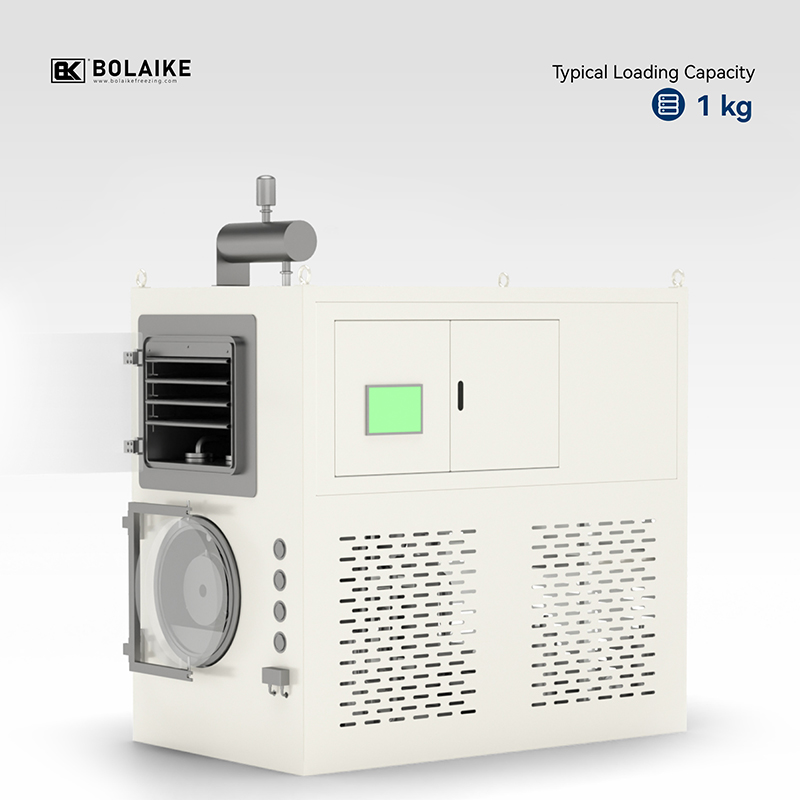
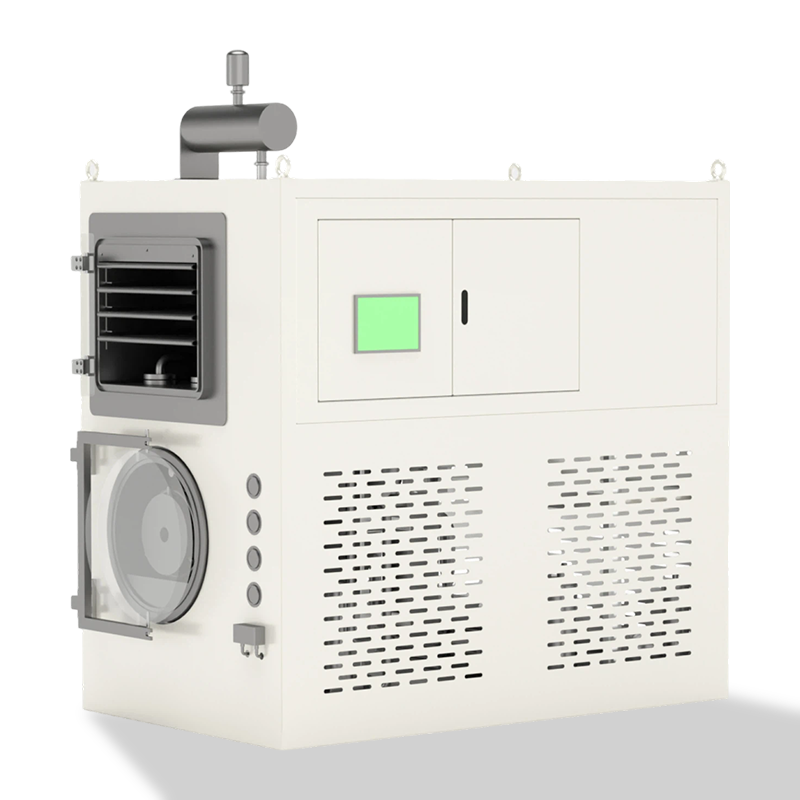
Pilot-scale experimental freeze dryers utilize an enclosed, chamber-based architecture where the freezing, primary drying, and secondary drying phases take place entirely on temperature-regulated shelves. Rather than relying on room temperature, these systems circulate silicone oil or secondary heat-transfer fluids through internal channels inside the shelves, allowing technicians to program specific heating and cooling curves. This chamber-enclosed approach protects the samples from ambient humidity and atmospheric fluctuations, ensuring that delicate health supplements, bioproducts, or chemical materials undergo sublimation under uniform thermal exposure. For companies looking to establish scalable manufacturing protocols, the precise control software integrated into pilot machinery allows for the mapping of critical product temperatures, such as the collapse temperature, which prevents batch melting and structural loss.
Comparative Analysis of Lab-scale Equipment Specifications
The matrix below outlines the primary functional differences between manifold configurations and pilot-scale experimental systems, highlighting how mechanical features alter research capabilities.
| Operational Parameter | Benchtop Manifold System | Pilot Experimental Chamber System | R&D Processing Impact |
| Sample Processing Environment | External flasks exposed to room air | Sealed internal chamber shelves | Chambers insulate samples from room variance |
| Freezing Methodology | Requires separate laboratory freezer | Integrated on-shelf pre-freezing | On-shelf cooling controls ice crystal growth |
| Thermal Regulation Method | Ambient ambient temperature radiation | Circulating fluid loop thermal pathways | Fluid lines deliver uniform heat distribution |
| Data Logging and Interfacing | Basic vacuum and condenser readouts | Multi-sensor recipe programming profiles | Detailed data enables precise process scaling |
Scalability and Recipe Development for Industrial Scaling
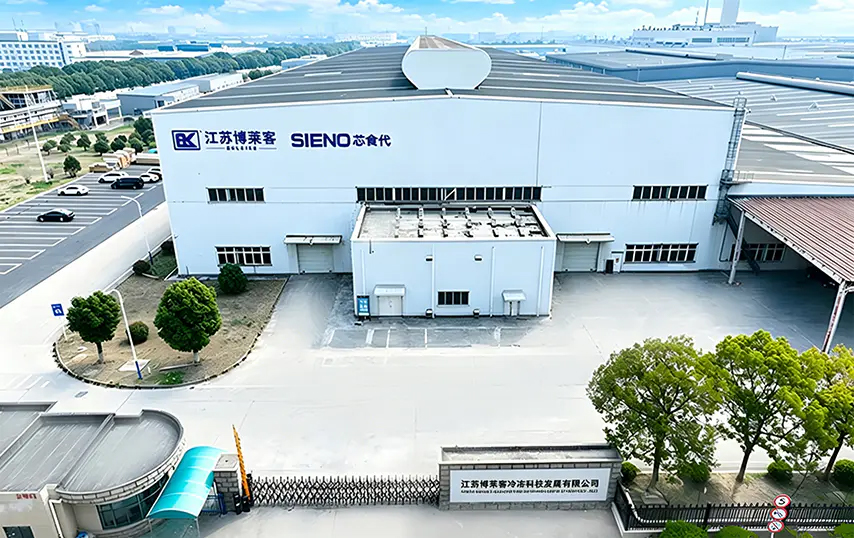
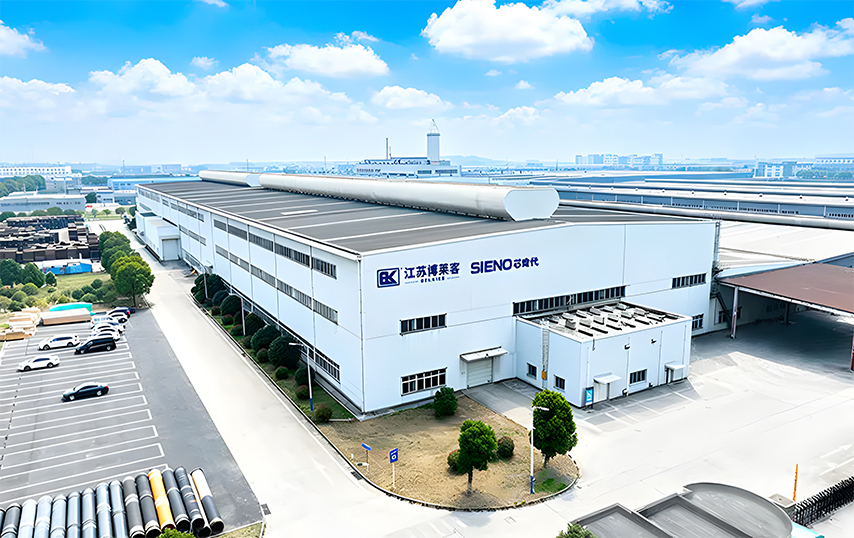
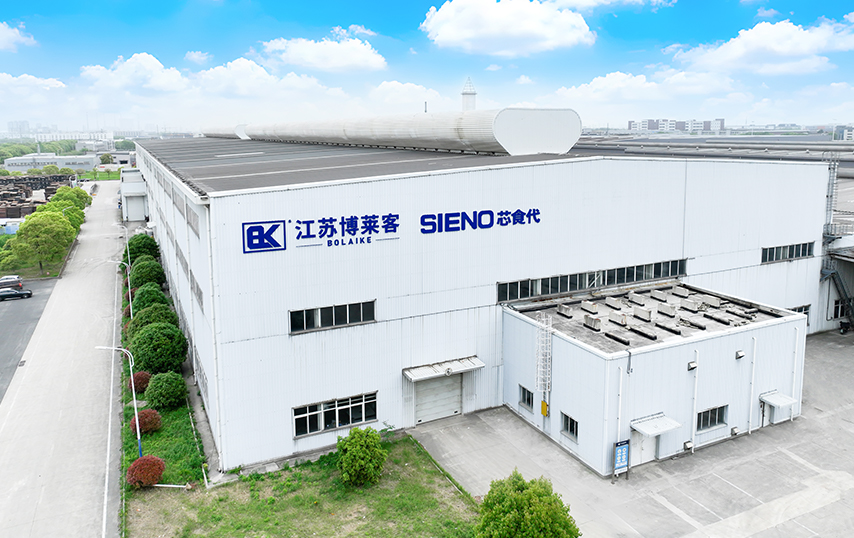
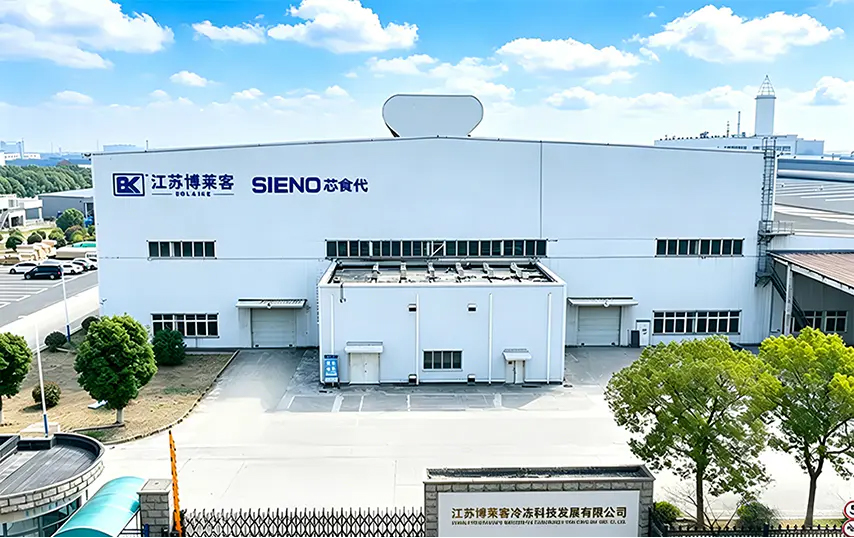
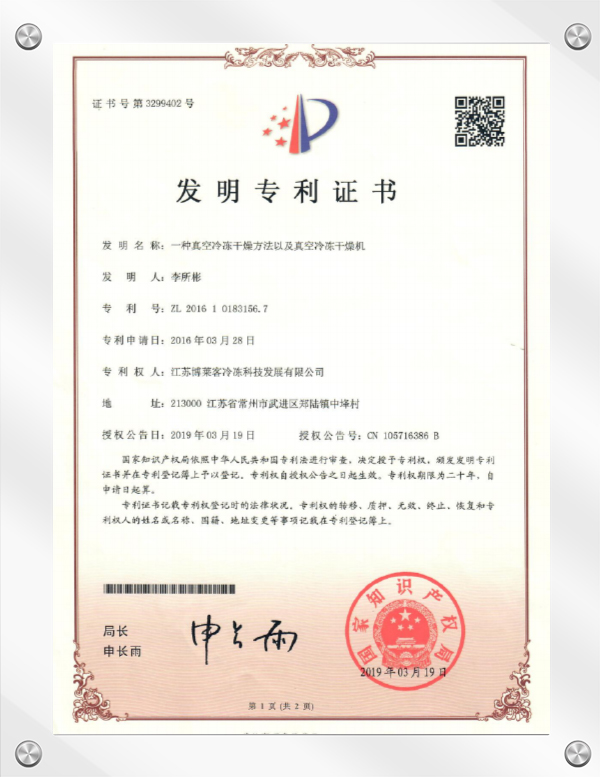
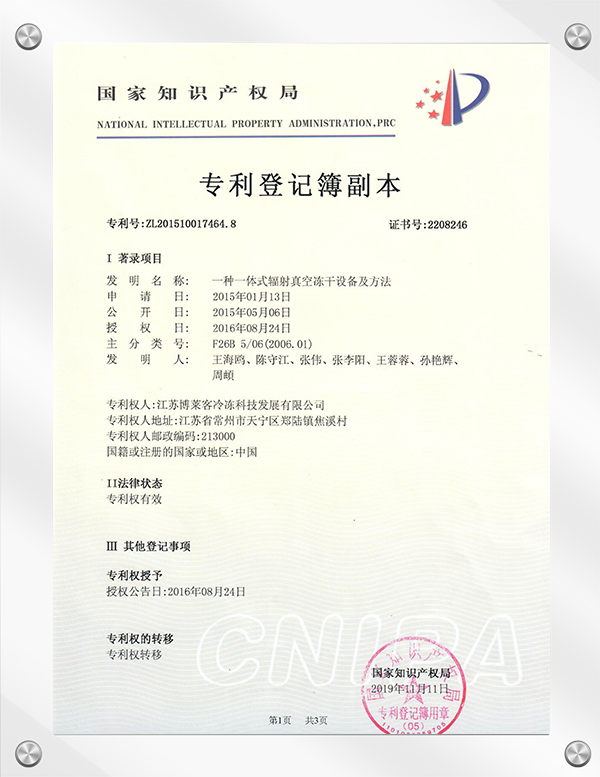
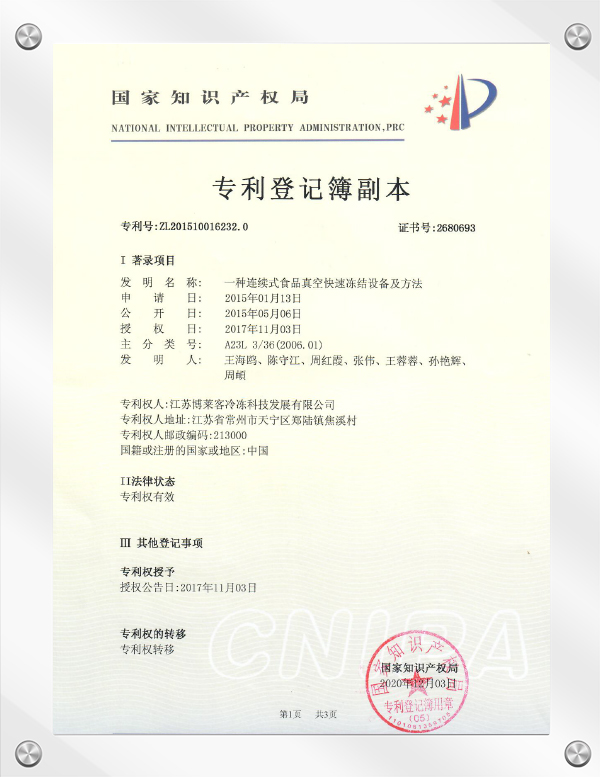
The primary limitation of a manifold freeze dryer in an R&D environment is its inability to generate transferable processing data. Because manifold sublimation rates depend on variable room currents and unregulated heat transfer, a recipe developed on a benchtop unit cannot be scaled up to bulk production lines. A pilot experimental freeze dryer solves this scalability barrier by mirroring the mechanical proportions, vapor flow configurations, and shelf-to-condenser ratios of full-scale production plants. High-tech equipment developers, such as Jiangsu Bolaike Freezing Technology Development Co., Ltd., focus on designing pilot systems with identical sensor placements and condenser performance parameters as their larger industrial units. This engineering alignment means that drying curves, vacuum setpoints, and secondary drying durations established in the lab can be directly uploaded to large-scale freeze dryers, reducing the time and material waste typically associated with factory scale-up trials.
Energy Efficiency Profiles in Mid-tier Laboratory Equipment
Utility consumption remains an important factor even within laboratory and pilot environments, as prolonged drying cycles spanning several days can strain facility power grids. Standard laboratory freeze dryers frequently run small, high-rpm compressors at peak capacity throughout the entire cycle, resulting in high heat output and substantial electricity bills. Modern pilot-scale units incorporate energy-saving configurations, such as variable-capacity refrigeration setups and smart vacuum throttling valves, which reduce power draw during the secondary drying stage when vapor volumes decrease. Manufacturers with extensive experience in industrial refrigeration, including Jiangsu Bolaike Freezing Technology Development Co., Ltd., apply their energy optimization protocols to smaller experimental lines, achieving energy consumption reductions of 20% to 30%. This efficiency profile lowers long-term operational costs and reduces the heat load injected into the laboratory HVAC infrastructure.
Sourcing Decisions Based on Material State and Processing Goals
Choosing between these two equipment categories ultimately depends on the physical nature of the materials being processed and the long-term goals of the facility. If a laboratory focuses purely on testing stable solid foodstuffs, fruits and vegetables, or raw medicinal herbs where subtle changes in physical texture are secondary to simple moisture removal, a high-capacity manifold system may suffice. However, if the R&D pipeline involves liquid biologicals, complex health supplements, or high-purity chemical materials that require precise stopping mechanisms under vacuum to seal vials securely, a true pilot experimental chamber system becomes a necessity. Partnering with an enterprise that commands broad knowledge across both cold storage engineering and vacuum drying systems guarantees that the laboratory selects a platform engineered for durability, data accuracy, and reliable repeatable performance over years of operation.
FAQ
Q: What mechanical features differentiate a pilot experimental freeze dryer from a standard benchtop unit when tracking the collapse temperature of sensitive bioproducts?A: A pilot experimental freeze dryer utilizes an enclosed chamber with circulating fluid-heated shelves and integrated product thermocouples, allowing researchers to precisely monitor and control the material's temperature. Standard benchtop manifold units expose samples to ambient room temperature with no direct shelf regulation, making it difficult to maintain the sample below its critical collapse threshold during the primary sublimation phase and leading to structural melting or uneven drying data.
Q: How do the energy-saving systems designed for industrial freeze dryers translate to smaller experimental freeze dryer models during long recipe optimization cycles?A: The advanced refrigeration controls developed by high-tech enterprises like Jiangsu Bolaike Freezing Technology Development Co., Ltd. are applied directly to smaller pilot ranges, achieving a 20% to 30% reduction in utility consumption. These experimental systems incorporate variable-capacity compressors and smart vacuum throttling valves that automatically scale down power draw during the secondary drying phase when vapor volume is minimal, reducing laboratory utility overhead and minimizing ambient heat rejection into the workspace.
Q: Why is a precise vacuum throttling mechanism essential on an experimental freeze dryer when testing new liquid chemical materials or delicate medicinal herbs?A: Liquid formulations and volatile herbal extracts often undergo rapid outgassing when atmospheric pressure drops too quickly. An experimental unit equipped with an automated vacuum throttling valve modulates the air evacuation rate, balancing the vapor flow with the condenser's cooling capacity. This precise regulation prevents the liquid from boiling over or ejecting from the trays, ensuring an accurate, repeatable simulation of a commercial manufacturing environment.
Q: What specific data logging capabilities should R&D teams prioritize in a pilot experimental system to guarantee smooth recipe scaling to large-scale freeze dryers?A: R&D teams should prioritize systems that log real-time parameters including shelf temperature curves, condenser coil thermal shifts, chamber vacuum pressure levels, and product core temperatures. Having access to synchronized data logging allows engineers to calculate exact sublimation resistance values. This critical information ensures that drying parameters verified on the pilot machine can be transferred directly to industrial machinery without risking batch failure during large-scale production transitions.
Q: How does integrating cold storage engineering solutions alongside a laboratory experimental freeze dryer protect the biochemical activity of health supplements during testing?A: Many advanced bioproducts and health supplements degrade structurally if allowed to sit at room temperature prior to the sublimation phase. Integrating specialized cold storage solutions ensures that raw test batches are pre-frozen uniformly and kept in a stable, sub-zero holding environment. This continuous cold chain prevents the ice crystal matrix from thawing during the staging process, guaranteeing that the material enters the vacuum chamber in a completely frozen state for a flawless sublimation cycle.