/author/wen-yuhan-regional-sales-representative/


News
Products & Solutions
CONTACT US

+86-18068757376

blk@jsblk.com

No. 29 North Tongjiang Road, Xinbei District, Changzhou City, Jiangsu Province, China
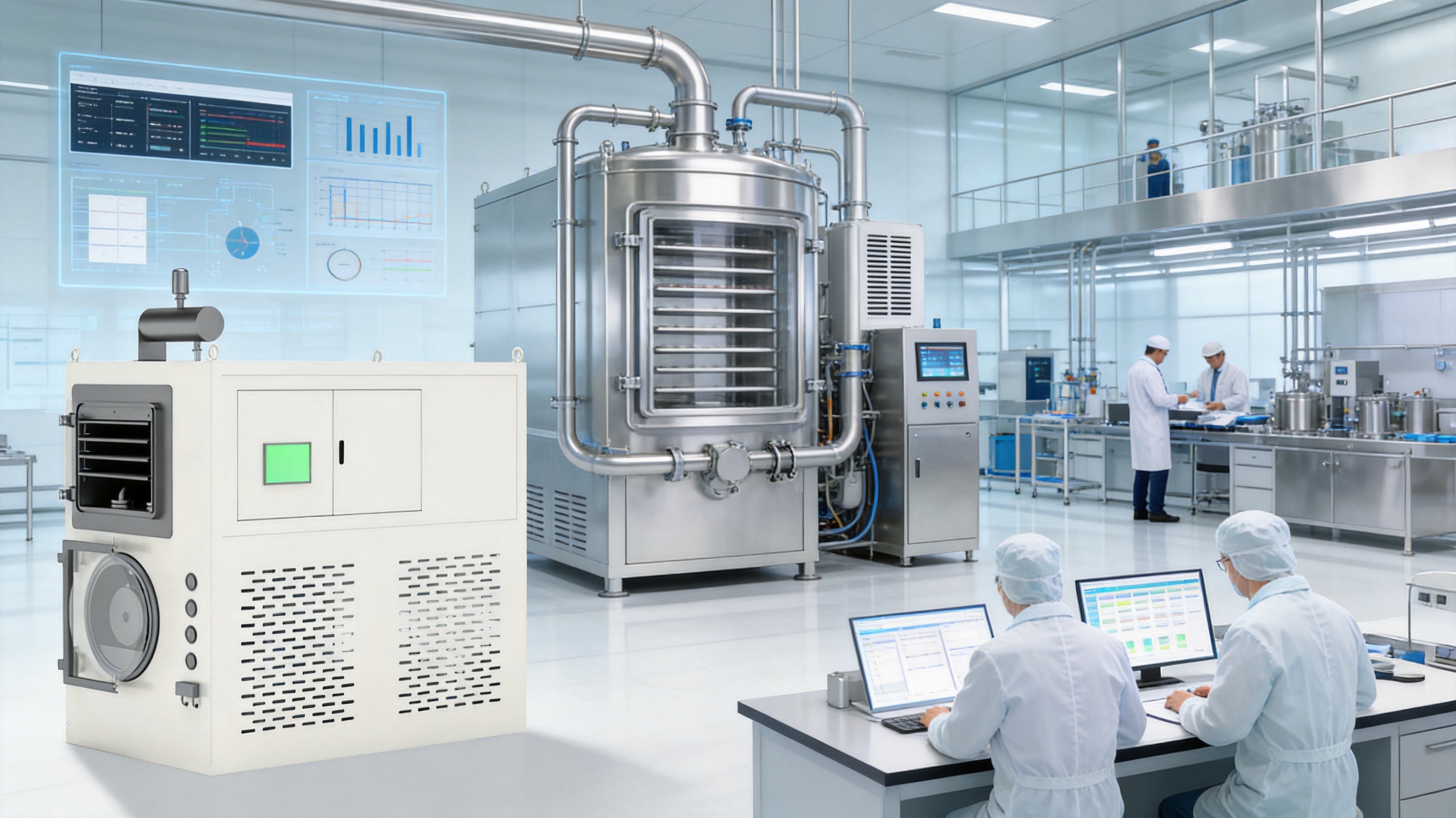
Modern pharmaceutical, biotechnology, materials science, and food research increasingly depend on accurate control of freezing and drying conditions. A laboratory freeze dryer must do more than remove water from a sample. It must protect sensitive structures, preserve biological activity, support repeatable process development, and provide reliable data for later scale-up. The BLK-FD-0.1 is designed for this demanding environment as a compact, GMP-oriented experimental freeze dryer for laboratory research, formulation screening, small-scale sample preparation, and early-stage process development.
With an effective shelf area of 0.1 m² and a typical loading capacity of 1 kg, the system provides a practical bridge between small laboratory instruments and larger pilot freeze-drying equipment. Its compact dimensions of approximately 1100 × 900 × 1400 mm allow installation in research laboratories where space is limited, while its configurable shelf temperature and refrigeration performance enable researchers to investigate challenging formulations and complex freeze-drying cycles.
The value of the BLK-FD-0.1 lies in the combination of controlled ultra-low-temperature freezing, stable vacuum drying, hygienic construction, data-oriented controls, and a manufacturing platform experienced in custom freeze-drying equipment. Rather than functioning as a basic water-removal device, it is intended to serve as a process development platform for products whose physical structure, biological activity, crystal form, or long-term stability must be carefully preserved.
Freeze drying, also known as lyophilization, is a separation process in which a product is first frozen and then dried under vacuum. Ice in the frozen product is converted directly into vapor through sublimation, avoiding the liquid phase that can cause collapse, migration, aggregation, or thermal degradation. Although the basic principle is straightforward, successful freeze drying depends on the precise interaction of product formulation, freezing rate, shelf temperature, chamber pressure, condenser capacity, drying time, and endpoint control.
In research and development, the objective is often not simply to obtain a dry sample. Researchers may need to preserve the activity of vaccines, stabilize monoclonal antibodies, protect enzymes, maintain the structure of liposomes, retain the morphology of nanoparticles, or produce a particular crystalline or amorphous state for an active pharmaceutical ingredient. Even minor changes in freezing conditions can influence ice crystal size, pore structure, resistance to mass transfer, reconstitution behavior, and final product stability.
This makes laboratory equipment especially important. A research freeze dryer must offer sufficient flexibility to test multiple formulations and cycle parameters without introducing uncontrolled variables. It should also provide construction quality and operating logic that are sufficiently close to production equipment to make later scale-up meaningful. If laboratory testing is conducted on a system with fundamentally different thermal behavior, chamber geometry, or control philosophy, the resulting scale-up risk can be significant.
The BLK-FD-0.1 addresses this challenge by combining laboratory-scale capacity with design principles associated with pharmaceutical and bioprocessing equipment. Product-contact surfaces use 316 stainless steel, hygienic connection methods are available, sealing materials are selected to meet FDA requirements, and the control system incorporates audit trail functionality. These features support both experimental flexibility and disciplined process documentation.
The BLK-FD-0.1 is an entry-level experimental freeze dryer intended for pharmaceutical research, biotechnology development, university laboratories, research institutes, and small-scale sample preparation. Its nominal tray area is 0.1 m², with a typical loading capacity of 1 kg. This capacity is appropriate for formulation screening, comparative experiments, small batches of biological materials, and early process development where researchers need representative samples without operating a large production machine.
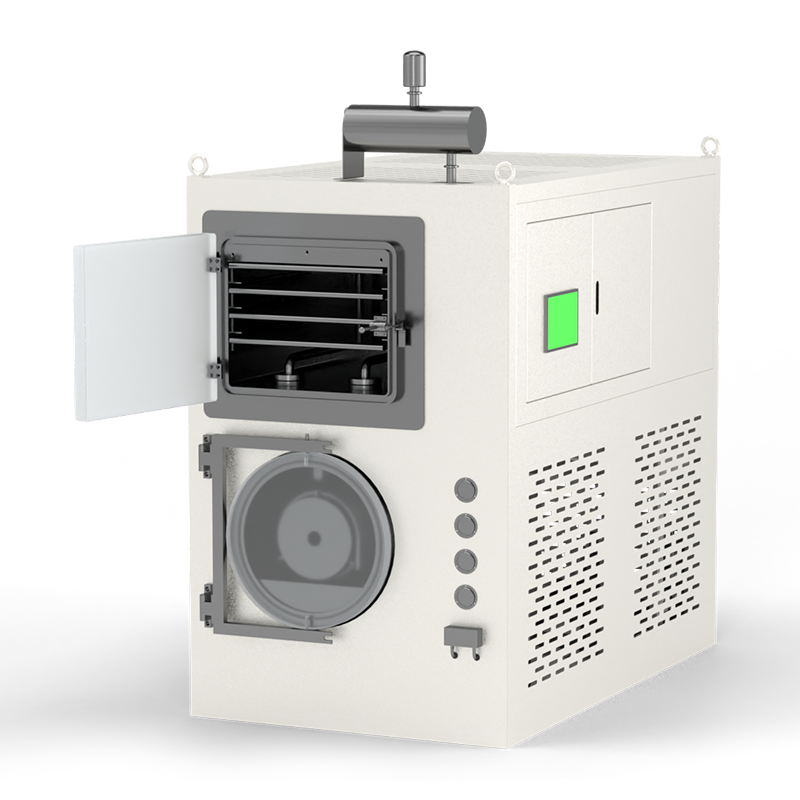
The unit has a square integrated structure with overall dimensions of approximately 1100 × 900 × 1400 mm. This footprint allows it to be positioned in laboratory or pilot development areas without requiring the substantial floor space associated with larger industrial systems. Its compact architecture can also simplify laboratory workflow, particularly when multiple analytical instruments, biosafety cabinets, incubators, or preparation systems are located nearby.
The shelf temperature range is designed for a broad range of experimental conditions. The product description identifies a working range from approximately -40°C to +80°C, while the broader model specification indicates a configurable range of approximately -55°C to +80°C. The actual range depends on the selected configuration and operating requirements. This flexibility enables researchers to investigate freezing, primary drying, secondary drying, annealing, and controlled temperature-ramp stages within a single platform.
The refrigeration panel or cold trap can reach ultra-low temperatures. The product description identifies options around -45°C or -80°C, while the model comparison table specifies a minimum refrigeration panel temperature of approximately -70°C for the model family. These figures reflect different configuration options and should be confirmed during technical selection. The key benefit is that the system can provide a low-temperature ice-capturing surface capable of supporting stable vacuum operation during demanding processes.
| Parameter | BLK-FD-0.1 Specification |
|---|---|
| Product type | Experimental freeze dryer |
| Typical application | Laboratory R&D and small-scale sample preparation |
| Overall dimensions | Approximately 1100 × 900 × 1400 mm |
| Tray or effective shelf area | 0.1 m² |
| Typical loading capacity | 1 kg |
| Shelf temperature range | Approximately -55°C to +80°C, configuration dependent |
| Refrigeration panel temperature | Up to approximately -70°C or other selected configuration |
| Ultimate vacuum | Less than 10 Pa in an empty chamber |
| Heating method | Silicone oil electric heating |
| Installed power | Approximately 4.0 kW |
| Product-contact material | 316 stainless steel |
| Surface roughness | Ra ≤ 0.4 µm on specified product-contact surfaces |
| Control features | Central control and audit trail functionality |
Technical values can vary according to configuration, local electrical standards, optional components, and process requirements. A detailed technical confirmation should be completed before ordering, particularly when the equipment will be used for regulated development, special solvents, toxic compounds, radioactive preparations, or other products requiring dedicated containment and safety measures.
One of the most important advantages of a laboratory freeze dryer is its ability to control the initial freezing step. Freezing determines the size, distribution, and geometry of ice crystals within the product. These crystals later define the pore channels through which water vapor escapes during primary drying. Larger or nonuniform ice crystals can create uneven drying, structural collapse, extended cycle times, or poor reconstitution. Smaller and more uniformly distributed ice crystals can help produce a more consistent dried matrix when the formulation and process are properly designed.
The BLK-FD-0.1 is designed to support ultra-low-temperature freezing that forms minute, relatively uniform ice crystals. This characteristic is especially relevant to complex systems such as liposomes, nanoparticles, microspheres, and cell carriers. These systems may be sensitive to concentration gradients, interfacial stress, aggregation, or changes in membrane and particle structure. A carefully controlled freezing process can reduce the risk that the drying cycle will compromise the intended physical architecture.
Freezing behavior is also critical for active pharmaceutical ingredients that require a specific crystal form or an amorphous state. Different freezing rates and thermal histories can affect nucleation, phase separation, solute concentration, and glass transition behavior. The broad shelf temperature range gives researchers a practical basis for comparing freezing profiles and developing a cycle suited to the specific product.
It is important to recognize that ultra-low-temperature capability does not automatically guarantee a successful process. Formulation composition, fill depth, vial geometry, loading pattern, nucleation behavior, and vacuum conditions remain essential. The advantage of the BLK-FD-0.1 is that it provides the thermal and vacuum range needed to investigate these variables with greater control than a basic laboratory dryer.
For biological products, the benefits can extend beyond physical appearance. Vaccines, enzymes, hormones, antibodies, and gene therapy materials may lose activity if exposed to excessive thermal stress or unfavorable freezing conditions. A controlled low-temperature platform allows researchers to evaluate protective excipients, freezing profiles, annealing steps, and secondary drying temperatures while monitoring product performance through appropriate analytical methods.
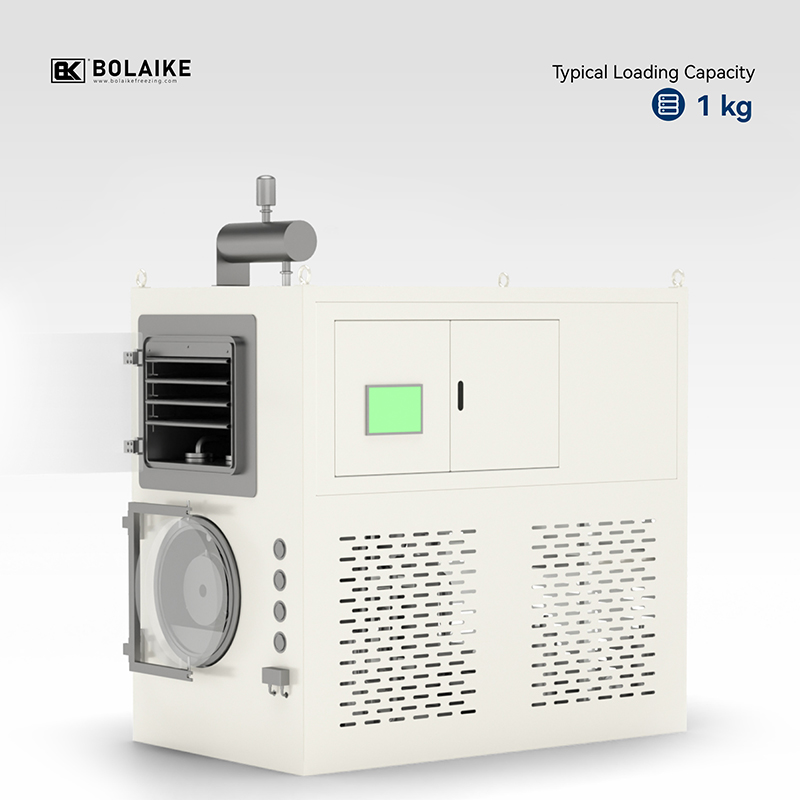
BLK-FD-0.1
Equipment construction is a major differentiator between a general-purpose laboratory dryer and a system intended for pharmaceutical or bioprocess development. Product-contact areas must be designed to minimize contamination risk, facilitate cleaning, prevent the accumulation of residue, and provide a stable surface that will not adversely affect the formulation.
The BLK-FD-0.1 uses 316 stainless steel for product-contact surfaces. This material is widely used in pharmaceutical and food-processing equipment because of its corrosion resistance, mechanical strength, and compatibility with hygienic design requirements. The specified surface roughness of Ra ≤ 0.4 µm provides a smooth finish that reduces the likelihood of product retention and supports cleaning procedures.
Hygienic design also depends on the geometry of connections. Threaded joints, dead legs, sharp internal transitions, and inaccessible cavities can complicate cleaning and create locations where residues or microorganisms may remain. The equipment information identifies hygienic-grade connection methods, including quick-release clamp connections, to avoid difficult-to-clean structures where possible.
Sealing materials are another important consideration. The specified silicone sealing materials meet FDA requirements, supporting their use in applications where material compatibility and regulatory expectations must be considered. Seal selection should nevertheless be reviewed against the actual product, cleaning agents, temperature range, vacuum conditions, and any special solvent exposure.
These design characteristics give the BLK-FD-0.1 an advantage over low-cost laboratory freeze dryers built primarily for convenience or basic sample preservation. Such systems may be appropriate for noncritical applications, but they may not provide the surface finish, hygienic connection design, or documentation-oriented construction needed for pharmaceutical process development.
A GMP-oriented design does not mean that every use of the machine is automatically GMP compliant. Compliance depends on the complete facility, operating procedures, calibration program, cleaning validation, data management, maintenance, training, and quality system. However, starting with equipment designed according to GMP principles can substantially reduce the modifications and qualification challenges that may otherwise arise as a project advances toward pilot or commercial production.
Primary drying places considerable demands on the refrigeration system and condenser. As ice sublimates, large quantities of water vapor must be captured before they reach the vacuum pump. If vapor is not effectively trapped, chamber pressure may rise, drying may become unstable, and the product may be exposed to an unfavorable thermal environment.
The BLK-FD-0.1 uses a refrigeration panel designed to capture sublimated water at low temperature. The equipment information emphasizes a large-capacity water-trapping refrigeration panel matched to the system cooling capacity. This arrangement supports stable vacuum conditions during ultra-low-temperature and higher-load processes and helps reduce the risk of fractionation or uncontrolled vapor movement.
An empty-chamber ultimate vacuum below 10 Pa provides a useful reference for the vacuum capability of the system. Actual process pressure depends on product load, vapor generation, condenser temperature, pump performance, chamber sealing, valve operation, and the selected cycle. Researchers should therefore interpret the empty-chamber value as an equipment benchmark rather than a guaranteed pressure during every production or experimental condition.
Stable vacuum is valuable for more than shortening the drying cycle. It contributes to repeatability. If pressure fluctuates significantly between batches, the same shelf temperature program may produce different product temperatures and drying rates. This can make it difficult to identify whether a formulation change or an equipment variation caused the observed result. A well-matched refrigeration and vacuum system helps reduce these unwanted variables.
The equipment design also supports the development of processes involving complex or high-moisture samples. When the vapor load is substantial, the condenser must continue operating effectively without excessive temperature increase. The BLK-FD-0.1 is intended to provide a controlled platform for such work within its rated loading capacity.
Temperature control is central to freeze-drying cycle development. During primary drying, the product must receive enough energy to sustain sublimation, but its temperature must remain below critical formulation limits such as collapse temperature or glass transition-related thresholds. During secondary drying, a higher temperature may be used to reduce bound moisture, provided the product remains stable.
The BLK-FD-0.1 uses silicone oil electric heating for shelf temperature control. A circulating heat-transfer medium can support relatively uniform heat distribution across the shelf area and allow controlled temperature changes during programmed cycles. This is particularly useful when comparing multiple formulations under consistent thermal conditions.
Researchers can use the shelf temperature range to investigate different process strategies, including slow freezing, controlled cooling, annealing, conservative primary drying, and elevated secondary drying. The ability to program temperature transitions helps create a more structured development process than manually adjusting a simple laboratory freezer and vacuum chamber.
Uniform shelf heating is also important for scale-up. Laboratory results are more useful when the thermal environment is controlled and documented. Although the heat-transfer characteristics of a 0.1 m² system will not be identical to those of a production unit, the use of defined shelf temperature programs and monitored process parameters can make laboratory data more informative for later engineering analysis.
Data integrity is increasingly important in pharmaceutical and biotechnology research. Experimental conclusions depend on reliable records of temperature, vacuum, cycle stages, alarms, user actions, and process outcomes. If these records are incomplete or can be changed without traceability, it becomes more difficult to demonstrate that a process was executed as intended.
The BLK-FD-0.1 incorporates an audit trail function into its control system. This feature is intended to support the recording and traceability of relevant operational events. Depending on the configured system and user permissions, an audit trail may help record changes to recipes, operating actions, alarms, and other events associated with a batch or experiment.
Audit trail capability gives the BLK-FD-0.1 an advantage over basic research dryers that only display temperature and pressure values without retaining a meaningful history. It can support more disciplined laboratory practices and help researchers compare experiments with greater confidence.
Data integrity also depends on proper implementation. Laboratories should establish user-access controls, backup procedures, time synchronization, electronic record policies, review practices, and validation protocols appropriate to their regulatory environment. The presence of an audit trail is an important foundation, but it should be integrated into the organization’s broader quality and data governance system.
The central control system can manage the operational status of connected equipment and support centralized monitoring. Remote monitoring through a mobile application is also available as an identified control-system function. These capabilities can improve convenience and allow operators to respond more quickly to alarms or process deviations, subject to the laboratory’s cybersecurity, access-control, and network policies.
The BLK-FD-0.1 can support formulation and process development for vaccines, monoclonal antibodies, enzymes, hormones, gene therapy products, and other protein-based or biologically derived materials. These products can be sensitive to temperature, drying stress, interfacial effects, and residual moisture. Small-scale freeze drying allows researchers to screen excipients, compare container formats, evaluate cycle parameters, and assess reconstitution behavior.
For protein products, the development process may include the evaluation of stabilizers, bulking agents, buffers, surfactants, and cryoprotective or lyoprotective materials. The freeze dryer provides the controlled environment required to compare different formulations under repeatable freezing and drying conditions. Product-specific assays remain essential for measuring potency, aggregation, particle formation, moisture, and structural integrity.
Freeze-drying research is often required for injectable preparations, lipid-based systems, nanoparticles, microspheres, antibiotics, toxic drugs, and other specialized products. The hygienic construction of the BLK-FD-0.1 supports development work where product-contact cleanliness and material compatibility are important considerations.
For aseptic processes, the freeze dryer must be integrated with appropriate cleanroom practices, sterilization procedures, loading methods, container-closure systems, and environmental monitoring. The machine itself is an important part of the process, but it does not replace aseptic controls. Researchers should select chamber configuration, shelf arrangement, and loading accessories based on the intended product and facility requirements.
Long-term preservation of stem cells, bacterial strains, viral vectors, tissue engineering materials, bone, skin, and other biological samples may benefit from controlled freeze drying. The objective may be to reduce biological degradation, simplify storage, lower transportation requirements, or improve handling during later use.
Each biological material has different survival requirements. Freezing rate, protective medium, final moisture content, residual oxygen, reconstitution medium, and storage temperature can all influence performance. The BLK-FD-0.1 provides a platform for systematically investigating these variables in relatively small batches.
Nanoparticles, liposomes, nanofibers, porous materials, and other advanced systems may change their morphology during drying. Capillary forces, aggregation, phase transitions, and solute concentration can affect particle size and redispersibility. Controlled ice formation and carefully managed primary drying can help researchers evaluate how different process conditions influence final material properties.
The machine can also support research into materials that require a defined crystal structure or amorphous morphology. This may include pharmaceutical ingredients, specialty chemicals, catalysts, and functional materials. The ability to control thermal history is particularly valuable when structure and performance are closely linked.
Although the BLK-FD-0.1 is strongly suited to pharmaceutical and biochemical R&D, its controlled drying environment can also be useful for small-scale work involving functional foods, health supplements, extracts, herbs, and high-value ingredients. Researchers can compare quality, aroma retention, color, texture, solubility, and nutrient stability across different freeze-drying cycles.
For food and nutraceutical research, product-contact cleanliness remains important, especially when samples contain sugars, proteins, oils, or botanical extracts that may leave residues. Smooth stainless-steel surfaces and accessible hygienic connections can simplify cleaning and reduce cross-contamination risk between experiments.
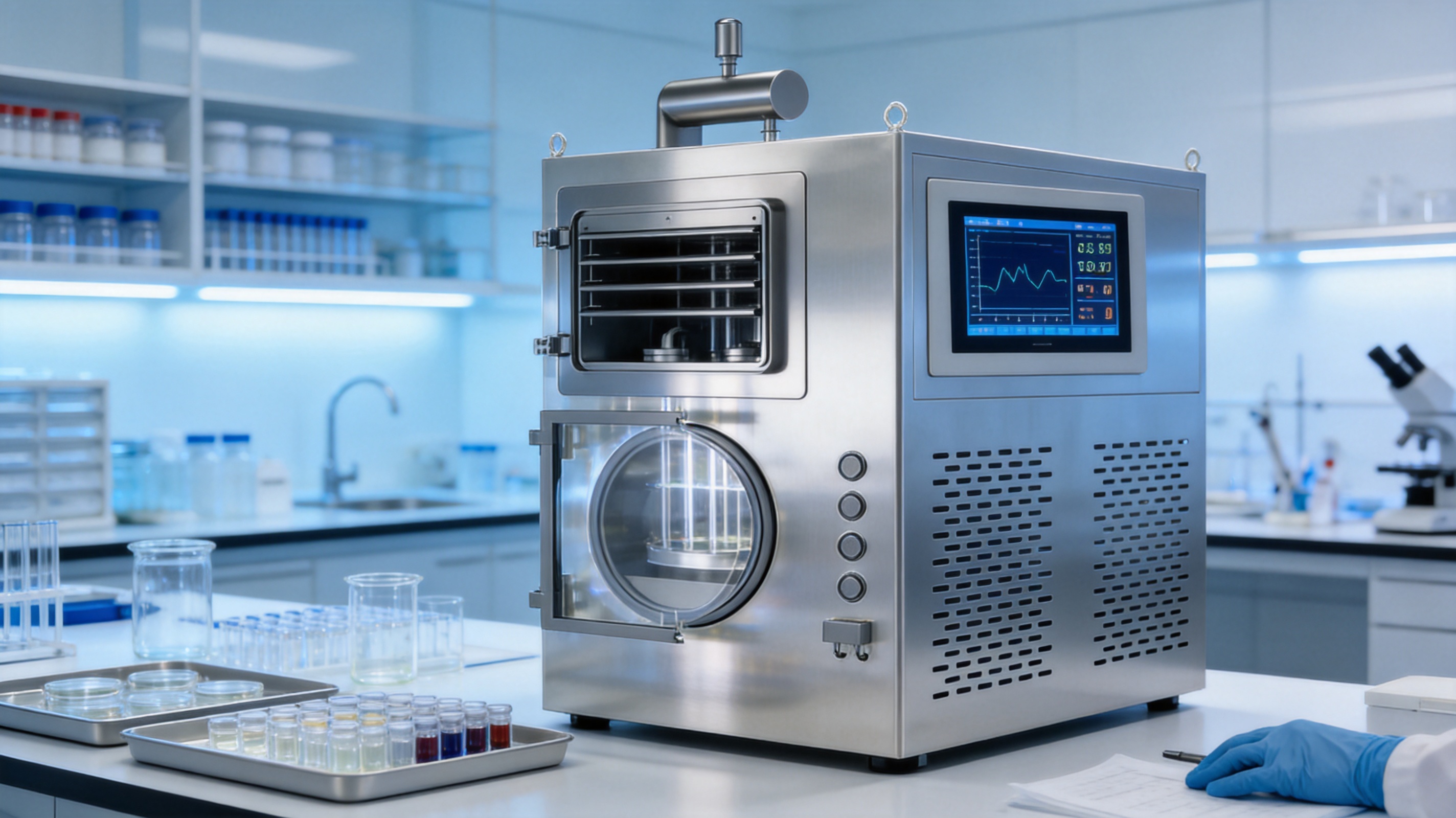
The competitive value of the BLK-FD-0.1 comes from the balance between laboratory scale and industrially oriented engineering. Many small freeze dryers are designed primarily for convenience, educational demonstration, or routine preservation of relatively stable samples. They may have limited control over freezing, modest vacuum stability, basic condensers, or minimal data recording. Such systems can be useful, but they may not be suitable for advanced pharmaceutical process development.
The BLK-FD-0.1 offers several advantages over this type of conventional equipment:
More meaningful process development: A wider shelf temperature range and ultra-low-temperature freezing capability allow researchers to explore more sophisticated cycles.
Improved support for sensitive products: Controlled ice formation can help protect liposomes, nanoparticles, cell carriers, protein drugs, and other structurally complex materials.
Hygienic product-contact design: 316 stainless steel, smooth surfaces, hygienic connections, and FDA-compliant silicone seals are better aligned with pharmaceutical and bioprocessing expectations.
More stable vapor management: A low-temperature, high-capacity refrigeration panel supports water capture and vacuum stability during demanding drying cycles.
Stronger data traceability: Audit trail functionality can provide a more reliable record of recipe changes, user activity, alarms, and process events.
Closer alignment with scale-up: The GMP-oriented design philosophy helps reduce the gap between laboratory experimentation and future pilot or production equipment.
Compact installation: The 0.1 m² platform provides meaningful experimental capacity without the space requirements of larger systems.
Compared with large industrial freeze dryers, the BLK-FD-0.1 offers lower throughput and a smaller working area, but this is an intentional feature for R&D. Researchers can perform formulation screening and cycle development with less material, lower utility demand, and reduced operating cost. The 1 kg typical loading capacity is sufficient for many experiments while avoiding the waste and scheduling complexity associated with running a production-scale machine for small quantities.
Compared with ultra-small benchtop units, the BLK-FD-0.1 provides a more substantial platform for scale-up-oriented research. Its construction, control philosophy, and configurable temperature performance are more suitable for organizations that expect laboratory work to lead toward compliant pilot production or commercial manufacturing.
The BLK-FD-0.1 belongs to a broader family of laboratory freeze dryers designed to match different R&D requirements. The related models include BLK-FD-0.2, BLK-FD-0.5, BLK-FD-1, and BLK-FD-2. Their tray areas range from 0.2 m² to 2 m², while typical loading capacities range from 2 kg to 20 kg.
| Model | Tray Area | Typical Loading Capacity | Overall Dimensions, L × W × H | Installed Power |
|---|---|---|---|---|
| BLK-FD-0.1 | 0.1 m² | 1 kg | 1100 × 900 × 1400 mm | 4.0 kW |
| BLK-FD-0.2 | 0.2 m² | 2 kg | 1100 × 900 × 1400 mm | 4.5 kW |
| BLK-FD-0.5 | 0.5 m² | 6 kg | 1200 × 900 × 1500 mm | 4.9 kW |
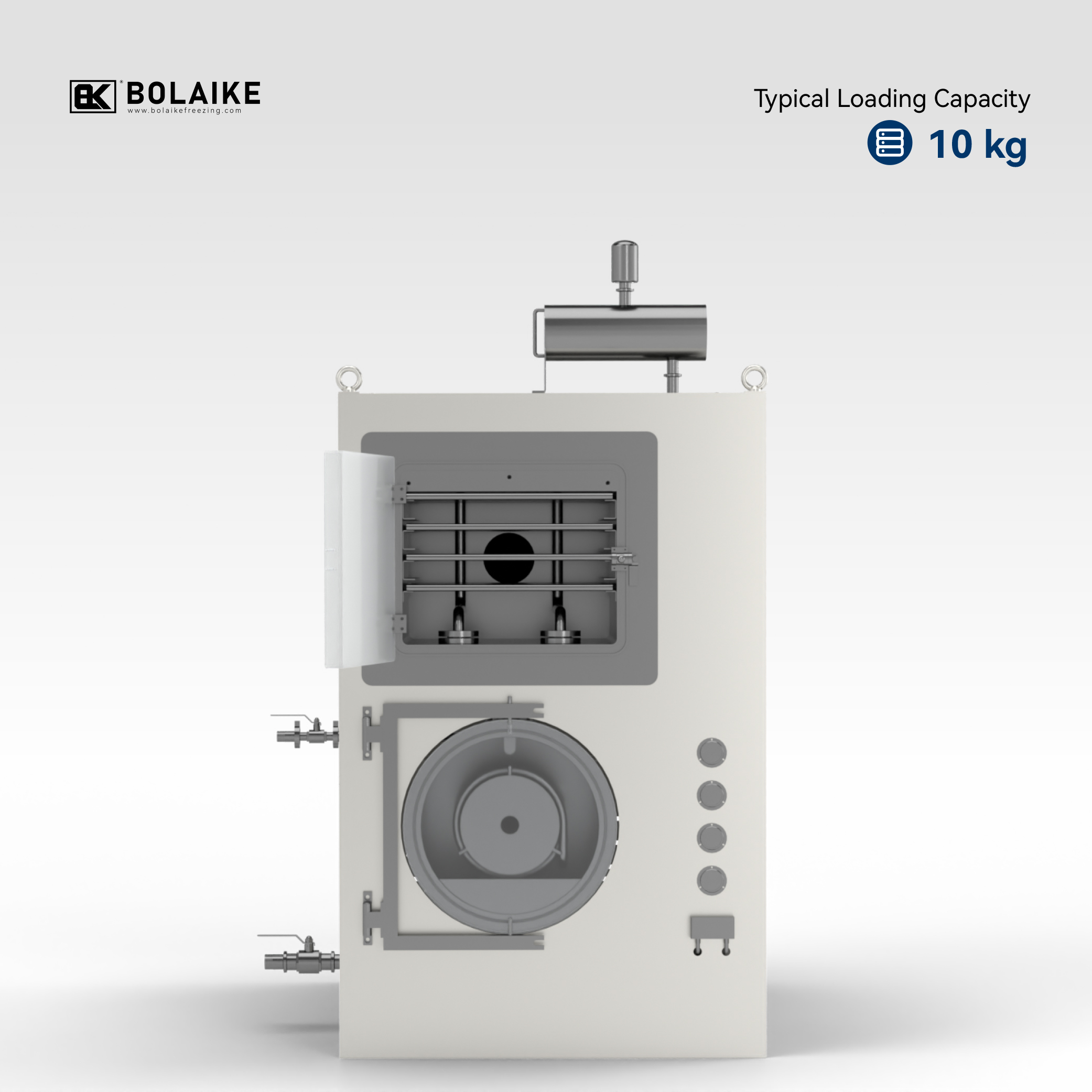
| BLK-FD-1 | 1 m² | 10 kg | 1500 × 1000 × 1700 mm | 5.9 kW |
| BLK-FD-2 | 2 m² | 20 kg | 1800 × 1000 × 2000 mm | 7.0 kW |
All models in the listed series use an integrated square form, silicone oil electric heating, an empty-chamber ultimate vacuum of less than 10 Pa, and a refrigeration panel temperature specified at approximately -70°C minimum. Exact specifications may vary according to design requirements and selected options.
This model family enables organizations to establish a consistent equipment pathway. A research group may begin with the BLK-FD-0.1 for formulation screening and then move to a larger unit as sample quantities increase. Maintaining a common equipment philosophy can simplify operator training, recipe development, documentation, and process comparison across development stages.
Operating cost is an important consideration for laboratories that conduct frequent freeze-drying experiments. Refrigeration, vacuum generation, heating, defrosting, and auxiliary systems all contribute to energy consumption. Efficient equipment can reduce the cost per batch while also lowering the environmental impact of long-term operation.
The equipment information identifies an energy-saving performance improvement of approximately 20% to 40% and a potential reduction in single-batch cycle time of approximately 15% to 25%, depending on the process and comparison conditions. Actual results depend on product formulation, loading, initial moisture, cycle design, ambient conditions, and operating practice. These figures should be verified through application-specific testing rather than treated as universal guarantees.
One design approach described for the equipment family is an integrated energy-efficient structure. Traditional systems may use separate energy systems for cold storage and freeze-drying chambers. An integrated design can allow shared refrigeration circuits to support cooling and drying functions, reducing duplicated equipment and associated losses.
The described cold-energy recovery system is intended to reuse residual cold energy from refrigeration media to pre-cool the media for the next cycle. By reducing the refrigeration load during subsequent operation, the system may lower compressor workload and improve overall energy utilization. The reported reduction in compressor load is approximately 20% to 30%, depending on the operating conditions.
For a laboratory, energy efficiency can provide benefits beyond utility savings. Lower heat rejection may improve room comfort, reduced compressor loading may support equipment longevity, and shorter cycles can increase the number of experiments completed within a given period. Faster cycle completion is particularly valuable during formulation screening or design-of-experiment studies.
The BLK-FD-0.1 is produced by Jiangsu BoLaiKe Refrigeration Science and Technology Development Co., Ltd., a Chinese manufacturer specializing in vacuum freeze-drying and refrigeration equipment. The company was established in 2014 in Changzhou, Jiangsu, and developed from Changzhou Zhongleng Refrigeration Equipment Co., Ltd., which entered the refrigeration industry in 2003.
The company’s experience covers research and development, engineering design, manufacturing, sales, installation, commissioning, and after-sales service. This integrated structure is significant for specialized equipment because freeze dryers are not simple standalone machines. Their performance depends on the relationship between refrigeration, vacuum, heating, chamber design, controls, materials, and process engineering.
BoLaiKe operates a modern manufacturing base of approximately 24,000 square meters. A dedicated manufacturing environment can support more consistent assembly, component management, testing, quality inspection, and customization than a purely trading-oriented business model. The company also reports more than 100 national invention and utility model patents, reflecting continued investment in technical development.
The manufacturer has established cooperation with universities and research institutions, including the Chinese Academy of Agricultural Sciences, the Jiangsu Academy of Agricultural Sciences, and Jiangnan University. These relationships are valuable because they connect equipment development with practical research requirements in food science, biological materials, pharmaceuticals, and related fields.
BoLaiKe’s product and engineering experience extends across food, fruits and vegetables, medicinal herbs, health supplements, bioproducts, chemical materials, and other applications. This broad application background can help the manufacturer understand how different products respond to freezing, vacuum drying, heat transfer, and moisture control.
The company reports that its equipment has been exported to more than 30 countries and regions. International supply experience generally requires attention to electrical standards, documentation, language support, installation conditions, spare parts, training, and service coordination. These factors are important for laboratories purchasing specialized equipment from overseas manufacturers.
One of the strongest advantages of working with an experienced freeze-drying equipment manufacturer is the ability to customize the system around the application rather than selecting a machine solely by chamber volume. Product characteristics, container type, batch size, cleanroom classification, sterilization approach, solvent compatibility, and data requirements can all affect equipment design.
For the BLK-FD-0.1, customization may involve shelf configuration, condenser temperature selection, control language, screen position, monitoring functions, connection arrangements, electrical standards, and accessories. The control screen can be positioned on the front or side according to actual installation needs. Multiple language options are also available for customization.
Process engineering support is particularly important when the material is difficult to freeze dry. A manufacturer familiar with pharmaceuticals, biotechnology, foods, and chemical products can help users consider questions such as:
What freezing rate is appropriate for the formulation?
Should an annealing stage be included?
What product temperature should be maintained during primary drying?
How should shelf temperature and chamber pressure be balanced?
What condenser capacity is required for the expected vapor load?
How should the product be loaded to avoid edge effects or uneven drying?
What cleaning, sealing, and material-compatibility requirements apply?
Which parameters should be monitored for later scale-up?
Equipment suppliers that provide installation, commissioning, and after-sales support can also help reduce the risk of incorrect setup. Vacuum leaks, sensor calibration, pump configuration, shelf temperature uniformity, and refrigeration performance should all be checked during commissioning. Proper training ensures that users understand both routine operation and the limitations of the system.
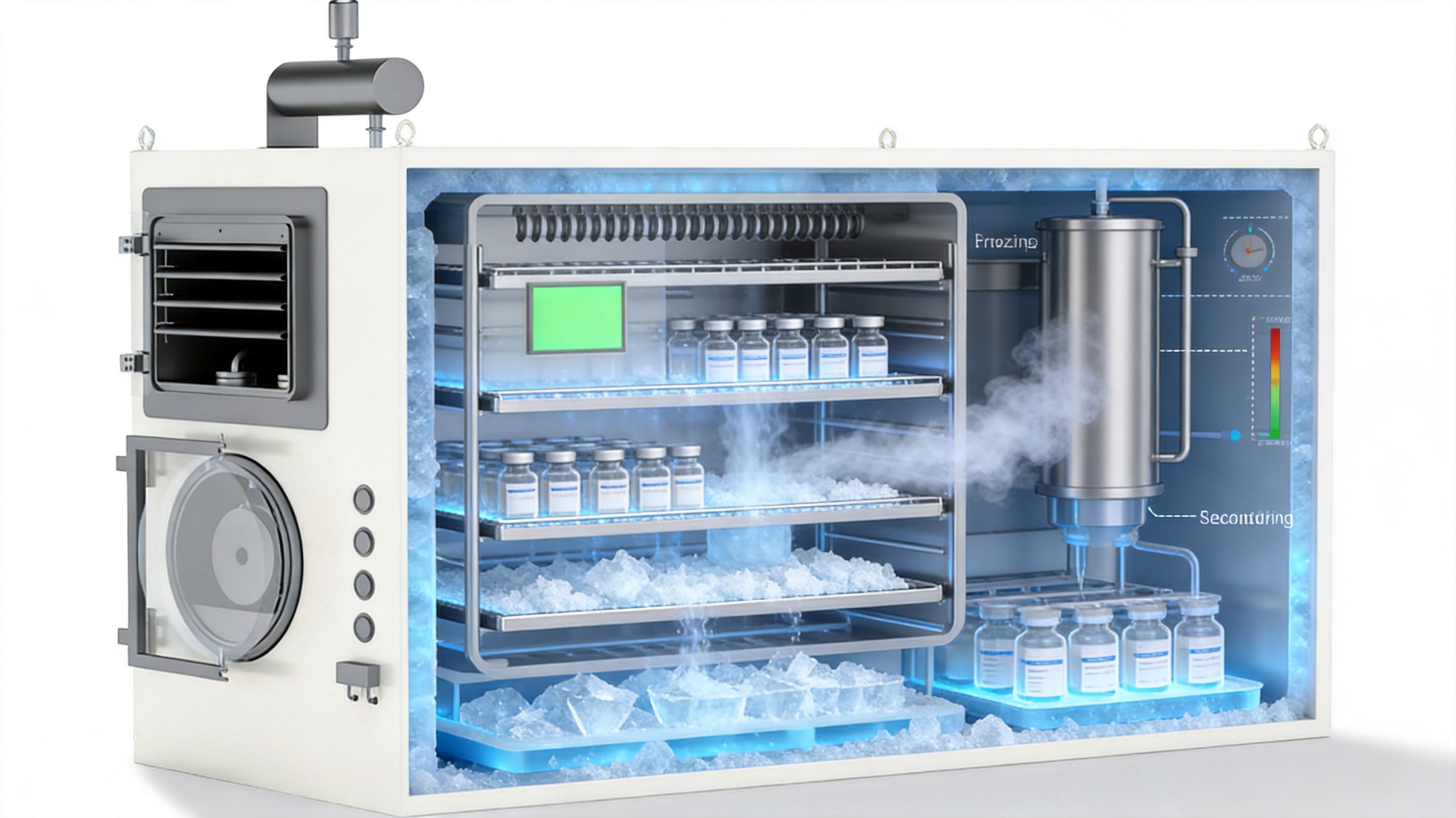
A major purpose of the BLK-FD-0.1 is to reduce the gap between laboratory research and compliant pilot production. Many organizations purchase laboratory freeze dryers only to discover later that their early process data cannot be transferred effectively to a larger machine. Differences in freezing behavior, shelf heat transfer, chamber pressure, condenser performance, and control logic can create costly development delays.
Using equipment designed around production-oriented principles during the R&D phase can help minimize these risks. The objective is not to make laboratory equipment identical to a large industrial system. Instead, it is to ensure that key process variables are defined, measured, and controlled in a way that provides useful information for future scale-up.
For example, researchers can document freezing ramps, shelf temperature profiles, chamber pressure, product temperature, condenser temperature, cycle duration, and endpoint criteria. They can compare product moisture, appearance, potency, reconstitution time, particle size, and structural integrity against the recorded process data. This creates a stronger foundation for engineering calculations and pilot trials.
The BLK-FD-0.1 can be particularly valuable for pharmaceutical biotech R&D centers, contract development and manufacturing organizations, and national or university laboratories. These users often need to demonstrate process feasibility before committing to larger equipment. A compact platform with a GMP-oriented design can provide practical development capacity while preserving the possibility of later compliant pilot production.
The investment value is therefore not limited to the first experiments performed on the machine. A properly selected laboratory freeze dryer may support multiple product programs, reduce outsourced development work, shorten formulation cycles, and provide data that can be reused during technology transfer.
To obtain reliable results from the BLK-FD-0.1, users should approach freeze drying as a controlled process-development activity rather than a simple preset operation. Before running a cycle, the formulation’s thermal behavior should be characterized where possible. Differential scanning calorimetry, freeze-dry microscopy, residual moisture analysis, and product activity testing can provide useful information for cycle design.
Loading conditions should be standardized. Fill volume, container type, fill depth, tray position, and batch arrangement can strongly influence drying behavior. When comparing formulations, researchers should change one factor at a time or use a documented design-of-experiment approach so that conclusions are not confused by inconsistent loading.
Freezing should be selected according to the formulation. A rapid freeze may produce smaller crystals and a finer pore structure, while controlled nucleation or annealing may improve uniformity and reduce resistance to vapor flow in some formulations. The correct strategy depends on the product’s critical temperature and desired final properties.
Primary drying should be conducted conservatively until the product temperature and pressure data show that the process is stable. Excessive shelf temperature can cause collapse, shrinkage, meltback, or loss of activity. A conservative initial cycle can then be optimized through controlled increases in shelf temperature or adjustments to chamber pressure.
Secondary drying should be designed around residual moisture targets and product stability. A higher temperature may remove bound water more efficiently, but it can also cause degradation in sensitive biological products. The optimum condition must be established through analytical testing and long-term stability studies.
After each cycle, the equipment should be cleaned and inspected according to documented procedures. Product-contact surfaces, seals, trays, shelves, valves, and chamber areas should be checked for residue or damage. Preventive maintenance should include vacuum-pump service, refrigeration checks, sensor calibration, seal inspection, and review of audit trail and alarm records.
Organizations evaluating an experimental freeze dryer should consider more than nominal shelf area. The following questions can help determine whether the BLK-FD-0.1 is appropriate:
What is the largest expected batch volume and loading mass?
What is the formulation’s minimum freezing temperature and critical product temperature?
Is a -45°C, -70°C, -80°C, or another condenser configuration required?
Will the equipment be used for pharmaceutical, biological, food, chemical, or mixed applications?
Are 316 stainless steel product-contact surfaces and Ra ≤ 0.4 µm finish required?
What cleaning, sterilization, and sealing conditions must be supported?
Are audit trail, user permissions, electronic records, or remote monitoring required?
What electrical supply, ventilation, floor loading, and room conditions are available?
Will the machine later support pilot-scale or compliant process development?
What installation, validation, training, and after-sales support are included?
The answers to these questions will determine whether the standard BLK-FD-0.1 configuration is suitable or whether additional customization is required. Buyers should request a complete technical specification, utility list, layout drawing, control-system description, materials certificate, testing plan, and warranty terms before final purchase.
The BLK-FD-0.1 is an experimental freeze dryer for laboratory R&D, formulation screening, small-scale sample preparation, and early-stage process development. It is intended for users who need more control and documentation than a basic benchtop freeze dryer can provide.
The typical loading capacity is 1 kg, with an effective tray or shelf area of approximately 0.1 m². Actual capacity depends on product density, container type, fill depth, loading arrangement, and the selected process.
Potential applications include vaccines, monoclonal antibodies, enzymes, hormones, gene therapy materials, nanoparticles, liposomes, microspheres, cell carriers, biological samples, medicinal herbs, health supplements, food ingredients, and specialty chemical materials. Product compatibility and safety requirements should be evaluated before use.
Yes. The system uses a GMP-oriented design approach, including 316 stainless-steel product-contact surfaces, a specified surface roughness of Ra ≤ 0.4 µm, hygienic connection methods, FDA-compliant silicone sealing materials, and audit trail functionality. Final regulatory suitability depends on the complete facility, quality system, validation program, and intended application.
Low-temperature freezing can help create smaller and more uniform ice crystals. This may improve structural preservation and support the drying of sensitive systems such as liposomes, nanoparticles, and cell carriers. The correct freezing condition remains formulation-specific.
The specified ultimate vacuum is below 10 Pa in an empty chamber. Actual process pressure will depend on product load, vapor generation, condenser temperature, vacuum-pump performance, chamber sealing, and cycle settings.
The control system incorporates an audit trail function and can manage the operational status of connected equipment. Remote monitoring through a mobile application and multiple language options are also identified as available control features, subject to the selected configuration.
It is designed to help bridge laboratory R&D and pilot development. Its controlled temperature range, vacuum system, hygienic construction, and process-oriented controls can provide useful scale-up data. However, scale-up must still account for differences in chamber size, heat transfer, vapor flow, loading pattern, and condenser capacity.
The BLK-FD-0.1 has lower capacity and a smaller shelf area, but it requires less space, material, and operating energy. It is more appropriate for formulation screening and laboratory development than for high-volume production. Larger units in the same product family are available when development quantities increase.
Customization may include refrigeration performance, shelf configuration, control language, screen placement, connection design, monitoring functions, electrical standards, and other process-related requirements. Final options should be confirmed with the manufacturer during technical review.
The product is manufactured by Jiangsu BoLaiKe Refrigeration Science and Technology Development Co., Ltd., a Chinese specialist in vacuum freeze-drying and refrigeration equipment. The company provides R&D, engineering, manufacturing, installation, commissioning, and after-sales services.
The BLK-FD-0.1 is a compact experimental freeze dryer designed for organizations that require more than simple sample dehydration. Its 0.1 m² shelf area and 1 kg typical loading capacity make it practical for laboratory-scale work, while its low-temperature freezing capability, broad shelf temperature range, stable ice capture, hygienic product-contact construction, and audit trail function support more demanding pharmaceutical and biochemical research.
Its most important advantage is the balance between small-scale practicality and production-oriented design. Researchers can work with limited quantities of valuable material while investigating the process variables that will matter during later scale-up. The system can support biologics development, aseptic preparation research, biological sample preservation, nanotechnology, advanced materials, food science, and nutraceutical development.
The equipment is further supported by the manufacturing and engineering capabilities of Jiangsu BoLaiKe. The company’s experience in refrigeration and freeze-drying technology, integrated project services, patent portfolio, research partnerships, modern manufacturing base, international supply experience, and customizable equipment approach provide a strong foundation for specialized applications.
For laboratories seeking an entry-level platform that can contribute to reliable process development and future pilot production, the BLK-FD-0.1 offers a practical combination of capacity, control, hygienic design, data integrity, energy-conscious engineering, and long-term development value.
1. Jiangsu BoLaiKe Refrigeration Science and Technology Development Co., Ltd. Product information for the BLK-FD-0.1 experimental freeze dryer.
2. Jiangsu BoLaiKe Refrigeration Science and Technology Development Co., Ltd. Laboratory freeze dryer model comparison data for BLK-FD-0.1, BLK-FD-0.2, BLK-FD-0.5, BLK-FD-1, and BLK-FD-2.
3. International Society for Pharmaceutical Engineering. Good Practice guidance for pharmaceutical and bioprocess equipment design.
4. United States Pharmacopeia. General principles relating to pharmaceutical manufacturing, product stability, and freeze-drying processes.
5. European Commission. Good Manufacturing Practice guidelines for medicinal products and equipment used in pharmaceutical production.
6. Food and Drug Administration. Guidance principles concerning data integrity and reliable records in regulated production and laboratory environments.
7. Basic principles of lyophilization, including freezing behavior, primary drying, secondary drying, sublimation, and residual-moisture control.
8. General hygienic design principles for stainless-steel pharmaceutical, food-processing, and bioprocessing equipment.
 2026/05/28
 2026/05/28
2026/05/28
2026/05/28
2026/05/28
2026/05/28


 Custom Industrial Lyophilizer Freeze Dryer Manufacturers





 English
 русский
 Español
 Français
 Deutsch
 عربى
عربى