/author/wen-yuhan-regional-sales-representative/


News
Products & Solutions
CONTACT US

+86-18068757376

blk@jsblk.com

No. 29 North Tongjiang Road, Xinbei District, Changzhou City, Jiangsu Province, China
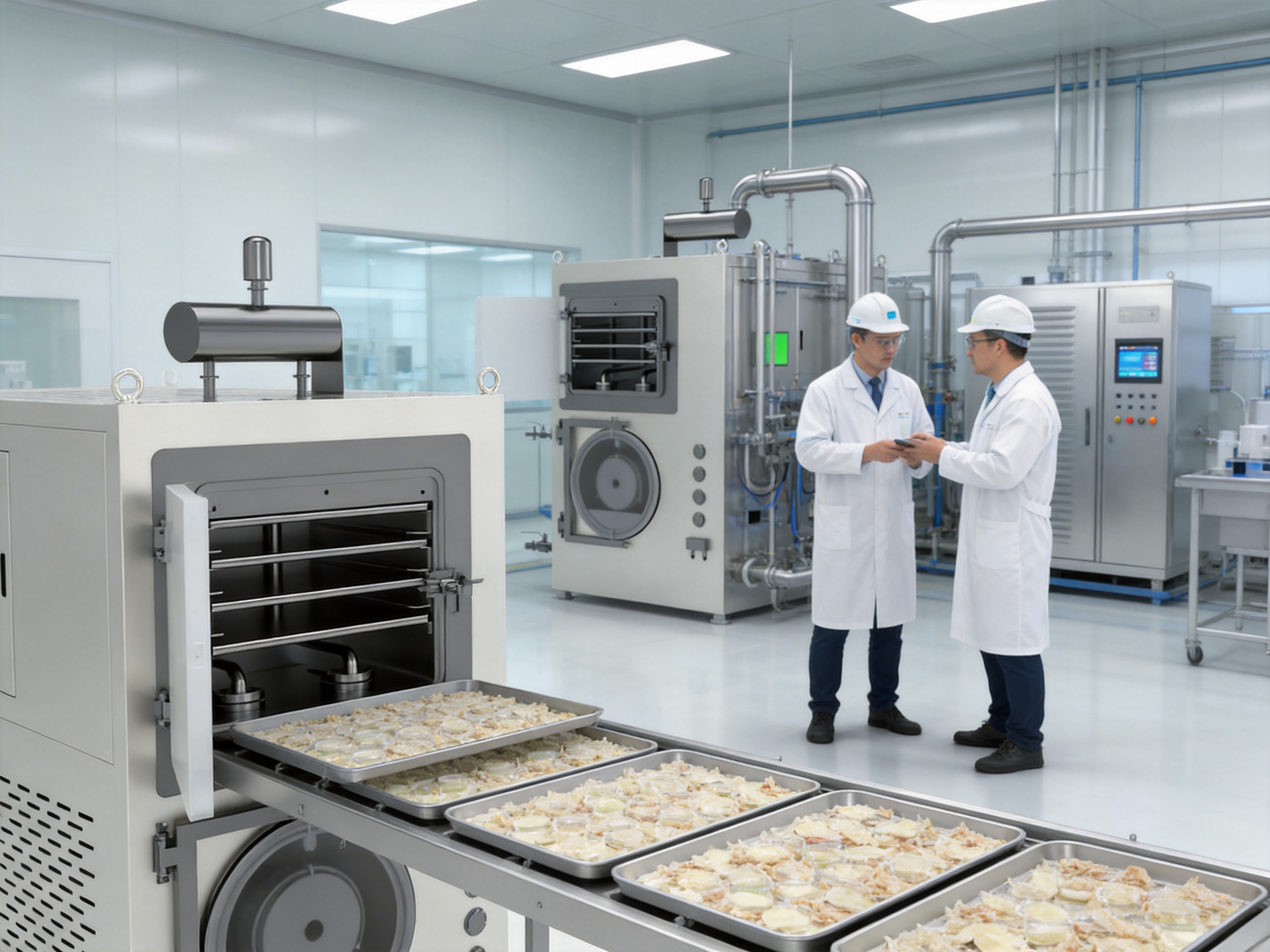
In pharmaceutical, biotechnology, food science, and advanced materials research, laboratory freeze-drying equipment must do more than remove water. It must provide a stable and repeatable environment for freezing, primary drying, secondary drying, formulation screening, process optimization, and scale-up evaluation. Researchers need accurate temperature control, dependable vacuum performance, efficient ice capture, hygienic construction, and a configuration that reflects the requirements of future production equipment.
The BLK-FD-2 R&D Scale Vacuum Freeze Dryer is designed for these demanding applications. With a 2 square meter freeze-drying area, a typical loading capacity of 20 kilograms, and a liquid loading capacity of 40 liters, it occupies an important position between small laboratory units and larger pilot or production systems. Its size provides sufficient process capacity for meaningful development work while remaining suitable for research centers, formulation laboratories, biotechnology companies, contract development and manufacturing organizations, and university facilities.
The equipment combines flexible pre-freezing and drying arrangements, silicone-oil bidirectional circulation heating, a patented cold-trap design, hygienic product-contact construction, and intelligent control options. These features allow users to create a controlled bridge between laboratory experimentation and compliant pilot production. Instead of developing a process on an entirely different type of machine from the one used during scale-up, researchers can work with an equipment platform that reflects industrial freeze-drying principles.
Freeze drying, also known as lyophilization, is a low-temperature dehydration process used to improve the storage stability, handling properties, and shelf life of sensitive materials. The process generally includes freezing the product, reducing the chamber pressure, removing ice by sublimation during primary drying, and eliminating residual moisture during secondary drying.
This technology is particularly valuable when conventional thermal drying could damage the product. Biological materials, vaccines, enzymes, hormones, proteins, cell carriers, nanoparticles, pharmaceutical formulations, fruits, vegetables, medicinal herbs, health supplements, and specialty chemical materials may all benefit from carefully controlled freeze drying.
However, the quality of a freeze-dried product depends heavily on process conditions. Freezing rate affects ice-crystal size and pore structure. Shelf temperature and chamber pressure influence sublimation behavior. Product resistance changes throughout drying. The relationship between condenser capacity, refrigeration performance, vacuum stability, and batch load can determine whether a cycle is successful.
For this reason, process development requires equipment that can reproduce critical conditions with precision. A small unit may provide insufficient loading depth or an unrepresentative heat-transfer environment. A large production unit may be too costly or impractical for repeated formulation trials. The BLK-FD-2 addresses this development gap by offering a 2 square meter drying platform with industrially relevant systems in a research-oriented format.
The BLK-FD-2 is an experimental freeze dryer developed for research and development applications. Its configuration supports product trials, formulation screening, process characterization, small-scale production, and scale-up preparation.
| Parameter | BLK-FD-2 Specification |
| Equipment category | Experimental freeze dryer |
| Application | R&D-scale vacuum freeze drying |
| Freeze-drying area | 2 m² |
| Typical loading capacity | 20 kg |
| Liquid loading capacity | 40 L |
| Overall dimensions | 1,800 × 1,000 × 2,000 mm |
| Ultimate vacuum level | ≤10 Pa; below 10 Pa under empty-chamber conditions in the model range table |
| Shelf temperature range | -55°C to +80°C |
| Refrigeration panel temperature | Minimum -70°C |
| Heating method | Silicone-oil electric heating |
| Typical inter-shelf temperature deviation | Controlled within ±0.5°C |
The 20 kilogram typical loading capacity offers a meaningful volume for process trials. It enables researchers to evaluate loading patterns, freezing profiles, drying resistance, endpoint behavior, and final product quality using more representative quantities than are possible on very small benchtop machines.
The 40 liter liquid loading capacity is also important for formulation and filling studies. It gives users the flexibility to work with liquids before freezing, whether the objective is pharmaceutical formulation development, biological sample preservation, food research, or specialty material processing.
One of the key strengths of the BLK-FD-2 is the availability of integrated or separate pre-freezing and drying configurations. This flexibility allows users to select an arrangement that reflects their process, facility, product sensitivity, and workflow.
In an integrated configuration, pre-freezing and drying can be managed within a unified equipment platform. This arrangement can simplify operation and reduce the need to transfer frozen product between systems. Minimizing transfer is useful when the product is sensitive to temperature changes, environmental exposure, or mechanical disturbance.
A separate pre-freezing configuration can be advantageous when the research program requires dedicated freezing studies or when the laboratory has a particular workflow for loading, freezing, and transferring materials. Separate systems may also help users compare different freezing conditions, evaluate holding times, or organize multiple experiments more efficiently.
This configurational flexibility provides an important advantage over equipment designed around only one fixed process arrangement. Freeze-drying research is rarely uniform. A vaccine formulation, a monoclonal antibody, a fruit extract, and a nanoparticle suspension may require very different freezing and drying strategies. The ability to select integrated or separate configurations helps researchers align the equipment with the product rather than forcing every product into the same workflow.
For scale-up studies, flexible configuration is especially valuable. Industrial plants may use different combinations of freezing chambers, loading systems, drying chambers, and material-handling procedures. By allowing researchers to simulate different arrangements, the BLK-FD-2 can contribute to a more realistic assessment of future production requirements.
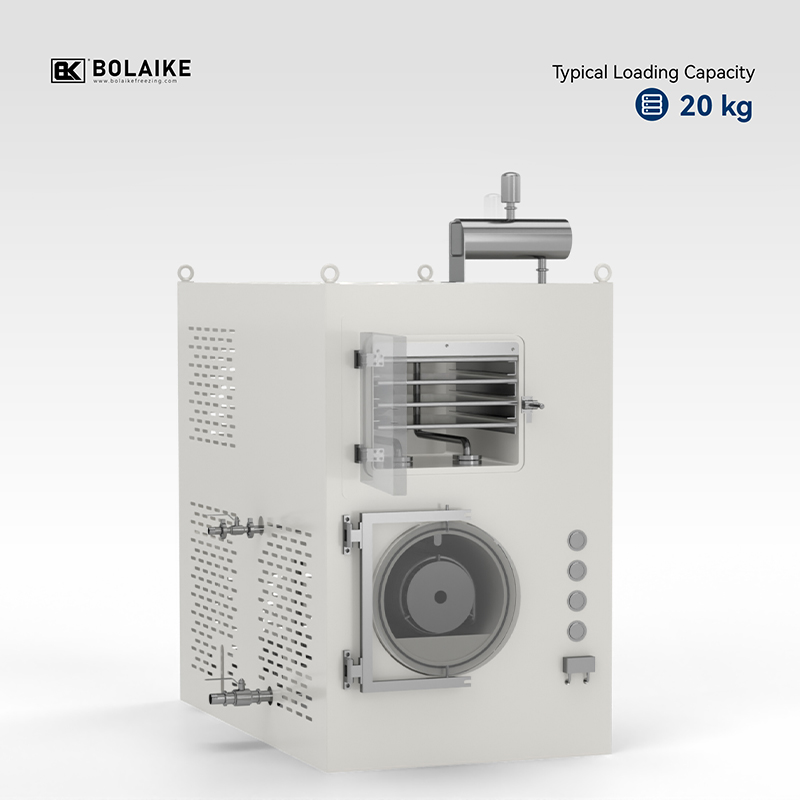
BLK-FD-2
Temperature uniformity is one of the most important factors in freeze-drying process development. If shelves are not sufficiently uniform, vials, trays, or containers positioned in different locations may experience different thermal histories. This can lead to variation in freezing behavior, sublimation rate, residual moisture, cake appearance, reconstitution time, and product potency.
The BLK-FD-2 uses a silicone-oil bidirectional circulation heating system. In this arrangement, heat-transfer fluid circulates through the shelf system in both directions to support a more balanced temperature distribution. The stated inter-shelf temperature deviation is controlled within ±0.5°C, helping researchers obtain more consistent conditions across the usable loading area.
Bidirectional circulation is significant because it addresses a common challenge in thermal-fluid systems: temperature gradients caused by the progressive loss or gain of heat as the fluid travels through a circuit. By balancing the circulation path, the system can improve the uniformity experienced by different shelves and positions.
The shelf temperature range of -55°C to +80°C supports both low-temperature freezing and controlled heating during drying. This range gives process developers room to evaluate freezing points, annealing strategies, primary drying conditions, and secondary drying steps. The appropriate setpoints will depend on the formulation, container format, target residual moisture, collapse temperature, glass-transition behavior, and product stability requirements.
Accurate shelf control also supports design-of-experiment work. Researchers can investigate the influence of shelf temperature, chamber pressure, hold time, ramp rate, and drying endpoint in a systematic way. More stable temperature conditions make it easier to distinguish the effects of process variables from unwanted equipment variation.
In pharmaceutical and biotechnological applications, temperature control is directly linked to product quality. Excessive product temperature during primary drying may cause collapse or structural damage. Insufficient energy transfer may lengthen the cycle and leave excessive moisture. During secondary drying, excessive temperature can affect sensitive proteins or other active materials, while inadequate temperature may compromise storage stability.
By combining a broad shelf temperature range with controlled circulation and a stated inter-shelf deviation of ±0.5°C, the BLK-FD-2 provides a strong foundation for repeatable thermal studies. It does not eliminate the need for formulation-specific development, but it helps ensure that the equipment contributes less uncertainty to the investigation.
The cold trap is responsible for capturing water vapor sublimated from the product during drying. Its performance affects vacuum stability, drying time, refrigeration load, and the ability to process high-moisture batches. A cold trap that cannot keep pace with vapor generation may allow pressure to rise, reduce the driving force for sublimation, or cause unstable process conditions.
The BLK-FD-2 incorporates a patented cold-trap design described as providing a 100 percent improvement in water-capture efficiency. This design is intended to increase the effectiveness of vapor condensation and support stable operation during high-load or demanding drying processes.
The refrigeration panel reaches a minimum temperature of -70°C. A low-temperature panel provides the thermal gradient required to capture water vapor efficiently and maintain a suitable pressure difference between the product and the condenser. It also creates additional capacity for processes involving substantial water removal.
A large-capacity water-trapping refrigeration panel matched to the available cooling capacity can help maintain a stable vacuum environment during low-temperature, high-load operations. This is particularly relevant when the product has a high initial moisture content or when the formulation generates vapor rapidly during the early part of primary drying.
Efficient water capture may also reduce the risk of fractionation. In freeze drying, fractionation can occur when components separate or behave differently during freezing and drying. Stable refrigeration and controlled vapor removal help researchers investigate whether observed product changes arise from the formulation itself or from unstable process conditions.
Research programs often involve repeated cycles, comparative formulations, and process confirmation batches. Cold-trap performance therefore affects more than one individual run. A dependable system can reduce interruptions, improve repeatability between experiments, and make equipment utilization more efficient.
Compared with basic experimental freeze dryers that may use smaller or less capable condenser systems, the BLK-FD-2 is designed to provide a more industrially representative vapor-management environment. This can be an important advantage when the research goal includes predicting pilot or production behavior.
Vacuum control is central to lyophilization. Lower chamber pressure reduces the boiling point of water and supports sublimation from the frozen product. The required pressure depends on formulation characteristics, shelf temperature, product resistance, container geometry, and the stage of drying.
The BLK-FD-2 is specified with an ultimate vacuum level of ≤10 Pa, while the model comparison table identifies an empty-chamber ultimate vacuum degree of below 10 Pa. This vacuum performance provides a suitable operating foundation for research into primary and secondary drying conditions.
Researchers should distinguish between ultimate vacuum in an empty chamber and operating pressure under product load. The actual pressure during a production or development cycle depends on water vapor generation, condenser performance, vacuum-pump capacity, system sealing, loading configuration, and process settings. Nevertheless, a strong empty-chamber vacuum capability is an important baseline indicator of system integrity.
A stable vacuum environment supports better control of the sublimation front. It can also help researchers compare cycles more reliably, particularly when evaluating the impact of changes in shelf temperature or formulation composition. Stable pressure reduces the possibility that uncontrolled pressure variation will obscure the relationship between process inputs and product outcomes.
Equipment used for pharmaceutical and bioprocessing research must be designed with cleanliness, inspectability, and contamination control in mind. Even when the equipment is not itself part of a fully validated commercial production line, its construction should support development work that may later be transferred into regulated manufacturing.
The BLK-FD-2 is designed around equipment standards aligned with GMP principles. Product-contact surfaces use high-grade 316 stainless steel, and the specified surface roughness is Ra ≤0.4 micrometers. This material is widely used in hygienic processing because of its corrosion resistance, durability, and suitability for cleaning applications.
Hygienic-grade connections, including quick-release clamp arrangements, help reduce hard-to-clean areas. Threaded connections can create crevices where residues or cleaning agents may accumulate. A more hygienic connection strategy supports inspection, disassembly, cleaning, and maintenance.
Sealing materials are selected to meet FDA requirements for relevant applications. Seals are critical in a vacuum freeze dryer because they must support both vacuum integrity and hygienic operation. The correct seal material must also be compatible with temperature variation, cleaning procedures, product exposure, and the expected service environment.
These design choices offer an advantage over general-purpose drying equipment that may not have been developed with pharmaceutical or bioprocessing expectations in mind. A hygienic construction approach does not replace site-specific validation, cleaning validation, or regulatory qualification, but it provides a stronger foundation for those activities.
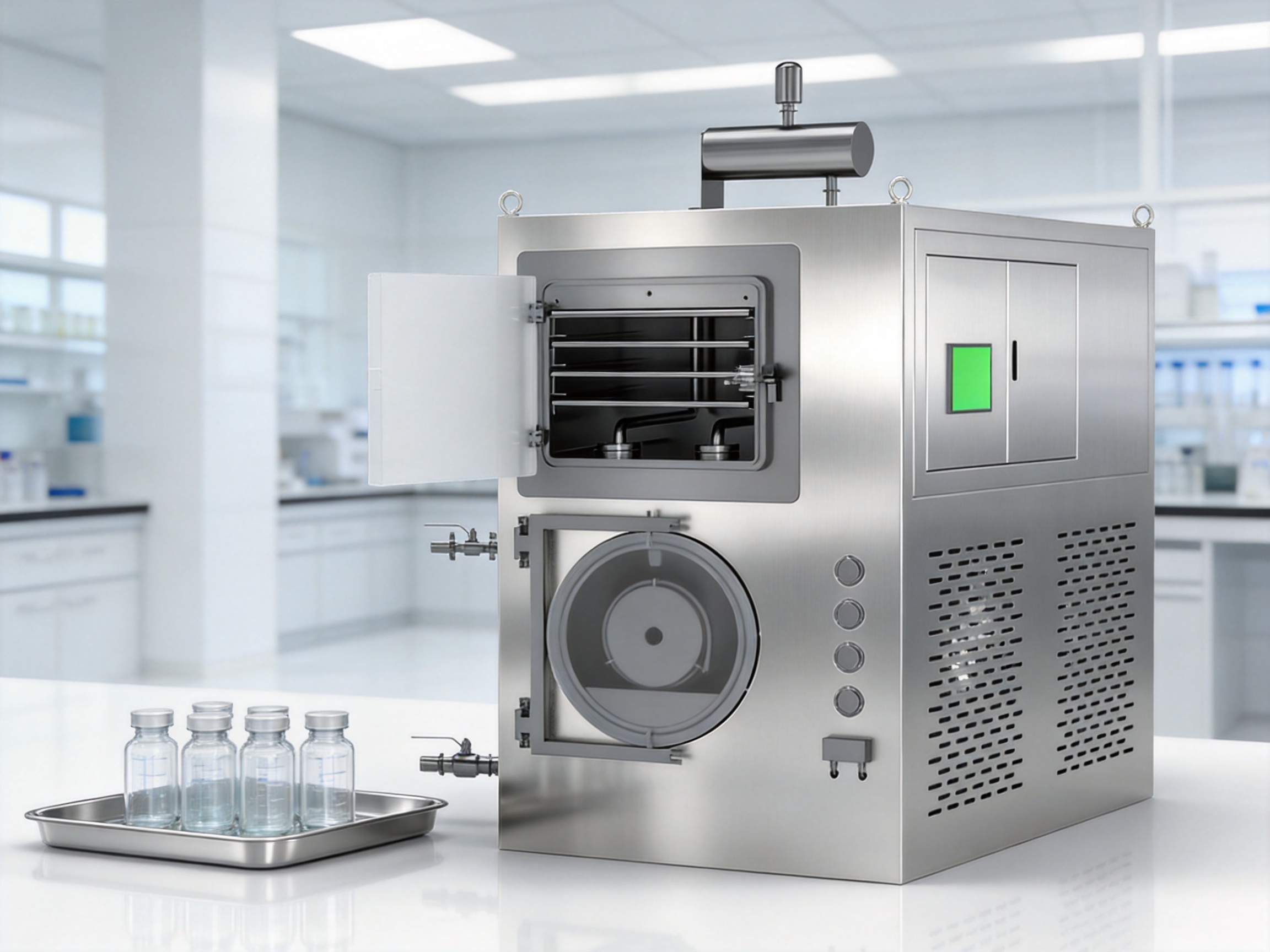
The BLK-FD-2 is suitable for freeze-drying process development and formulation screening involving vaccines, monoclonal antibodies, gene therapy products, enzymes, hormones, and other protein-based drugs. These products can be highly sensitive to temperature, moisture, oxygen exposure, freezing stress, and interfacial effects.
During development, researchers may need to compare bulking agents, stabilizers, buffers, cryoprotectants, and lyoprotectants. They may also evaluate different container formats, fill volumes, freezing rates, shelf-temperature profiles, and secondary-drying conditions. The 2 square meter shelf area provides enough capacity to conduct meaningful comparative studies while using a manageable amount of material.
Freeze drying is also used in the development of injectable preparations involving lipid bodies, nanoparticles, microspheres, antibiotics, toxic drugs, and radioactive drug preparations. These materials may require carefully controlled handling, specialized containment procedures, or dedicated facility systems.
The hygienic design of the equipment supports research environments where cleanability and product-contact material selection are important considerations. The specific containment, aseptic, or radiation-protection requirements must be assessed by the user according to the product and applicable regulations.
Long-term preservation research may involve stem cells, bacterial strains, virus vectors, tissue-engineering materials, bone, skin, and other biological samples. Each material has its own sensitivity to freezing rate, ice-crystal formation, dehydration stress, and residual moisture.
The BLK-FD-2 provides a platform for evaluating freezing and drying conditions intended to maintain structural integrity and biological activity. Its low-temperature refrigeration capability can support studies in which smaller and more uniform ice crystals are desired.
Although the equipment is strongly suited to pharmaceutical and biochemical development, its applications extend to food and health-related products. Researchers can use it to study fruits, vegetables, medicinal herbs, extracts, functional ingredients, probiotics, and health supplements.
Freeze drying can help preserve color, aroma, shape, flavor, and selected nutritional characteristics. The final outcome depends on the raw material, formulation, freezing method, loading thickness, drying cycle, packaging, and storage conditions. The BLK-FD-2 allows developers to investigate these variables under controlled vacuum and temperature conditions.
Some chemical materials and advanced formulations require low-temperature drying to preserve morphology or prevent unwanted reactions. The equipment can be used for screening drying conditions for catalysts, porous materials, emulsions, suspensions, and other temperature-sensitive products.
In these cases, the ability to manage low-temperature freezing, stable vacuum, controlled heating, and efficient vapor capture can help researchers evaluate the relationship between process conditions and material structure.
Freezing determines much of the internal structure that develops during freeze drying. Faster freezing generally tends to create smaller ice crystals, while slower freezing may result in larger channels. The best freezing profile depends on the formulation and the desired final properties.
The BLK-FD-2 supports ultra-low-temperature freezing and process development aimed at producing smaller and more uniform ice crystals. This is particularly relevant when researchers need to preserve the structural integrity of complex systems such as lipid bodies, nanoparticles, and cell carriers.
Ice-crystal structure affects the pore network left after sublimation. A suitable pore structure can improve drying behavior, reconstitution, mechanical strength, appearance, and transport properties. However, smaller crystals may also create greater resistance to vapor flow, so the optimal condition must be established experimentally.
The equipment therefore provides a platform for balancing freezing and drying requirements rather than treating them as separate issues. Researchers can evaluate freezing temperature, cooling rate, hold time, annealing, shelf temperature, chamber pressure, and secondary drying as connected elements of a complete cycle.
For active pharmaceutical ingredients that require a specific crystal form or amorphous state, carefully controlled freezing and drying can be critical. The product developer can use the equipment to investigate whether a selected cycle preserves the required solid-state characteristics.
A major challenge in process development is the gap between laboratory equipment and manufacturing equipment. A formulation may perform well in a small unit but behave differently when shelf dimensions, loading depth, condenser capacity, chamber geometry, heat transfer, and vapor flow change.
The BLK-FD-2 is positioned to reduce this gap. Its 2 square meter drying area and 20 kilogram typical load are substantially more representative than very small research instruments. At the same time, it remains compact enough for an R&D facility and flexible enough for repeated development experiments.
Using equipment designed around production-oriented principles during the R&D phase can reduce scale-up risk. Researchers can evaluate realistic loading arrangements, drying times, vapor loads, and process-control strategies before committing to a larger system.
This approach may accelerate the transition from laboratory work to pilot production. It can also support the preparation of process documentation, operating ranges, equipment specifications, and scale-up assumptions. The result is not automatic process validation, but a more informed and technically relevant development pathway.
For CDMO enterprises, the equipment can support client-specific formulation trials and small-scale production studies. For pharmaceutical companies, it can provide a common platform for early development, process optimization, and technology-transfer preparation. For research institutes, it can offer a practical link between academic investigation and industrial application.
Energy consumption is an important operating consideration for freeze-drying equipment because refrigeration, vacuum generation, shelf heating, cooling, and defrosting may continue for extended periods. A more efficient system can reduce operating costs and improve the environmental profile of repeated development work.
The equipment platform incorporates an integrated energy-efficient structure that allows shared refrigeration circuits to support cooling and drying processes. Traditional arrangements may use duplicated energy systems for cold storage and freeze-drying chambers. A shared refrigeration approach can reduce duplication, simplify the system architecture, and limit energy losses.
The stated energy-saving performance indicates that energy consumption may be reduced by approximately 20% to 40%, depending on operating conditions and comparison basis. The system materials also state that a single-batch cycle may be shortened by approximately 15% to 25% under suitable conditions.
These figures should be confirmed for the user’s specific product, loading level, cycle design, utility conditions, and reference equipment. Nevertheless, the underlying engineering principle is valuable: reducing unnecessary refrigeration losses and improving heat-transfer coordination can help control both energy use and cycle duration.
The system also incorporates a cold-energy recovery concept. In conventional arrangements, residual cold energy may be discharged after use, requiring compressors to operate at a higher load during the next cycle. A recovery system can reuse residual cooling capacity to pre-cool refrigeration media for the subsequent cycle.
The supplied technical information indicates that this approach can lower overall compressor load by approximately 20% to 30% for energy savings. The actual benefit will depend on batch scheduling, cycle sequence, ambient conditions, refrigeration demand, and the operating profile of the facility.
For laboratories with frequent development runs, energy recovery can have a cumulative effect. It may also reduce thermal stress on refrigeration components and contribute to more stable utility planning. These benefits are especially relevant when freeze-drying is used continuously for formulation screening or contract development work.
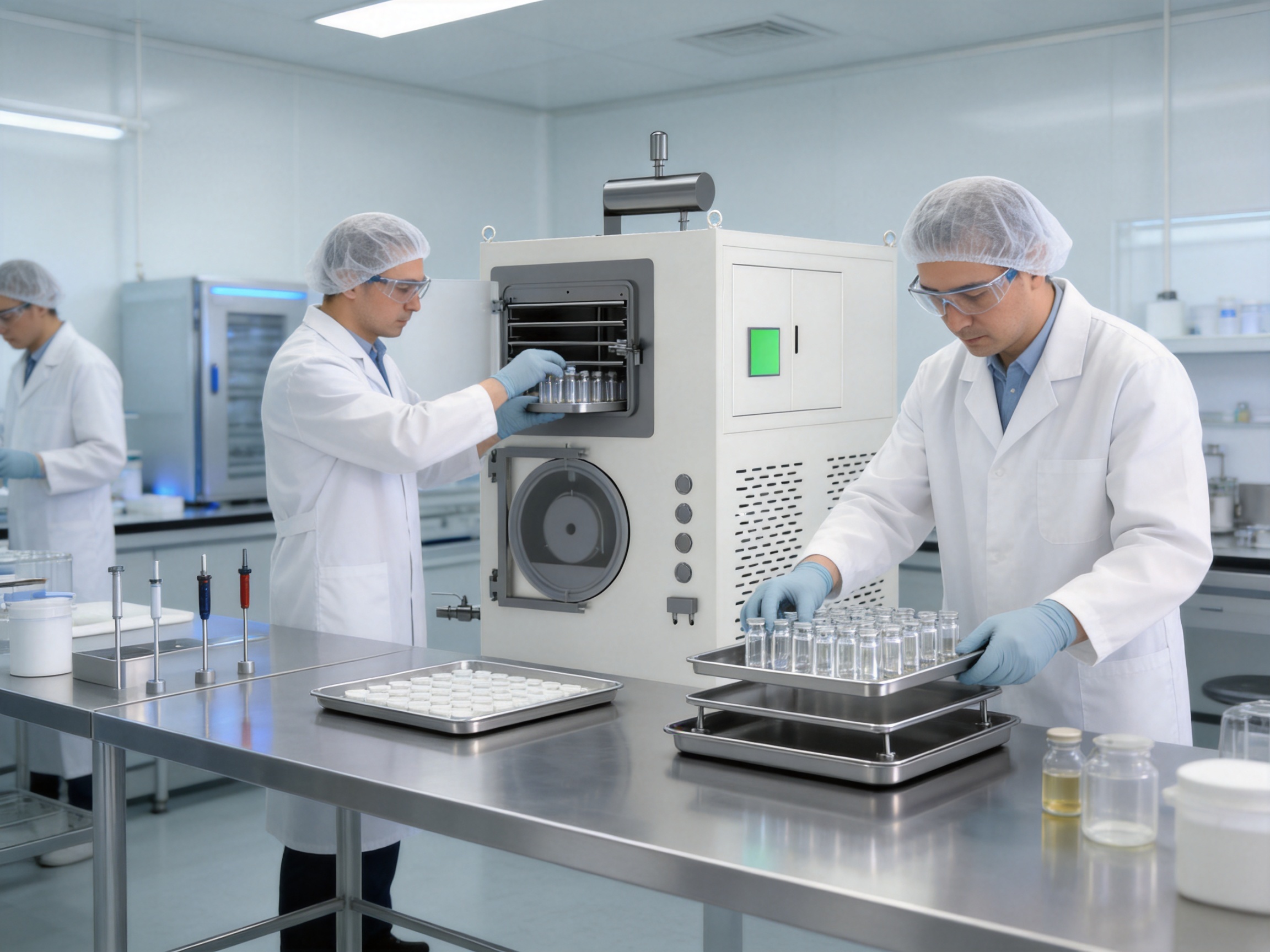
Modern freeze-drying research requires more than basic start-and-stop control. Researchers need to monitor equipment status, adjust process parameters, review operating conditions, and manage repeatable recipes. The BLK-FD-2 platform supports an intelligent central-control approach for connected equipment and process functions.
A central control system can manage the operational status of connected equipment, including refrigeration, shelf-temperature management, vacuum operation, and related functions. Centralized control helps reduce fragmented operation and gives the user a clearer overview of the process.
Remote equipment monitoring is supported through a mobile application. Remote access can be useful for checking operating status, reviewing alarms, and monitoring long cycles without requiring constant physical presence near the equipment. Remote monitoring should be implemented according to the user’s cybersecurity, data-integrity, and facility-access policies.
Multiple language options can be customized to support international laboratories and multinational operating teams. The operation screen can also be positioned on the front or side according to practical site requirements. This type of layout flexibility can improve operator access and help integrate the machine into different laboratory arrangements.
For research organizations, digital control can improve the consistency of repeated experiments. Recipe management and recorded process conditions help researchers compare batches and identify the effect of individual parameter changes. The level of data recording, audit trail, electronic signatures, and validation support should be confirmed according to the intended regulatory use.
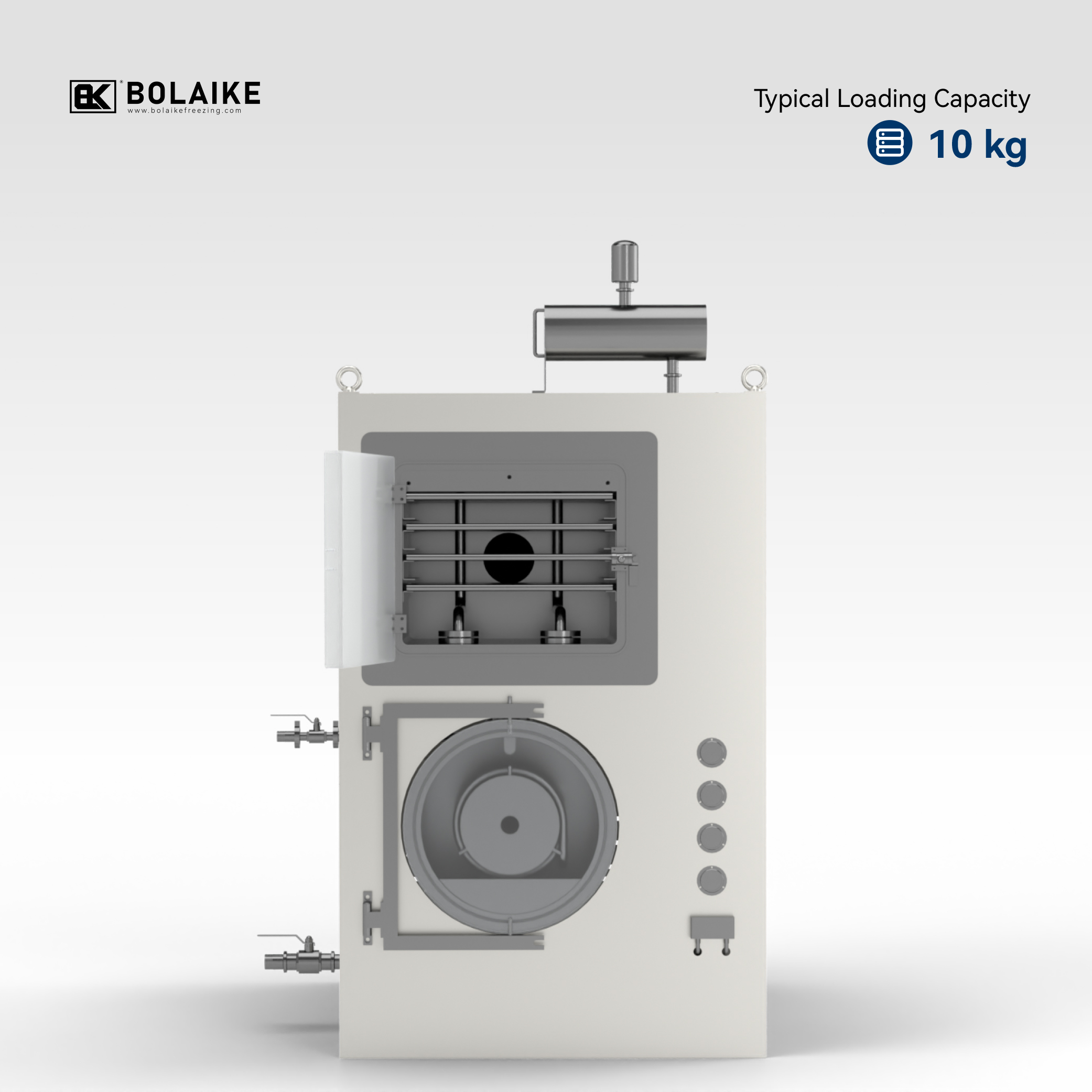
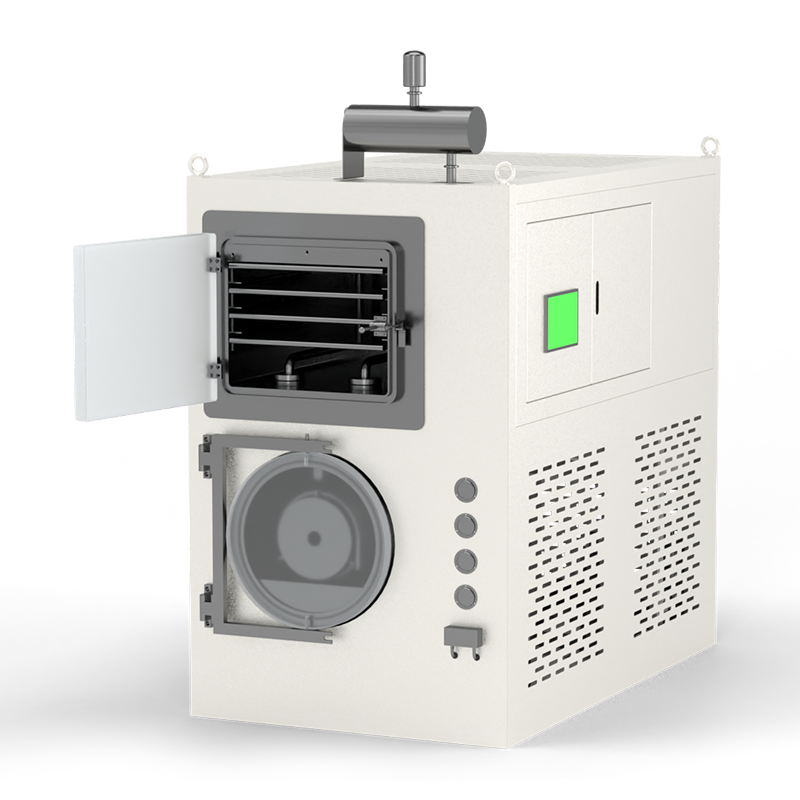
The BLK-FD-2 has overall dimensions of approximately 1,800 × 1,000 × 2,000 millimeters. This footprint gives the equipment a substantial process capacity while remaining appropriate for many research and pilot environments.
An optional swivel-caster design is available for more flexible laboratory deployment. Mobility can help facilities reorganize work areas, access service points, or position the equipment according to changing project requirements. Any mobile installation should account for floor loading, leveling, utility connections, clearance, vibration control, and safe movement procedures.
The square integral form supports a relatively compact arrangement of major systems. For planning purposes, users should allow additional space for door opening, maintenance access, vacuum and refrigeration connections, electrical service, cleaning, product loading, and operator movement.
Because freeze dryers can generate heat and require reliable utilities, the installation environment should be reviewed in advance. Facility planning may include electrical capacity, ventilation, ambient temperature, drainage or defrosting provisions, cleanroom classification, compressed air requirements where applicable, and access for delivery and future servicing.
The BLK-FD-2 is part of a broader experimental freeze-dryer range. Smaller models can serve early formulation work or limited sample quantities, while larger models can support more extensive pilot studies. This range gives organizations a path to select equipment based on process volume and available space.
| Model | Tray Area | Typical Loading Capacity | Overall Dimensions (L × W × H) | Installed Power |
| BLK-FD-0.1 | 0.1 m² | 1 kg | 1,100 × 900 × 1,400 mm | 4.0 kW |
| BLK-FD-0.2 | 0.2 m² | 2 kg | 1,100 × 900 × 1,400 mm | 4.5 kW |
| BLK-FD-0.5 | 0.5 m² | 6 kg | 1,200 × 900 × 1,500 mm | 4.9 kW |
| BLK-FD-1 | 1 m² | 10 kg | 1,500 × 1,000 × 1,700 mm | 5.9 kW |
| BLK-FD-2 | 2 m² | 20 kg | 1,800 × 1,000 × 2,000 mm | 7.0 kW |
Across the model range, the shelf temperature range is -55°C to +80°C, the refrigeration panel reaches a minimum of -70°C, and the empty-chamber ultimate vacuum degree is below 10 Pa. The main difference between models is process capacity and physical scale.
The BLK-FD-2 is appropriate when the user requires more than a small sample platform but does not yet need a full production machine. It can be especially useful for organizations that want to standardize development work on a larger, more representative platform.
Jiangsu Bolaike Refrigeration Science and Technology Development Co., Ltd. was established in 2014 in Changzhou, Jiangsu, China. Its technical background developed from Changzhou Zhongleng Refrigeration Equipment Co., Ltd., which entered the refrigeration industry in 2003 and began developing vacuum freeze-drying technology at an early stage.
The company operates across research and development, engineering, manufacturing, sales, installation, commissioning, and after-sales service. This integrated structure is important for complex equipment because successful performance depends not only on the machine itself but also on application engineering, installation quality, commissioning, operator training, and continuing technical support.
The company has developed partnerships with universities and research institutions, including the Chinese Academy of Agricultural Sciences, the Jiangsu Academy of Agricultural Sciences, and Jiangnan University. These relationships support the exchange of practical process knowledge and help connect equipment development with real research requirements.
More than 100 national invention and utility model patents are associated with the company’s technology portfolio. The supplied information identifies patented designs related to energy-efficient system integration and cold-energy recovery, as well as the cold-trap design used to improve water capture.
The company has also established a modern manufacturing base of approximately 24,000 square meters. A dedicated manufacturing facility can support coordinated fabrication, assembly, testing, quality control, and project management. For customers ordering customized equipment, this type of manufacturing infrastructure is important because the final system may require special dimensions, utilities, control functions, loading arrangements, or process interfaces.
Its equipment is exported to more than 30 countries and regions. International experience can help a supplier understand differences in electrical standards, documentation expectations, installation conditions, operator requirements, and service arrangements. Customers should still confirm the exact export configuration, certifications, validation documentation, and local compliance requirements for each project.
The BLK-FD-2 offers several advantages when compared with basic or narrowly configured experimental freeze dryers.
A 2 square meter drying area and 20 kilogram typical loading capacity provide a more realistic platform for scale-up studies than very small laboratory units. Researchers can work with larger batches, more representative loading patterns, and greater process diversity.
The silicone-oil bidirectional circulation system and ±0.5°C inter-shelf temperature deviation support a controlled thermal environment. This can improve experimental repeatability and make process data more useful for future equipment selection.
The low-temperature refrigeration panel and patented cold-trap design are intended to improve water capture during demanding cycles. This gives the machine a stronger position than equipment with limited condenser capacity or less effective vapor management.
316 stainless steel, Ra ≤0.4 micrometer contact surfaces, hygienic connections, and FDA-compliant sealing materials support applications where cleanability and material suitability are important.
Integrated or separate pre-freezing and drying arrangements allow the system to be adapted to different research workflows. This flexibility is useful when the same facility works with multiple products or needs to simulate future industrial layouts.
Shared refrigeration circuits, energy-efficient integration, and cold-energy recovery are intended to reduce operating costs and improve system utilization. These features can be particularly valuable in facilities conducting frequent and lengthy freeze-drying cycles.
The manufacturer provides equipment customization, engineering support, installation, commissioning, and after-sales service. This end-to-end capability can be more valuable than a low initial purchase price when the equipment must be integrated into a specialized research or pilot environment.
Although the BLK-FD-2 provides a broad range of technical capabilities, each buyer should evaluate the equipment against its own process and facility requirements.
First, the user should identify the expected batch size, fill volume, container format, product viscosity, solids content, initial moisture content, and target residual moisture. These factors affect the required tray area, condenser capacity, cycle duration, and loading arrangement.
Second, the user should determine whether integrated pre-freezing is preferred or whether a separate freezing unit better suits the workflow. The decision may depend on product sensitivity, aseptic strategy, facility layout, transfer procedures, and the need to compare freezing conditions.
Third, the buyer should request information about process sensors, pressure-control methods, temperature measurement, data recording, alarm handling, recipe management, and remote monitoring. For regulated applications, the documentation package and validation support should be reviewed before purchase.
Fourth, the facility must verify utilities and installation conditions. This includes electrical supply, heat rejection, ventilation, floor strength, clearance, access routes, drainage, cleanroom compatibility, and maintenance space.
Finally, customers should clarify service response times, spare-parts availability, operator training, preventive-maintenance requirements, software support, and the scope of commissioning. These factors influence total ownership cost and long-term equipment reliability.
A typical development program may begin with formulation screening. Researchers prepare several candidate formulations and evaluate their freezing behavior, cake structure, reconstitution performance, stability, and residual moisture. The 40 liter liquid loading capacity allows practical quantities to be processed while retaining flexibility for different study designs.
The next stage may involve freezing optimization. Researchers can examine cooling rates, hold times, annealing steps, and minimum shelf temperatures. The refrigeration panel temperature of at least -70°C provides a low-temperature environment for demanding freezing studies.
Primary drying development then focuses on the relationship between shelf temperature, chamber pressure, product resistance, and sublimation rate. The stable vacuum system and controlled shelf circulation support comparative trials across a planned operating range.
Secondary drying development addresses residual moisture and product stability. Researchers may evaluate different temperature ramps, final shelf temperatures, and hold times while monitoring product quality and energy consumption.
Once a cycle is established, the user can conduct repeatability studies and investigate the effect of loading position, batch size, and container arrangement. The 2 square meter area is large enough to make these studies more meaningful than trials conducted only in a few containers.
Finally, the resulting process data can support scale-up planning. Researchers can compare heat-transfer assumptions, vapor loads, cycle times, and product behavior with the proposed pilot or production equipment. This systematic workflow helps reduce uncertainty before larger capital investment.
Freeze dryers are complex systems combining refrigeration, vacuum, heat transfer, controls, valves, sensors, seals, and structural components. Regular preventive maintenance is necessary to protect performance and reduce unplanned downtime.
Hygienic connections and accessible design can simplify inspection and cleaning. Cold-trap surfaces, product-contact areas, door seals, vacuum lines, pumps, refrigeration circuits, and temperature sensors should be included in the facility’s maintenance program.
The silicone-oil circulation system should be monitored for fluid condition, circulation performance, temperature stability, and possible contamination. Refrigeration components should be checked according to the manufacturer’s service recommendations. Vacuum performance should be periodically verified through appropriate leak testing and system checks.
Long-term value depends on more than initial capacity. A machine that supports multiple products, flexible configurations, energy-efficient operation, process documentation, and future scale-up work may provide greater value than a less capable unit with a lower purchase price.
The BLK-FD-2 is designed to support this long-term R&D role. It can serve as a formulation platform, process-development machine, small-scale production unit, training system, and bridge to pilot manufacturing. Its usefulness can therefore continue across several stages of a product’s lifecycle.
The BLK-FD-2 is an R&D-scale vacuum freeze dryer intended for pharmaceutical, biochemical, food, nutraceutical, biological sample, and specialty material process development. It supports formulation screening, cycle development, process optimization, and small-scale production studies.
The unit has a 2 square meter freeze-drying area, a typical loading capacity of 20 kilograms, and a liquid loading capacity of 40 liters. Actual capacity depends on product characteristics, loading thickness, container type, and the selected process cycle.
Yes. Integrated or separate pre-freezing and drying configurations are available. The preferred arrangement depends on the product, workflow, facility layout, transfer requirements, and the process that the user wants to simulate.
The shelf temperature range is -55°C to +80°C. The refrigeration panel can reach a minimum temperature of -70°C, supporting low-temperature freezing and demanding drying applications.
The silicone-oil bidirectional circulation heating system is designed to control inter-shelf temperature deviation within ±0.5°C. Actual performance should be verified during commissioning and qualification under the user’s specified operating conditions.
Yes. The equipment is designed for pharmaceutical and biochemical development, including vaccines, monoclonal antibodies, enzymes, hormones, gene therapy products, nanoparticles, microspheres, and other sensitive preparations. Product-specific validation and facility controls remain the responsibility of the user.
Product-contact surfaces use high-grade 316 stainless steel with a specified surface roughness of Ra ≤0.4 micrometers. Hygienic connections and sealing materials that meet FDA requirements are also available for applicable configurations.
The specified ultimate vacuum level is ≤10 Pa. The model comparison table identifies an empty-chamber ultimate vacuum degree below 10 Pa. Operating pressure during a loaded cycle will depend on the product, vapor generation, condenser capacity, vacuum system, and process settings.
Yes. The equipment platform uses an integrated energy-efficient structure, shared refrigeration circuits, and a cold-energy recovery concept. The supplied information indicates potential energy savings of approximately 20% to 40%, with the actual result depending on cycle conditions and the comparison basis.
Multiple language options are available for customization. The control screen can be positioned on the front or side according to project requirements, and remote monitoring through a mobile application is supported.
Yes. Its 2 square meter drying area, 20 kilogram typical capacity, controlled shelf system, high-capacity cold trap, and production-oriented hygienic design make it suitable for bridging laboratory development and pilot-scale planning.
Customers should confirm product type, batch size, container format, freezing strategy, required configuration, utilities, cleanroom conditions, control functions, data requirements, documentation, installation conditions, validation support, training, and after-sales service.
The BLK-FD-2 is a substantial R&D vacuum freeze dryer designed for organizations that need more than a basic laboratory instrument. Its 2 square meter drying area, 20 kilogram typical loading capacity, and 40 liter liquid capacity make it suitable for serious process development and small-scale production studies.
Its principal technical advantages include flexible pre-freezing and drying configurations, silicone-oil bidirectional circulation, inter-shelf temperature control within ±0.5°C, a -70°C refrigeration panel, an efficient cold-trap design, a vacuum level of ≤10 Pa, and GMP-oriented product-contact construction.
The equipment also benefits from energy-conscious refrigeration architecture, cold-energy recovery, centralized control, remote monitoring, multilingual interface options, and customizable installation arrangements. These features help users manage both process performance and long-term operating requirements.
Backed by Jiangsu Bolaike Refrigeration Science and Technology Development Co., Ltd.’s experience in refrigeration and vacuum freeze-drying, integrated engineering capabilities, patent portfolio, research partnerships, manufacturing base, and international service experience, the BLK-FD-2 offers a practical platform for pharmaceutical, biochemical, food, biological, and specialty-material development.
For companies and institutions seeking to reduce the gap between laboratory research and compliant pilot production, the machine provides a technically relevant and scalable foundation. Its value lies not only in its capacity, but also in its ability to support repeatable experimentation, realistic process simulation, efficient operation, and future manufacturing decisions.
1. Jiangsu Bolaike Refrigeration Science and Technology Development Co., Ltd. Product technical information for the BLK-FD-2 experimental freeze dryer.
2. Jiangsu Bolaike Refrigeration Science and Technology Development Co., Ltd. Experimental freeze-dryer model range and technical specification table.
3. International Council for Harmonisation. Guidance on pharmaceutical development and quality risk management principles.
4. United States Pharmacopeia. General information on pharmaceutical freeze-drying and product quality considerations.
5. European Commission. Principles and expectations for good manufacturing practice in medicinal-product production.
6. Standard references on lyophilization cycle development, sublimation, condenser design, vacuum control, and residual-moisture management.
7. Standard references on hygienic equipment design, stainless-steel product-contact surfaces, cleanability, and pharmaceutical process equipment qualification.
 2026/05/28
 2026/05/28
2026/05/28
2026/05/28
2026/05/28
2026/05/28


 Custom Industrial Lyophilizer Freeze Dryer Manufacturers





 English
 русский
 Español
 Français
 Deutsch
 عربى
عربى