
/news/news-media/


News
Products & Solutions
CONTACT US

+86-18068757376

emmy@jsblk.com

No. 29 North Tongjiang Road, Xinbei District, Changzhou City, Jiangsu Province, China
Freeze-dried food generally keeps a larger share of its original vitamins, enzymes, and antioxidants than food dried through conventional dehydration, mainly because the process relies on low-temperature sublimation rather than sustained heat exposure. Studies on fruit and vegetable powders show that freeze-dried produce can retain roughly 90% to 97% of vitamin C, while heat-dehydrated versions of the same produce often lose between 40% and 60% of that vitamin during processing. The gap comes down to how each method removes moisture: dehydrators evaporate water using warm air circulated over the food, typically between 95°F and 165°F (35°C to 74°C), while freeze dryers convert ice directly into vapor under vacuum at temperatures that rarely exceed the freezing point during the primary drying phase.
This distinction matters for nutrient-sensitive compounds such as vitamin C, thiamine, and certain polyphenols, which begin to break down once temperatures climb past a moderate threshold. Because the cellular structure of the food is frozen before drying begins, freeze drying also avoids the shrinkage and case-hardening that dehydration can cause, which helps preserve color, flavor compounds, and rehydration quality alongside the nutritional profile.
The core mechanism behind nutrient retention is sublimation, the physical process in which ice transitions straight to water vapor without passing through a liquid state. Food placed in a freeze dryer is frozen solid before drying begins, locking water into ice crystals within the cellular structure. A vacuum pump then lowers chamber pressure well below atmospheric levels, and a modest amount of heat is applied so the ice sublimates rather than melts. Because the food itself stays near or below freezing throughout this stage, enzymatic reactions that normally degrade nutrients and cause browning are largely paused rather than accelerated.
A secondary drying phase follows, where temperature is raised slightly and held under continued vacuum to remove bound water molecules that remain chemically attached to the food matrix after sublimation. This step is carefully controlled since it introduces the only meaningful heat exposure in the entire cycle, and it is typically kept short enough that overall nutrient loss stays minimal compared with hot-air dehydration, which exposes food to elevated temperature for the full duration of drying.
Laboratory comparisons across fruits, vegetables, and herbs consistently show a measurable difference in nutrient survival rates depending on the drying approach used. The table below summarizes typical retention ranges reported in food science literature for common nutrients.
| Nutrient | Freeze Drying | Air Dehydration |
|---|---|---|
| Vitamin C | 90%–97% | 40%–60% |
| Thiamine (B1) | 85%–95% | 50%–70% |
| Carotenoids | 80%–92% | 55%–75% |
| Polyphenols | 85%–95% | 60%–80% |
These ranges vary by produce type, initial moisture content, and equipment settings, but the pattern holds across a wide range of studies: prolonged heat exposure during dehydration correlates with greater nutrient degradation, while the low-temperature vacuum environment of freeze drying limits that loss.
Modern freeze drying equipment has moved beyond simple refrigeration and vacuum pumps toward systems that recycle energy within the drying cycle itself. One approach recovers residual cooling from refrigerants after each cycle and reuses it to pre-cool the following stage, which can reduce overall compressor load by roughly 20% to 30%. This reduces electricity draw without altering the freezing or sublimation temperatures that protect nutrient content.
Some systems capture heat discharged from the condenser during the vapor-capture process and redirect it toward material drying, lowering dependence on electric heating elements or steam. This recovered heat supplements the modest warming needed during secondary drying, so less external energy input is required to complete the cycle.
Where a heat pump evaporation and crystallization system is integrated, compressor coefficient of performance can reach a range of 4.8 to 5.9, translating to energy efficiency roughly five to six times higher than conventional freeze drying configurations that rely solely on direct refrigeration and resistive heating. This kind of setup is more common in facility-scale operations than in small countertop units, but it illustrates how far freeze drying technology has advanced beyond basic vacuum chambers.
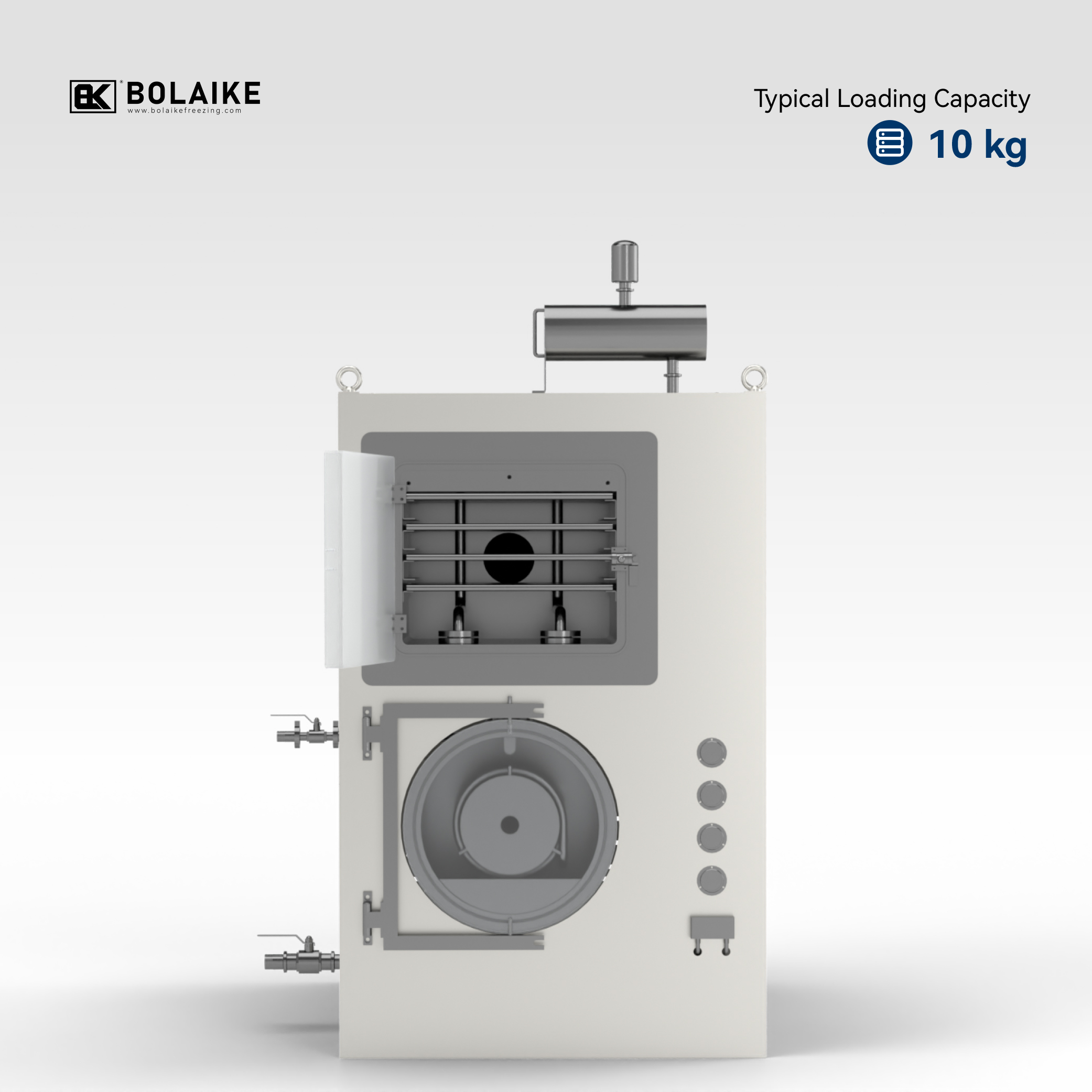
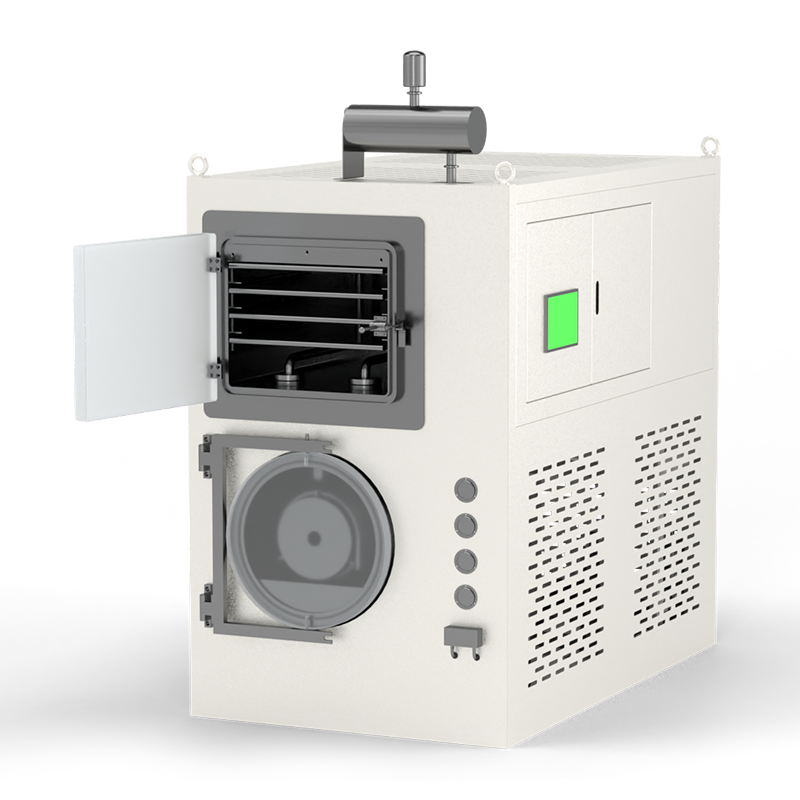
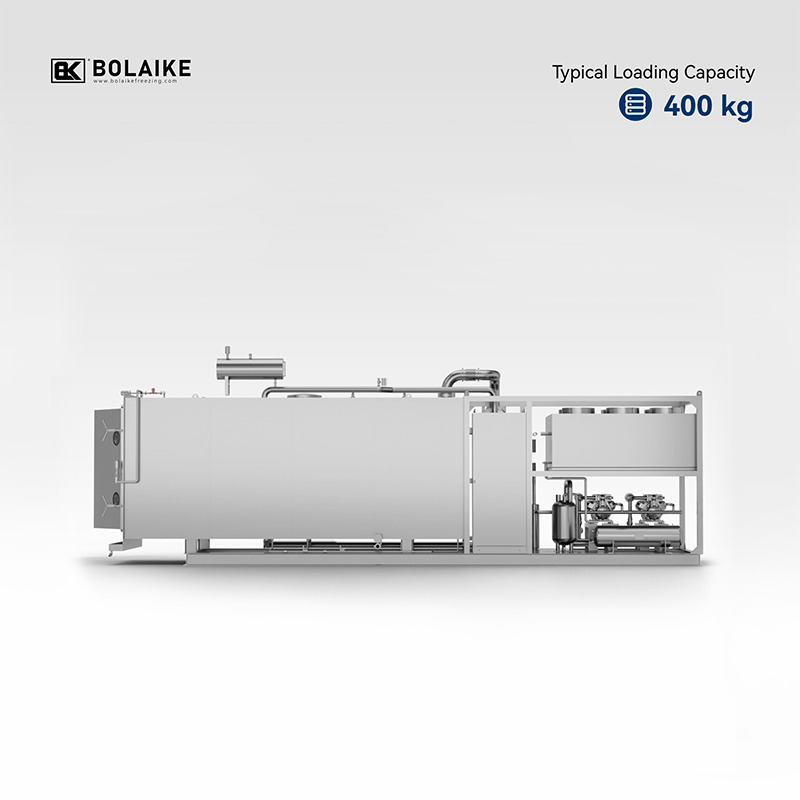
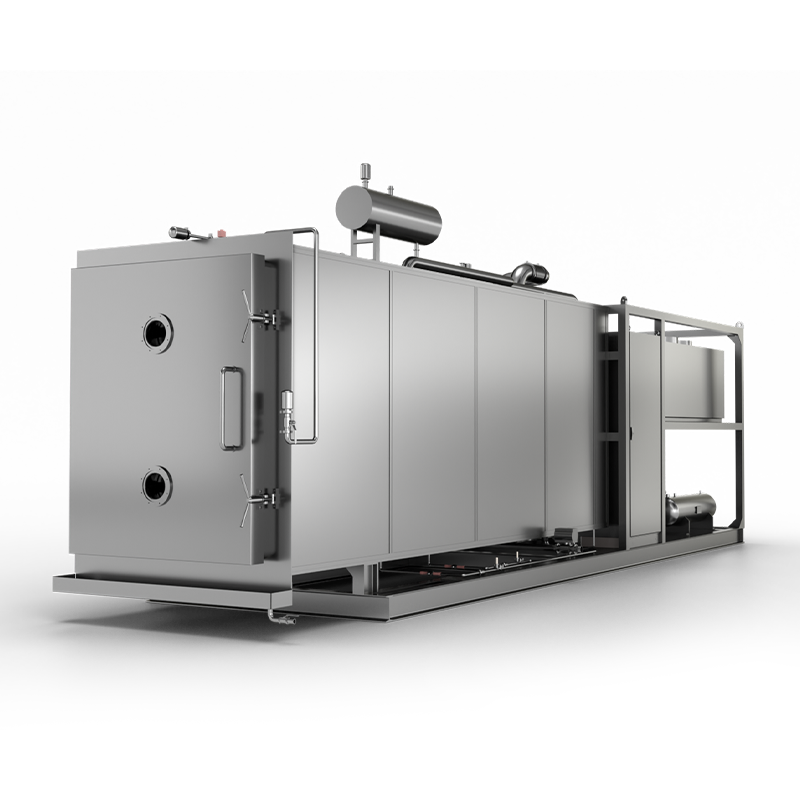
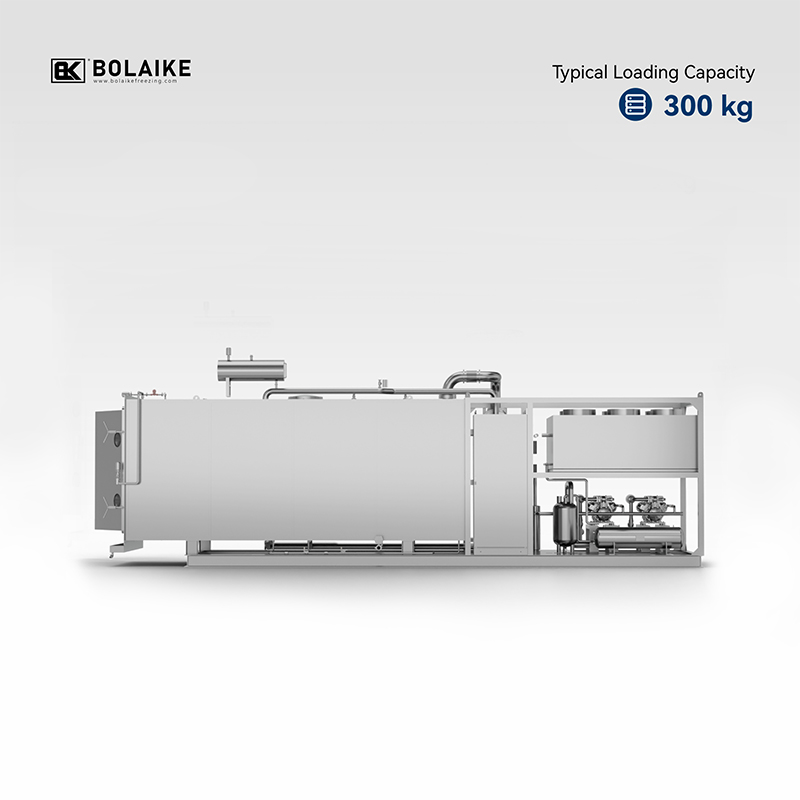
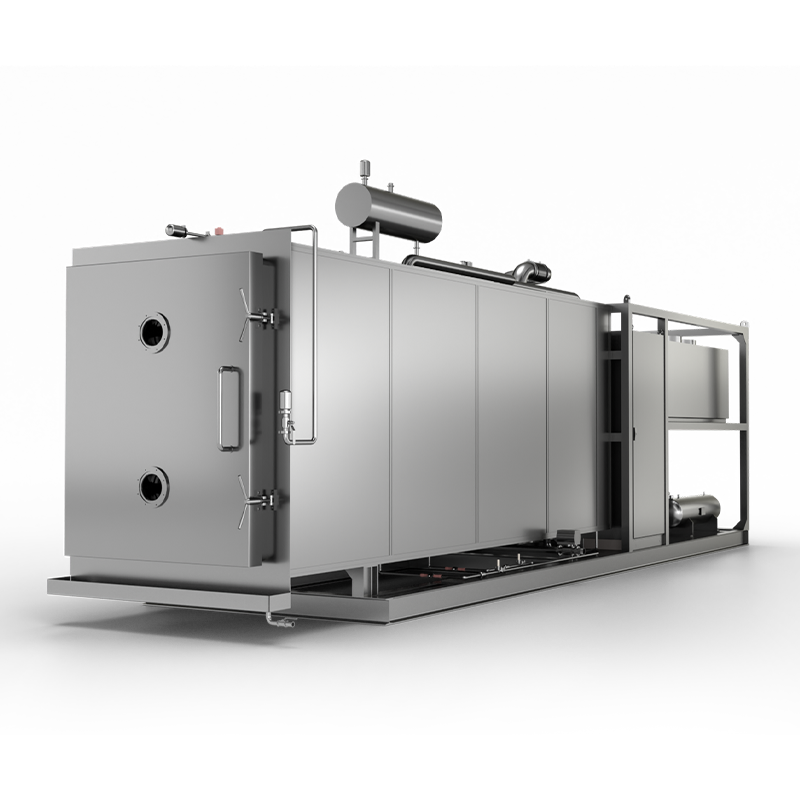
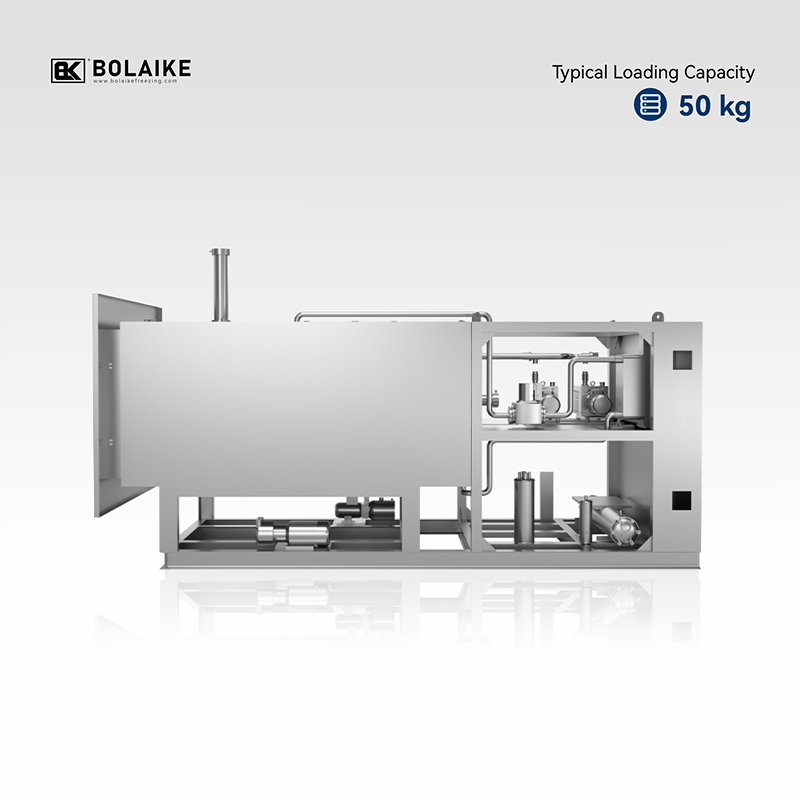
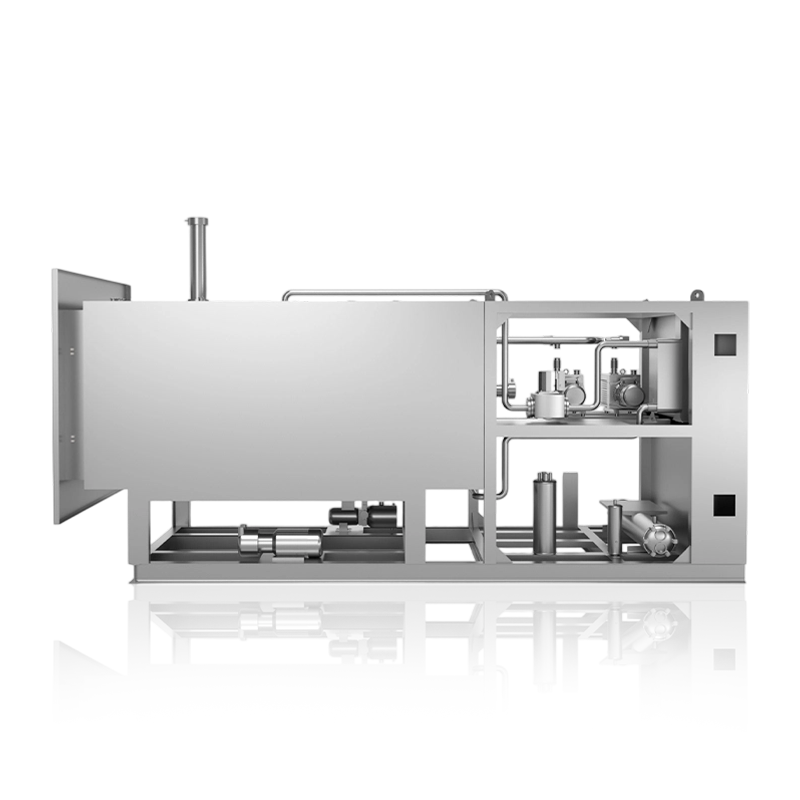
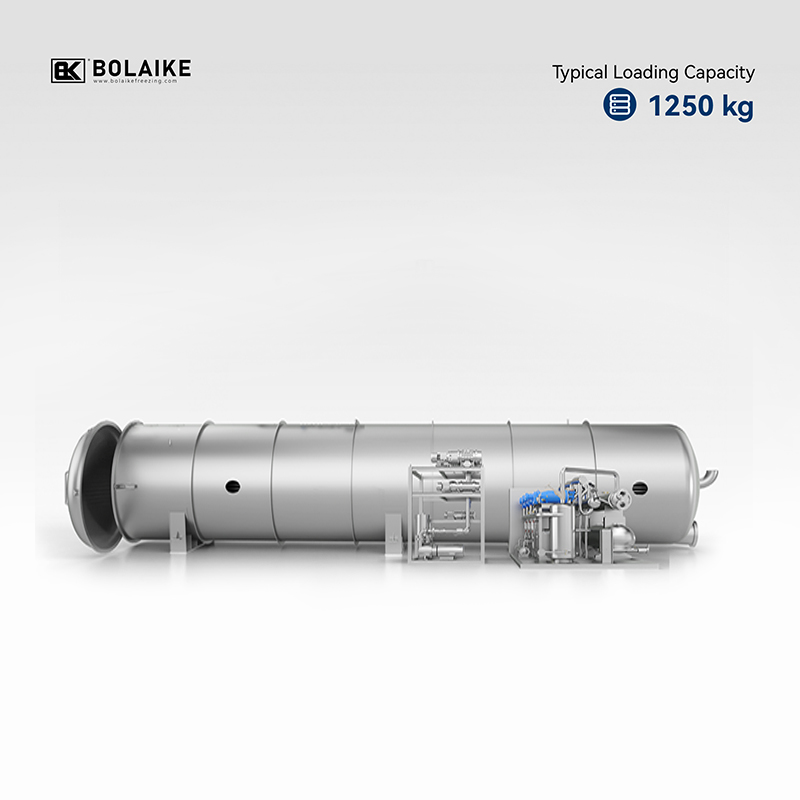
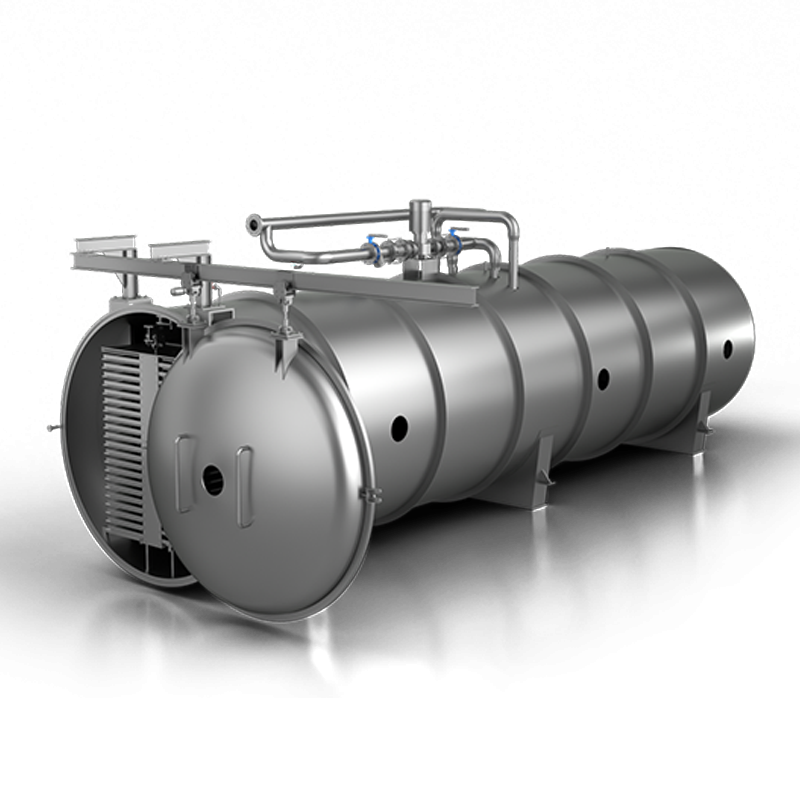
Freeze drying equipment can be configured with either an integrated cold trap, built directly into the drying chamber housing, or an external cold trap connected through separate piping. The choice affects footprint, maintenance access, and how easily vapor capture capacity can be scaled as production volume changes. Because refrigeration units and vacuum systems can be arranged in different physical layouts, facilities with limited floor space or unusual room geometry can still accommodate a drying line without redesigning the entire production area.
This layout flexibility is particularly relevant for operations that process seasonal produce, where drying capacity needs may fluctuate through the year, or for facilities converting existing space rather than building a purpose-made plant from the ground up.
Larger freeze drying installations increasingly rely on intelligent isolation valve systems that separate the product chamber from the cold trap chamber, allowing each to run independently. This separation means the drying chamber does not need to pause simply because the cold trap requires defrosting or maintenance, which keeps throughput steadier across long production runs.
A related design, sometimes called a vacuum cascade arrangement, coordinates multiple drying units so loading and unloading are staggered rather than simultaneous. While one unit defrosts, others continue capturing vapor and maintaining system stability, which can cut defrost-related downtime by approximately two hours per cycle and prevent the kind of process interruption that would otherwise affect an entire production line. For operations running continuous batches, this staggered coordination helps maintain consistent output without sacrificing the vacuum integrity that nutrient preservation depends on.
Freeze drying is used across a wide range of food categories where nutrient retention, shelf stability, and rehydration quality matter more than processing speed. Fruit pieces such as strawberries, mango, and blueberries are commonly freeze dried for snack products and cereal inclusions, where the porous structure left behind by sublimation allows quick rehydration and a texture that stays closer to fresh fruit than dehydrated alternatives. Vegetables including peas, corn, and mushrooms are freeze dried for instant soup mixes and camping meals, since the lightweight, shelf-stable result reduces packaging weight while preserving color and nutrient content over storage periods that can extend well beyond a decade under proper sealing.
Prepared meals, including meat and pasta components, are also freeze dried for long-term food storage and emergency preparedness kits, where nutrient density per unit weight is a practical consideration. Coffee and tea extracts represent another familiar application, where freeze drying preserves aromatic compounds that would otherwise be lost to heat during spray drying. In each of these cases, the underlying appeal is the same: a drying method that removes moisture without subjecting the food to the sustained heat that erodes vitamins, color, and flavor over the course of processing.
 2026/05/28
 2026/05/28
2026/05/28
2026/05/28
2026/05/28
2026/05/28


 Custom Industrial Lyophilizer Freeze Dryer Manufacturers





 English
 русский
 Español
 Français
 Deutsch
 عربى
عربى


