/blog/
News
Products & Solutions
CONTACT US

+86-18068757376

blk@jsblk.com

No. 29 North Tongjiang Road, Xinbei District, Changzhou City, Jiangsu Province, China
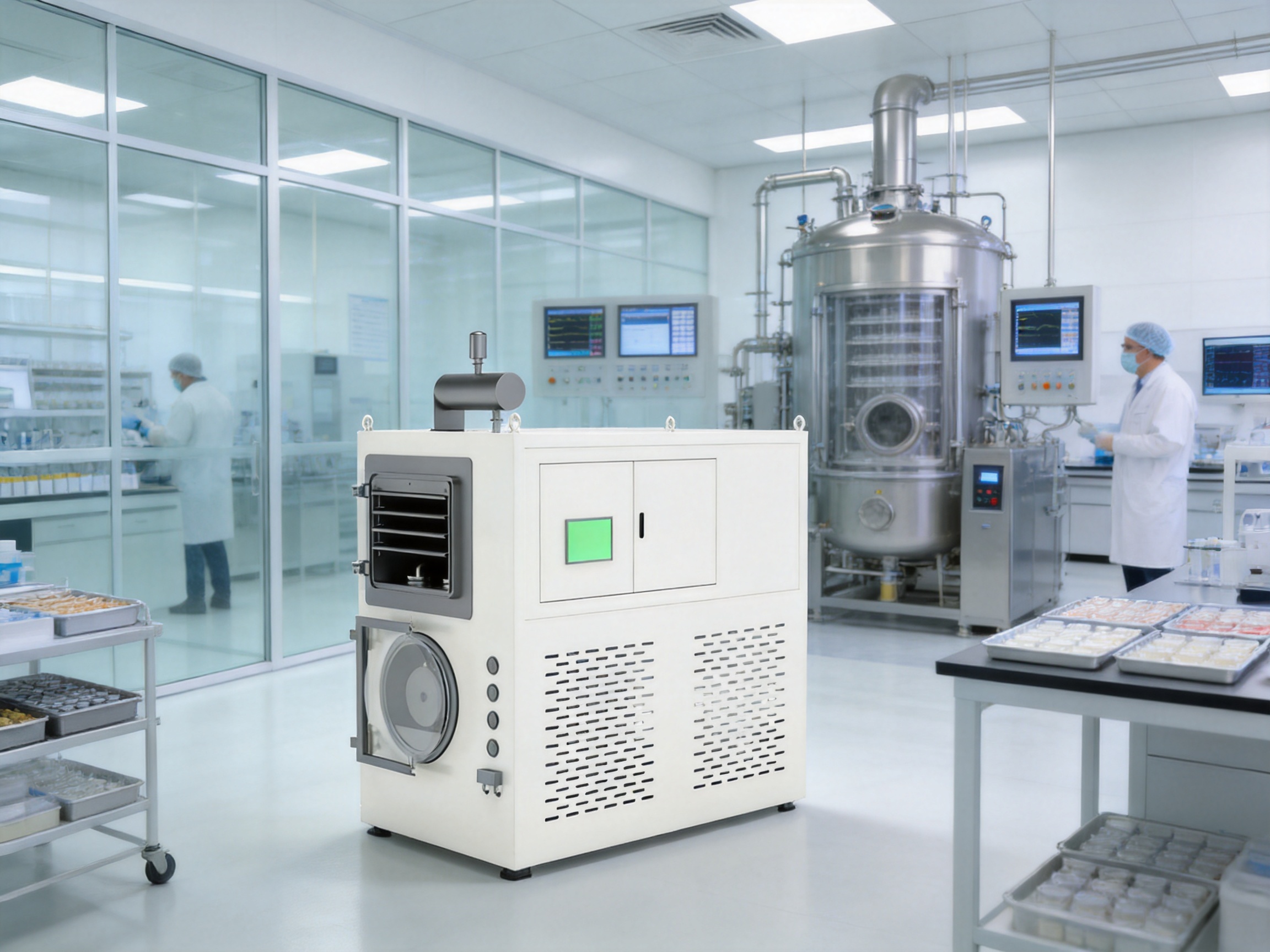
Freeze-drying technology has become an essential processing tool for pharmaceutical research, biotechnology, food science, materials development, and advanced laboratory applications. By removing water through sublimation under vacuum, a freeze dryer can preserve sensitive structures that may be damaged by conventional evaporation or thermal drying. However, not every laboratory freeze dryer offers the same combination of process control, product protection, hygienic design, data integrity, energy efficiency, and future scalability.
The BLK-FD-0.1 is an entry-level experimental freeze dryer developed for laboratory research and small-scale sample preparation. Although its compact footprint makes it suitable for research centers and development laboratories with limited space, its design philosophy is closer to that of compliant pilot equipment than to a basic benchtop instrument. It combines controlled low-temperature freezing, heated shelves, a low-temperature refrigeration panel, vacuum drying, GMP-oriented construction, and intelligent process management in one integrated platform.
This combination makes the equipment suitable for organizations that need more than simple sample dehydration. It is intended for users developing freeze-drying cycles, screening formulations, evaluating product stability, preparing biological samples, and generating process data that can support later scale-up. The equipment can help bridge the gap between laboratory experimentation and compliant pilot production by applying engineering principles normally associated with larger pharmaceutical freeze-drying systems.
Freeze drying, also known as lyophilization, is a three-stage process consisting of freezing, primary drying, and secondary drying. During freezing, water within the formulation changes into ice. During primary drying, the chamber is evacuated and heat is supplied in a controlled manner, allowing ice to sublimate directly into vapor. During secondary drying, residual bound moisture is removed to achieve the required final moisture content and storage stability.
Every stage affects the quality of the final product. The freezing rate influences ice-crystal size and distribution. Shelf temperature and chamber pressure determine the rate of sublimation. Condenser or refrigeration-panel temperature affects vapor capture and vacuum stability. Secondary drying conditions influence residual moisture, reconstitution behavior, biological activity, and long-term shelf life.
For this reason, an experimental freeze dryer must provide more than a low-temperature chamber and a vacuum pump. It must offer repeatable temperature control, reliable vapor condensation, accurate monitoring, and a structure that does not introduce contamination risks. It should also allow researchers to transfer knowledge from early formulation experiments to larger production equipment without changing the fundamental process environment.
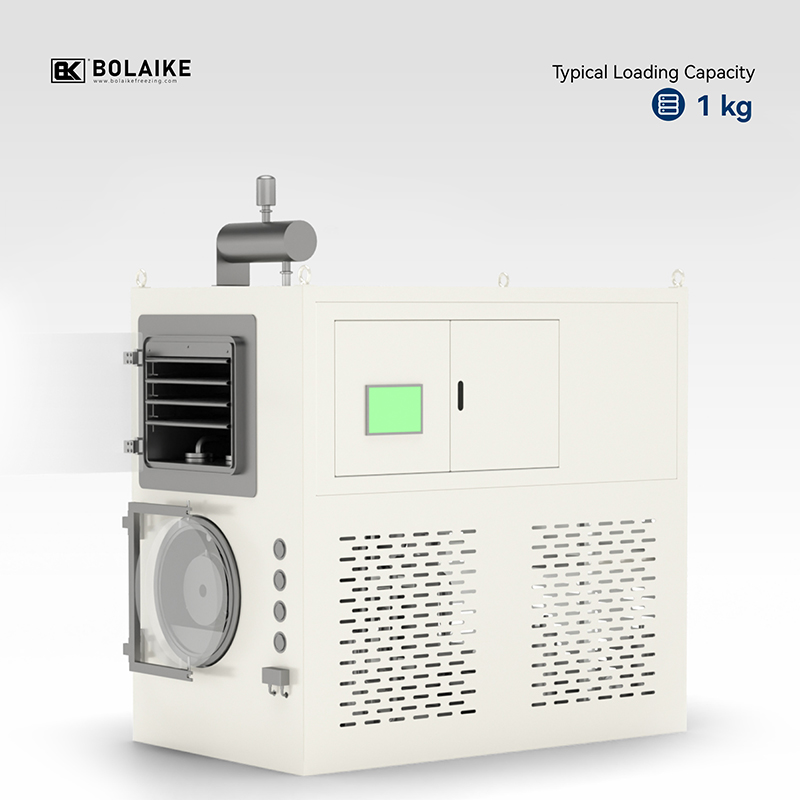
The BLK-FD-0.1 has been developed around these requirements. Its 0.1-square-meter effective shelf area and approximately 1-kilogram rated loading capacity make it suitable for development batches, laboratory samples, and small-scale process trials. At the same time, its GMP-oriented product-contact materials, hygienic connections, FDA-compliant sealing materials, and audit-trail-enabled control system provide a more advanced foundation than many entry-level laboratory machines.
The BLK-FD-0.1 is a compact experimental freeze dryer designed for pharmaceutical and biochemical engineering research and development. It is intended for laboratories that require a controlled, repeatable, and hygienic environment for freeze-drying samples, formulations, biological materials, and advanced delivery systems.
The equipment has an overall footprint of approximately 1100 × 900 × 1400 millimeters. This compact square-integral structure allows it to be installed in research laboratories, pilot development rooms, university facilities, biotechnology centers, and quality-control environments where floor space is limited. Its size also makes it practical for laboratories that need to position the freeze dryer near formulation, filling, inspection, or analytical equipment.
The effective tray or shelf area is 0.1 square meters, and the typical loading capacity is 1 kilogram. This capacity is appropriate for formulation screening, process parameter studies, small development batches, biological sample preservation, and preparation of samples for stability testing. A smaller working volume can also reduce material consumption during early research, allowing teams to evaluate multiple formulations without committing large quantities of expensive active ingredients or excipients.
The shelf temperature system is designed for a broad operating range extending from low subzero temperatures to positive temperatures required for drying. The product description specifies a shelf temperature range of approximately -40°C to +80°C, while the broader model specification lists a range of -55°C to +80°C. This indicates that the equipment may be configured according to the selected refrigeration and control package. The final operating range should therefore be confirmed against the formal technical quotation and validated configuration.
The refrigeration panel or cold-trap system is intended to reach very low temperatures for efficient vapor capture. The product description identifies -45°C or -80°C configurations, while the model comparison specifies a minimum refrigeration-panel temperature of -70°C. These values represent available or configurable system options rather than a single universal operating condition. Selecting the appropriate panel temperature depends on the formulation, solvent or water load, process duration, and required vapor-capture performance.
In an empty chamber, the ultimate vacuum degree is specified as less than 10 Pa. The actual process pressure will depend on the formulation, load, condenser temperature, vacuum-pump performance, leakage rate, and control strategy. For research purposes, the ability to establish and maintain a stable vacuum environment is particularly important because pressure instability can influence product temperature, sublimation behavior, drying uniformity, and cycle repeatability.
| Item | BLK-FD-0.1 Specification | Application Significance |
|---|---|---|
| Equipment type | Experimental freeze dryer | Designed for laboratory research, formulation screening, and small-scale sample preparation |
| Overall dimensions | Approximately 1100 × 900 × 1400 mm | Compact installation footprint for laboratories and development facilities |
| Effective tray area | 0.1 m² | Suitable for development samples and small experimental batches |
| Typical loading capacity | Approximately 1 kg | Supports formulation evaluation while reducing material consumption |
| Shelf temperature range | Approximately -40°C to +80°C; model data lists -55°C to +80°C | Supports controlled freezing, primary drying, and secondary drying |
| Refrigeration-panel temperature | Available low-temperature configurations, including approximately -70°C or lower options | Improves vapor capture during demanding cycles |
| Ultimate vacuum degree | Less than 10 Pa in an empty chamber | Provides a low-pressure environment for sublimation |
| Heating method | Silicone-oil electric heating | Promotes controlled and uniform shelf-temperature adjustment |
| Product-contact material | 316 stainless steel | Supports corrosion resistance, cleanability, and hygienic processing |
| Surface finish | Ra ≤ 0.4 micrometers on product-contact surfaces | Reduces retention points and supports cleaning procedures |
| Sealing materials | FDA-compliant silicone materials | Suitable for applications requiring controlled material selection |
| Control system | Central intelligent control with audit-trail function | Supports process recording, monitoring, and data-integrity practices |
| Installed power | Approximately 4.0 kW | Appropriate for a compact development-scale machine |
The specification table demonstrates why the BLK-FD-0.1 should not be evaluated only by its chamber size. Its value is determined by the relationship between capacity, temperature control, vacuum performance, material quality, and process documentation. A low-cost machine may have a similar nominal capacity but lack the surface finish, hygienic connections, low-temperature vapor capture, or audit-trail capability required by pharmaceutical and biotechnological development work.
Freezing is one of the most influential stages in a freeze-drying cycle. When a formulation freezes, ice crystals form throughout the product matrix. Their size and distribution create the channels through which water vapor escapes during primary drying. Large and uneven ice crystals may produce nonuniform drying, structural collapse, localized concentration effects, or inconsistent reconstitution.
The BLK-FD-0.1 uses ultra-low-temperature freezing to help generate smaller and more uniform ice crystals. This feature is especially relevant to complex systems such as liposomes, nanoparticles, microspheres, and cell carriers. These materials often contain delicate membranes, dispersed particles, biological components, or structured matrices that can be damaged by uncontrolled freezing or excessive concentration of solutes.
A controlled freezing profile can help researchers compare nucleation conditions, cooling rates, hold times, and formulation compositions. By observing the effect of these parameters on cake appearance, reconstitution time, particle-size distribution, potency, or biological activity, development teams can build a more reliable understanding of the formulation.
The ability to use low-temperature freezing is also valuable for active pharmaceutical ingredients that require a specific crystalline form or an amorphous state. The physical state of an active ingredient can influence dissolution rate, stability, bioavailability, and product performance. A freeze dryer with accurately controlled shelves gives researchers a practical platform for examining these relationships.
Compared with basic laboratory dryers that provide only limited freezing control, the BLK-FD-0.1 offers a more suitable environment for systematic process development. It enables users to treat freezing as an engineered unit operation rather than as a simple preliminary step.
After freezing, the product undergoes primary drying under vacuum. Heat must be transferred to the frozen product at a controlled rate. If the product receives too much heat, its temperature may exceed the critical product temperature, causing collapse or loss of structure. If too little heat is supplied, the cycle may become unnecessarily long and inefficient.
The BLK-FD-0.1 uses silicone-oil electric heating for the shelves. This heating method is designed to provide controlled temperature adjustment across the operating range. The shelf system supports both subzero conditions for freezing and positive temperatures for drying. This broad range enables researchers to program multi-stage cycles that include freezing, annealing where required, primary drying, and secondary drying.
For formulation development, shelf-temperature control is important because different products require different heat-transfer strategies. Protein solutions, vaccines, enzyme preparations, cell-based products, and injectable formulations may have significantly different thermal sensitivities. Food and material samples may also require tailored cycles to preserve color, porosity, texture, or functional performance.
A controlled shelf system also assists in evaluating cycle robustness. Researchers can intentionally vary shelf temperature, chamber pressure, ramp rate, and hold time to identify process limits. These studies can support the development of a design space and help determine which parameters are critical to product quality.
The compact size of the BLK-FD-0.1 can be an advantage during such studies. Small batches allow more experiments to be completed with the same quantity of raw material. This is particularly important when working with expensive biological ingredients, scarce research compounds, or early-stage formulations for which only limited material is available.
During sublimation, a substantial quantity of water vapor is generated. The vapor must be removed from the product and captured efficiently on a low-temperature refrigeration panel. If vapor capture is inadequate, the vacuum system may become overloaded, pressure may rise, and the drying cycle may lose stability.
The BLK-FD-0.1 is equipped with a large-capacity water-trapping refrigeration panel matched to the refrigeration capacity of the system. Its purpose is to maintain a stable vacuum environment during low-temperature and high-load operations. Effective vapor capture can reduce the risk of fractionation, where different components or regions of a formulation dry at noticeably different rates.
Stable vapor capture supports more consistent primary drying. It can also protect the vacuum pump from excessive moisture exposure and help maintain the intended pressure profile. For laboratories developing demanding cycles, this function is important because a cycle that appears acceptable under light loading may behave very differently when the product load increases.
The low-temperature refrigeration-panel options provide flexibility for different research objectives. Water-based formulations may be processed with one configuration, while products requiring particularly strong vapor capture or lower operating margins may benefit from a colder panel. Users should select the configuration according to their expected load, cycle conditions, and validation requirements.
BLK-FD-0.1
Laboratory equipment used for pharmaceutical and biotechnology research should support the same basic hygienic principles expected in larger process systems. Even when the equipment is not used for commercial drug release, poor material selection or difficult-to-clean geometry can compromise experimental results and create unnecessary contamination risks.
The BLK-FD-0.1 follows GMP-oriented design principles. Product-contact surfaces are manufactured from high-grade 316 stainless steel. This material is widely used in pharmaceutical and bioprocessing equipment because of its corrosion resistance, durability, and suitability for cleaning and sanitization procedures.
The specified surface roughness of Ra ≤ 0.4 micrometers provides a smooth product-contact finish. Smooth surfaces reduce the number of microscopic retention points where residues, microorganisms, or formulation components could remain after cleaning. A high-quality finish also makes visual inspection and routine maintenance easier.
Hygienic-grade connection methods, including quick-release clamp-style connections, are used to avoid hard-to-clean structures such as exposed threads. Threaded connections may create crevices that are difficult to inspect and clean. Hygienic connections are easier to disassemble when required and can simplify maintenance, inspection, and reassembly.
Sealing materials are selected to meet FDA requirements. Silicone sealing components are used in suitable areas to provide controlled sealing performance while supporting material compatibility. The correct seal design helps reduce the risk of leakage, protects vacuum stability, and assists in maintaining a clean process environment.
These features create a clear advantage over entry-level machines designed primarily for general-purpose dehydration. For pharmaceutical and biochemical development, the equipment must be considered as part of a controlled process system. Material quality, surface condition, connection design, and seal selection all influence the reliability of experimental results.
Modern research laboratories increasingly require traceable process data. Temperature, pressure, time, alarms, operator actions, and recipe changes may all be relevant to the interpretation of a freeze-drying experiment. Without reliable records, it can be difficult to determine why two batches behaved differently or whether a cycle was performed according to the approved procedure.
The control system of the BLK-FD-0.1 incorporates an audit-trail function. This supports the recording of relevant system activities and helps improve data integrity. An audit trail can show when changes were made, which parameters were adjusted, and how the equipment was operated during a cycle.
For pharmaceutical and biopharmaceutical research, this capability is valuable because development data may later be used in technology-transfer documents, process reports, validation packages, or regulatory submissions. The audit trail does not replace a complete data-integrity program, but it provides an important equipment-level foundation.
The central control system manages the operating status of connected equipment and provides a unified interface for process supervision. Remote monitoring through a mobile application is supported, allowing authorized personnel to check equipment status without remaining beside the machine throughout the entire cycle.
Multiple language options can be customized according to user requirements. The operation screen may also be positioned on the front or side of the equipment, depending on laboratory layout and operator preference. These details improve usability and demonstrate that the equipment can be adapted to different facilities rather than being limited to one standard installation arrangement.
The BLK-FD-0.1 is suitable for freeze-drying process development and formulation screening for vaccines, monoclonal antibodies, gene-therapy products, enzymes, hormones, and other protein-based drugs. These products are often sensitive to temperature, moisture, oxidation, mechanical stress, and changes in their surrounding matrix.
Freeze drying can improve the storage stability of biologics by reducing water activity and limiting chemical and physical degradation pathways. However, the process must be carefully designed. Excessive freezing stress may damage biological structures, while aggressive drying may cause aggregation, denaturation, or loss of activity.
The equipment enables researchers to investigate protective excipients, buffer systems, cake-forming agents, and stabilizers. Scientists can compare different formulations and evaluate cake structure, residual moisture, reconstitution time, potency, particle formation, and stability after storage.
For monoclonal antibodies and other protein formulations, the controlled temperature range and vacuum environment provide a foundation for cycle development. For vaccines and gene-therapy products, low-temperature processing may help preserve biological activity when paired with an appropriate formulation and validated cycle.
The equipment is also useful for early-stage studies in which the final commercial presentation has not yet been established. Researchers can test vial arrangements, fill volumes, container-closure systems, and loading patterns before moving to larger equipment.
Many injectable products require careful control of formulation structure and moisture content. The BLK-FD-0.1 can support research involving liposomes, nanoparticles, microspheres, antibiotics, toxic drug preparations, and radioactive drug preparations where appropriate facility controls are in place.
Liposomes and nanoparticles can be particularly sensitive to freezing and drying. Their physical size, surface characteristics, membrane integrity, and payload retention may change if ice formation is uncontrolled. The low-temperature freezing capability of the equipment provides a useful platform for examining cryoprotectants, lyoprotectants, and freezing profiles.
Microspheres and other particulate injectable systems may require a carefully balanced cycle. The product must dry sufficiently for storage while maintaining the intended particle morphology and release characteristics. Researchers can use the equipment to compare loading levels and determine how product thickness affects the drying rate.
When processing antibiotics, toxic materials, or radioactive preparations, the freeze dryer must be integrated into an appropriate containment, ventilation, cleaning, and waste-management program. The equipment itself provides a controlled freeze-drying platform, but the complete facility must be designed to address the hazards of the specific product.
For aseptic research, hygienic product-contact surfaces, smooth finishes, FDA-compliant seals, and cleanable connections are important advantages. They help laboratories establish procedures that are more closely aligned with future sterile or aseptic manufacturing requirements.
Biological samples may require long-term preservation with minimal loss of structure or function. The BLK-FD-0.1 can be used for research on preservation solutions for stem cells, bacterial strains, viral vectors, and tissue-engineering materials.
Stem-cell research often requires careful control of freezing and drying conditions because cell membranes and intracellular structures are vulnerable to ice formation and osmotic stress. Freeze drying is not suitable for every cell type, but the equipment can help researchers screen protective formulations and investigate whether a particular biological material can tolerate a controlled lyophilization process.
Bacterial strains, enzymes, and viral vectors may also benefit from carefully developed drying cycles. The objective is usually to reduce moisture while preserving viability or biological activity. Researchers can use the small batch capacity to conduct multiple trials with different stabilizers, freezing conditions, and secondary-drying temperatures.
Tissue-engineering materials such as bone substitutes, skin scaffolds, and other biological matrices may require preservation of porosity and structural geometry. The ice-crystal pattern formed during freezing can influence the pore structure after drying. The BLK-FD-0.1 provides a practical tool for studying how cooling conditions affect the final matrix.
The first advantage of the BLK-FD-0.1 is its process-development orientation. Many basic freeze dryers are intended for general laboratory drying, food samples, or simple preservation tasks. They may provide limited control over freezing and heating, minimal documentation, and construction materials selected primarily for cost. The BLK-FD-0.1 is designed for laboratories that need a stronger connection between research work and future production requirements.
The second advantage is its GMP-oriented construction. The use of 316 stainless steel, a smooth Ra ≤ 0.4-micrometer product-contact finish, hygienic connections, and FDA-compliant silicone seals provides a more suitable foundation for pharmaceutical and biochemical work.
The third advantage is low-temperature capability. Ultra-low-temperature freezing can help researchers form finer and more uniform ice crystals, which may improve structural preservation in complex formulations. A low-temperature refrigeration panel also provides stronger vapor-capture performance for challenging cycles.
The fourth advantage is data management. An audit-trail-enabled control system is more appropriate for traceable development work than a simple controller that records only basic temperature readings. Reliable process data can help organizations compare batches, investigate deviations, and prepare scale-up documentation.
The fifth advantage is energy-conscious system integration. The equipment platform uses an integrated refrigeration design in which shared refrigeration circuits can serve cooling and drying functions. This approach reduces the need for duplicate energy systems and can lower system losses.
The sixth advantage is scalability. The same product family includes laboratory models with tray areas of 0.1, 0.2, 0.5, 1, and 2 square meters. This gives users an opportunity to begin with a compact research unit and later select a larger model using similar design principles.
Energy consumption is an important consideration for laboratories and manufacturing facilities. Freeze dryers can require significant power because they must create low temperatures, maintain vacuum, heat shelves, and manage vapor loads over extended cycles. A machine that reduces unnecessary refrigeration losses can lower operating costs and improve sustainability.
The integrated energy-efficient structure used in this equipment platform allows refrigeration circuits to be shared between cooling and freeze-drying functions. In conventional designs, separate energy systems may be required for cold storage and freeze-drying chambers. Duplicate systems can increase equipment complexity, heat loss, and maintenance requirements.
The integrated structure is intended to reduce system losses while maintaining the required process conditions. According to the supplied technical information, the design can reduce energy consumption by approximately 20% to 40%, depending on operating conditions, model, loading, and process cycle.
The platform also incorporates a cold-energy recovery concept. In a traditional refrigeration system, residual cold energy may be discharged after use while compressors continue operating under a relatively high load. The recovery system can reuse residual cold energy from the refrigeration medium to pre-cool the medium for a subsequent cycle.
This approach is reported to reduce overall compressor load by approximately 20% to 30% under suitable operating conditions. Actual savings will depend on ambient temperature, batch size, cycle frequency, product load, refrigeration configuration, and maintenance condition. Nevertheless, the design demonstrates a commitment to reducing operating costs through system engineering rather than relying only on insulation or component-level improvements.
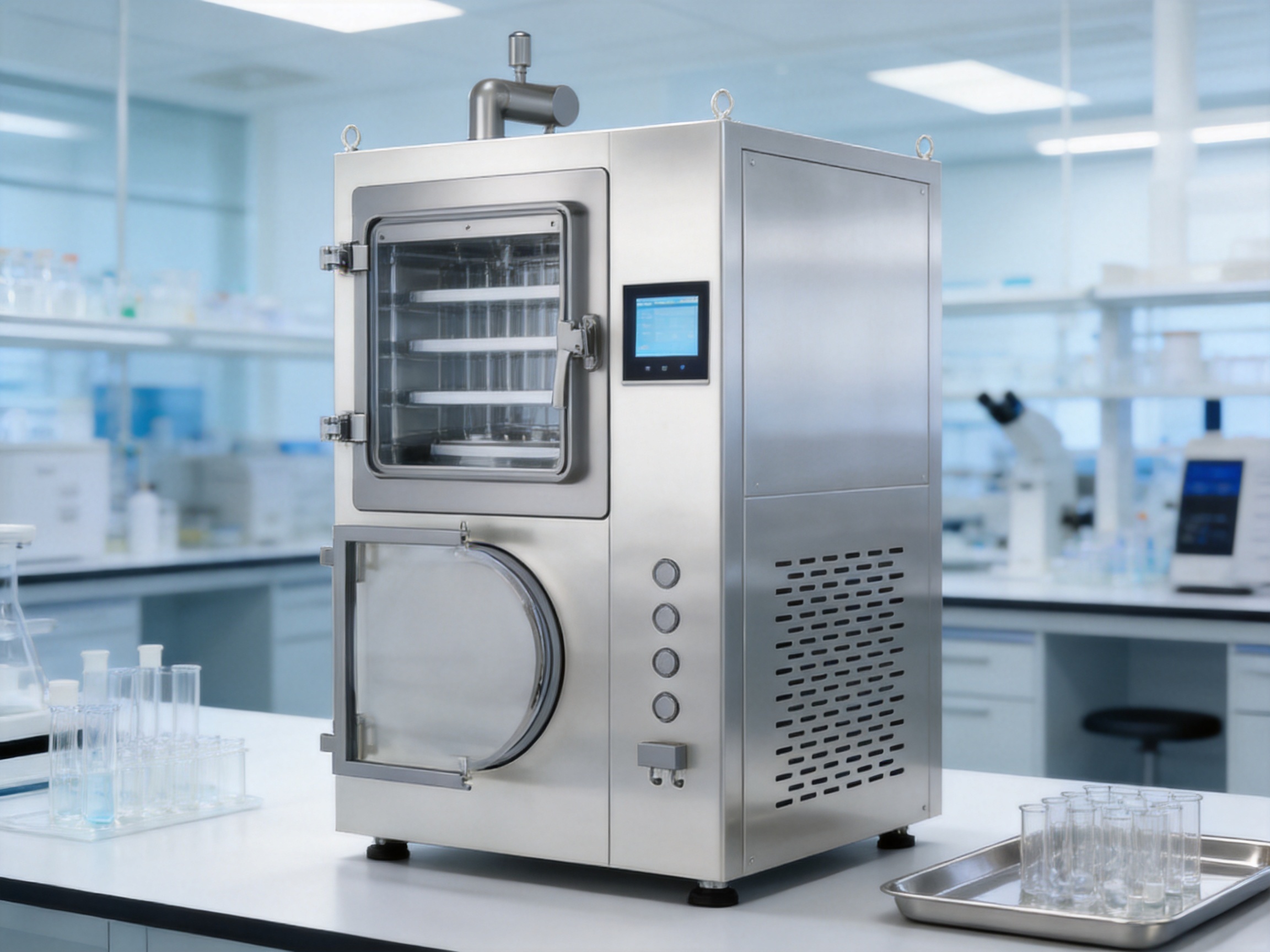
The equipment is manufactured by Jiangsu BoLaiKe refrigeration science and technology development Co., Ltd., a Chinese high-technology enterprise specializing in vacuum freeze-drying and refrigeration equipment. The company was established in 2014 in Changzhou, Jiangsu, while its predecessor entered the refrigeration industry in 2003 and began developing vacuum freeze-drying technology at an early stage.
This long-term industry background gives the manufacturer experience across refrigeration engineering, vacuum systems, equipment integration, and freeze-drying process requirements. Rather than treating the freeze dryer as a collection of unrelated components, the company develops complete systems that combine refrigeration, vacuum, heating, control, structure, and service functions.
The company operates an integrated professional team covering research and development, engineering, sales, installation, commissioning, and after-sales service. This structure can improve communication between equipment design and field operation. It also helps ensure that installation and commissioning requirements are considered during the engineering stage.
The manufacturer has established partnerships with universities and research institutions, including agricultural research organizations and Jiangnan University. These relationships support practical technology development and provide opportunities to understand the needs of research laboratories, food scientists, pharmaceutical engineers, and bioprocess specialists.
More than 100 national invention and utility-model patents have been obtained by the company. The supplied technical materials identify patented concepts associated with integrated energy-efficient refrigeration and cold-energy recovery. Patents alone do not guarantee a product’s suitability for every application, but they indicate continued investment in original equipment engineering and process-improvement technologies.
The company has moved into a modern manufacturing base covering approximately 24,000 square meters. A dedicated manufacturing facility supports organized production, equipment assembly, inspection, testing, and project coordination. For customers purchasing customized systems, manufacturing infrastructure is important because special dimensions, control configurations, refrigeration options, and installation requirements must be managed without compromising quality.
The company’s products are exported to more than 30 countries and regions. International project experience can help the manufacturer understand different electrical standards, documentation expectations, installation environments, language requirements, and customer-service practices.
Advanced freeze-drying equipment requires a coordinated manufacturing process. The first stage is application analysis. Engineers review the customer’s product type, expected batch size, fill volume, container format, required shelf temperature, condenser temperature, vacuum range, cycle duration, cleaning method, and facility conditions.
The second stage is equipment configuration. For the BLK-FD-0.1, this may involve confirming the shelf-temperature range, refrigeration-panel option, vacuum-pump arrangement, control-system language, screen position, data-recording requirements, and connection standards. Early configuration decisions help prevent mismatches between the equipment and the intended laboratory process.
The third stage is mechanical and thermal design. Engineers must calculate heat-transfer requirements, refrigeration capacity, vapor load, vacuum conductance, insulation performance, shelf arrangement, and structural support. These calculations are important because the machine must remain stable under both empty-chamber testing and loaded process conditions.
The fourth stage is material preparation and fabrication. Product-contact components are produced from 316 stainless steel and finished to the required surface condition. Welds, corners, ports, and internal surfaces must be designed for cleanability and inspection. Hygienic connection methods are selected to avoid unnecessary crevices.
The fifth stage is system integration. The refrigeration, vacuum, heating, control, and safety systems are connected and tested as one unit. Integration is especially important in a freeze dryer because the systems interact continuously. For example, refrigeration performance affects vapor capture, vapor capture affects vacuum stability, vacuum stability affects sublimation, and sublimation affects product temperature.
The sixth stage is factory testing. Typical checks may include chamber leakage, vacuum attainment, shelf-temperature response, refrigeration-panel temperature, heating uniformity, control-system operation, alarm functions, electrical safety, and data recording. The exact test plan should be defined according to the purchase specification and applicable customer requirements.
The final stage is installation, commissioning, and user support. The manufacturer’s integrated service team can assist with equipment placement, utility connections, start-up, operating instruction, process familiarization, and after-sales service. This is particularly valuable for laboratories that are purchasing their first research-scale freeze dryer.
One of the most important benefits of the product family is the possibility of scaling research activities across related equipment models. The available laboratory specifications include models with tray areas of 0.1, 0.2, 0.5, 1, and 2 square meters. Their typical loading capacities range from approximately 1 kilogram to 20 kilograms.
A laboratory team may begin with the BLK-FD-0.1 while screening formulations and identifying suitable freezing and drying parameters. When the formulation becomes more mature, a larger model can be used to evaluate loading patterns, increased batch thickness, longer vapor paths, and larger heat-transfer demands.
Scale-up is never achieved by multiplying the batch size alone. The relationship between shelf area, product thickness, vial spacing, vapor flow, condenser capacity, chamber pressure, and heat transfer must be examined. However, using equipment from a related design family can reduce the number of unknowns during this transition.
The BLK-FD-0.1 is especially useful as a bridge between laboratory research and compliant pilot production. Its GMP-oriented materials and traceable control features allow researchers to establish procedures that are more compatible with larger pharmaceutical equipment. This can reduce the risk of discovering major process differences only after substantial investment has been made.
For CDMO enterprises, pharmaceutical biotechnology companies, and national laboratories, this bridge function may be particularly valuable. A compact research platform can support multiple customer projects, reduce formulation-development costs, and accelerate the transfer of successful cycles to larger systems.
A successful freeze-drying experiment begins with product preparation. The formulation should be mixed and filtered or otherwise prepared according to the applicable process procedure. Fill volume, container type, and container arrangement should be recorded because they influence heat transfer and drying resistance.
The next step is loading. Trays or containers should be arranged consistently to support repeatable results. Uneven loading can create differences in product temperature and vapor movement. Researchers should also confirm that the total product load is within the specified capacity of the equipment.
The freezing stage should be programmed according to product sensitivity. A controlled ramp may be used to investigate nucleation and ice-crystal formation. Some formulations may require a hold step or annealing stage. The selected profile should be recorded as part of the experimental protocol.
During primary drying, chamber pressure and shelf temperature must be controlled so that the product remains below its critical temperature. The refrigeration panel captures sublimated vapor, while the vacuum system maintains the low-pressure environment. Pressure and temperature trends should be reviewed to identify deviations or unexpected changes in drying behavior.
Secondary drying follows the removal of most visible or free ice. Shelf temperature may be increased gradually to remove bound moisture. The required secondary-drying conditions depend on the product’s stability requirements and target residual moisture.
After completion, the product should be inspected for cake appearance, shrinkage, collapse, melt-back, cracking, color change, and reconstitution performance. Analytical testing may include residual moisture, potency, particle size, sterility-related tests, biological activity, or structural analysis depending on the application.
Finally, the cycle record should be reviewed and archived. The audit-trail function and process data can help correlate product results with equipment conditions. This information supports future cycle optimization and improves the quality of development reports.
Reliable freeze-drying performance depends on regular maintenance. The vacuum system should be inspected for leaks, pump condition, oil quality where applicable, and connection integrity. Refrigeration components should be maintained according to the manufacturer’s schedule, and the refrigeration panel should be checked for frost behavior and temperature performance.
Product-contact surfaces should be cleaned using procedures compatible with 316 stainless steel, silicone seals, and the intended formulation residues. Smooth surfaces and hygienic connections simplify cleaning, but they do not eliminate the need for validated or documented procedures.
Operators should inspect seals for wear, deformation, cracking, or loss of elasticity. A damaged seal can cause vacuum leakage, extended cycle times, and inconsistent process results. Replacing seals proactively may prevent larger interruptions.
Control-system records should be backed up and reviewed according to laboratory data-management procedures. User permissions, recipe controls, and audit-trail records should be managed so that only authorized personnel can change critical settings.
Because the BLK-FD-0.1 integrates multiple technical systems, preventive maintenance should address the entire machine rather than focusing only on the vacuum pump. Refrigeration, heating, sensors, valves, electrical components, software, and mechanical seals all contribute to process reliability.
Although the BLK-FD-0.1 is a standardized model, the final configuration should be selected according to the intended application. Customers should identify the product type, water content, expected load, container format, target moisture level, and required process temperature.
The refrigeration-panel temperature is an important choice. A lower panel temperature may provide additional vapor-capture capacity, but it may also affect system cost, energy demand, and maintenance requirements. The appropriate option should be based on the worst-case process load rather than an average batch.
The shelf-temperature specification should also be confirmed. The supplied product information describes an operating range of -40°C to +80°C, while the model table lists -55°C to +80°C. This difference may reflect different configurations or specification standards. The purchaser should request a final technical document identifying the guaranteed range for the quoted machine.
Control-system requirements should be discussed before ordering. These may include language selection, user access levels, data export, audit-trail format, remote monitoring, alarm notifications, recipe storage, and screen placement.
Facility requirements should include electrical power, room temperature, ventilation, drainage, vacuum-pump location, service clearance, floor loading, and access for delivery. The installed power for the listed model is approximately 4.0 kW, but the final utility requirement should be confirmed for the selected configuration.
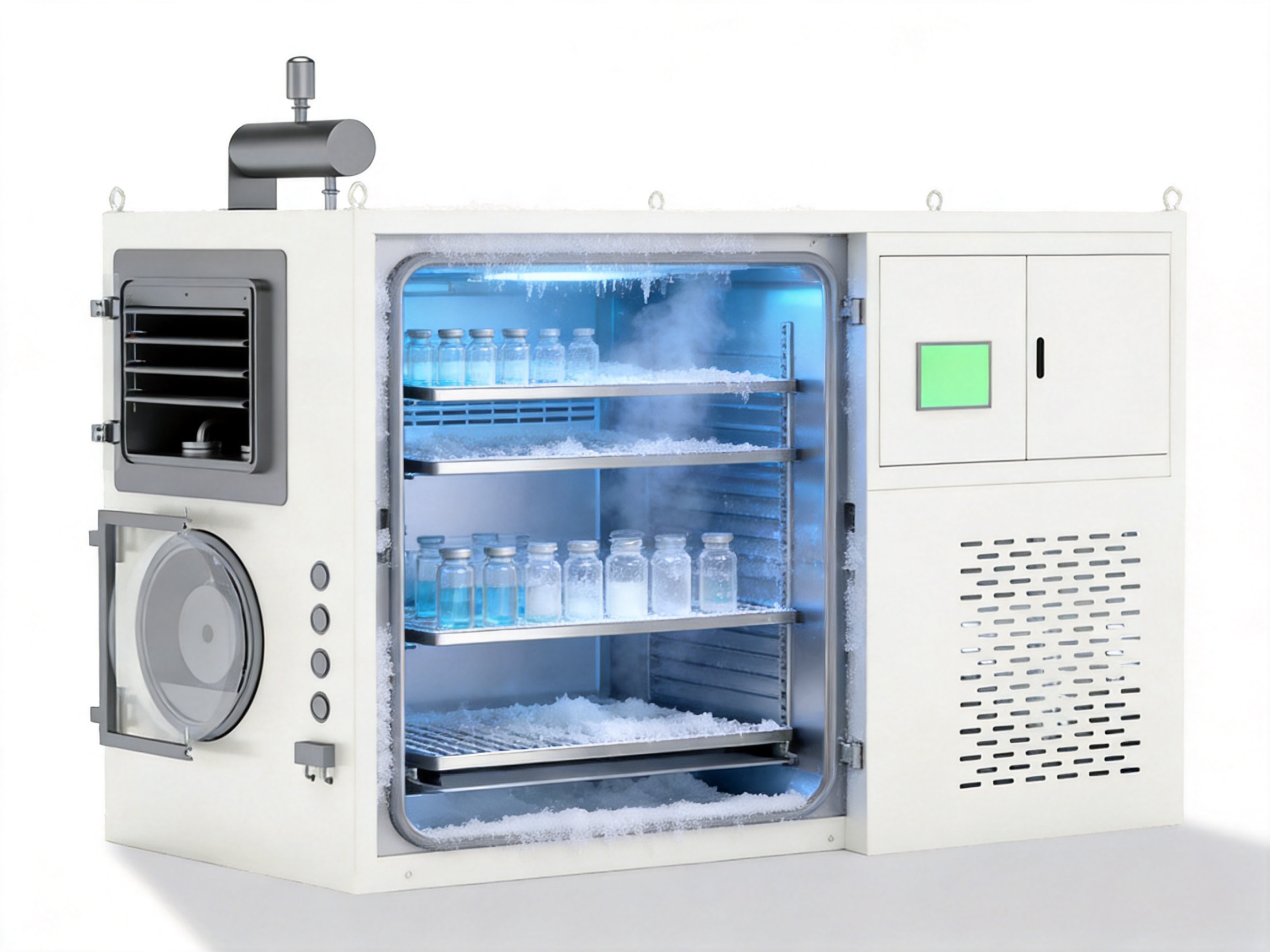
The BLK-FD-0.1 offers value beyond its initial purchase price because it can support an extended research and development pathway. A laboratory may use it for formulation screening, process characterization, sample preservation, stability studies, and early scale-up preparation.
Its one-kilogram capacity helps organizations avoid using large amounts of expensive materials during early experiments. This can be especially beneficial for biologics, gene-therapy components, specialty chemicals, and advanced materials that are costly or difficult to produce.
The machine can also reduce the risk of technology-transfer failure. If development work is performed on equipment with limited control and poor data traceability, important process behavior may be hidden. A more advanced research platform generates information that is more useful when designing larger equipment cycles.
For CDMO organizations, the unit can provide a flexible development service for multiple customers. Its compact footprint supports installation in a development suite, while its controlled process functions allow customer-specific cycles to be evaluated under a more professional equipment framework.
For universities and national laboratories, the instrument can serve as a shared research platform. Different departments may use it for pharmaceutical formulations, agricultural products, biomaterials, tissue engineering, microbiology, or food science. The customizable control interface and broad temperature range support diverse research programs.
For manufacturers, investment in a development-scale freeze dryer can shorten the time between laboratory discovery and pilot production. Researchers can use the equipment to establish a practical process, identify critical parameters, and prepare documentation before moving to a larger commercial system.
Jiangsu BoLaiKe refrigeration science and technology development Co., Ltd. provides vacuum freeze-drying equipment and cold-storage engineering solutions for food, fruits and vegetables, medicinal herbs, health supplements, bioproducts, chemical materials, and other industries.
The company’s experience across multiple sectors is useful because freeze-drying challenges vary substantially by product. Food products may prioritize texture, color, and rehydration. Pharmaceutical products may emphasize sterility, potency, residual moisture, and data integrity. Biological materials may require preservation of viability or structure. A manufacturer serving several industries can apply broader process experience to equipment development.
The company provides services through a professional team covering research and development, engineering, sales, installation, commissioning, and after-sales support. This full-project approach can simplify communication for customers who need not only a machine but also assistance with installation, operation, and process implementation.
Its manufacturing base and international export experience support customized equipment projects. Customers may require different electrical standards, documentation formats, control languages, chamber arrangements, refrigeration systems, and connection configurations. A manufacturer with international project experience is better positioned to coordinate these requirements.
The company’s stated focus is the development of green, environmentally friendly, intelligent, and reliable high-end freeze-drying solutions. The energy-saving structure, cold-energy recovery system, central control system, and remote monitoring functions are consistent with this direction.
Like any experimental instrument, the BLK-FD-0.1 must be matched to the product and process. Its rated capacity should not be treated as a guarantee that every product can be dried in one kilogram loads. Product thickness, fill depth, formulation solids, container geometry, and vapor-generation rate all affect performance.
Temperature and refrigeration specifications should be confirmed in the final quotation because the supplied materials contain more than one value for the shelf and refrigeration-panel ranges. The buyer should request a detailed specification identifying guaranteed minimum and maximum temperatures, measurement locations, tolerances, ramp rates, and uniformity requirements.
Energy-saving figures should be interpreted as indicative performance results rather than universal guarantees. Actual consumption depends on ambient conditions, loading, cycle duration, refrigeration settings, and operating frequency.
The equipment’s audit-trail function supports data integrity, but laboratory users must still establish appropriate procedures for user permissions, record retention, backup, review, electronic signatures where applicable, and system validation.
Finally, the equipment should be evaluated together with the complete facility. Applications involving toxic, radioactive, infectious, or highly potent materials may require special containment, filtration, exhaust, cleaning, and waste-management systems that are outside the basic freeze-dryer package.
The BLK-FD-0.1 is designed for laboratory research, pharmaceutical and biochemical process development, formulation screening, biological sample preservation, and small-scale sample preparation. It is intended for users who need controlled freeze-drying conditions rather than simple dehydration.
The typical rated loading capacity is approximately 1 kilogram. The practical load should be determined according to the formulation, container arrangement, product thickness, and required drying performance.
The effective tray or shelf area is approximately 0.1 square meters. This makes the unit suitable for development batches, small experiments, and material-saving formulation studies.
The product description specifies approximately -40°C to +80°C, while the model specification lists -55°C to +80°C. The exact guaranteed range depends on the selected configuration and should be confirmed in the final technical documentation.
Available configurations include low-temperature refrigeration panels, with the supplied information referring to options around -70°C or lower as well as -45°C and -80°C configurations. The correct selection depends on product load and process requirements.
Low-temperature freezing can help produce smaller and more uniform ice crystals. This may support better structural preservation in liposomes, nanoparticles, cell carriers, biological matrices, and formulations requiring specific crystalline or amorphous states.
Yes. Its 316 stainless-steel product-contact surfaces, Ra ≤ 0.4-micrometer finish, hygienic connections, FDA-compliant silicone seals, controlled temperature system, vacuum operation, and audit-trail function make it suitable for many pharmaceutical and biopharmaceutical research applications.
It can support formulation screening and freeze-drying process development for vaccines, monoclonal antibodies, enzymes, hormones, and other protein products. Product-specific formulation, containment, cleaning, and validation requirements must be addressed by the user.
The control system incorporates an audit-trail function intended to record relevant operating actions and changes. Users should establish appropriate procedures for access control, data review, retention, backup, and validation.
Remote monitoring through a mobile application is supported. The final functions, access controls, and communication requirements should be confirmed according to the selected control-system configuration.
Yes. Available customization may include refrigeration-panel selection, control-system language, operation-screen position, connection requirements, and other project-specific details. Customers should provide process and facility information during the quotation stage.
Yes. The product family includes models with tray areas ranging from approximately 0.1 to 2 square meters and typical loading capacities from about 1 to 20 kilograms. Larger models can support later process-development and pilot-production activities.
Its advantages include GMP-oriented hygienic construction, low-temperature freezing, a large-capacity vapor-capture panel, audit-trail-enabled control, integrated refrigeration, energy-saving design, remote monitoring, and compatibility with a broader scale-up strategy.
Customers should confirm the guaranteed shelf-temperature range, refrigeration-panel temperature, vacuum performance, shelf uniformity, loading capacity, utility requirements, control functions, data-export capabilities, installation conditions, service scope, and documentation package.
The BLK-FD-0.1 is a compact experimental freeze dryer designed for laboratories that require professional process control, hygienic construction, and a pathway toward larger-scale production. Its 0.1-square-meter shelf area and approximately 1-kilogram capacity make it economical for early research, while its low-temperature freezing, heated shelves, low-temperature vapor capture, and vacuum performance support demanding formulation studies.
The equipment is particularly well suited to pharmaceutical and biochemical research involving biologics, vaccines, monoclonal antibodies, gene-therapy products, enzymes, hormones, liposomes, nanoparticles, microspheres, cell carriers, and biological preservation materials. Its GMP-oriented materials and surface finish help establish a cleaner and more controlled processing environment than many general-purpose laboratory dryers.
The audit-trail function and intelligent central control system strengthen process documentation and data traceability. Remote monitoring, multilingual customization, and flexible screen placement improve operational convenience. Integrated refrigeration, cold-energy recovery, and energy-saving engineering can help reduce operating costs and support more sustainable equipment use.
Behind the product is a manufacturer with experience in refrigeration and vacuum freeze-drying technology, an integrated engineering and service organization, a modern manufacturing base, international project experience, university and research-institution partnerships, and a portfolio of more than 100 national patents. These strengths support the development of customized and scalable freeze-drying solutions.
For research organizations seeking an instrument that can connect laboratory experimentation with future pilot production, the BLK-FD-0.1 offers a balanced combination of compact design, advanced process functions, hygienic engineering, intelligent control, and long-term development value.
1. Supplied product specification and technical description for the BLK-FD-0.1 experimental freeze dryer.
2. Supplied laboratory freeze-dryer model comparison covering shelf area, temperature range, refrigeration-panel temperature, vacuum degree, loading capacity, and installed power.
3. Supplied company profile for Jiangsu BoLaiKe refrigeration science and technology development Co., Ltd.
4. General principles of pharmaceutical lyophilization, including freezing, primary drying, secondary drying, critical product temperature, and residual-moisture control.
5. General GMP principles for pharmaceutical equipment materials, hygienic connections, cleanable surfaces, and product-contact design.
6. General data-integrity principles for computerized systems used in pharmaceutical research and process development.
7. General engineering practices for refrigeration systems, vacuum equipment, energy recovery, and freeze-dryer scale-up.
 2026/05/28
 2026/05/28
2026/05/28
2026/05/28
2026/05/28
2026/05/28


 Custom Industrial Lyophilizer Freeze Dryer Manufacturers





 English
 русский
 Español
 Français
 Deutsch
 عربى
عربى