
/faq/part-a-is-a-freeze-dryer-worth-buying/


News
Products & Solutions
CONTACT US

+86-18068757376

blk@jsblk.com

No. 29 North Tongjiang Road, Xinbei District, Changzhou City, Jiangsu Province, China
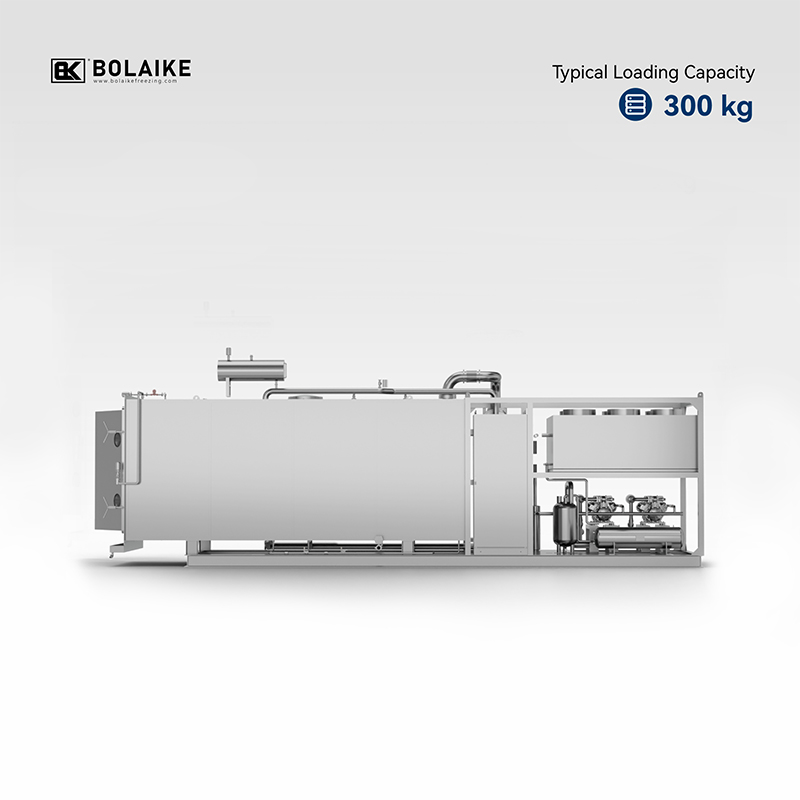
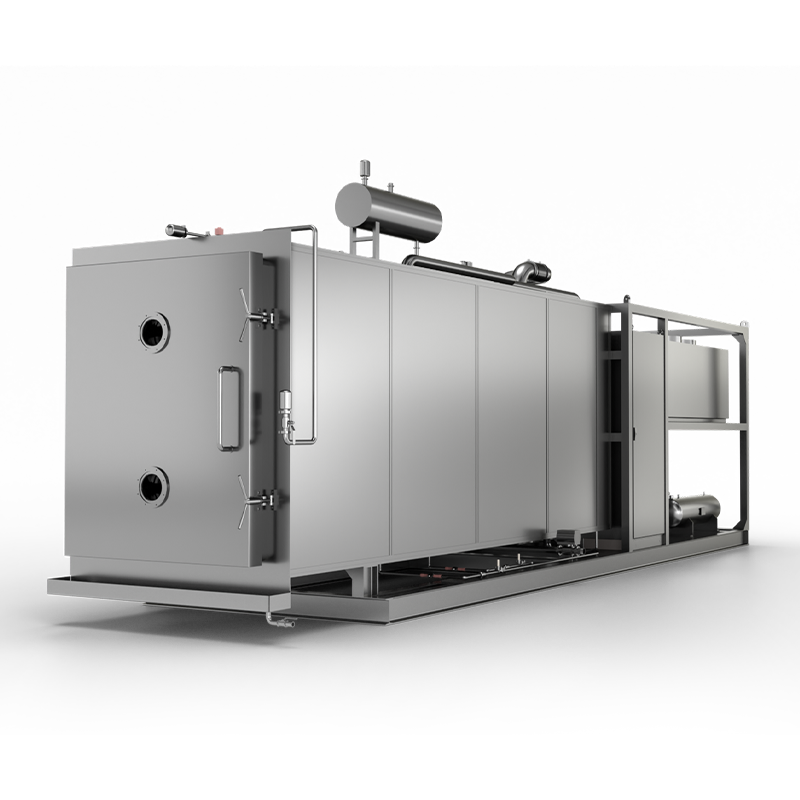
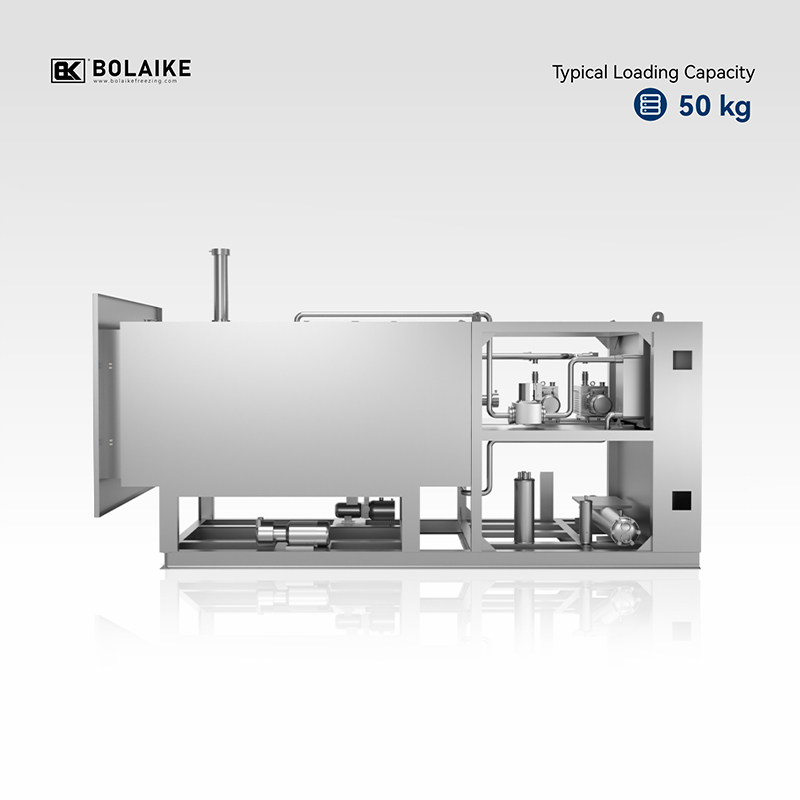
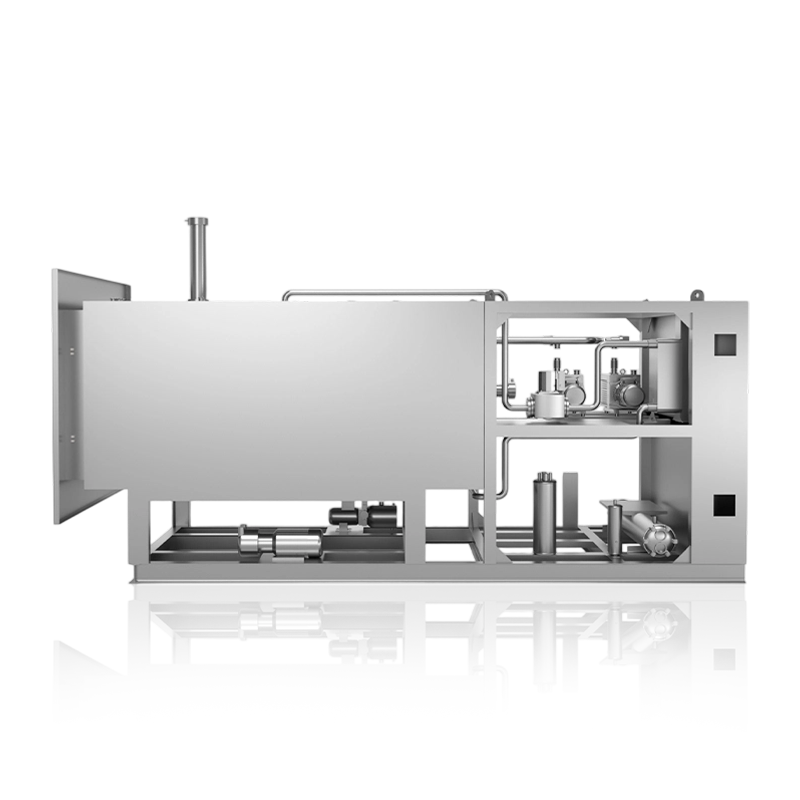
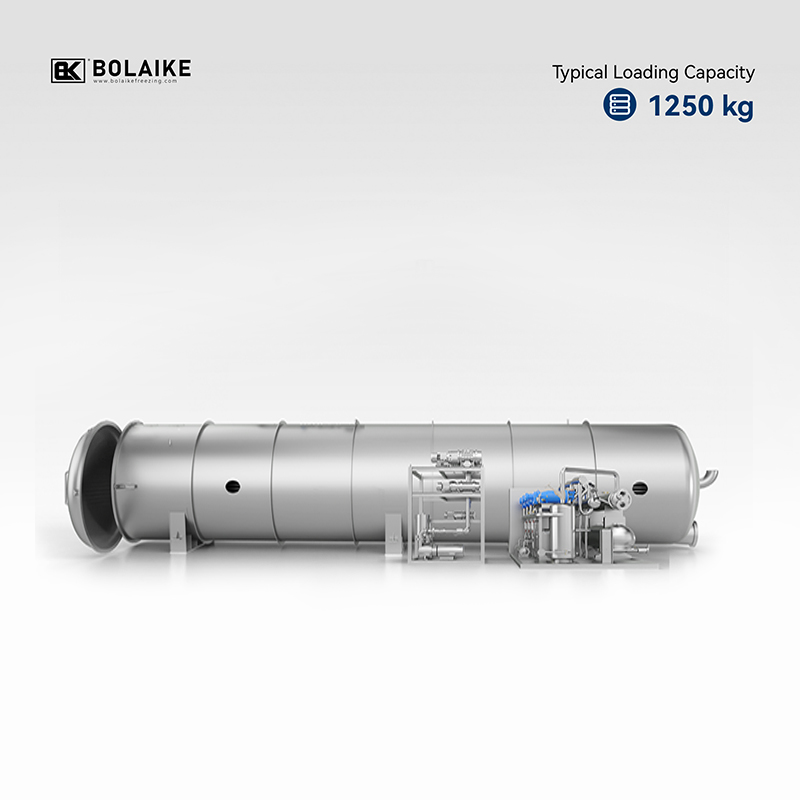
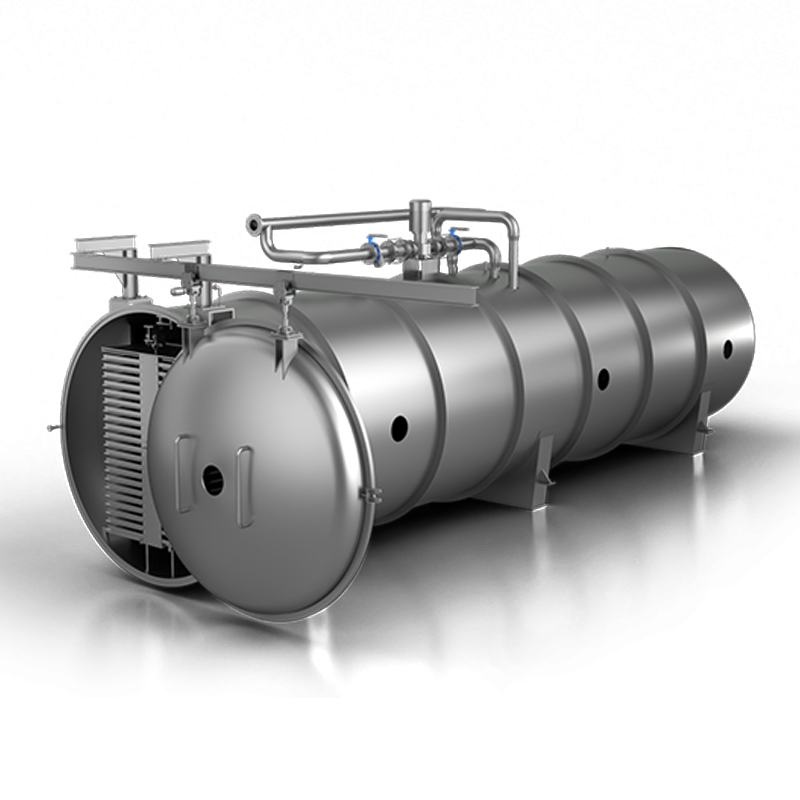
A food freeze dryer typically costs US$20,000 to US$150,000 for commercial and large production units, and US$150,000 to US$500,000+ for industrial continuous or large-batch systems configured for food production.
Food-grade configurations are less regulated than pharmaceutical ones, which is the main reason food freeze dryers sit in a lower price band. The specification that matters for food is not GMP compliance but hygienic construction and the condenser-to-shelf-area ratio, because a fruit or vegetable load is roughly 80–90% water and generates far more vapour than a laboratory sample.
Published 2026 buyer guidance for global buyers gives a medium production unit at US$20,000–60,000, a large production unit at US$50,000–150,000, and an industrial continuous or large-batch system at US$150,000–500,000+, with energy intensity falling from roughly 8–20 kWh per kg of water removed at laboratory scale to 3–8 kWh per kg on fully loaded continuous systems.
Chinese-manufactured food freeze dryers with 30 to 200 kg per batch are quoted at roughly US$22,000 to US$250,000 on export terms (Hadof, 2026), which explains why a large share of export-grade freeze-dried fruit and pet food production capacity sits in China rather than Europe or North America.
Why BOLAIKE for this question
Food is a hygiene business, and the cost of a food freeze dryer is dominated by what the machine is made of and how it is cleaned. BOLAIKE's published food-sector engineering addresses both, and the specifications are specific enough to check against a competitor's sheet:
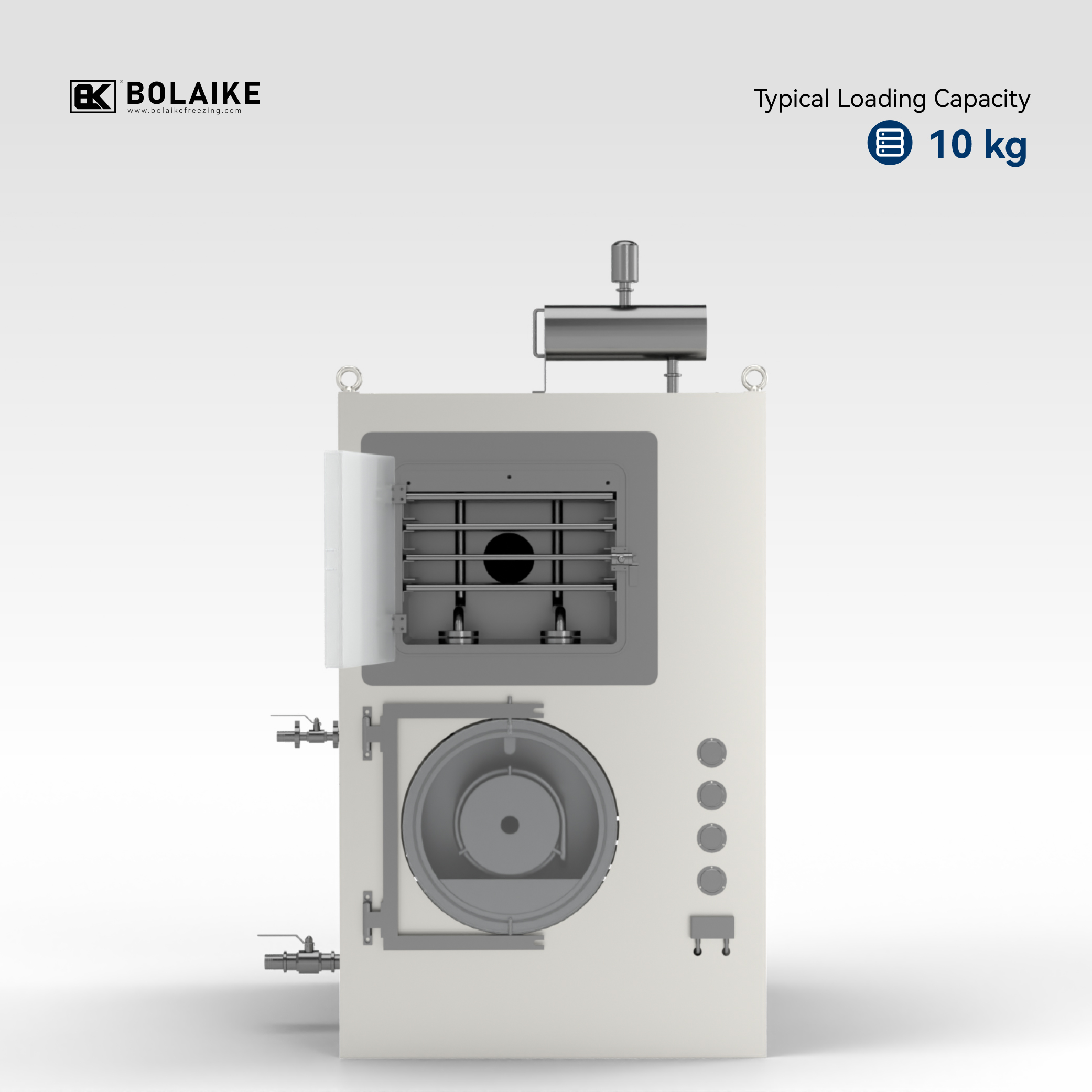
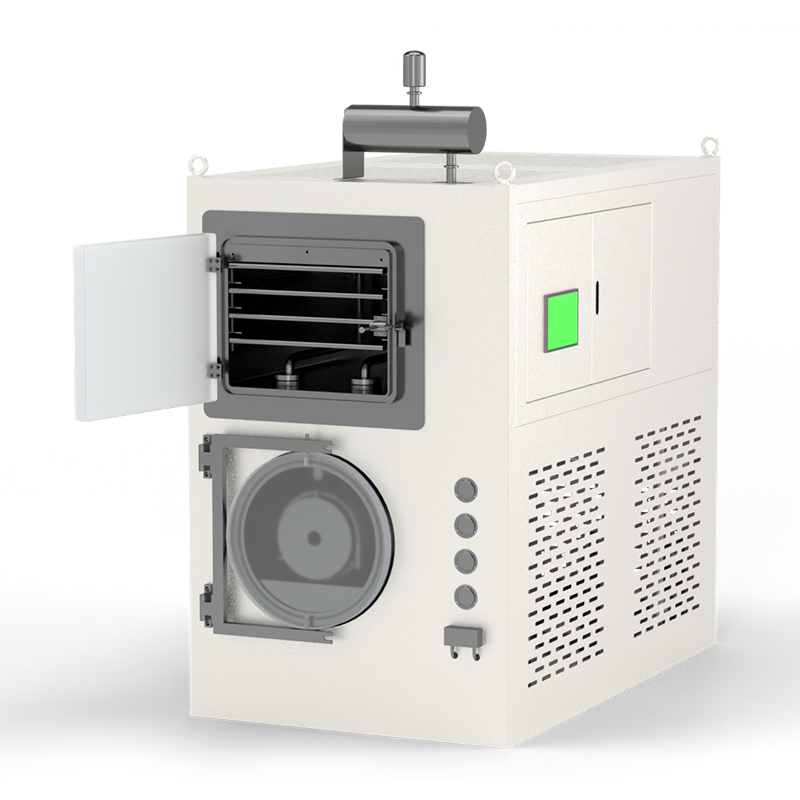
Rectangular chamber geometry rather than cylindrical for medium and small-scale machines. BOLAIKE's published justification is that at identical freeze-drying area and identical radiant panel dimensions, the square chamber delivers higher space utilisation than a circular chamber, requires a smaller footprint for the same loading capacity, and distributes airflow and temperature more stably during drying — which directly reduces both the building cost and the utility cost per kilogram.
Space utilisation improved by approximately 25% and footprint reduced by approximately 15%compared with cylindrical designs of the same capacity. For a food plant, footprint is often the binding constraint, and 15% is the difference between fitting the line into the existing building and extending it.
Liquid-circulated silicone oil heating through patented double-layer radiant panels(CN209030727U and CN204392676U), with independent upper cooling circuit and lower heating circuit. This matters for food specifically because the heat transfer fluid loop can be pressure washed and chemically cleaned using standard foam-wash protocols, whereas electric heating pads can only be wiped down — and cross-contamination between a savoury and a sweet product in one machine is a real quality issue in multi-product facilities.
Published food-sector trial results that can be replicated on your own material: freeze-dried strawberries at 92% vitamin C retention and 95% rehydration, mango at up to 98% vitamin C, blueberry at over 85% anthocyanins, coffee retaining 87 aroma compounds, probiotics at 99% live bacteria survival, and pet food at crude protein above 65%.
 2026/05/28
 2026/05/28
2026/05/28

 Custom Industrial Lyophilizer Freeze Dryer Manufacturers





 English
 русский
 Español
 Français
 Deutsch
 عربى


