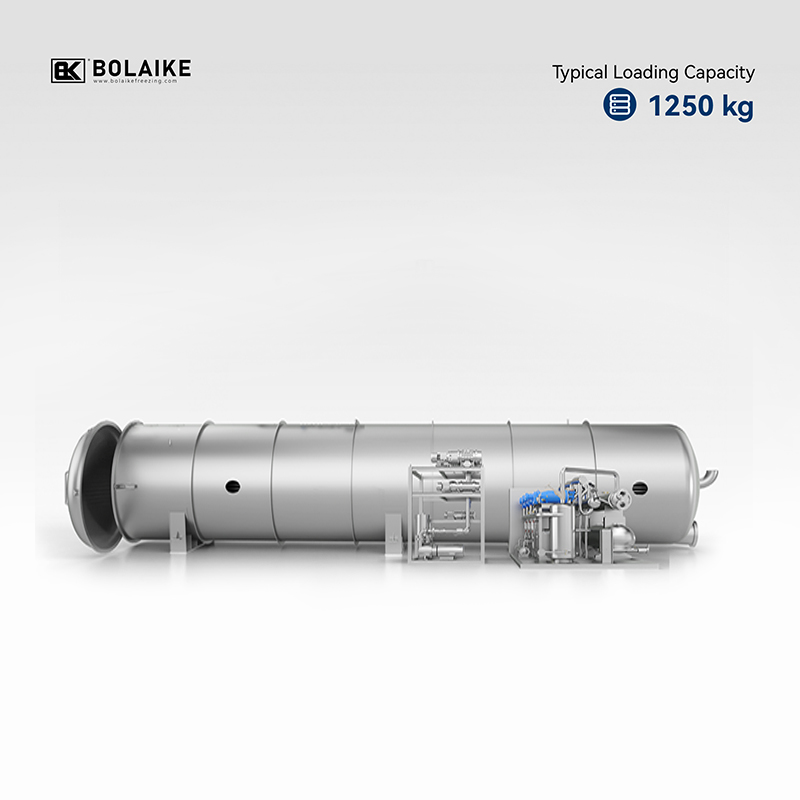
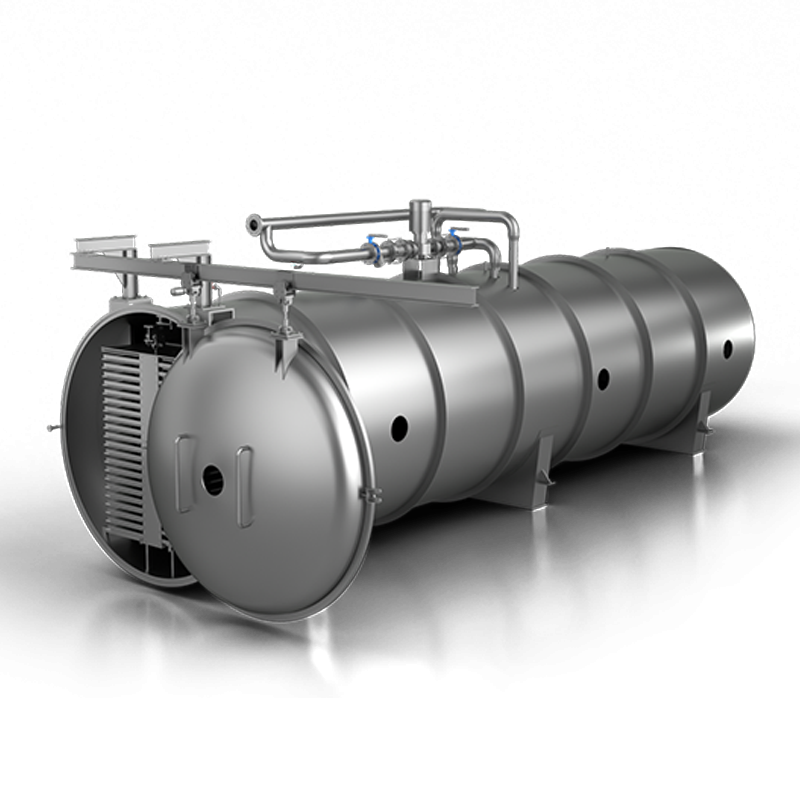
Freeze Drying Equipment Direct Overview and Definition
Freeze drying equipment represents sophisticated specialized machinery employing controlled temperature reduction and vacuum pressure to extract moisture from products including pharmaceuticals, biological materials, food products, and chemical compounds while preserving molecular structure and product integrity throughout extended processing cycles. Industrial scale freeze dryers ranging from 5 kilogram to 500 kilogram batch capacity enable production of pharmaceutical formulations, aerospace materials, and biotechnology products maintaining precise environmental parameters including vacuum pressure below 100 milliTorr and shelf temperatures ranging from negative 50 degrees Celsius to positive 25 degrees Celsius. Equipment selection including medium sized models for pilot production and large industrial installations for commercial manufacturing requires comprehensive analysis of production volume requirements, product characteristics, capital investment constraints, and operational maintenance capabilities ensuring optimal cost effectiveness and production reliability. Used freeze dryer equipment provides substantial cost savings of 40 to 60 percent compared to new equipment while delivering equivalent performance when properly evaluated and refurbished. Quality industrial equipment typically operates for 15 to 25 years with proper maintenance representing significant value for organizations establishing freeze drying capabilities.
Operational Capability
Processing capacity from laboratory scale to industrial production meeting diverse market requirements
Investment Options
New equipment or refurbished used dryers offering economic flexibility for budget conscious operations
Industry Applications
Pharmaceutical, biotechnology, food, and chemical industries demanding precision preservation
Large Scale Freeze Drying Equipment and Industrial Production Systems
Industrial scale freeze dryers represent major capital investments delivering substantial production capacity for manufacturing operations.
Equipment Specifications and Production Capacity Ranges
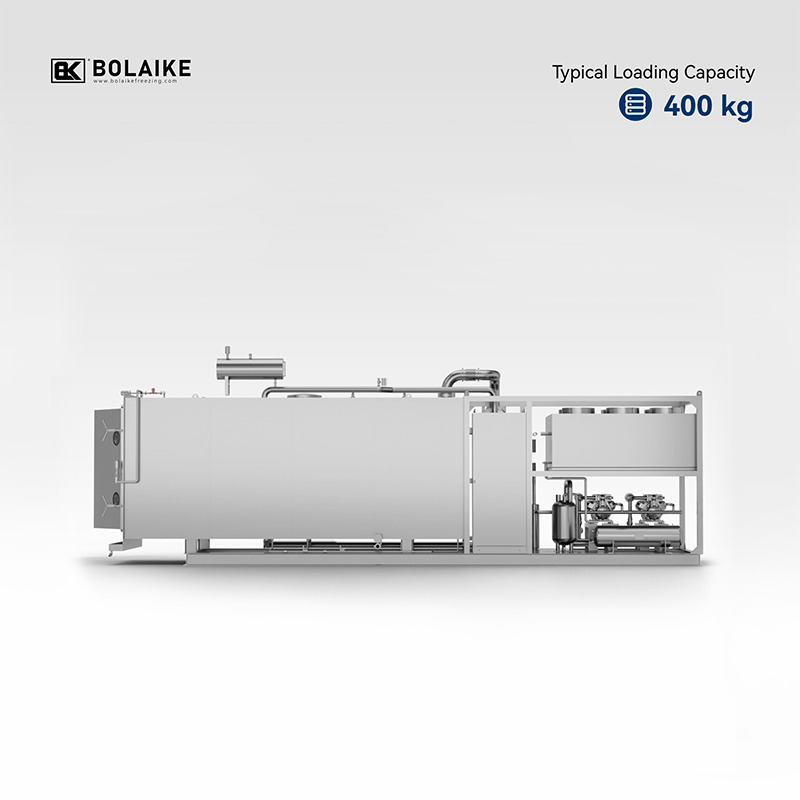
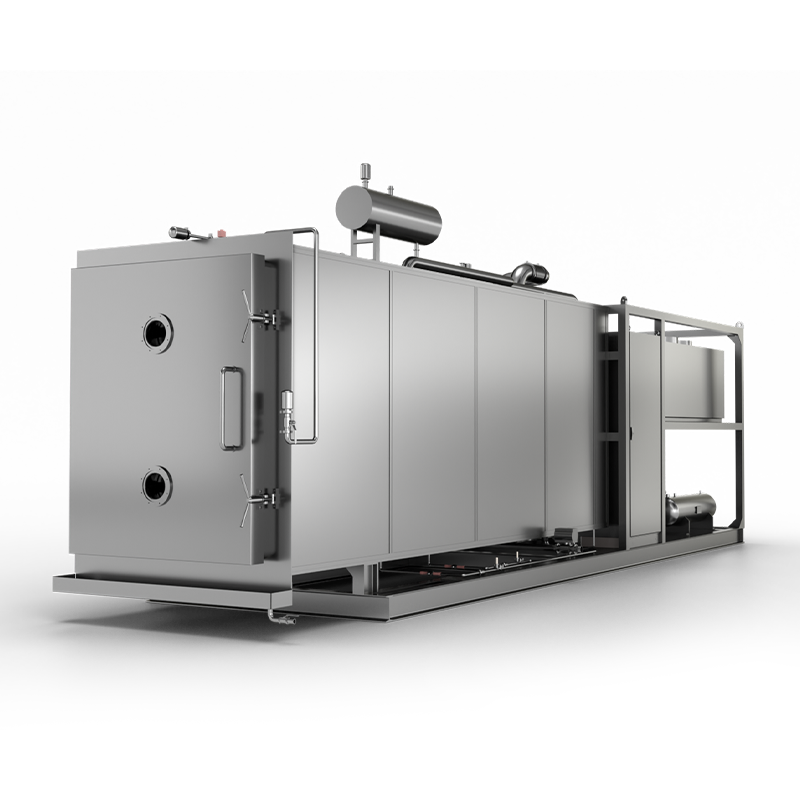
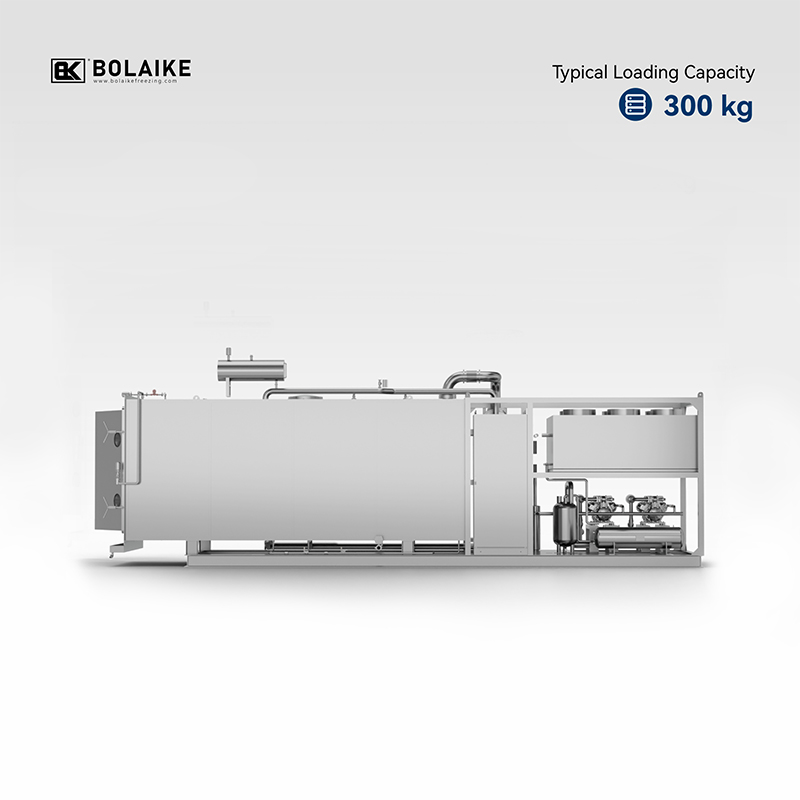
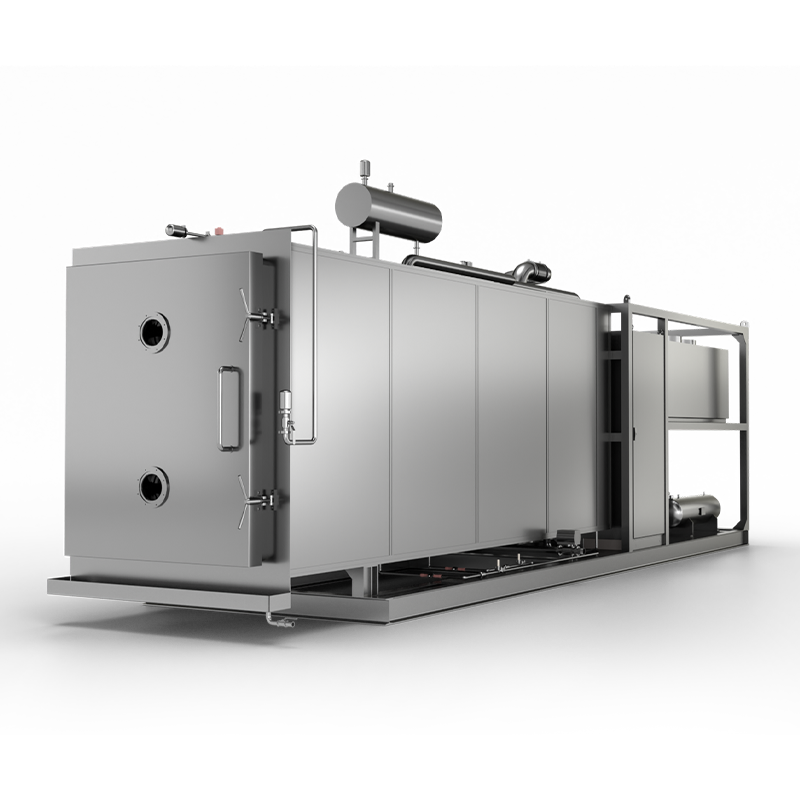
Large scale freeze dryers typically encompass batch capacities ranging from 100 kilogram to 500 kilogram per cycle enabling production of 500 to 1000 kilogram finished product weekly depending on product moisture content and drying time requirements. Equipment footprint typically spans 20 to 50 square meters including primary drying chamber, condenser systems, vacuum pumps, and control systems requiring dedicated facility space and utility infrastructure. Shelf area within drying chambers ranges from 5 to 40 square meters accommodating diverse container formats including pharmaceutical vials, cartridges, and trays.
- 50 to 150 kg batch capacity
- Primary drying 18 to 36 hours
- Equipment cost 200000 to 400000 USD
- Floor space 15 to 25 m²
- 6 to 12 cycles monthly
- 200 to 300 kg batch capacity
- Primary drying 24 to 48 hours
- Equipment cost 400000 to 800000 USD
- Floor space 30 to 40 m²
- 12 to 24 cycles monthly
- 300 to 500 kg batch capacity
- Primary drying 30 to 60 hours
- Equipment cost 800000 to 1500000 USD
- Floor space 40 to 50 m²
- 24 to 40 cycles monthly
Temperature Control and Vacuum System Architecture
Advanced temperature management systems maintain shelf temperatures within plus or minus 2 degrees Celsius throughout multi phase drying cycles including primary drying at negative 40 to negative 10 degrees Celsius and secondary drying warming to positive 20 to 25 degrees Celsius enabling optimal moisture removal rates and product stability preservation. Rotary vane vacuum pumps and diffusion pump combinations achieve vacuum pressures below 50 milliTorr enabling efficient water vapor removal. Condenser systems utilizing refrigeration cascade technology maintain condenser temperatures below negative 60 degrees Celsius enabling complete water vapor capture preventing pump contamination.
Containment and Product Flexibility Features
Large industrial freeze dryers accommodate diverse product containers including pharmaceutical vials ranging from 2 milliliter to 50 milliliter capacity, lyophilization trays for bulk materials, and specialized cartridge systems enabling pharmaceutical manufacturers to process complete product portfolios within single equipment platform. Multi shelf arrangements with 4 to 12 individual shelves enable custom loading patterns optimizing batch composition and product segregation maintaining pharmaceutical separation and sterility requirements throughout manufacturing processes.
Control Systems and Data Acquisition
Modern industrial equipment incorporates advanced programmable logic controllers and human machine interfaces enabling precise cycle programming and real time process monitoring with automated alarm notifications identifying deviations from specified parameters. Data logging systems record temperature, pressure, and condenser performance throughout complete drying cycles enabling batch documentation supporting FDA compliance and traceability requirements. Remote monitoring capabilities enable operators to track processing progress from office facilities reducing facility staff requirements.
Medium Sized Freeze Drying Equipment and Pilot Production Applications
Medium sized freeze drying equipment bridges gap between research laboratory capabilities and full industrial production enabling pilot production and moderate volume manufacturing.
Equipment Specifications and Functional Characteristics
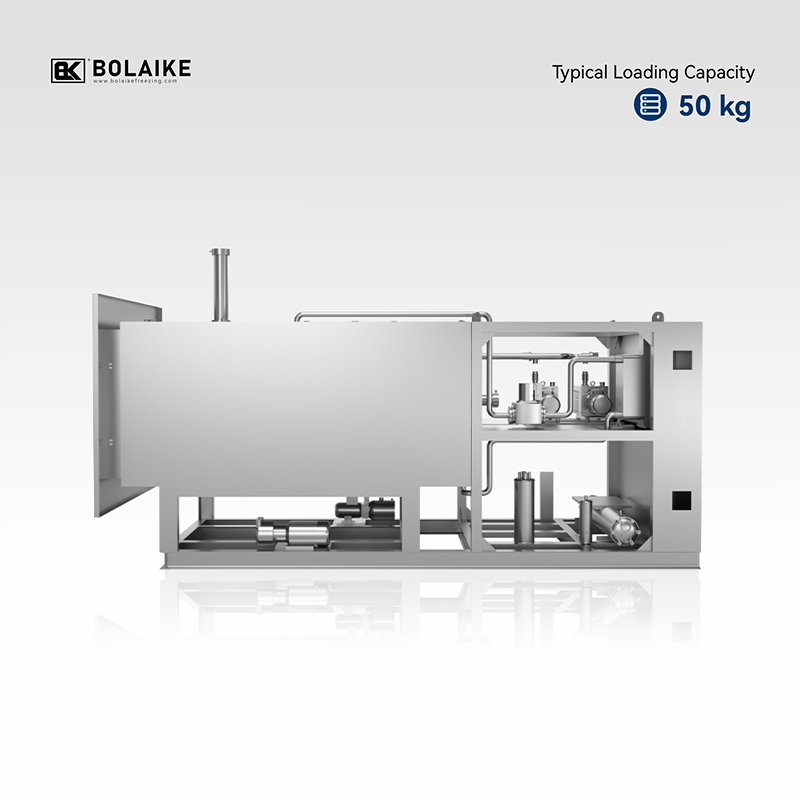
Medium sized freeze dryers typically feature batch capacities of 25 to 100 kilogram enabling production of 50 to 300 kilogram finished product monthly providing economics significantly superior to small laboratory equipment while maintaining equipment cost between 150000 to 350000 USD representing rational investment for pilot production and emerging manufacturing operations. Shelf area ranges from 1 to 4 square meters accommodating standard pharmaceutical vial trays and bulk material pans. Equipment footprint typically spans 8 to 15 square meters requiring moderate facility modifications.
Production Workflow and Cycle Optimization
Typical medium scale operating cycles require 12 to 24 hours enabling 1 to 2 production batches daily enabling flexible production schedules and rapid response to market demands. Drying time variations depend on product composition with aqueous pharmaceuticals requiring 12 to 18 hours while bulk botanical materials may require 20 to 30 hour cycles. Product moisture content reduction from initial 30 to 50 percent water content to final 1 to 3 percent moisture levels requires carefully controlled temperature ramping and vacuum modulation preventing product degradation.
Operational Economics and Return on Investment
Medium scale equipment investment typically returns within 18 to 36 months through production revenue enabling organizations to establish sustainable freeze drying operations without excessive capital burden. Operating costs including refrigeration electricity, vacuum pump maintenance, and condenser coolant typically range from 5000 to 15000 USD monthly depending on production intensity and product characteristics. Equipment depreciation over 10 to 15 year service life distributes capital cost across thousands of production batches enabling cost effective pricing competitive with contract manufacturing services.
Maintenance and Regulatory Compliance
Medium scale equipment requires quarterly preventive maintenance including condenser coil cleaning, vacuum pump oil changes, and temperature sensor calibration ensuring consistent performance and regulatory compliance. Annual service by qualified technicians includes complete system inspection and pressure test validation ensuring continued safe operation. Maintenance costs typically span 2 to 5 percent of equipment purchase price annually enabling organizations to budget operational expenses accurately.
Experimental Freeze Dryer Laboratory Equipment and Development Applications
Laboratory scale equipment enables product development, formulation optimization, and small batch production for research and development organizations.
Equipment Capacity and Laboratory Specifications
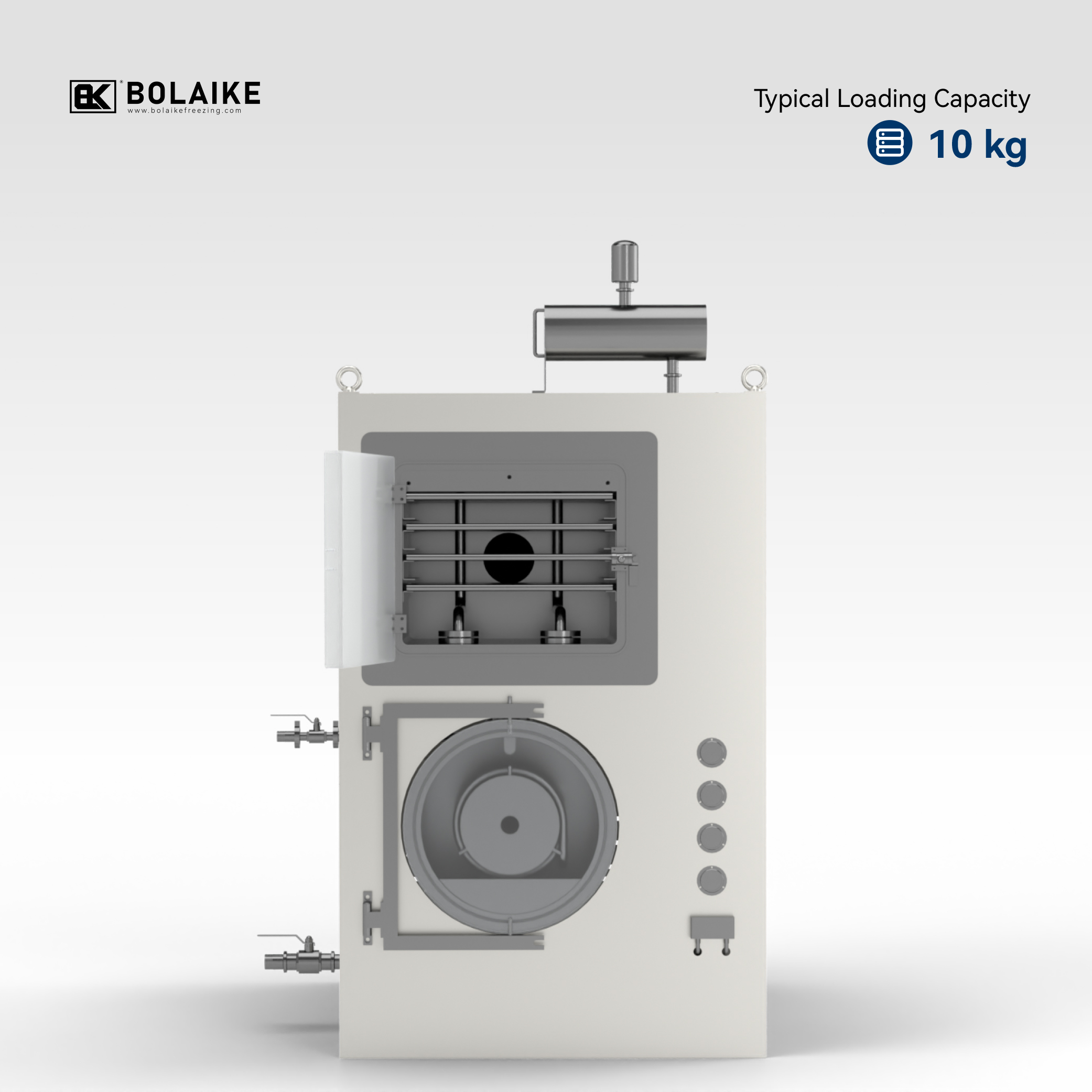
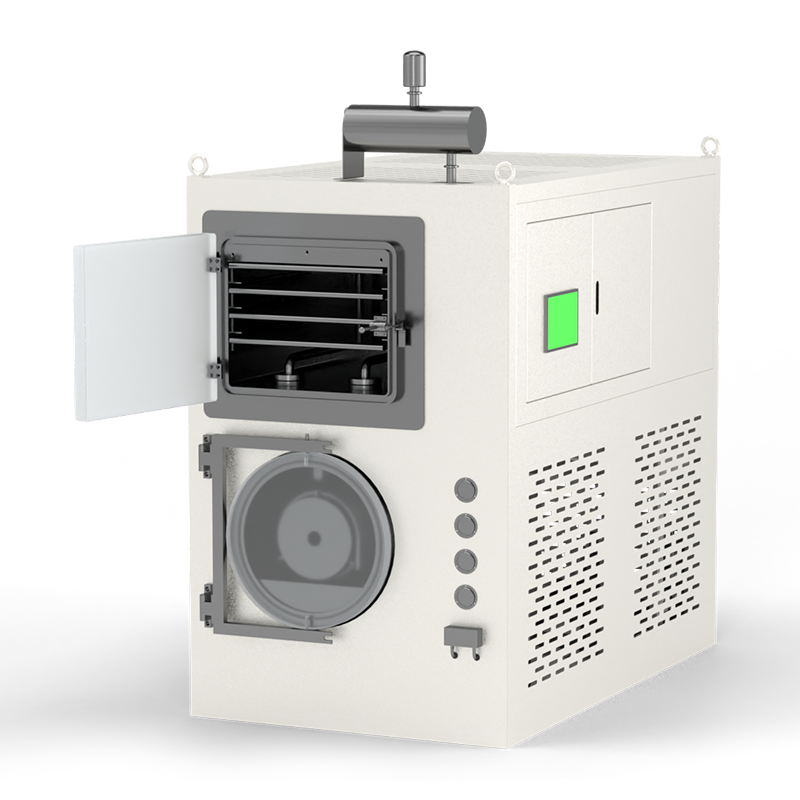
Experimental freeze dryers typically feature batch capacities from 1 to 10 kilogram enabling research organizations to evaluate product behavior under controlled freeze drying conditions while minimizing material consumption and accelerating development timelines. Compact equipment design fitting standard laboratory benches requires minimal facility modification enabling rapid deployment within existing research facilities. Equipment costs ranging from 30000 to 80000 USD enable cost effective entry into freeze drying technology for developmental organizations.
Research and Development Cycle Support
Laboratory equipment enables rapid cycle development with complete drying capability within 4 to 8 hours enabling researchers to execute multiple experiments weekly accelerating formulation optimization and process parameter evaluation. Temperature programming flexibility enables researchers to explore diverse drying strategies including controlled nucleation techniques and temperature cycling protocols supporting advanced research methodologies. Data acquisition systems capture complete cycle parameters enabling detailed analysis of product behavior and process optimization.
Development Speed
Rapid cycle capability enabling multiple experiments weekly accelerates time to market for new product formulations and processes
Material Efficiency
Small batch size enables evaluation using minimal quantities of expensive active ingredients and development materials
Scalability Path
Research results transfer readily to pilot and production equipment enabling seamless development to manufacturing transition
Cost Effectiveness
Reasonable equipment investment enables organizations to establish internal research capabilities without external contract services
Operational Parameters and Process Optimization
Experimental equipment typically operates within temperature range from negative 60 degrees Celsius to positive 50 degrees Celsius and vacuum pressures below 100 milliTorr enabling comprehensive evaluation of freeze drying process variables. Manual or semi automatic vacuum and temperature control enables precise manipulation of drying parameters supporting detailed process optimization and research protocols. Condenser system capacity typically ranges from 2 to 5 kilogram ice collection enabling continuous operation without interruption.
Training and Skill Development
Laboratory equipment provides ideal training platform enabling operators to develop freeze drying expertise without expensive mistakes on production equipment. Straightforward operation and minimal maintenance requirements enable rapid technician training and reliable operation by diverse facility personnel. Educational value extends beyond simple equipment operation enabling deep understanding of freeze drying principles and process optimization strategies.
Freeze Dry Machine Comparative Analysis and Technology Evaluation
Equipment selection requires comprehensive evaluation of technical specifications, operational requirements, and economic factors.
Comprehensive comparison of freeze drying equipment across different scales and applications
| Equipment Type |
Batch Capacity |
Cycle Time |
Equipment Cost |
Monthly Operating |
Primary Use |
| Experimental |
1 to 10 kg |
4 to 8 hrs |
30k to 80k USD |
1k to 2k USD |
R and D development |
| Small Pilot |
10 to 50 kg |
8 to 16 hrs |
80k to 150k USD |
2k to 4k USD |
Pilot production |
| Medium Scale |
50 to 100 kg |
12 to 24 hrs |
150k to 350k USD |
5k to 15k USD |
Small manufacturing |
| Large Industrial |
300 to 500 kg |
30 to 60 hrs |
800k to 1500k USD |
20k to 40k USD |
Commercial manufacturing |
Performance Specifications and Standardized Metrics
Equipment evaluation requires assessment of condensation rate typically ranging from 2 to 8 kilogram water per hour enabling calculation of total drying time and production throughput. Vacuum pump speed measured in liters per second determines capability to maintain target pressures and respond to outgassing phenomena. Shelf temperature uniformity specifications require plus or minus 5 degree Celsius variation ensuring consistent product quality across entire batch.
Refrigeration Technology and Energy Efficiency
Cascade refrigeration systems utilizing multi stage compressors achieve deep cooling enabling rapid temperature reduction and consistent condenser performance reducing overall cycle time and energy consumption. Modern equipment incorporates variable frequency drives enabling compressor speed optimization based on actual cooling demands reducing unnecessary energy consumption during partial load operation. Energy efficiency improvements reduce operating costs by 15 to 25 percent compared to legacy equipment designs.
Used Freeze Dryer for Sale and Pre Owned Equipment Evaluation
Pre owned equipment provides substantial cost savings while requiring careful evaluation ensuring reliable performance and long term operational capability.
Cost Advantage Analysis and Economic Justification
Used freeze dryer equipment typically costs 40 to 60 percent below new equipment pricing enabling organizations with limited capital to establish manufacturing capabilities at reasonable investment levels. A 200 kilogram capacity used dryer costing 150000 to 250000 USD represents equivalent capital requirement to new equipment exceeding 400000 to 500000 USD. Five year ownership period distributes equipment cost across hundreds of production cycles enabling competitive manufacturing economics compared to contract manufacturing services.
Capital Savings
40 to 60%
Payback Period
18 to 36 months
Remaining Lifespan
10 to 15 years
Performance Rating
90 to 98%
Condition Assessment and Pre Purchase Evaluation
Careful pre purchase inspection including functional testing, pressure vessel certification review, and performance verification against original specifications ensures purchased equipment meets operational requirements and regulatory compliance standards. Visual inspection evaluates condenser cleanliness, vacuum pump condition, and control system functionality. Functional testing under load conditions verifies vacuum achievement, temperature control accuracy, and overall system responsiveness.
Certification and Regulatory Compliance Verification
Equipment certification including pressure vessel stamps, electrical compliance documentation, and maintenance history records confirm legal operation and safety compliance enabling regulatory approval for pharmaceutical and biotechnology applications. Equipment age documentation and previous application experience inform assessment of remaining useful life and compatibility with intended manufacturing processes. Validation documentation supporting prior pharmaceutical use expedites regulatory approval for new manufacturing facilities.
Refurbishment Services and Performance Restoration
Professional refurbishment services including condenser recleaning, vacuum pump restoration, gasket and seal replacement, and complete system commissioning typically cost 10000 to 30000 USD restoring equipment to like new performance while maintaining total investment below new equipment cost. Preventive maintenance performed during refurbishment extends equipment service life and reduces post purchase maintenance requirements. Warranty provisions from refurbishment service providers offer reassurance regarding equipment reliability.
Sources and Marketplace Navigation
Equipment sources including pharmaceutical manufacturers transitioning to new equipment, research institutions discontinuing programs, and authorized equipment dealers each offer different selection and pricing profiles requiring evaluation against total cost of ownership and regulatory requirements. Direct manufacturer connections often enable purchase with complete documentation and maintenance history. Certified resellers provide warranty coverage and performance guarantees adding value to pre owned equipment investments.
Large Freeze Dryer Industrial Production Equipment
Large scale equipment represents major manufacturing investments enabling commercial production and substantial revenue generation.
Capacity Specifications and Manufacturing Throughput
Large industrial freeze dryers typically encompass 300 to 500 kilogram batch capacity enabling production of 1000 to 2000 kilogram finished product monthly supporting commercial manufacturing operations and substantial market penetration. Multi chamber configurations enable parallel batch processing expanding production throughput beyond single equipment capacity. Production flexibility enables product portfolio diversification and customer demand satisfaction.
Facility Infrastructure Requirements and Installation
Large equipment installation requires dedicated manufacturing space with climate control maintaining ambient temperature between 18 and 24 degrees Celsius and humidity below 65 percent ensuring consistent equipment performance and operator comfort. Electrical infrastructure typically requires three phase 440 volt service with capacity of 100 to 200 amperes supporting refrigeration compressor and vacuum pump operation. Water cooling requirements typically span 50 to 100 gallons per minute necessitating industrial chiller integration or municipal water cooling system.
Space Requirements
40 to 50 square meters dedicated manufacturing space including equipment footprint and operational clearance
Electrical Infrastructure
Three phase 440 volt 100 to 200 ampere capacity supporting all equipment systems and monitoring instrumentation
Cooling Water
50 to 100 gallons per minute industrial cooling capacity maintaining condenser performance throughout operations
Climate Control
Facility HVAC maintaining 18 to 24 degree Celsius ambient temperature and below 65 percent humidity
Production Optimization and Manufacturing Strategy
Large equipment enables batch staggering strategies enabling continuous production with single cycle completing while subsequent batches begin primary drying phase maintaining facility utilization above 80 percent and equipment availability approaching 24 hour daily operation. Production planning software optimizes batch sequencing based on product drying requirements and customer delivery schedules. Quality consistency improves through standardized procedures and extensive data collection enabling process optimization.
Maintenance Programs and Asset Management
Large equipment investments justify comprehensive preventive maintenance programs including quarterly condenser inspections, semi annual vacuum pump servicing, and annual comprehensive system validation ensuring maximum equipment availability and long term value retention. Spare parts inventory including replacement gaskets, pump oils, and refrigerant enables rapid maintenance response minimizing production downtime. Equipment performance monitoring using advanced sensors enables predictive maintenance identifying potential failures before occurrence.
Staffing and Operational Requirements
Large manufacturing operations typically require 2 to 4 full time technicians enabling equipment operation during extended hours and emergency troubleshooting reducing production delays and customer dissatisfaction. Operator training on advanced control systems and product handling procedures ensures product quality consistency and safe operation. Documentation procedures ensure compliance with regulatory requirements and enable continuous performance improvement.
Freeze Dry Machine Applications and Industry Specific Solutions
Freeze drying technology serves diverse industries each with unique requirements and specialized applications.
Pharmaceutical and Biotechnology Applications
Pharmaceutical manufacturers employ freeze drying to stabilize injectable medications, protein therapeutics, and vaccine formulations extending shelf life to 3 to 5 years at ambient temperature compared to 6 to 12 months for liquid formulations. Lyophilized vaccines enable simplified distribution and reduced cold chain requirements enabling global health initiatives. Reconstitution before administration restores full therapeutic efficacy while eliminating chemical degradation risks associated with long term liquid storage.
Food Industry and Specialty Product Production
Food manufacturers utilize freeze drying to produce shelf stable specialty products including instant coffee, freeze dried fruits, and nutritional supplements with complete flavor and nutritional preservation compared to conventional drying methods causing substantial nutrient loss. Rehydration capability enables consumers to restore products to original form for culinary applications. Premium pricing for freeze dried food products reflects quality advantages and manufacturing cost premiums.
Chemical and Materials Research
Chemical researchers employ freeze drying to isolate and stabilize volatile compounds, nanomaterials, and specialized polymers maintaining molecular structure and properties enabling advanced research and industrial applications. Moisture elimination from chemical products prevents decomposition and hydrolysis extending shelf life indefinitely. Precise temperature control prevents thermal degradation of sensitive materials.
Biological Specimen and Microbial Preservation
Biological specimen preservation including microbial cultures, cell lines, and tissue samples utilizes freeze drying enabling century scale storage at ambient temperature with minimal space requirements compared to liquid nitrogen storage requiring continuous maintenance and special handling. Viability preservation rates typically exceed 90 percent enabling long term biorepository management. Cost advantages enable specimen preservation without expensive cryogenic infrastructure.
Frequently Asked Questions About Freeze Drying Equipment
What is the typical equipment lifespan and replacement cycle for industrial freeze dryers?
Industrial freeze dryers typically maintain operational capability for 15 to 25 years with proper maintenance including condenser cleaning, vacuum pump servicing, and temperature sensor calibration enabling extended asset utilization. Equipment depreciation over full service life distributes capital investment economically across thousands of production batches. Older equipment may require increased maintenance investment requiring economic analysis comparing repair costs against replacement with modern efficient equipment.
How do vacuum pressure levels impact product quality and drying efficiency?
Vacuum pressure directly influences drying rate and product integrity with pressures below 100 milliTorr enabling water vapor removal while pressures above 200 milliTorr cause residual moisture and product instability. Optimal pressure balance prevents excessive heat application while ensuring adequate vapor removal. Different products require different pressure profiles requiring process optimization during development phases.
What primary factors influence total cycle time and production throughput?
Cycle time depends on product moisture content ranging from 15 to 30 percent, shelf temperature control requiring gradual warming to prevent product damage, and vacuum system efficiency removing water vapor through equipment condenser. Product thickness and cake structure influence drying rate with thinner materials drying faster than thick preparations. Equipment capacity affects batch loading density influencing total production volume per cycle.
Are used freeze dryers suitable for pharmaceutical manufacturing requiring regulatory compliance?
Quality used equipment with complete maintenance documentation and pressure vessel certification fully meets pharmaceutical regulatory requirements when properly refurbished and validated for intended manufacturing processes. Regulatory agencies recognize refurbished equipment as equivalent to new equipment when performance validation confirms specification compliance. Pre owned equipment enables pharmaceutical manufacturers to establish operations with reduced capital requirements.
What maintenance costs should be anticipated for industrial scale equipment operation?
Annual maintenance costs typically span 2 to 5 percent of equipment purchase price including quarterly condenser cleaning, semi annual vacuum pump servicing, and annual comprehensive system inspection and validation. Preventive maintenance reduces catastrophic failures and extends equipment service life. Emergency repairs without preventive maintenance can cost 5 to 10 times preventive maintenance expenses.
How does equipment size selection impact return on investment and payback period?
Equipment investment payback typically requires 18 to 36 months depending on production volume with larger equipment recovering investment faster through increased throughput while incurring higher maintenance costs. Insufficient production volume results in extended payback periods requiring careful market analysis before equipment investment. Contract manufacturing pricing provides benchmark for establishing internal production economics.
What control system features are critical for ensuring product consistency and regulatory compliance?
Advanced control systems with temperature precision of plus or minus 2 degrees Celsius and automated alarm notifications enable consistent cycle execution and rapid anomaly detection preventing product loss. Data logging systems capturing complete cycle parameters enable batch documentation supporting regulatory audits and continuous quality improvement initiatives. Remote monitoring capabilities enable operators to manage multiple equipment units reducing staffing requirements.
Can freeze dryers process multiple different products simultaneously or require product segregation?
Multi shelf equipment enables simultaneous processing of different products with segregation if products possess significantly different drying characteristics or contamination risks. Similar products with comparable drying rates can share single cycles improving equipment utilization. Cross contamination risks between pharmaceutical and food products require physical separation and cleaning procedures.
What facility modifications are required for large industrial freeze dryer installation?
Installation requires dedicated manufacturing space with climate control maintaining 18 to 24 degree Celsius ambient temperature, electrical infrastructure providing three phase 440 volt 100 to 200 ampere service, and cooling water systems delivering 50 to 100 gallons per minute. Floor reinforcement may be necessary for heavy equipment. Ductwork and ventilation systems manage equipment exhaust and facility atmosphere control.
How do manufacturers compare equipment options and select optimal solutions for specific applications?
Equipment selection requires comprehensive analysis including production volume forecasts, product drying characteristics, facility capacity, capital budget constraints, and long term business strategy enabling identification of optimal equipment scale and technology. Trial production using pilot equipment validates process parameters before committing to large capital investment. Consultation with equipment manufacturers and industry experts provides valuable guidance during selection process.




 English
 русский
 Español
 Français
 Deutsch
 عربى
عربى