
/news/news-media/


News
Products & Solutions
CONTACT US

+86-18068757376

blk@jsblk.com

No. 29 North Tongjiang Road, Xinbei District, Changzhou City, Jiangsu Province, China
The equipment matters less than who built it. A lyophilizer freeze dryer works on the same basic physics regardless of brand — freeze the product, drop the pressure, let ice sublimate directly to vapor — but the difference between a dependable lyophilizer manufacturer and a risky one shows up in shelf uniformity, condenser sizing, and whether validation documentation actually holds up during an audit. Buyers who focus only on price per square meter of shelf space routinely discover the real cost gap only after the first inconsistent batch.
Two units can share nearly identical shelf area and horsepower ratings and still perform completely differently in daily use, because so much of a lyophilizer freeze dryer's real-world reliability comes down to build quality decisions that never appear on a spec sheet — weld quality inside the chamber, the grade of insulation around refrigeration lines, and how rigorously a lyophilizer manufacturer tests uniformity before shipping. A buyer comparing two quotes side by side is rarely comparing equal products, even when the headline numbers match.
| What to Check | Why It Matters |
| Shelf temperature mapping reports | Confirms uniformity across the full shelf stack, not just at a single sensor point |
| Condenser ice capacity rating | Determines real batch throughput before ice buildup forces a stop |
| Reference installations | Shows the lyophilizer manufacturer has proven performance at comparable scale |
| Validation documentation package | Confirms IQ/OQ/PQ support is available, not added as a costly afterthought |
| Regional service network | Affects how quickly a technician can respond when a production-scale unit goes down |
Buying too small forces constant cycle repetition; buying too large means running partially loaded shelves and wasting energy on every batch. Sorting out which scale of lyophilizer freeze dryer fits current needs — and near-term growth — comes before any manufacturer comparison should even start.
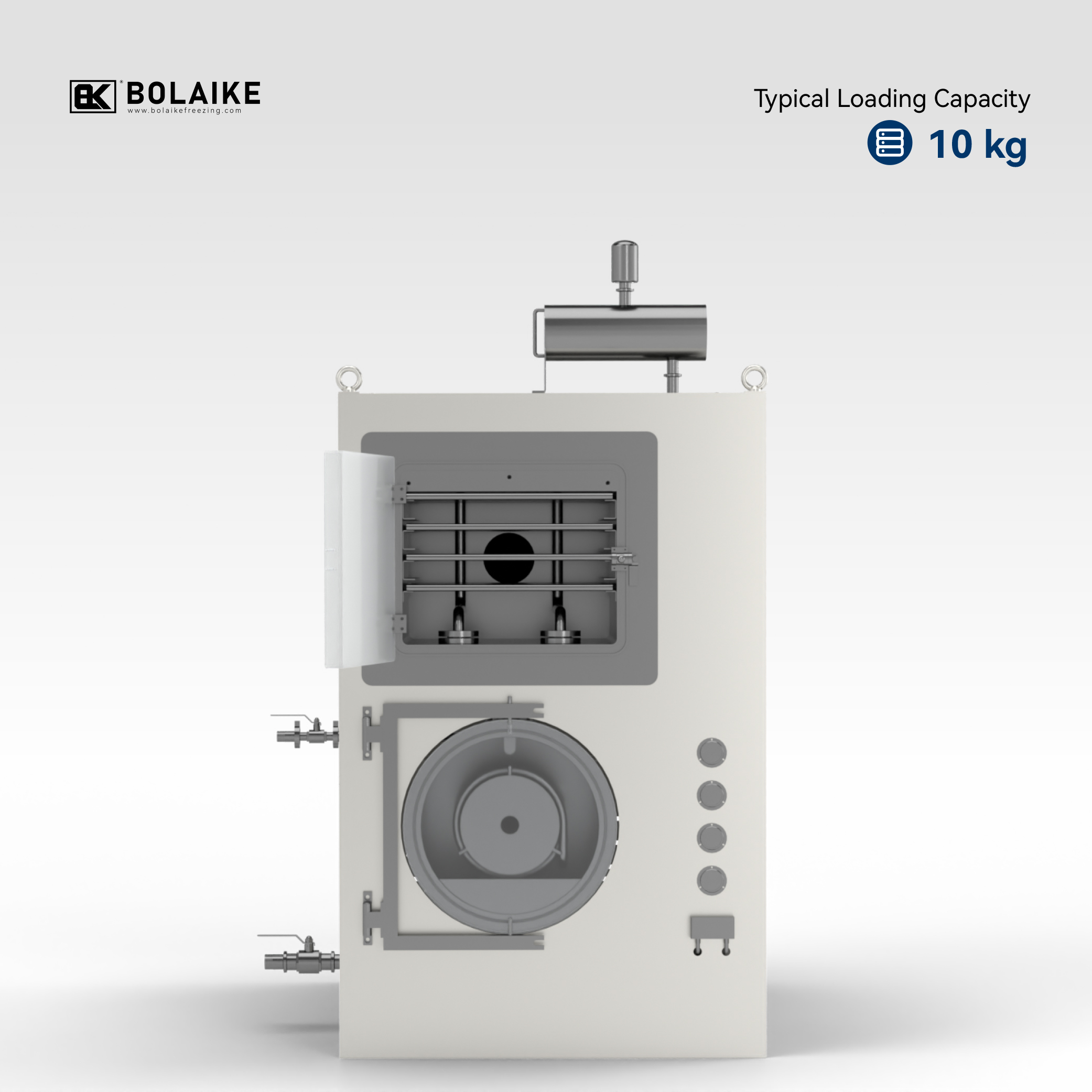
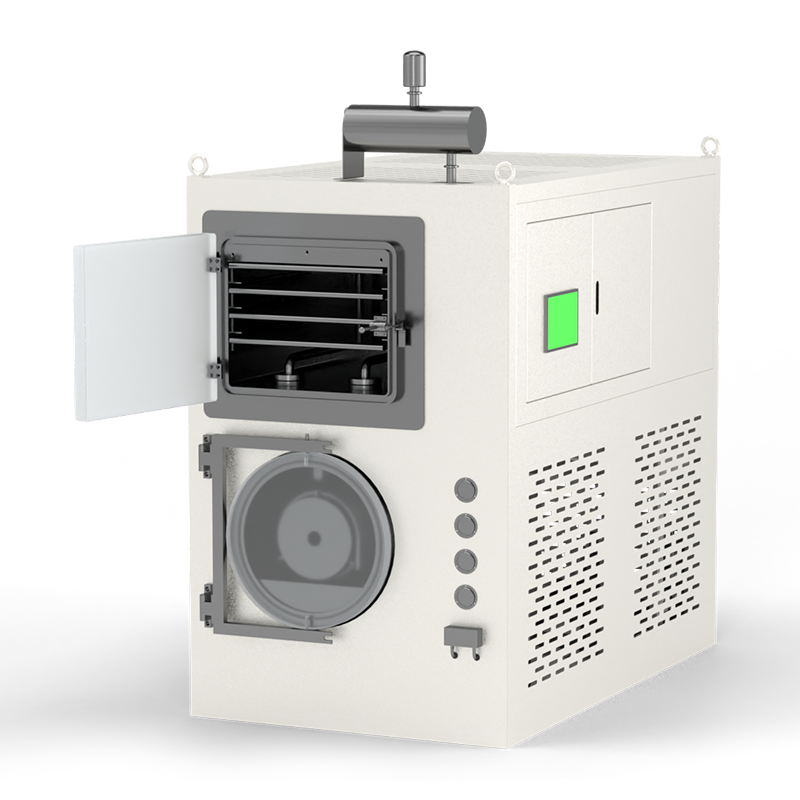
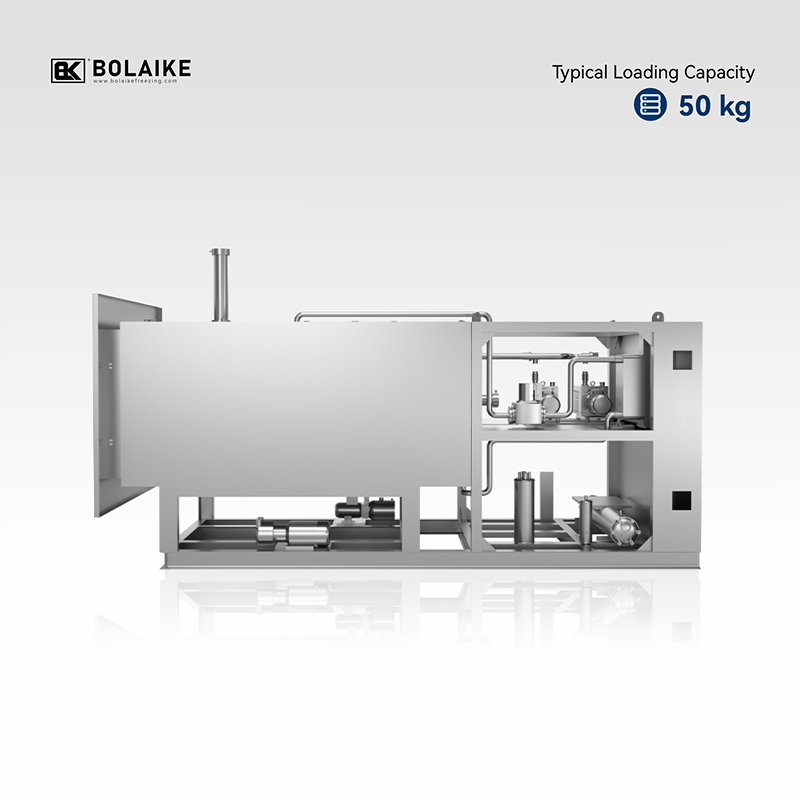
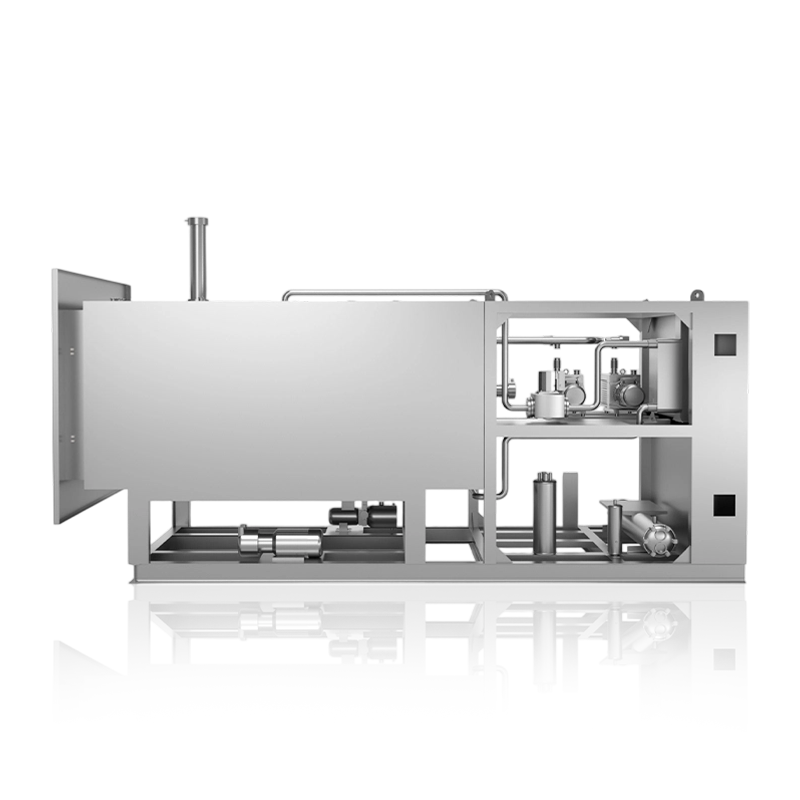
Shelf area typically under 2 square meters, used for formulation development, cycle design, and small validation runs before a product moves toward commercial production. Lower upfront cost and faster installation make these the standard starting point for R&D teams and contract labs.
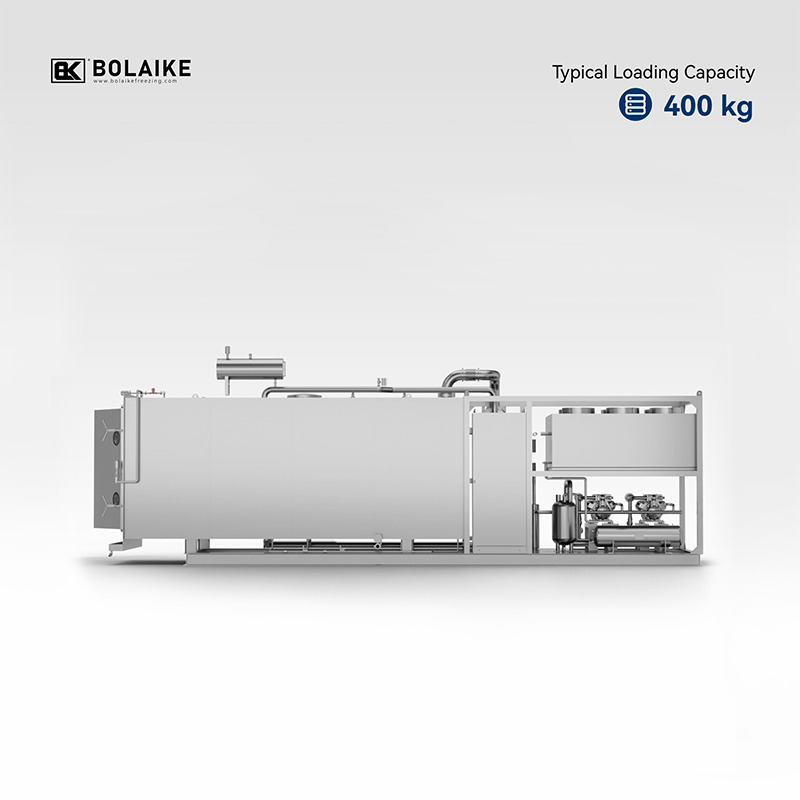
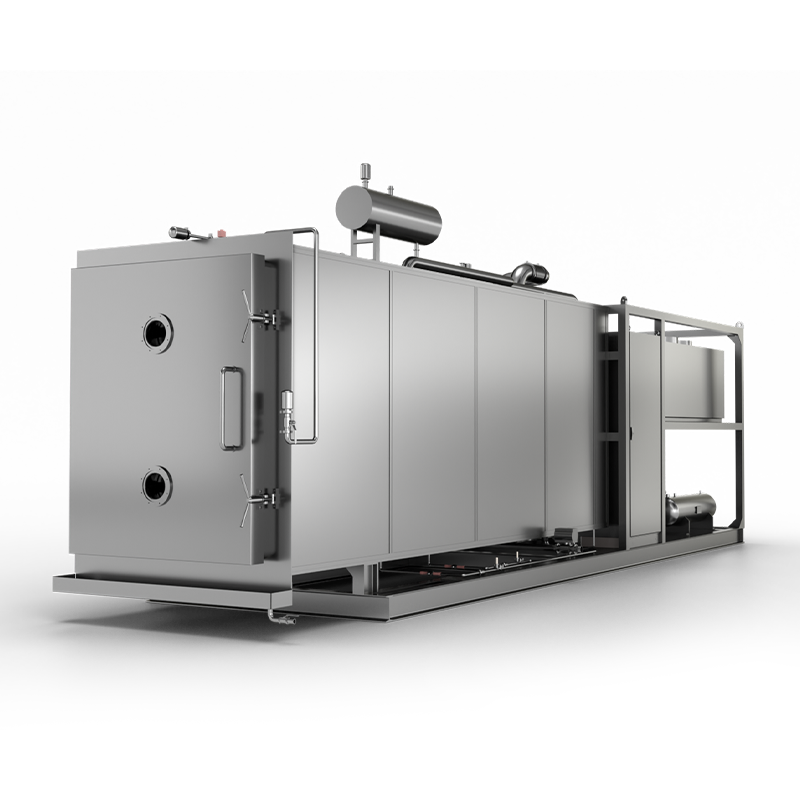
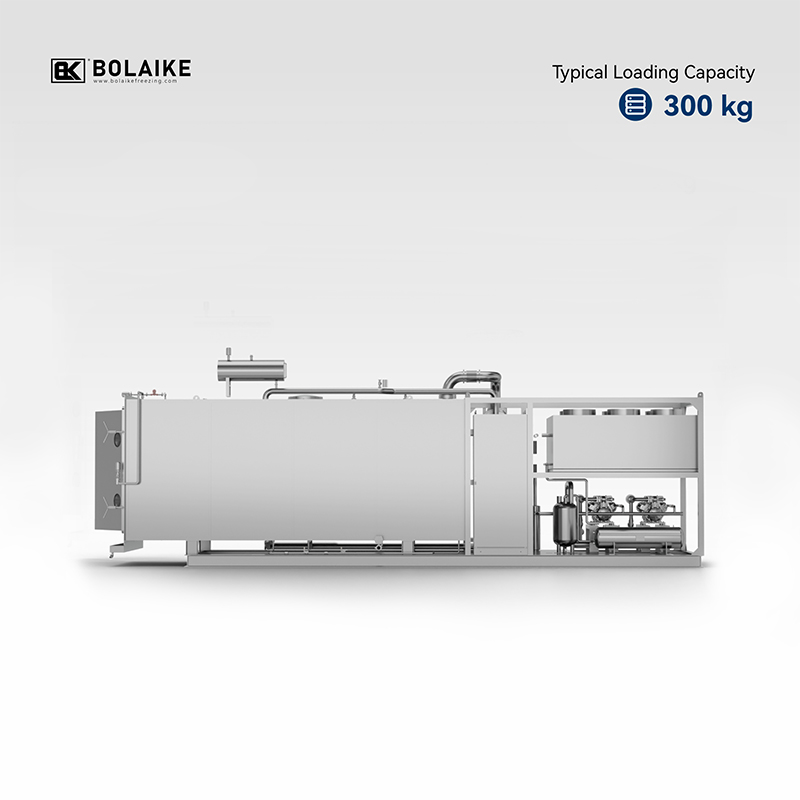
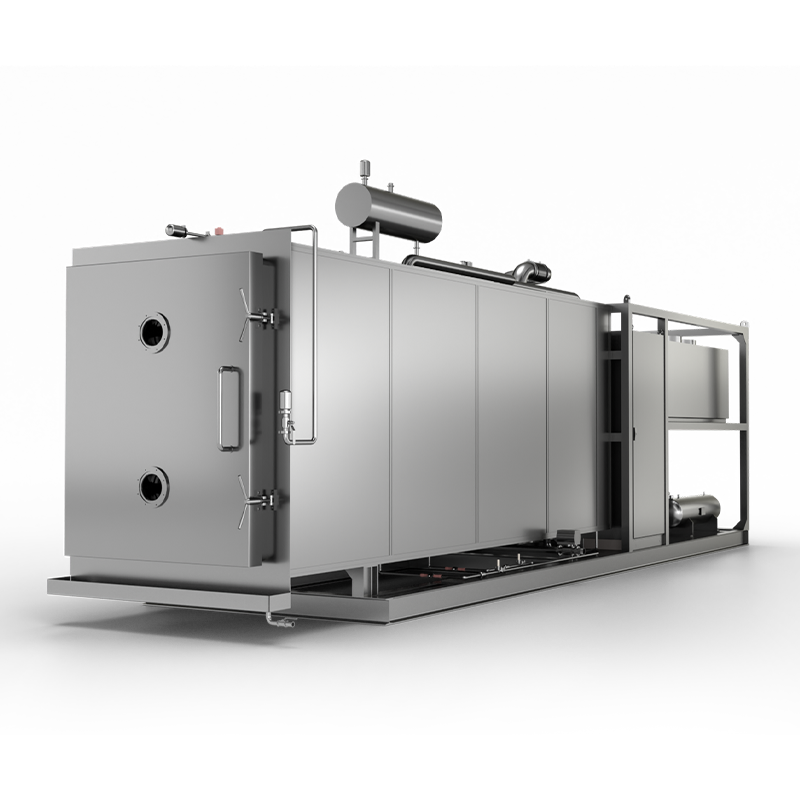
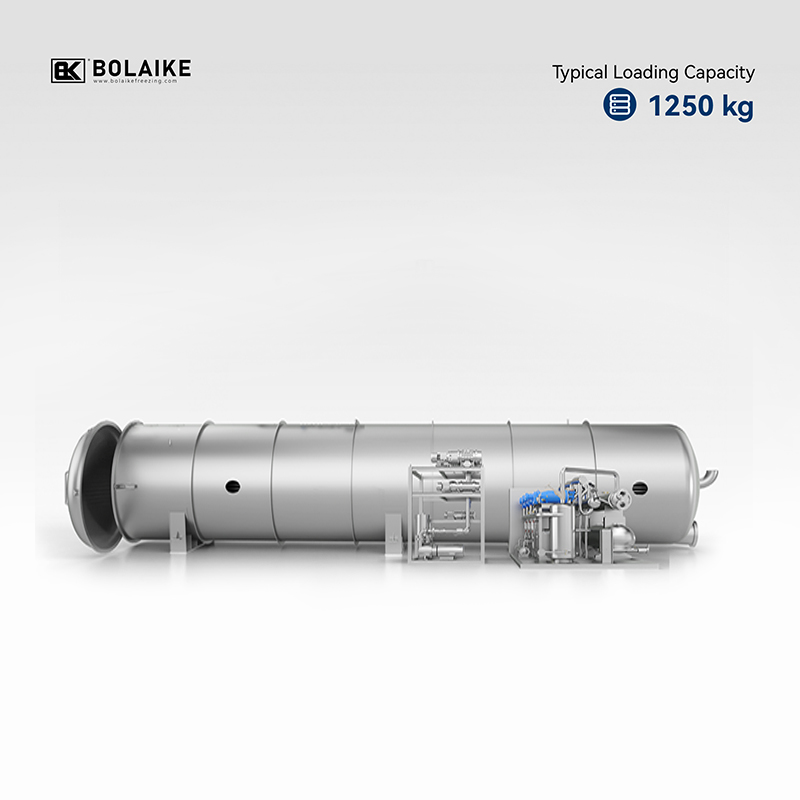
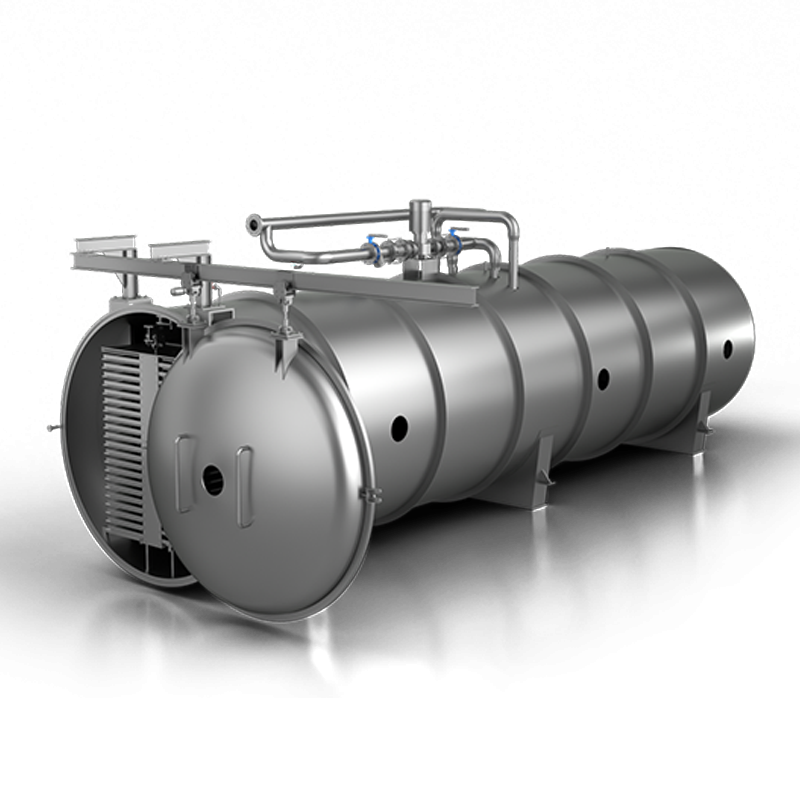
Shelf area ranging from 5 up to 50 or more square meters, built for repeatable, high-volume runs across hundreds or thousands of containers per batch. A commercial freeze dryer manufacturer specializing in this scale should be able to demonstrate batch-to-batch consistency data, not just theoretical capacity.
A lyophilizer freeze dryer moves a product through freezing, primary drying, and secondary drying, and a weak link in any one phase surfaces as a product defect that's difficult to trace back to its source afterward.
Shelf area gets most of the attention during sales conversations, but condenser capacity is what actually limits how much water a lyophilizer freeze dryer can remove per batch before ice buildup forces the cycle to pause or fail. A condenser rated for a given ice load only performs as advertised if it can hold the required temperature — typically -60°C to -85°C — throughout the full vapor load of the batch.
| Batch Volume (Aqueous Solution) | Approximate Vapor Load | Recommended Minimum Condenser Capacity |
| 50 liters | ~35–45 kg water | 50 kg ice capacity |
| 100 liters | ~75–90 kg water | 100 kg ice capacity |
| 200 liters | ~150–180 kg water | 200 kg ice capacity |
A commercial freeze dryer manufacturer that undersizes condensers relative to shelf area is effectively selling capacity the machine can't consistently deliver — the batch will still run, but drying time extends and the final trays loaded often finish less thoroughly than the first.
Chamber and shelf materials affect both product safety and how long the equipment holds tight tolerances, which matters most for buyers in pharmaceutical, biotech, or food-grade production.
Standard-grade construction, cost-effective, and generally adequate for food and nutraceutical freeze-drying where GMP pharmaceutical documentation isn't required.
Higher corrosion resistance and typically electropolished to Ra ≤ 0.5 µm, minimizing contamination risk — the standard expectation for pharmaceutical and biotech applications under GMP oversight.
Low-extractable silicone or EPDM gaskets reduce the risk of leachables affecting sensitive biologic formulations during extended cycles.
Material certificates, weld logs, and mapping studies that a lyophilizer manufacturer should provide as standard rather than as a paid add-on for regulated buyers.
Control system sophistication varies widely across models from different suppliers, and this is where buyers frequently underestimate the long-term cost of choosing the most basic available control package.
Pharmaceutical freeze-drying draws the most attention, but several other sectors rely just as heavily on precise lyophilization, each weighing different priorities when comparing a lyophilizer manufacturer.
| Industry | Primary Use Case | Top Priority When Sourcing Equipment |
| Pharmaceutical and biotech | Vaccines, biologics, injectable formulations | GMP compliance, shelf uniformity, full validation support |
| Food and nutraceutical | Freeze-dried meals, fruit, probiotics, supplements | Throughput and energy efficiency at scale |
| Diagnostics | Reagents, test kit components, culture media | Batch consistency, contamination control |
| Museum and archival preservation | Water-damaged materials, biological specimens | Gentle, highly controllable cycle parameters |
Evaluating a lyophilizer freeze dryer purely on quoted purchase price overlooks several cost categories that materially change the real multi-year investment picture.
Production-scale lyophilizer freeze dryer installations require considerably more infrastructure planning than most buyers anticipate during initial budgeting conversations.
| Requirement | Typical Consideration |
| Electrical supply | Three-phase power, often 208–480V depending on unit size |
| Cooling water or water-cooled condensers | Adequate flow rate and temperature for effective heat rejection |
| Floor loading capacity | Large production units can weigh several tons fully loaded |
| Cleanroom compatibility | Required for pharmaceutical applications, affects door design and airflow |
| Doorway and corridor clearance | Must be measured against the actual delivery path, not just the final footprint |
High-value buyers evaluating a lyophilizer manufacturer or a commercial freeze dryer manufacturer typically request specific evidence rather than relying on marketing claims alone.
A lyophilizer freeze dryer removes moisture from a product through sublimation, preserving structure and potency far better than heat drying, and is widely used across pharmaceuticals, biologics, food, and diagnostic reagents.
Look for documented shelf temperature uniformity data, adequate condenser sizing relative to shelf area, full IQ/OQ/PQ validation support, and a track record of comparable reference installations.
A commercial freeze dryer manufacturer focuses on production-scale reliability, batch-to-batch consistency, and regulatory documentation support, whereas lab-scale suppliers typically prioritize flexibility for small formulation trials over sustained high-volume output.
Condenser capacity determines how much water vapor a lyophilizer freeze dryer can trap per batch before ice buildup limits performance, so an undersized condenser can bottleneck throughput even with generous shelf space.
316L stainless steel with full GMP documentation is typically required for pharmaceutical and biotech applications, while 304 stainless steel is often sufficient and more cost-effective for food and nutraceutical production.
 2026/05/28
 2026/05/28
2026/05/28
2026/05/28
2026/05/28
2026/05/28


 Custom Industrial Lyophilizer Freeze Dryer Manufacturers





 English
 русский
 Español
 Français
 Deutsch
 عربى
عربى


