
/news/news-media/


News
Products & Solutions
CONTACT US

+86-18068757376

emmy@jsblk.com

No. 29 North Tongjiang Road, Xinbei District, Changzhou City, Jiangsu Province, China
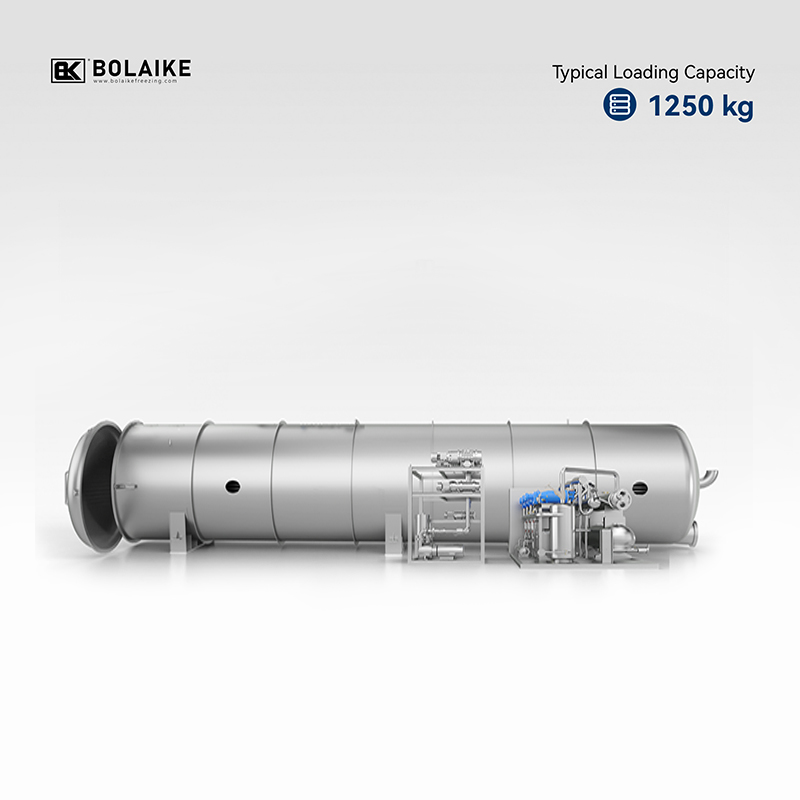
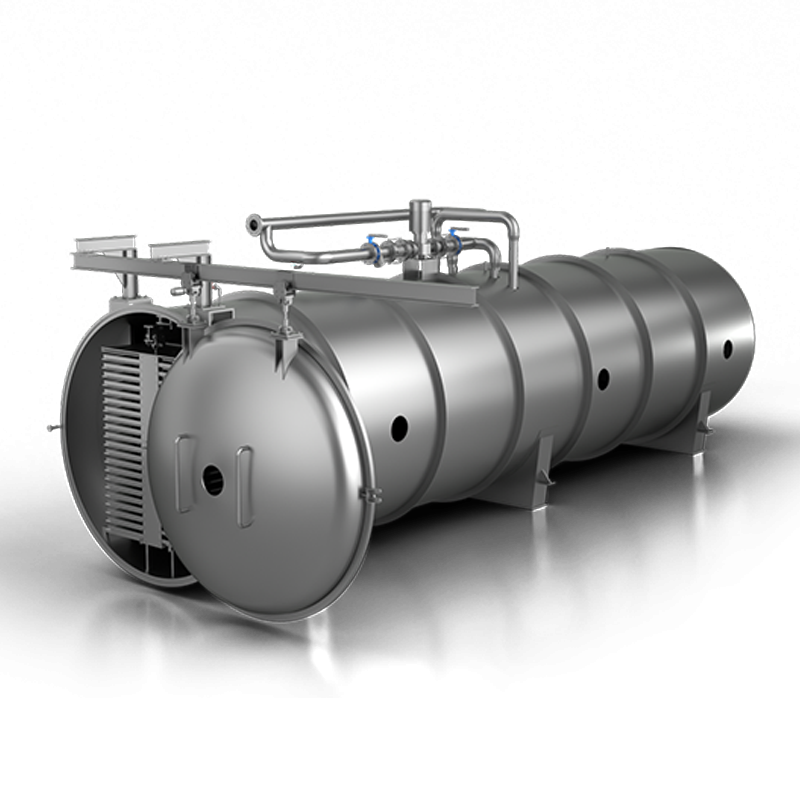
A freeze dryer removes moisture from a product through controlled temperature reduction and vacuum pressure, and its working life is shaped by design choices and maintenance habits rather than by any single fixed number. Laboratory and pilot units generally continue operating for 8 to 15 years, while industrial systems built with reinforced refrigeration circuits and corrosion-resistant chambers can remain productive for 15 to 20 years or longer under regular servicing. The gap between the lower and upper end of that range usually comes down to compressor loading, vacuum sealing quality, chamber material, and how consistently preventive maintenance is carried out.
|
Operating Duty Ranges from intermittent laboratory batches to continuous industrial cycles |
Key Wear Points Compressor load, vacuum pump seals, chamber gaskets, and refrigerant charge |
Typical Applications Pharmaceutical, biotechnology, food processing, and material research settings |
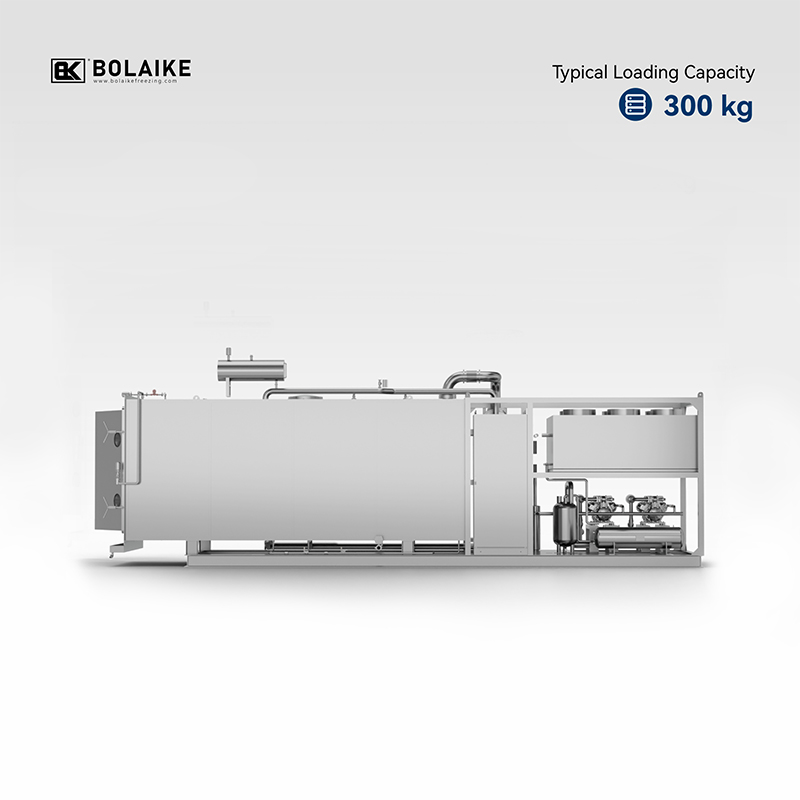
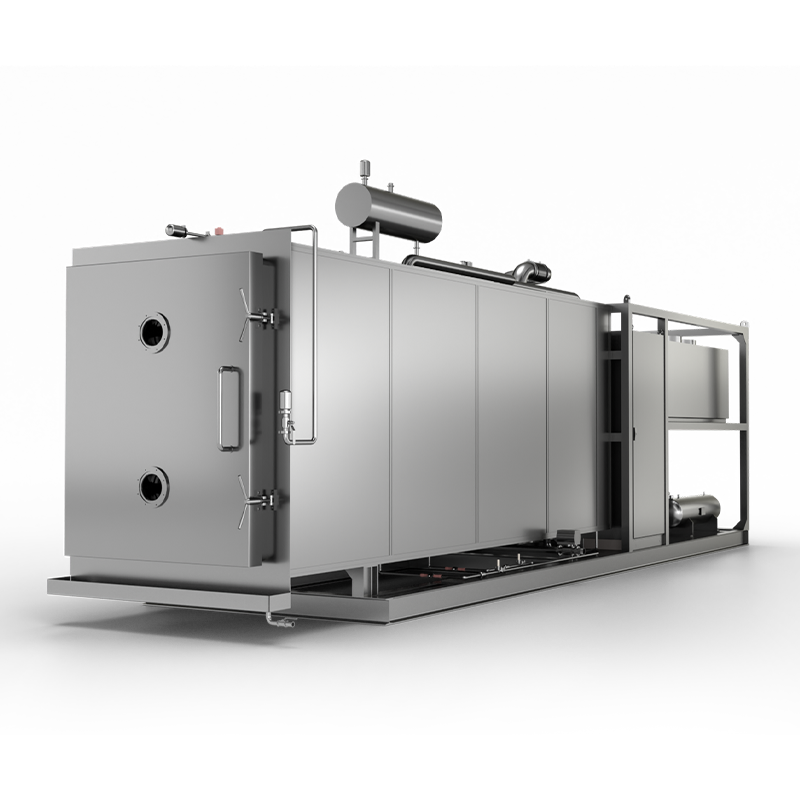
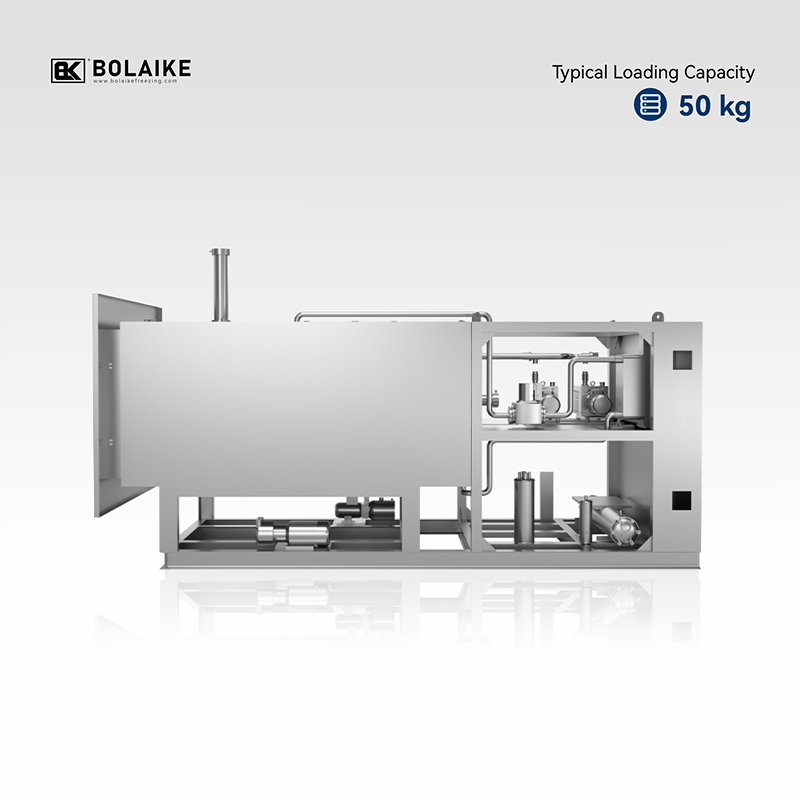
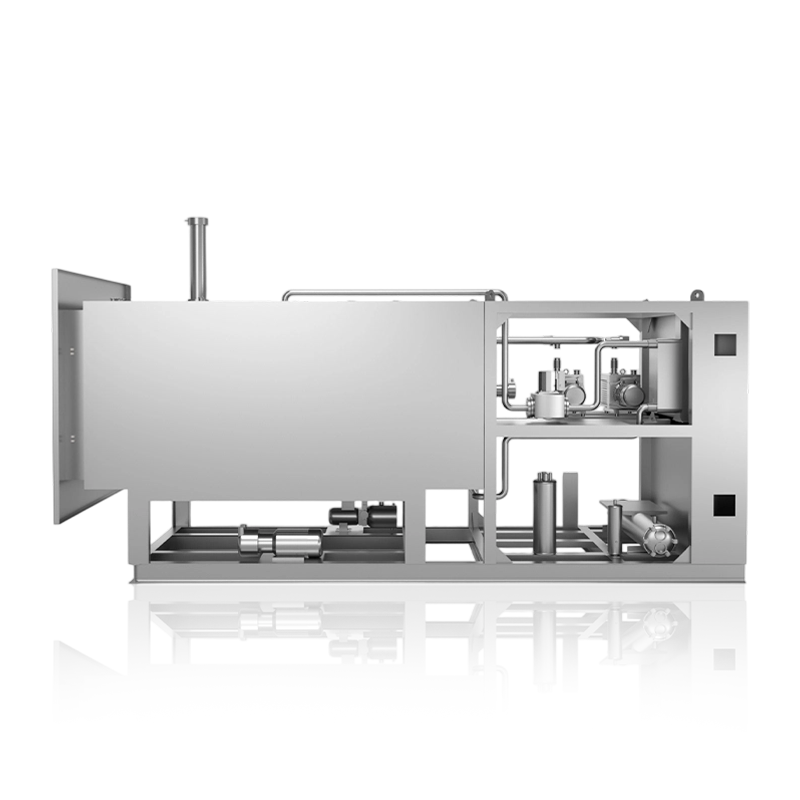
Freeze drying equipment spans a wide range of scales, from benchtop units processing a few kilograms of material per batch to industrial installations handling several tons of pharmaceutical, food, or biological product daily. Each scale carries a different expected lifespan because the components inside are engineered around a different duty cycle.
| Equipment Category | Typical Duty Cycle | Expected Service Life |
|---|---|---|
| Benchtop or laboratory unit | Intermittent, low volume | 8–12 years |
| Pilot-scale system | Regular, moderate volume | 10–15 years |
| Industrial production line | Continuous, high volume | 15–20 years |
These figures assume routine servicing of wear components. A unit running near its vacuum and refrigeration limits on a daily basis tends to age faster than one operated well within its rated capacity.
A freeze dryer is an assembly of several subsystems that age at different rates, so the overall lifespan of the machine reflects the weakest recurring point rather than a single fixed figure.
The compressor is usually the component that sets the practical service interval. One operating under moderate temperature differentials can run for 8 to 12 years before requiring a rebuild, while a unit repeatedly pushed to a very low target temperature to compensate for an undersized condenser tends to wear noticeably faster.
Oil-sealed rotary vane pumps generally need oil changes every few hundred hours of operation and a rebuild roughly every 5 to 7 years. Chamber door gaskets and dynamic seals are consumable parts replaced far more often, often annually, since minor degradation allows air ingress that lengthens drying cycles and raises energy use.
Stainless steel chambers and shelves resist corrosion from cleaning agents and product residues considerably better than painted carbon steel, and this material choice alone can account for a decade or more of difference in structural service life between two otherwise similar systems.
Programmable controllers, pressure transducers, and thermocouples typically last around 10 years before drift or component obsolescence makes replacement more practical than repair, though firmware can sometimes be updated independently of the physical hardware.
Some freeze drying designs recover residual cooling from the refrigerant and reuse it to pre-cool a subsequent stage rather than discharging it. This arrangement can lower overall compressor load by roughly 20% to 30%, and because the compressor runs under lighter, steadier conditions instead of cycling repeatedly between high and low points, mechanical wear on valves, bearings, and seals tends to accumulate more slowly over the years.
A related option is a waste heat recovery loop, which redirects heat discharged from the condenser toward material drying instead of relying solely on electric or steam heating elements. Beyond the energy savings, this reduces the runtime demand placed on auxiliary heating components, which can extend their functional life as well.
Some configurations pair the refrigeration circuit with a heat pump evaporation and crystallization arrangement, raising the compressor coefficient of performance into a range of roughly 4.8 to 5.9. Systems built this way can reach around five to six times the energy efficiency of a conventional freeze drying setup, and the more moderate operating temperatures involved place less thermal stress on gaskets, insulation, and refrigerant lines over time.
Cold traps can be built directly into the drying chamber or installed as a separate external unit, and this choice has a practical bearing on serviceability. An external cold trap is generally easier to inspect, defrost, and repair without disturbing the main chamber, which shortens downtime during routine maintenance and reduces the chance of accidental damage to product-contact surfaces during service work.
Because refrigeration units and vacuum systems can be arranged in different physical layouts to suit a facility's floor plan, technicians often gain better access to piping, valves, and instrumentation than a rigid, fixed-footprint design would allow. Easier access supports more consistent maintenance, and consistent maintenance is a strong predictor of how long a freeze dryer will continue performing within specification.
An isolation valve system can separate the product chamber from the cold trap chamber so each side is brought offline independently for cleaning or defrosting without shutting down the entire process. This isolation reduces the number of full thermal cycles the shared components experience, and fewer wide temperature swings generally translate into less fatigue on seals and welded joints across the equipment's working life.
In a vacuum cascade arrangement, multiple drying units operate together with staggered loading and unloading schedules. While one unit is defrosting, the others continue capturing vapor and maintaining system stability, which can cut the effective defrost time by roughly two hours per cycle compared with a single large unit that must pause entirely. Spreading the workload across several coordinated units also tends to even out compressor duty cycles, which again works in favor of longer component life rather than concentrating stress on one refrigeration circuit.
Routine oil changes for the vacuum pump, periodic inspection of chamber gaskets, timely defrosting of cold trap ice buildup, and calibration checks on temperature and pressure sensors are maintenance tasks that directly influence how close a system comes to its upper service life range. Refrigerant charge levels also deserve regular attention, since a slow leak that goes unnoticed forces the compressor to run longer and harder to reach the same target temperature, accelerating wear before any visible fault appears.
Facilities that log cycle counts, pressure trends, and defrost frequency tend to notice developing issues, such as a slowly rising base pressure or a compressor taking progressively longer to reach set point, well before those trends would otherwise result in an unplanned shutdown.
Pharmaceutical manufacturers rely on freeze drying to stabilize vaccines, biologics, and injectable formulations, and an unplanned equipment failure mid-cycle can compromise an entire batch, which makes reliability a central concern in that setting. Food processors use similar equipment to produce shelf-stable fruits, coffee extracts, and ready meals, where consistent vacuum and temperature control over years of operation directly affects product quality. Research laboratories preserving biological samples, cultures, or historical artifacts depend on smaller units that, while lighter in duty cycle, still benefit from the same underlying principles of material selection, thermal management, and preventive care that govern the working life of their larger industrial counterparts.
 2026/05/28
 2026/05/28
2026/05/28
2026/05/28
2026/05/28
2026/05/28


 Custom Industrial Lyophilizer Freeze Dryer Manufacturers





 English
 русский
 Español
 Français
 Deutsch
 عربى
عربى


