
/news/news-media/


News
Products & Solutions
CONTACT US

+86-18068757376

emmy@jsblk.com

No. 29 North Tongjiang Road, Xinbei District, Changzhou City, Jiangsu Province, China
Manufacturing operations across food processing, pharmaceutical production, and biological material handling increasingly rely on freeze drying as a preservation method that keeps structural, nutritional, and chemical properties close to their original state. A freeze dryer accomplishes this through a controlled sequence of freezing, vacuum application, and low-temperature heating that removes moisture without exposing sensitive materials to the damage caused by conventional heat drying. Facilities evaluating a freeze dryer machine for continuous production need to understand not only the mechanical process itself but also how equipment configuration, chamber design, and control precision translate into consistent output quality at scale.
Within a manufacturing environment, freeze dryers operate as part of a coordinated production sequence rather than as standalone units. Raw material enters the freezing chamber where shelf temperature is brought down rapidly, forming ice crystals throughout the product matrix. The rate at which this freezing occurs determines crystal size, which in turn affects the porosity of the finished material and how efficiently moisture will later escape during the vacuum phase. Production teams monitoring how do freeze dryers work at an operational level pay close attention to shelf temperature uniformity, since uneven freezing across a loaded shelf creates inconsistent drying results across a single batch.
Once the material is fully frozen, the chamber transitions into primary drying. Vacuum pumps reduce internal pressure to a level low enough that ice sublimates directly into vapor. A condenser positioned within the system captures this vapor and converts it back into solid ice on a separate cold surface, preventing moisture from re-entering the product chamber. Secondary drying follows, targeting the smaller fraction of bound moisture that remains attached to the material at a molecular level even after primary drying is complete.
The question of what is a freeze dryer used for extends well beyond a single industry. Food processing operations use the technology to stabilize fruit, vegetable, meat, and dairy products for long-term storage while preserving flavor compounds that heat-based drying methods typically destroy. Pharmaceutical manufacturing depends on freeze drying to stabilize injectable medications, vaccines, and biological compounds that would degrade under any thermal processing method, since the low-temperature nature of sublimation keeps sensitive protein structures intact.
Beyond these established uses, freeze drying has expanded into floral and botanical preservation, where dried flowers retain their color and shape far better than air-dried alternatives. Pet food and specialty nutrition producers use freeze drying to create raw-format products that maintain nutritional density without the preservatives required by conventional shelf-stable processing. Each application places different demands on chamber size, shelf configuration, and cycle length.
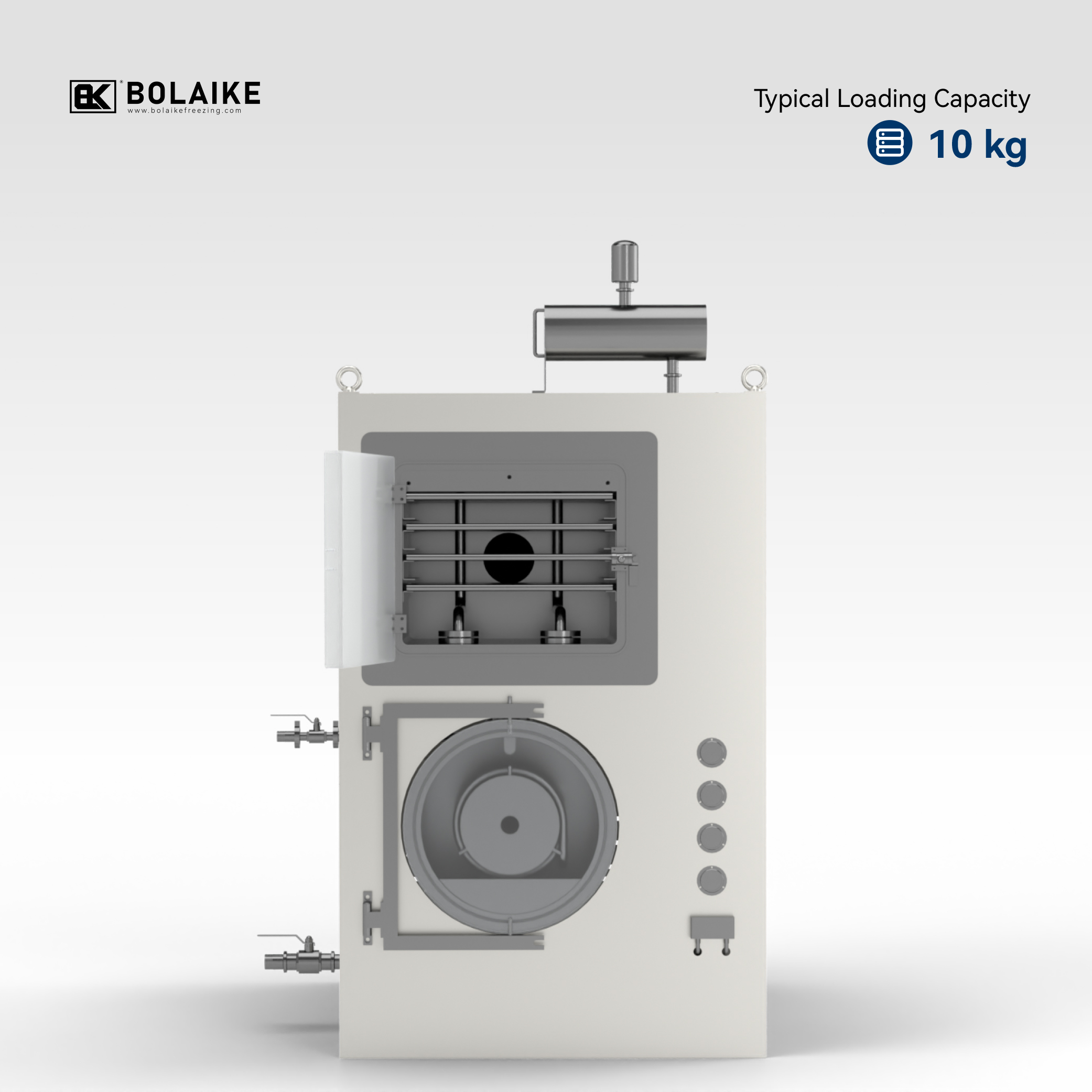
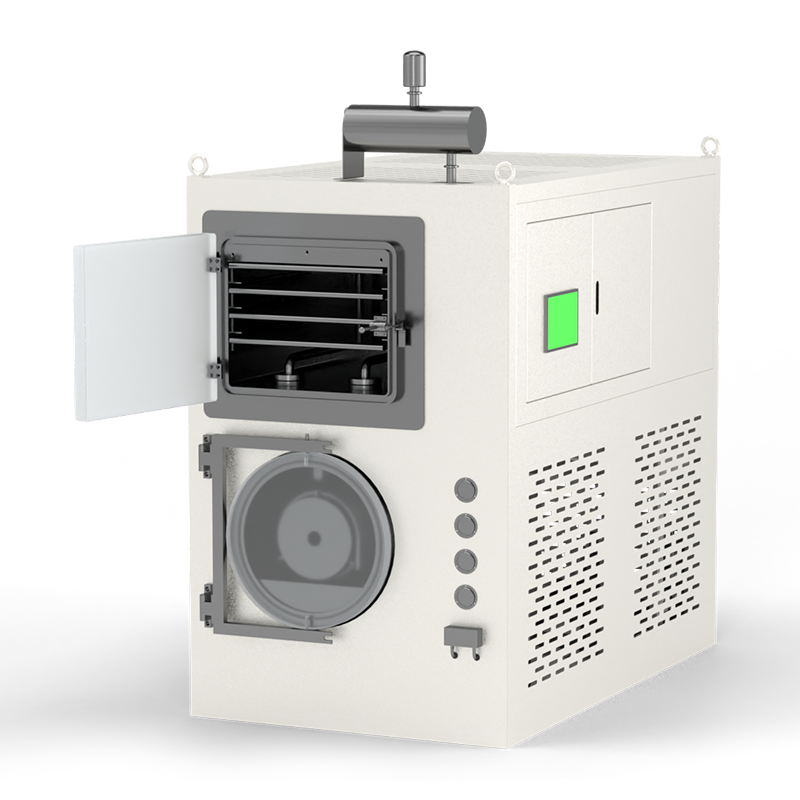
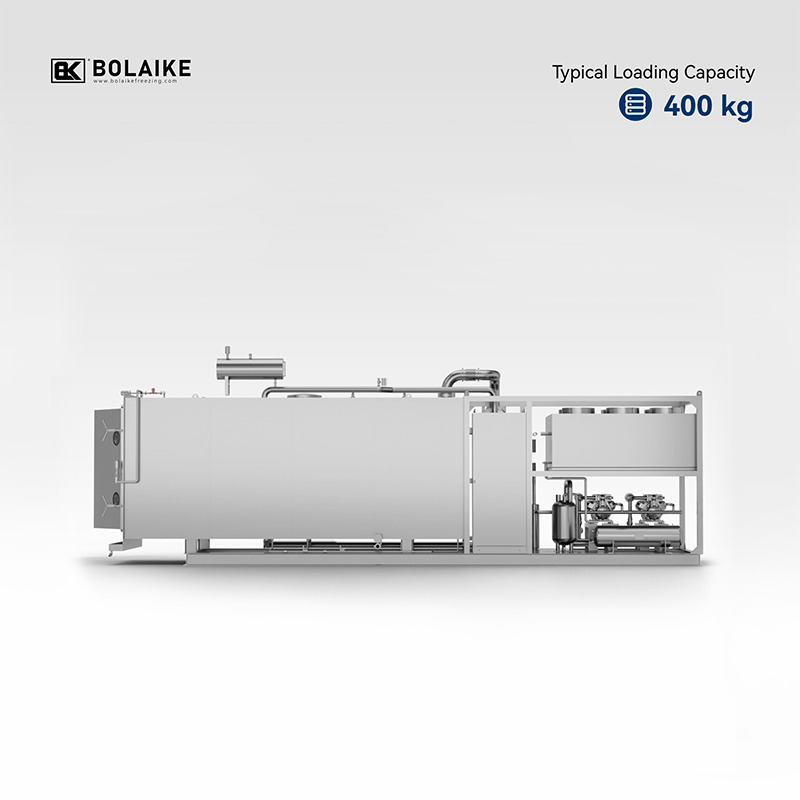
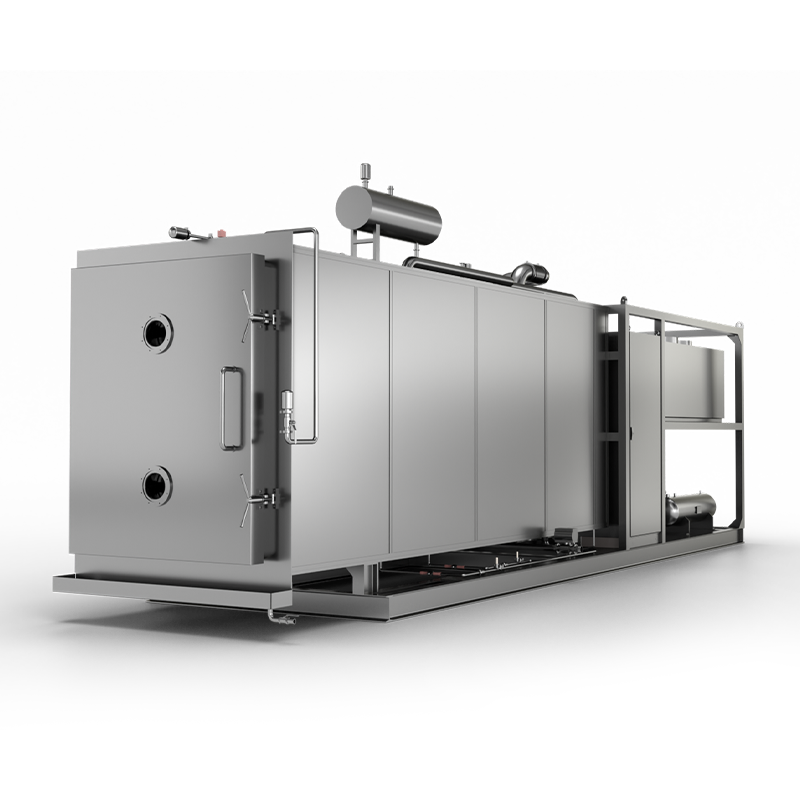
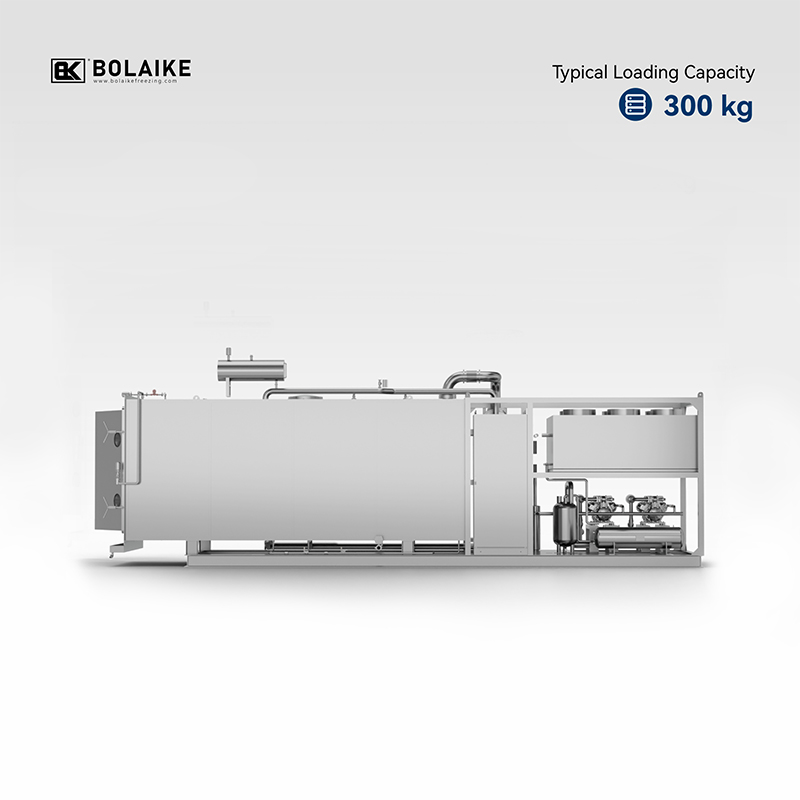
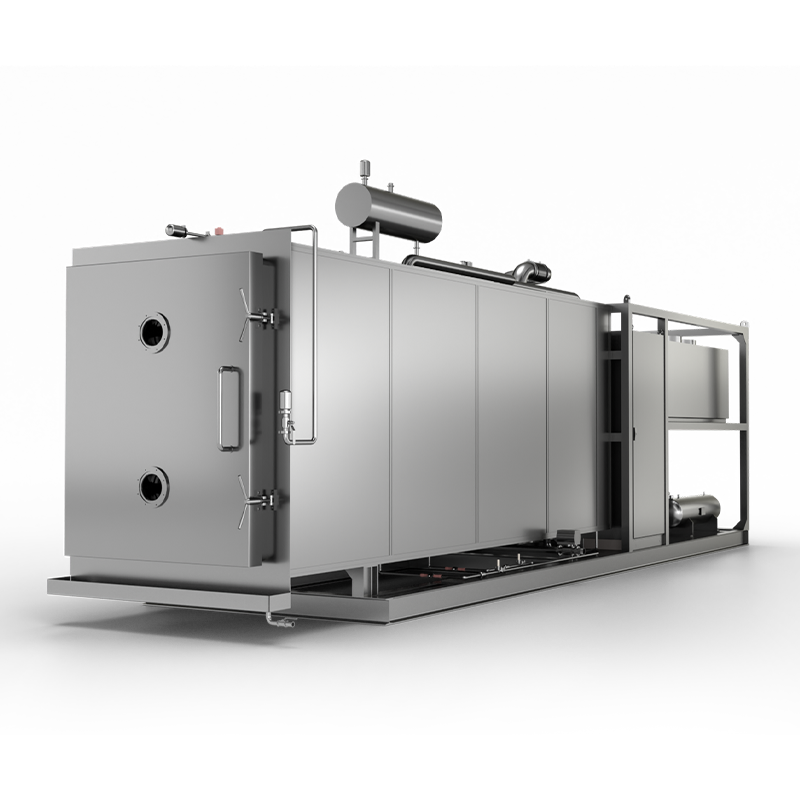
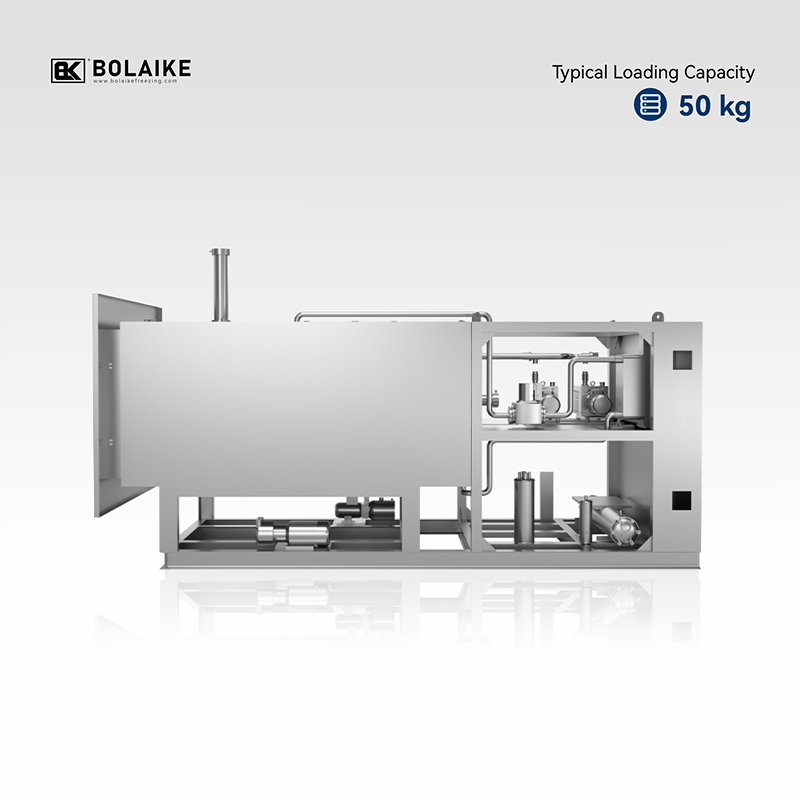
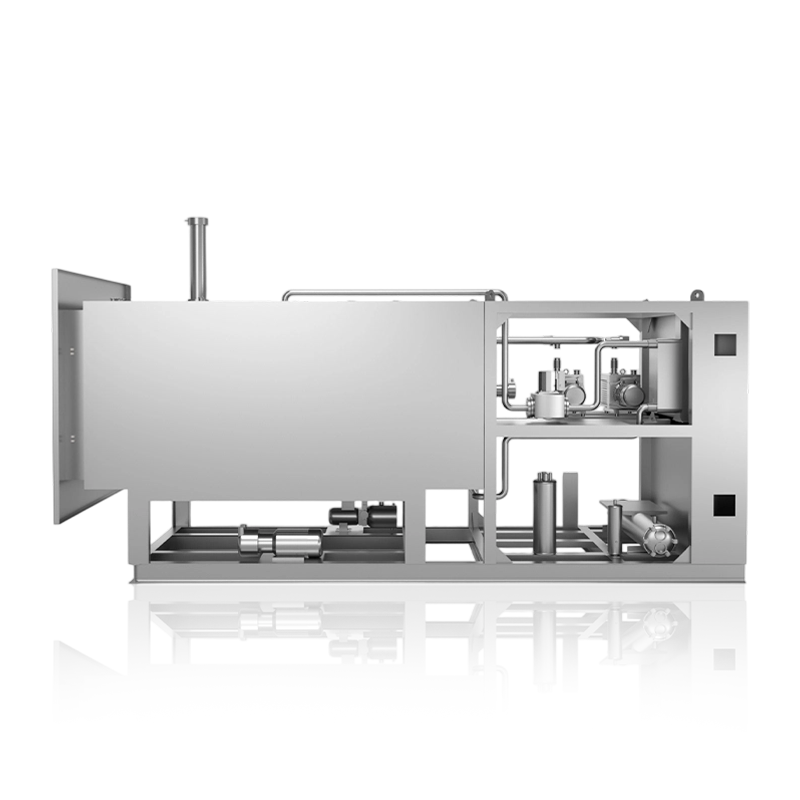
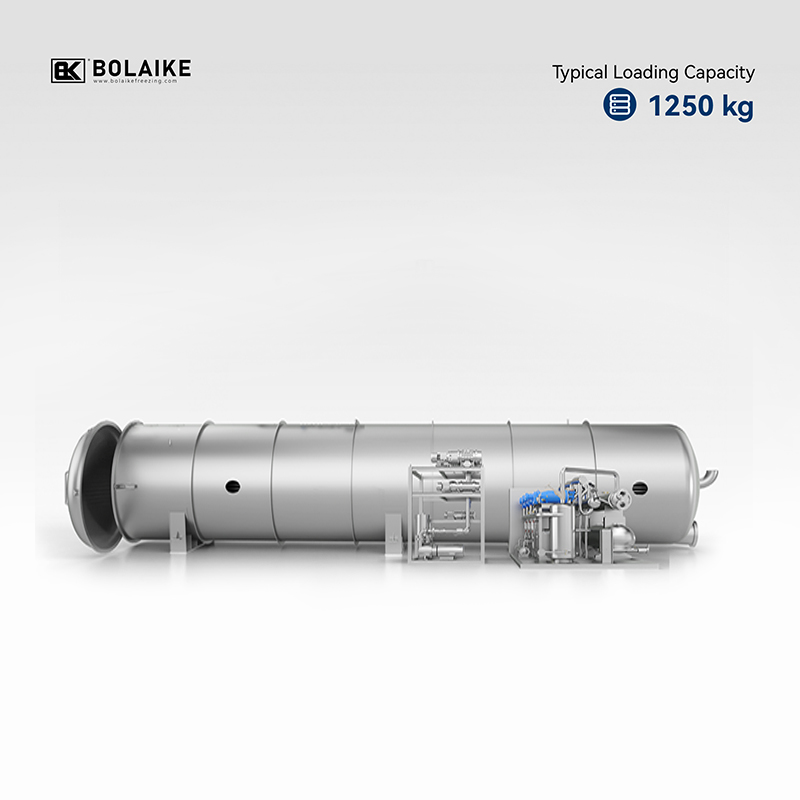
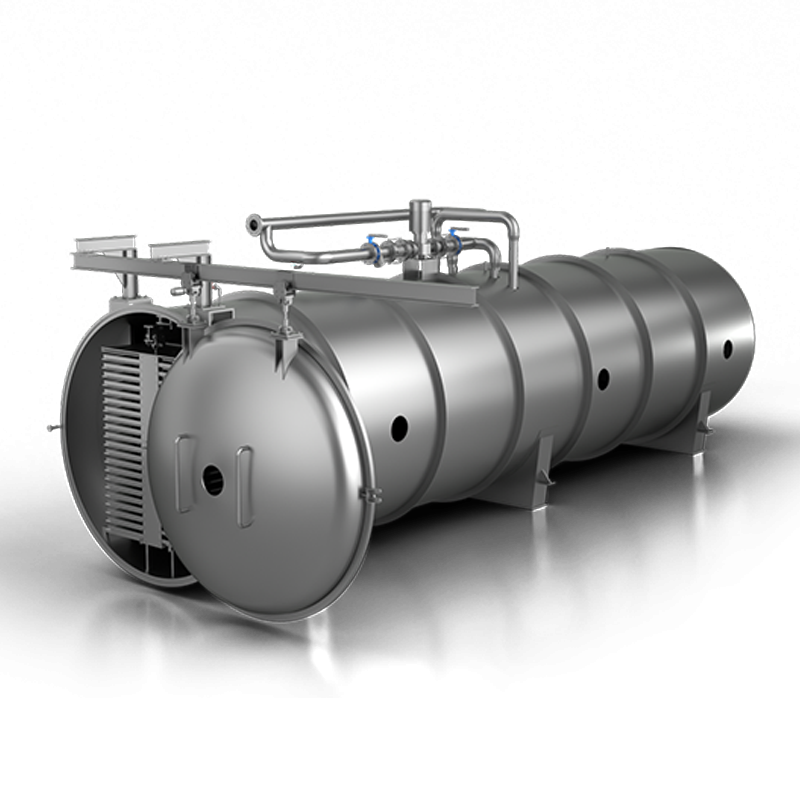
Manufacturing facilities comparing configuration options for an Industrial freeze dryer typically evaluate chamber volume, condenser temperature, and shelf count against their expected throughput requirements. The table below outlines representative configuration tiers used across different production scales.
| Configuration Tier | Chamber Volume | Condenser Temperature | Shelf Count | Typical Cycle Length |
| Compact Production Unit | 60-150 liters | -50°C to -60°C | 3-6 shelves | 18-24 hours |
| Mid-Range Production Unit | 200-600 liters | -55°C to -65°C | 6-12 shelves | 20-30 hours |
| Continuous Production Unit | 800-2000+ liters | -60°C to -80°C | 12-24 shelves | 24-40 hours |
Cycle length varies considerably based on material moisture content, tray loading depth, and the specific temperature ramp programmed into the control system. Facilities processing high-moisture materials such as fresh fruit typically require longer primary drying phases compared to pre-concentrated liquid formulations, which is a factor that should inform equipment sizing decisions during the planning stage.
Choosing among available freeze dryers for a manufacturing floor involves more than comparing chamber size. Shelf temperature uniformity across the entire loading area matters significantly, since even small variations between the front and back of a shelf can create batches with mixed moisture content, leading to quality inconsistency that becomes difficult to detect until later in the supply chain. Control system responsiveness is another differentiator, particularly for facilities running multiple material types through the same equipment.
Condenser design deserves particular attention because it directly limits how much moisture a single cycle can process before ice buildup reduces vacuum efficiency. Sealing quality around chamber doors and shelf feedthroughs also affects long-term vacuum performance, since even minor leaks force the vacuum pump to work harder and can introduce moisture back into a chamber during extended drying cycles.
For facilities weighing whether is getting a freeze dryer worth it, the answer generally depends on the value density of the material being processed and the extent to which moisture-sensitive quality attributes affect the final product's market position. Facilities producing pharmaceutical or biological materials rarely have an alternative processing method available, since thermal drying methods would compromise the active properties the product depends on.
Operating costs center primarily on electricity consumption from the vacuum pump and refrigeration system running continuously through multi-hour cycles, along with periodic maintenance of pump oil, seals, and condenser components. Weighing these factors against extended shelf life, reduced product weight for shipping, and consistent rehydration performance gives manufacturing teams a clearer basis for evaluating long-term equipment value.
The appeal of freeze dried materials in manufacturing comes down to measurable quality outcomes that are difficult to achieve through any other moisture-removal method. Because sublimation occurs at low temperature, heat-sensitive compounds such as vitamins, enzymes, and aromatic oils remain largely intact rather than breaking down as they would under hot-air or drum drying. The porous structure left behind after ice crystals sublimate also means that finished products rehydrate quickly and evenly, restoring much of their original texture when water is reintroduced during end use.
Manufacturing teams evaluating freeze dryers for a new or expanding production line benefit from treating the equipment as an integrated system rather than a single machine, since chamber design, condenser performance, and control precision all interact to determine final product consistency. Material behavior during freezing, the pressure and temperature curve during primary drying, and the thoroughness of secondary drying each contribute to the moisture content, texture, and shelf stability of what ultimately reaches the end user.
 2026/05/28
 2026/05/28
2026/05/28
2026/05/28
2026/05/28
2026/05/28


 Custom Industrial Lyophilizer Freeze Dryer Manufacturers





 English
 русский
 Español
 Français
 Deutsch
 عربى
عربى


