
/news/news-media/


News
Products & Solutions
CONTACT US

+86 18068757376

blk@jsblk.com

No. 29 Tongjiang North Road, Xinbei District, Changzhou City, Jiangsu, China
Freeze-dried food has a well-earned reputation for outlasting almost anything else in the pantry. Bags of freeze-dried fruit sit in warehouses for years, camping meals get pushed to the back of a cupboard and forgotten, and coffee powder survives shipping halfway around the world without a fridge in sight. So when someone opens a pouch that has been sitting for three years and asks whether it is still good, the honest answer is: usually yes — but not automatically.
We have spent more than two decades building vacuum freeze-drying equipment for food, agricultural products and coffee producers, and the question "does freeze dried food go bad" comes up in almost every factory visit and every technical conversation with a new customer. Here is how we explain it, from the machine side and the storage side.
Freeze-dried food is not sterile, and it is not immune to time. What makes it shelf stable is the absence of water. Fresh food is typically 80–90% water; after a proper freeze-drying cycle, 95–99% of that moisture is gone, leaving a porous, brittle structure. Bacteria, yeasts and moulds cannot grow without available water, so the usual route to spoilage — rot, mould, fermentation — is effectively shut off.
What still happens is deterioration of a different kind. The porous structure that makes freeze-dried food rehydrate so quickly is also a sponge for humidity, and its fats and aromas are exposed to oxygen across a huge internal surface area. So "going bad" usually shows up as soft texture, flat flavour, faded colour or rancid notes long before it ever becomes unsafe to eat.
An unopened pack held in a high-barrier pouch, in a cool, dark place, can stay in excellent condition for years — in the case of well-flushed vegetables, meat and complete meals, sometimes well over a decade. An opened pack exposed to kitchen air is a different story: once moisture starts moving back in, quality drops on a scale of days to weeks, not years.
In practice, six factors decide whether a batch still tastes fresh after two years or two months:
The ranges below reflect what we see across commercial freeze-drying operations. They assume sealed, high-barrier packaging and storage away from heat and light.
| Product | Sealed, ideal storage | After opening | Main risk |
|---|---|---|---|
| Fruit and berries | 12–24 months | 1–2 weeks in an airtight jar | Moisture regain, softening |
| Vegetables | 5–15 years in flushed cans | 2–4 weeks | Oxidation, colour loss |
| Meat and prepared meals | 5–25 years | 1–2 weeks | Rancidity from fat oxidation |
| Dairy and egg powder | 2–5 years | 2–4 weeks | Clumping, off-flavour |
| Instant coffee | 18–24 months | 2–4 weeks | Aroma loss, caking |
| Herbs and seasonings | 1–3 years | 2–3 months | Volatile aroma loss |
Treat these figures as orientation rather than regulation. Actual performance depends on residual moisture, fat content, pack format and, above all, how the product is stored after it leaves the plant.
You do not need a laboratory to make a first judgement. These signals are reliable in day-to-day handling:
Shelf life is decided long before the pouch is sealed. Residual moisture, drying curve stability and how gently the product is handled during the cycle all shape how the final product behaves months later. That is the part of the chain we work on every day.
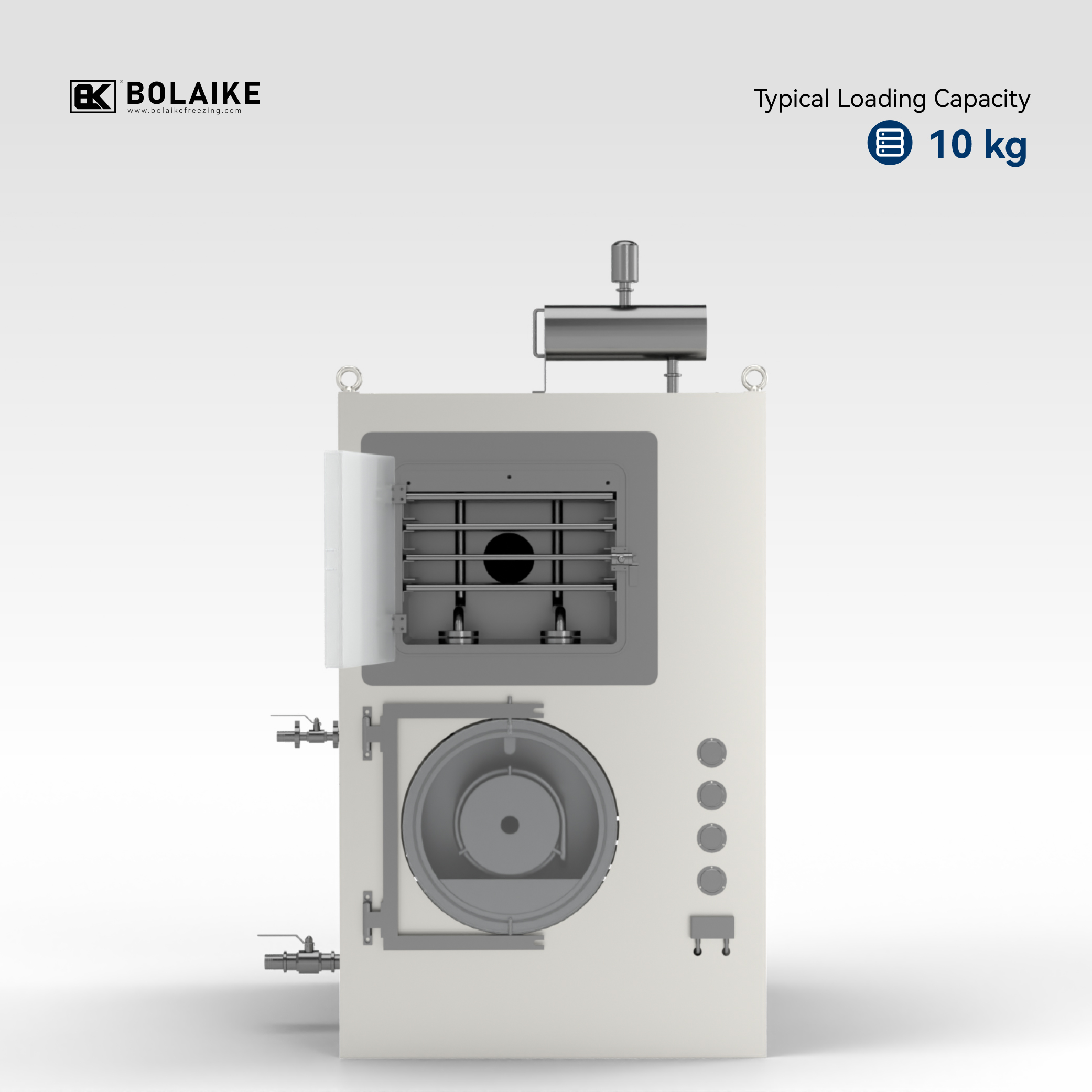
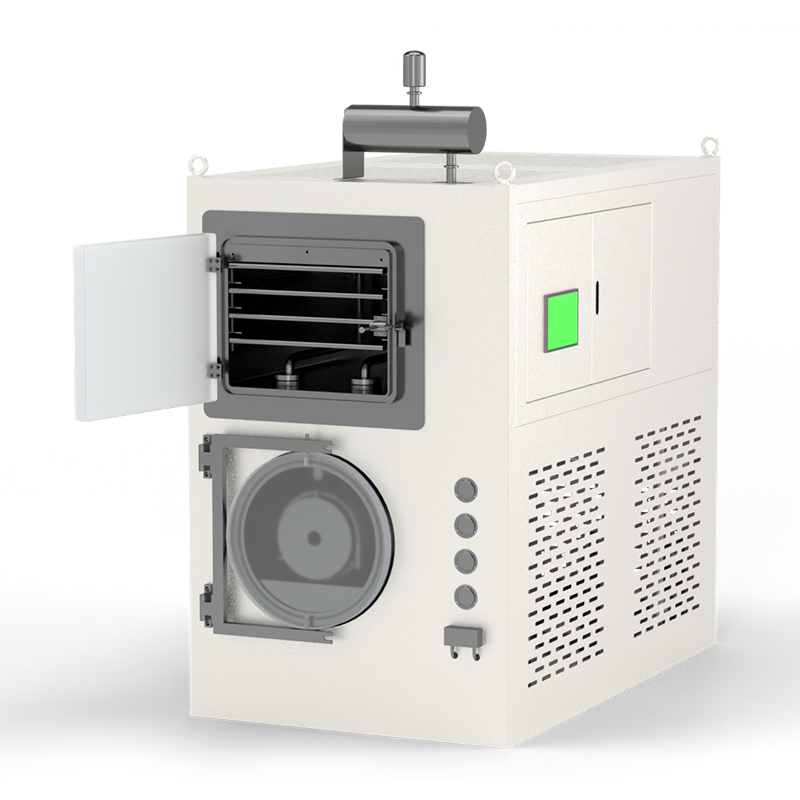
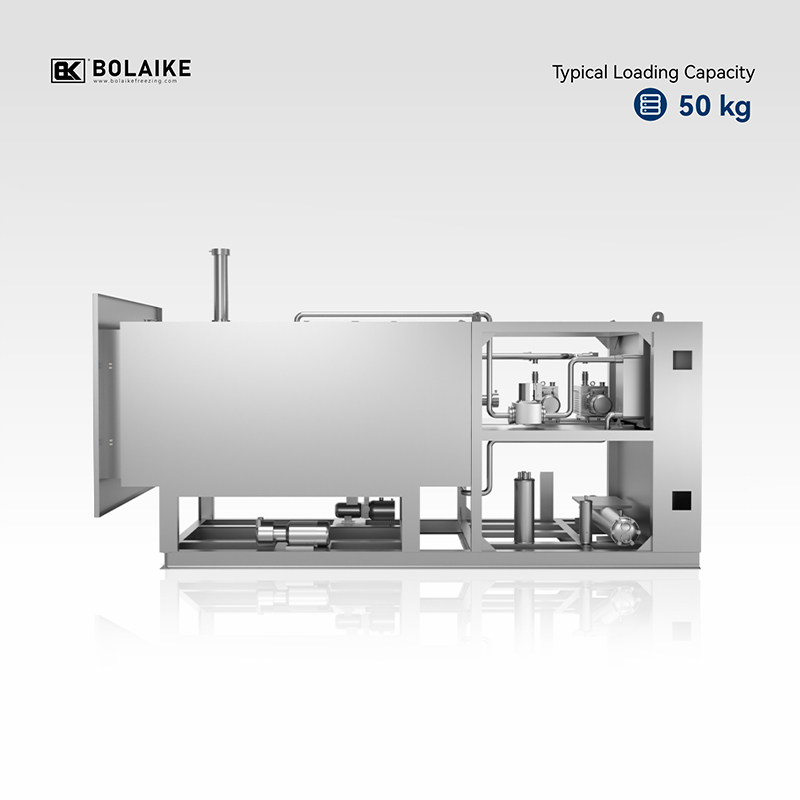
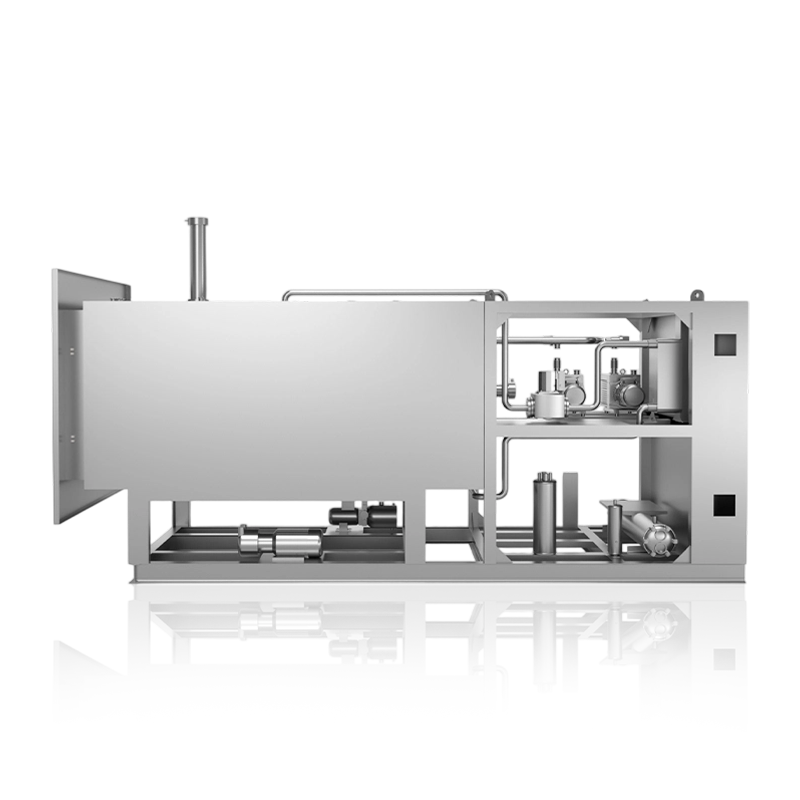
For producers moving from trials into regular commercial output, our medium-sized freeze drying equipment offers a practical bridge — enough capacity for consistent batch production, with enough flexibility to switch between fruit, vegetables and other products during the season.
 BLK-FD-30 Medium-Sized Freeze Drying EquipmentA 30 m² batch unit with integrated pre-freezing and drying, suited to commercial producers scaling from trials and switching between fruit and vegetables.View Product →
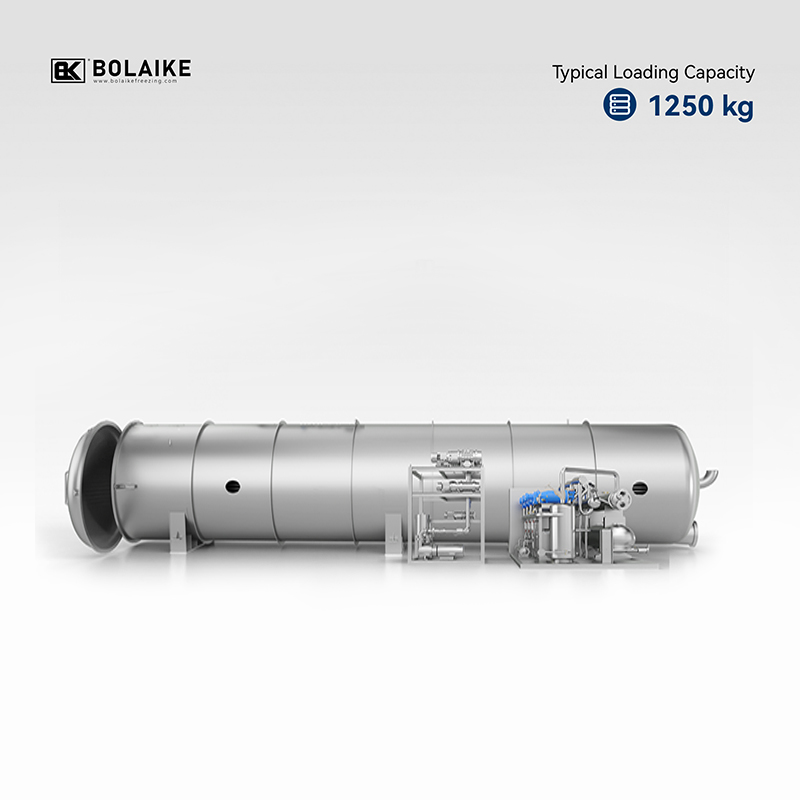
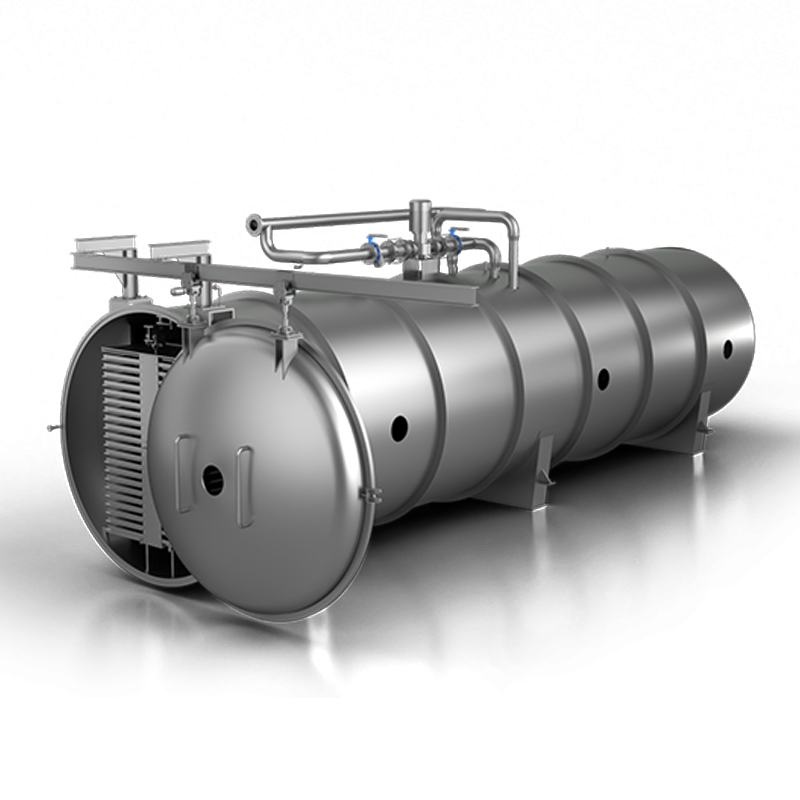
At industrial scale, uniform tray loading and stable vacuum control make the difference between a product that holds for years and one that fails inside a single season. Our large-scale freeze drying equipment is built for that level of repeatability, and we cover the engineering detail in our guide to large-scale freeze-drying equipment.
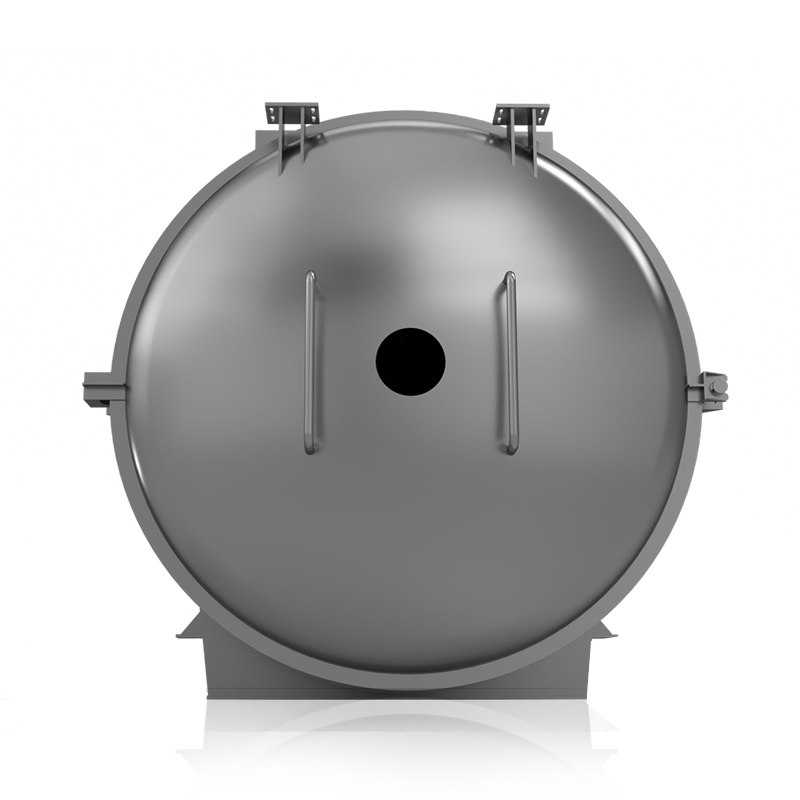 BLK-FD-100 Large-Scale Industrial Freeze Drying EquipmentA 101.1 ㎡ industrial unit with 1,000 kg standard loading and ±1°C shelf control, built for repeatable large-batch food production.View Product →
Coffee is the clearest example of how process affects shelf life. Aroma compounds are volatile, so a fully automatic instant coffee freeze-drying line that keeps the cycle short and the product protected from the moment it leaves the chamber will protect cup quality far better than any packaging choice made afterwards.
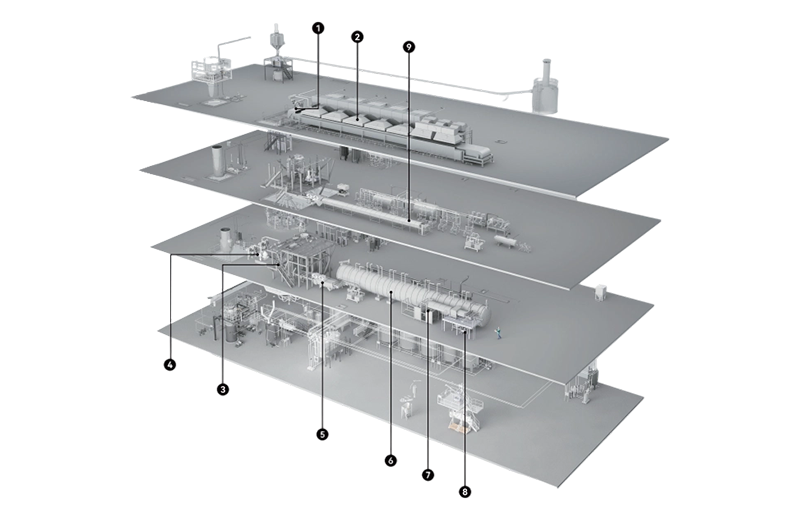 Fully Automatic Instant Coffee Freeze-Drying Production LineA continuous coffee line designed for 4,000 tons annual output, combining cold extraction and short freeze-drying cycles to protect aroma and cup quality.View Product →
So, does freeze-dried food go bad? Yes — but almost always because of moisture, oxygen, heat or a packaging failure, not because of the drying method itself. Handled well, freeze-dried food is one of the most forgiving formats in the industry. Handled carelessly, it can lose its best qualities within a week of opening.
If you are planning a new freeze-dried line, or suspect that your current process is limiting the shelf life of a product, our engineers are always happy to look at your recipe, cycle data and packaging together. You can reach our team here.
 2026/05/28
 2026/05/28
2026/05/28

 Custom Industrial Lyophilizer Freeze Dryer Manufacturers





 English
 русский
 Español
 Français
 Deutsch
 عربى




