
/news/news-media/


News
Products & Solutions
CONTACT US

+86-18068757376

emmy@jsblk.com

No. 29 North Tongjiang Road, Xinbei District, Changzhou City, Jiangsu Province, China
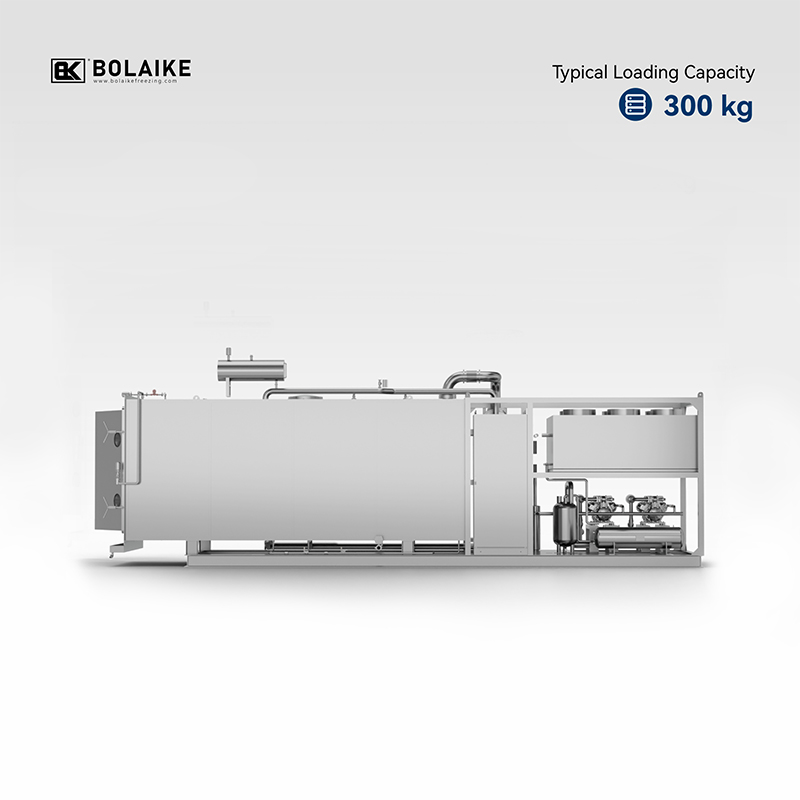
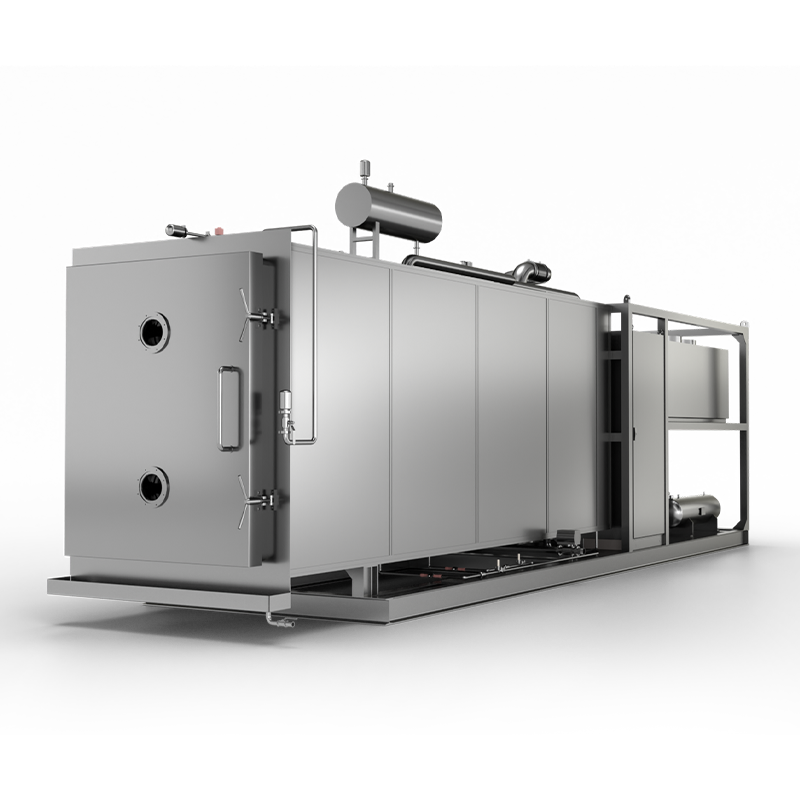
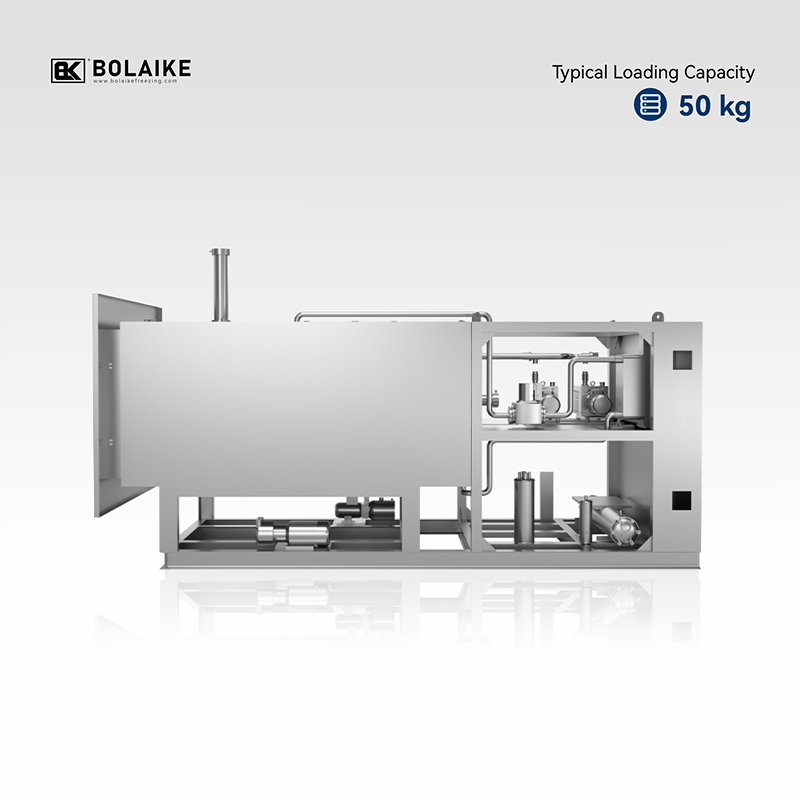
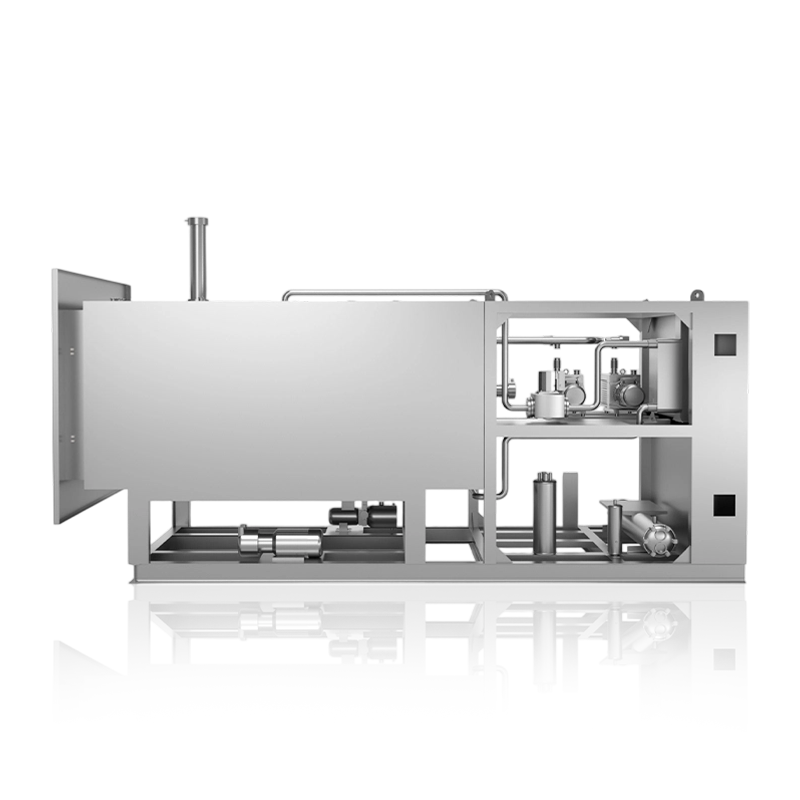
A laboratory freeze dryer supports the future of low-temperature drying technology by allowing water to be removed from a formulation through sublimation rather than evaporation, preserving structures that would otherwise collapse or degrade under heat. This distinction matters because many modern formulations, including liposomes, nanoparticles, and cell-based carriers, depend on maintaining a precise physical structure that conventional heat-based drying methods would disrupt. As formulation science moves toward more complex delivery systems, the demand for equipment capable of controlling ice crystal formation with high precision continues to grow.
The process works by freezing a sample solid, then reducing chamber pressure so that ice transitions directly into vapor without passing through a liquid phase. This sequence avoids the mechanical stress that liquid water movement can place on delicate molecular or cellular structures, which is why freeze drying remains a preferred method for formulations sensitive to temperature and moisture exposure.
Shelf temperature control sits at the center of how a freeze dryer performs during the freezing stage. A typical laboratory freeze dryer operates across a shelf temperature range of roughly -55°C to +80°C, giving operators enough range to freeze a sample quickly at deep sub-zero temperatures and later apply gentle heat during the drying stages to encourage sublimation without overheating the remaining product. Freezing at a very low temperature encourages the formation of smaller, more uniform ice crystals throughout the sample, which reduces the physical damage that larger, irregular crystals can cause to fragile structures such as cell membranes or lipid-based carriers.
When ice crystals grow too large during freezing, they can puncture or distort delicate structures within the sample, which can result in reduced stability or loss of function once the product is reconstituted. Smaller, more evenly distributed ice crystals leave behind a more open, uniform pore structure after sublimation, which also tends to support faster and more even drying in later stages. This level of control becomes particularly relevant for active pharmaceutical ingredients that require a specific crystalline form or an amorphous state, since the freezing rate and final temperature directly influence which physical state the material settles into.
Once sublimation begins, water vapor released from the frozen sample needs somewhere to go, which is the role the condenser plays. Laboratory freeze dryers typically maintain condenser temperatures around -70°C, cold enough to capture water vapor as ice on the condenser coils before it can migrate back toward the sample chamber. If condenser capacity is not matched appropriately to the refrigeration load of a given process, vacuum stability can suffer, allowing moisture to backfill into the chamber and disrupt the drying environment.
Matching condenser capacity to shelf configuration becomes especially important during high-load batches or processes running at very low temperatures, where the volume of vapor generated per unit time increases. A condenser sized appropriately for the expected vapor load helps maintain a stable vacuum throughout the run, supporting consistent drying results from the beginning of a cycle to the end.
Laboratory freeze dryers intended for pharmaceutical or biologics work are generally built around design principles that align with GMP expectations, covering everything from material selection to data handling. Surfaces that come into contact with the product are commonly constructed from high-grade 316 stainless steel with a surface roughness of Ra ≤ 0.4 µm, a finish smooth enough to limit microbial harborage points and simplify cleaning validation. Connections throughout the fluid path typically rely on hygienic quick-clamp fittings rather than threaded joints, since threads can trap residue in ways that are difficult to fully clean or inspect.
| Design Element | Specification | Purpose |
|---|---|---|
| Contact surface material | 316 stainless steel, Ra ≤ 0.4 µm | Limits residue and supports cleaning |
| Connections | Hygienic quick-clamp fittings | Avoids hard-to-clean threaded joints |
| Sealing materials | FDA-compliant hygienic silicone | Reduces contamination risk |
| Freeze-drying chamber | Compliant with GB150 pressure vessel standard | Ensures structural safety under vacuum |
Beyond the physical construction of the equipment, GMP-aligned freeze dryers are generally designed to support full CIP and SIP validation, meaning cleaning and sterilization cycles can be verified rather than assumed. This becomes particularly relevant in multi-product facilities, where residue from one batch must be fully removed before processing a different formulation. Validated CIP and SIP cycles reduce the reliance on manual disassembly and inspection, which shortens turnaround time between batches while maintaining a documented cleaning record.
Data reliability is addressed through control systems that maintain a comprehensive audit trail, recording process parameters such as shelf temperature, chamber pressure, and cycle duration alongside user access records. This kind of electronic record-keeping supports traceability during regulatory review, since any deviation during a production run can be traced back to a specific time, parameter, or operator action. A complete technical documentation package typically accompanies the equipment as well, providing the supporting material needed for installation qualification, operational qualification, and ongoing process validation.
Laboratory freeze dryers see use across a fairly broad range of applications, from early-stage formulation screening to small-batch process development. Lyophilization of injectable formulations, vaccine components, and biologic drug substances represents one common use, where preserving protein structure and biological activity through the drying process is a primary concern. Cell and gene therapy research also relies on freeze drying to stabilize sensitive carrier systems for storage and transport, since maintaining structural integrity at this stage directly affects downstream performance.
Outside of biologics, freeze drying supports work with nanoparticle and liposome-based drug delivery systems, where controlling ice crystal size during freezing helps preserve particle size distribution and encapsulation efficiency. Academic and pharmaceutical research settings alike use laboratory-scale units for process development before scaling formulations toward pilot or production volumes, making equipment flexibility and precise parameter control valuable throughout the early stages of product development.
 2026/05/28
 2026/05/28
2026/05/28
2026/05/28
2026/05/28
2026/05/28


 Custom Industrial Lyophilizer Freeze Dryer Manufacturers





 English
 русский
 Español
 Français
 Deutsch
 عربى
عربى


