
/news/news-media/


News
Products & Solutions
CONTACT US

+86-18068757376

emmy@jsblk.com

No. 29 North Tongjiang Road, Xinbei District, Changzhou City, Jiangsu Province, China
Freeze drying is slow by design. A single batch spends roughly 20 to 40 hours moving through freezing, primary drying, and final desorption, and for much of that time the refrigeration compressors and vacuum pumps run continuously. Electricity is therefore a major controllable operating cost in freeze-dried food production after raw materials. The conclusion worth stating up front: an energy saving freeze dryer is not simply the machine with the smallest number on its nameplate. It is the unit whose refrigeration and vacuum systems move heat and water vapor with minimal waste, whose control system finishes the cycle when the product is actually dry, and whose capacity matches the loads you actually run. The rest of this article explains where the energy goes, which design features genuinely reduce consumption, and what to check before signing a purchase order.
A freeze dryer has three energy consumers: the refrigeration system, the vacuum system, and the shelf heating system. Refrigeration dominates. The compressors must pull the product well below its freezing point so that free water crystallizes properly, and during primary drying they must hold a condenser surface cold enough, often in the range of -40 to -50 degrees Celsius for food products, to keep water vapor migrating from the shelves to the coil. Any shortfall in condenser performance shows up as a longer cycle, which is another way of saying higher energy per kilogram.
For context on scale: a residential freeze dryer typically draws somewhere between 900 and 1,500 watts and costs roughly one to three dollars per day of running time. Commercial and industrial machines are better judged by a different metric, kilowatt-hours per batch or per kilogram of water removed, because a food plant running one batch a day for 300 days will see electricity as a line item that either protects or erodes its margin.
The refrigeration system deserves the closest look because it accounts for the largest share of consumption. Efficient compressors, a correctly sized condenser, and well-executed heat exchange all shorten the time a batch needs. There is a procurement risk on both sides of sizing: an undersized condenser stretches every cycle, while a heavily oversized one adds fixed power draw and capital cost without improving throughput. Ask suppliers to match condenser ice capacity to your realistic batch water load, not to a theoretical upper limit.
Conventional systems hold a continuous deep vacuum and run the pumps flat out for the entire primary drying phase. Pulsed vacuum approaches take a different route: pressure is periodically modulated to refresh the vapor gradient around the product, so the pumps do not need to run at full load the whole time. A recently unveiled vacuum-pulsed freeze dryer design from Bolaike follows this same logic, with freeze-drying efficiency reported to increase relative to conventional operation, and it is worth studying when comparing quotations.
A large share of wasted energy comes from padding cycles with fixed hour counts. Machines that adjust shelf temperature and chamber pressure based on product resistance, and that confirm the real endpoint with a pressure rise test, finish when the product is finished rather than when a preset timer expires. Cutting six padded hours from a 30-hour cycle removes a fifth of the machine's running time on every batch.
Frost buildup on the condenser behaves like insulation and forces the refrigeration system to work harder as the batch progresses. A disciplined defrost routine between batches, intact door gaskets, and properly insulated cabinet walls are unglamorous details, but they are exactly what separates machines that hold their efficiency after two years from machines whose consumption quietly drifts upward.
A common pattern among producers who started small is a corner of the workshop filled with tabletop units running at staggered times. Each one of those batches pays the same fixed overhead: pulling the empty chamber and condenser down to temperature, evacuating the chamber, and bringing the shelves to setpoint. Spreading that overhead across a full load in a single larger machine is one of the more straightforward energy savings available, and it also frees the operator hours previously spent loading and unloading several machines.
| Configuration | Energy Behavior | Practical Effect |
|---|---|---|
| Several small bench units | Each batch pays full pull-down and pumpdown overhead | Higher kWh per kilogram and more operator hours |
| One large unit, fully loaded | Fixed overhead spread across the whole load | Lower cost per kilogram and consistent drying curves |
| One large unit, run half empty | Same overhead against reduced output | Poor efficiency, usually a sizing mistake rather than a machine fault |
The third row is the caution. Buying large is only efficient if the machine can be filled, which is why realistic capacity planning matters more than the brochure's peak figure.
Sales literature rarely leads with electricity data, so bring your own checklist. A key number to track is kilowatt-hours per kilogram of water sublimated under a defined load and recipe, not the connected power rating. A unit that draws more power but finishes a batch six hours sooner can easily be the cheaper machine to run.
| Specification to Request | Why It Matters |
|---|---|
| kWh per batch at a stated product load | Turns marketing claims into a figure you can multiply by your electricity tariff |
| Condenser ice capacity versus your batch water load | An undersized condenser silently lengthens every cycle |
| Measured cycle time for a comparable food product | Reveals whether the control system is tuned or generic |
| Endpoint detection method | Pressure rise testing prevents paid-for hours spent drying finished product |
| Defrost method and turnaround time | Determines how many batches per week the line can sustain |
If a supplier cannot provide energy figures for a defined load, ask to run your own material. Validating on bench-scale equipment before committing capital is inexpensive insurance in this industry.
Even an efficient machine wastes energy under careless operation. These habits cost nothing and usually show up on the next electricity bill:
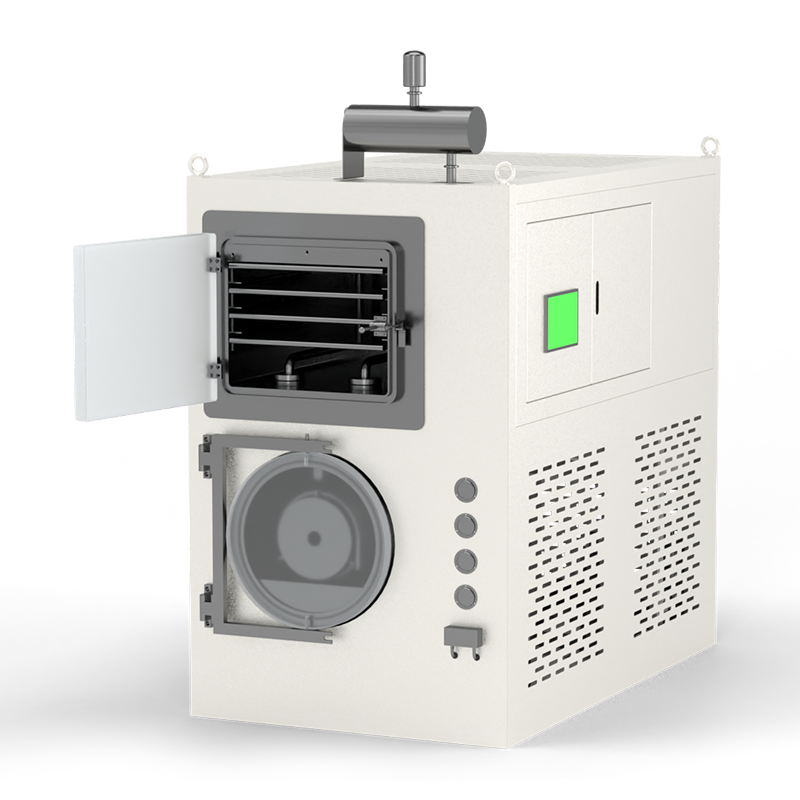
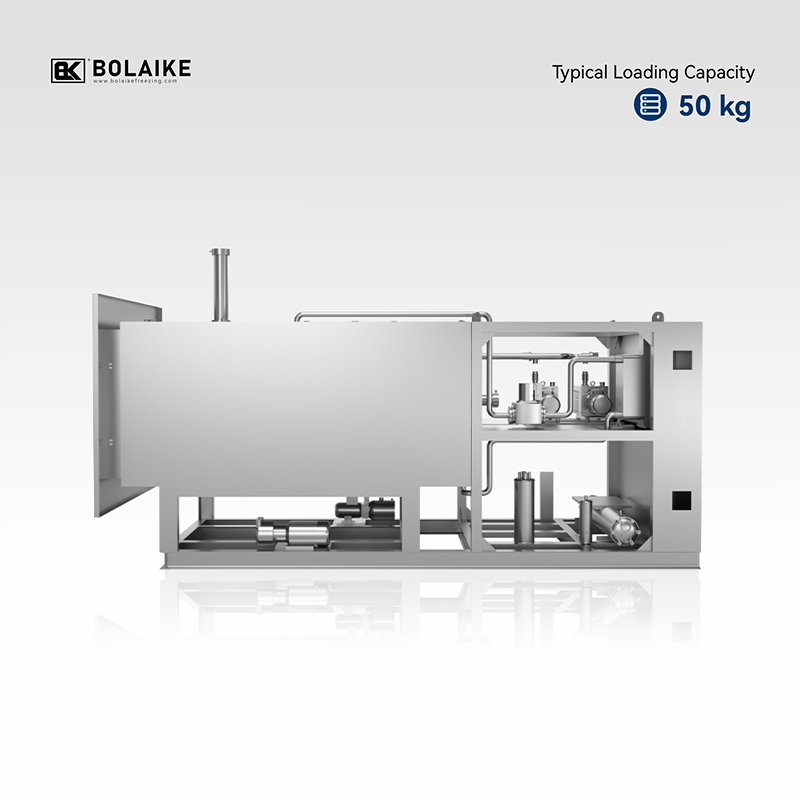
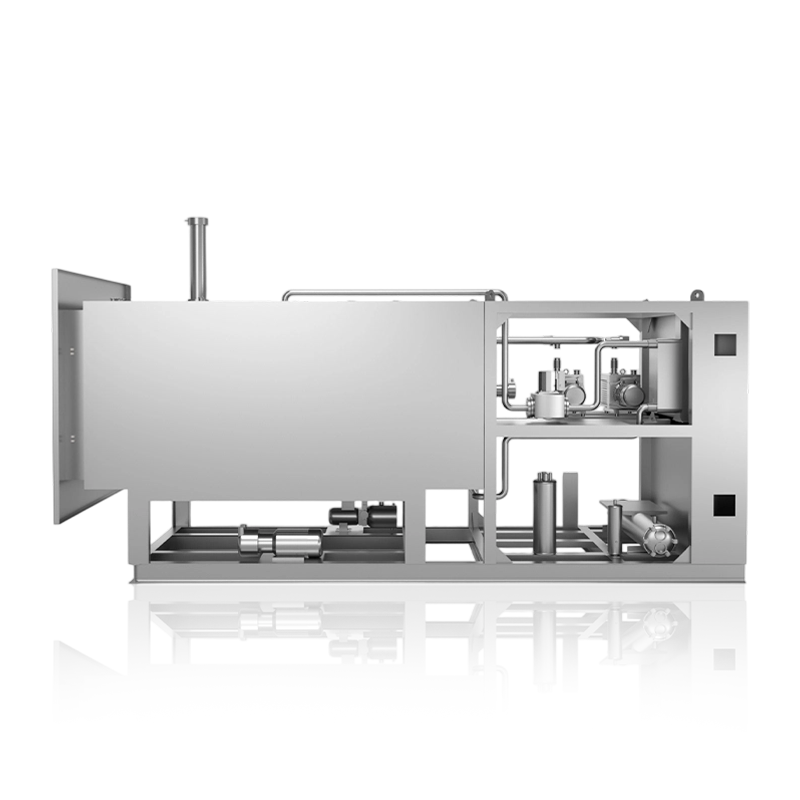
Energy efficiency starts with buying the right size class, because every class has a job it does well and jobs it does badly. Development teams validating recipes and freeze-drying curves should work at bench scale, where each kilogram of test material teaches the cycle parameters that later determine production economics.
experimental freeze dryers for recipe and cycle development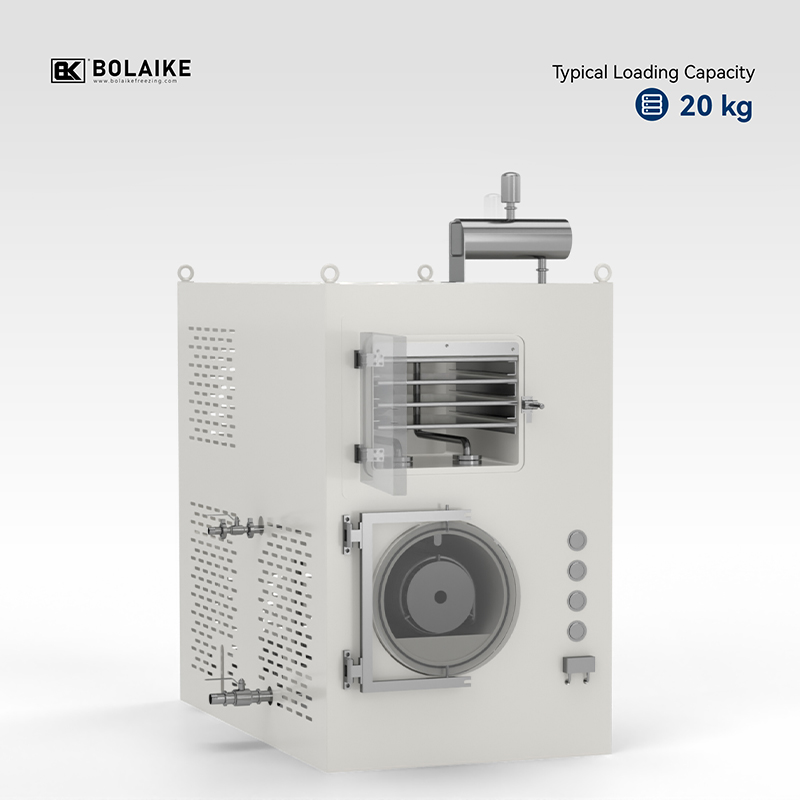 Experimental Freeze Dryers for Lab-Scale Recipe ValidationBench-scale lyophilizers from the BLK-FD-0.1 to FD-2 range suit teams validating recipes and freeze-drying curves, where each kilogram of test material teaches the cycle parameters that later shape production economics.View Product →
Pilot batches and small commercial runs sit in the middle of the range, and this is where many sizing errors happen: buyers choose too small to save capital, then run two shifts of half loads. The middle class is well suited to this transition phase, covering pilot amplification and multi-product rotation without the overhead of a full industrial installation.
medium-sized freeze drying equipment for pilot and small commercial production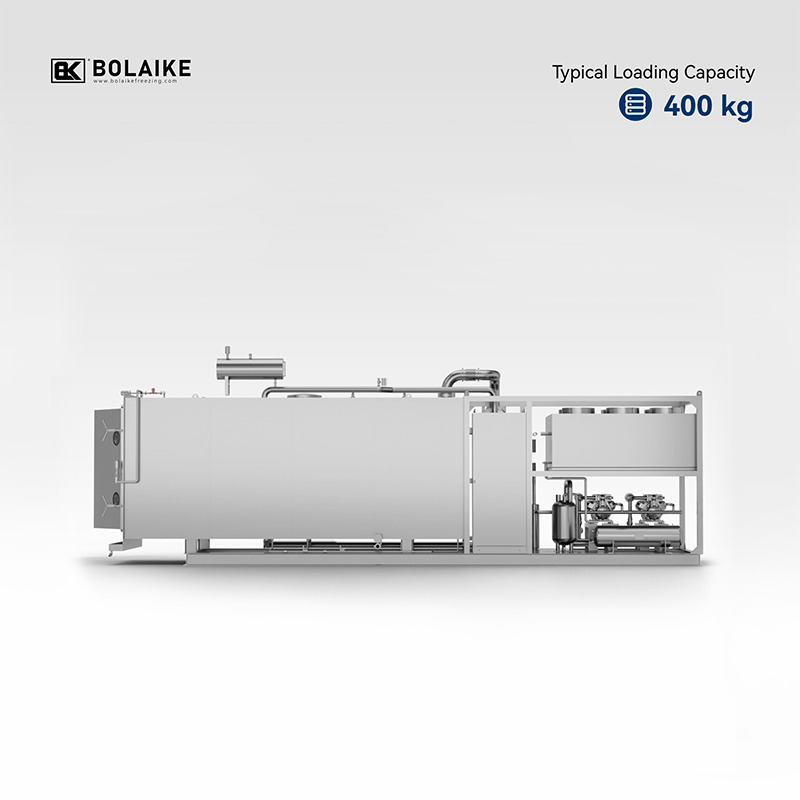 Medium-Size Freeze Dryers for Pilot and Small Commercial RunsThe BLK-FD-5 to FD-40 range covers pilot amplification and multi-product rotation during the transition phase, helping buyers avoid undersized units that force costly two-shift operation of half loads.View Product →
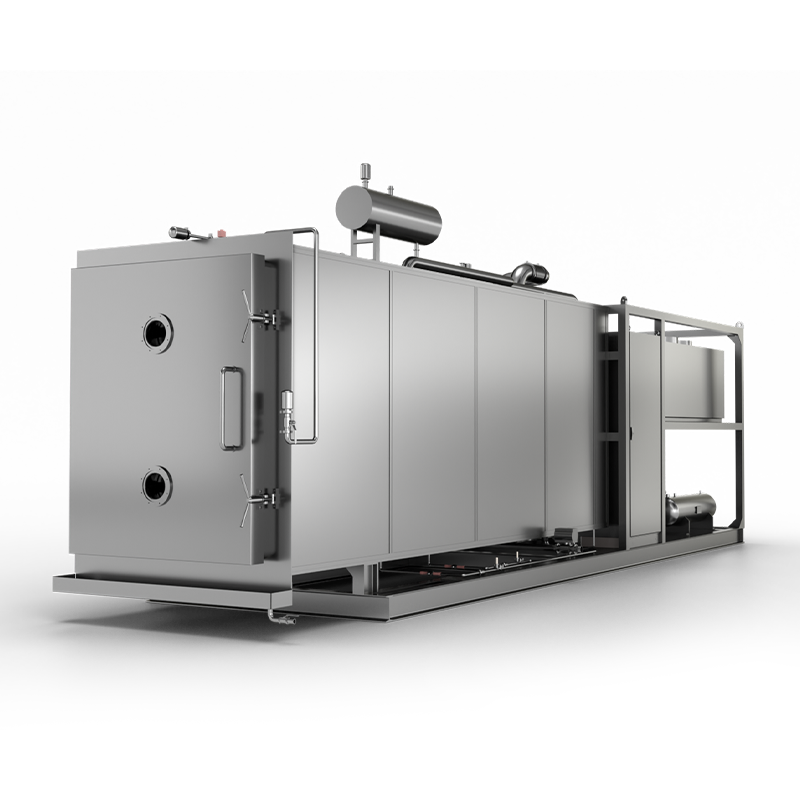
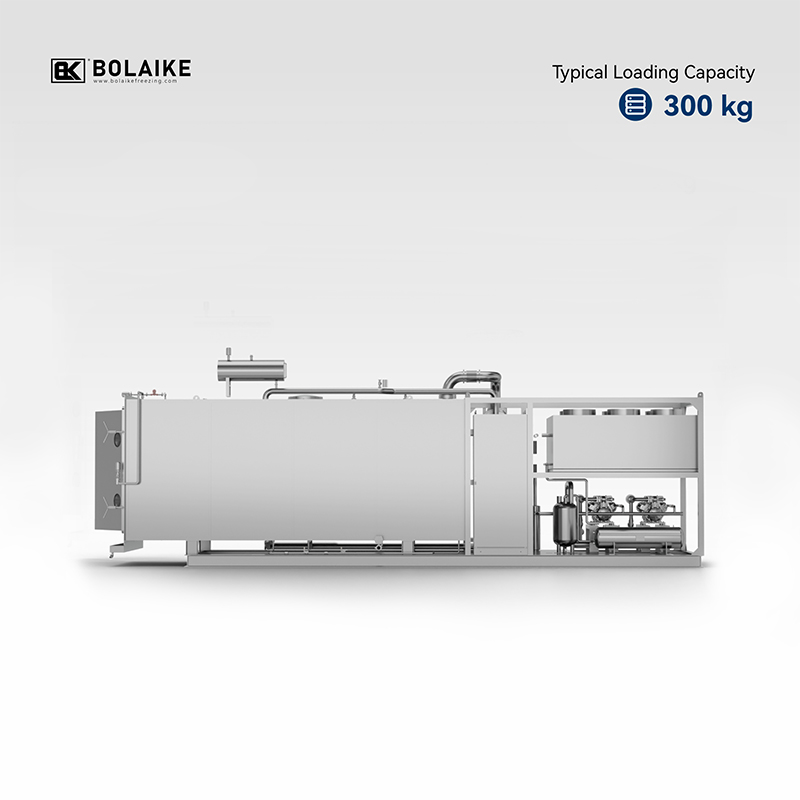
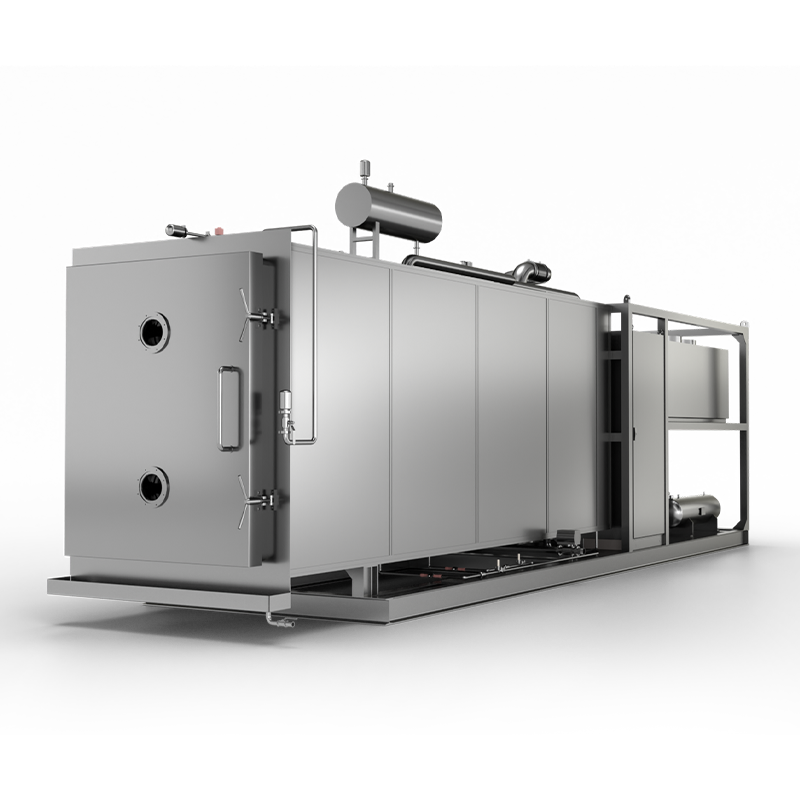
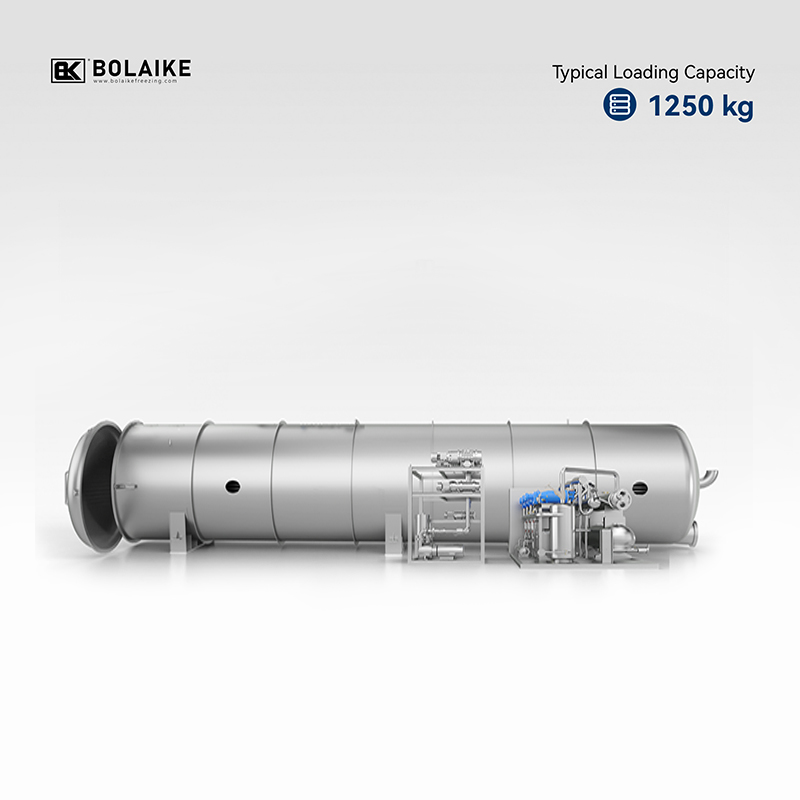
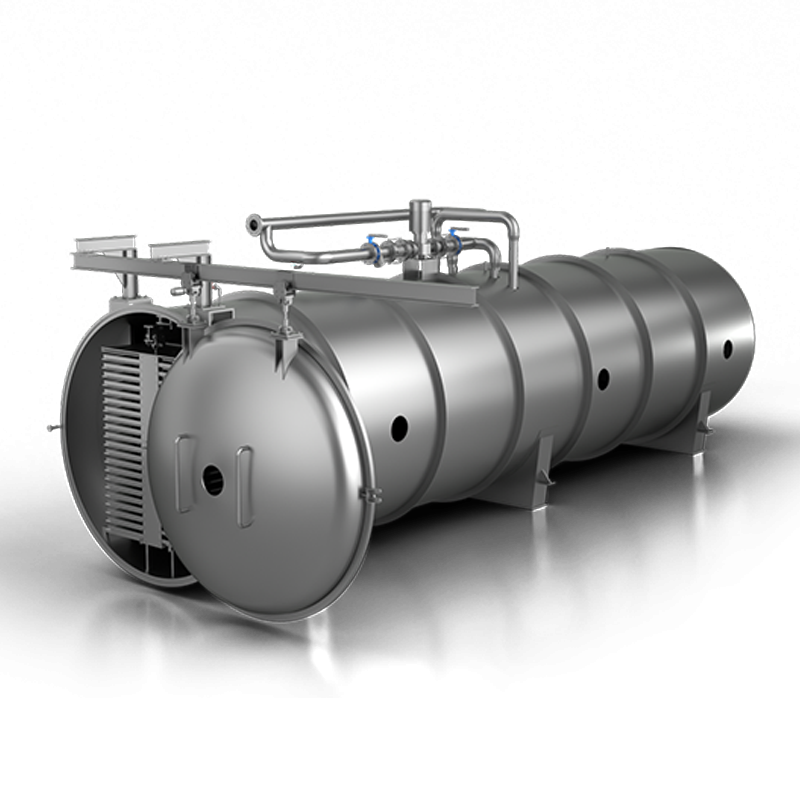
At industrial volume, consolidation is the saving: a full load in one large chamber replaces the staggered operation of many small units and delivers a lower cost per finished kilogram. Dedicated applications such as instant coffee go one step further and justify purpose-built lines, where the drying step is engineered around a single product's cycle rather than adapted to it.
large-scale freeze drying equipment for industrial batch production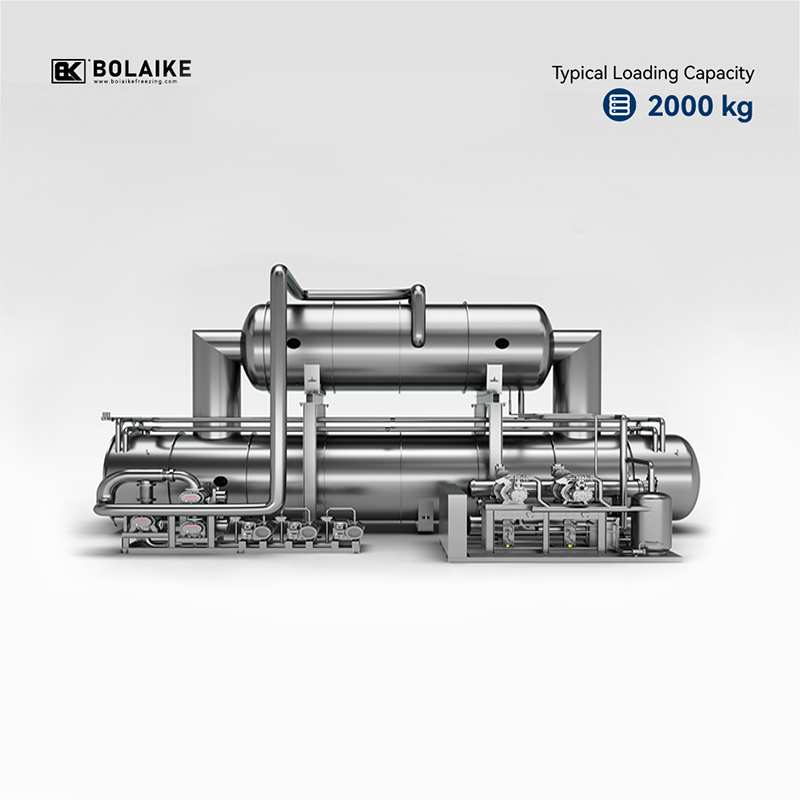 Large-Scale Freeze Dryers for Full Industrial Production VolumeLarge-capacity equipment from the BLK-FD-50 to FD-200 consolidates production into one full chamber load, delivering a lower cost per finished kilogram for industrial food and pharmaceutical operations.View Product →
Buying an energy saving freeze dryer is ultimately a cost-per-kilogram decision, not a wattage comparison. Request batch energy data in writing, size the condenser to your real water load, fill the chamber, and keep the cycle tuned to the product. For batch data, trial arrangements, or a quotation matched to your production plan, reach the Bolaike team through the contact page.

 2026/05/28
 2026/05/28
2026/05/28
2026/05/28
2026/05/28
2026/05/28


 Custom Industrial Lyophilizer Freeze Dryer Manufacturers





 English
 русский
 Español
 Français
 Deutsch
 عربى
عربى


