
/news/news-media/


News
Products & Solutions
CONTACT US

+86-18068757376

emmy@jsblk.com

No. 29 North Tongjiang Road, Xinbei District, Changzhou City, Jiangsu Province, China
Two brewers can pull shots from the same roaster bag, follow the same recipe, and still produce cups that taste nothing alike. Before blaming the beans, check the water: brewed coffee is roughly 98% water, and the dissolved minerals in it steer extraction more than many people expect. That is exactly the job a TDS meter for coffee is built for. The conclusion up front: use a TDS meter on your brewing water, not on the brewed coffee itself. For the coffee, the instrument to use is a refractometer. Keeping that split straight saves you from misleading numbers and tells you which measurement actually needs a meter at all.
A TDS meter reports total dissolved solids, the combined concentration of dissolved minerals, salts, and other compounds, expressed in parts per million (ppm) or milligrams per liter. Handheld units never count those solids directly. They pass a small current between two electrodes, estimate concentration from electrical conductivity, and convert the result using a built-in factor. Decent meters add automatic temperature compensation (ATC) and hold accuracy within about plus or minus 2%, which is plenty for water work.
That working principle explains both the strength and the blind spot. Calcium, magnesium, bicarbonate, and sodium ionize readily in water, so a conductivity meter tracks the minerals that shape extraction quite reliably. Brewed coffee is different: much of what dissolves into the cup, including sugars, organic acids, lipids, and melanoidins, barely conducts electricity at all. Dip the same meter into filter coffee and it will report a small fraction of the real dissolved load, which sits near 1.15-1.45% of the beverage by mass. The low reading is not a defect. The instrument is simply answering a different question than the one you asked.
Because the two instruments work on different physics, an easy way to waste money is buying one when the job needs the other. A refractometer reads refractive index, which responds to every dissolved solid whether or not it conducts electricity, and that is why it remains the standard instrument for coffee strength. The table below maps the common tasks.
| Measurement task | Instrument to Use | Typical benchmark | Why the split matters |
|---|---|---|---|
| Brewing water mineral load | TDS meter | 75-250 ppm acceptable; about 150 ppm as a target | Conductivity reliably tracks the ionized minerals that steer extraction |
| Filter coffee strength | Coffee refractometer | 1.15-1.45% TDS in the cup | Refractive index captures dissolved solids that do not conduct electricity |
| Espresso strength | Coffee refractometer | 8-12% TDS in the cup | Espresso concentrations sit far beyond what a conductivity meter can read meaningfully |
| Instant coffee extract control | Lab refractometer or inline solids monitoring | Approx. 15-25% after extraction; approx. 40-60% after concentration | Energy use, viscosity, and drying behavior all depend on accurate solids control |
Once a refractometer gives you the strength of the cup, the extraction yield formula ties the number to taste: extraction yield in percent equals the coffee's TDS multiplied by beverage weight, divided by dose weight. A 300 g cup measuring 1.30% TDS from a 20 g dose works out to (1.30 x 300) / 20 = 19.5%, inside the 18-22% window the Specialty Coffee Association considers balanced. Notice that the formula runs on the coffee's TDS, never the water's.
Water is where the meter pays for itself immediately. Industry water guidance places brewing water between 75 and 250 ppm TDS with a target near 150 ppm, alongside recommended ranges for calcium hardness and alkalinity. Water below that band leaves coffee tasting sharp and hollow, because too few ions are available to carry flavor compounds out of the grounds. Water above it flattens brightness and starts leaving scale in kettles and espresso boilers.
The value is repeatability. Water that measures the same every week removes an entire category of variables from your brewing, which is why many cafés log water TDS alongside their grinder settings.
In instant coffee manufacturing, the same measurement stops being a hobbyist metric and becomes a core control point. Industrial extraction pushes hot water through batteries of columns until the extract leaves at roughly 15-25% dissolved solids. That extract is then concentrated, typically by evaporation, to around 40-60% solids before drying, with somewhat lower concentrations common where freeze-drying must protect granule structure. An inaccurate solids reading compounds at every stage: a weak extract forces longer extraction or wasted energy downstream, while an over-concentrated one changes viscosity and alters how the concentrate freezes and dries.
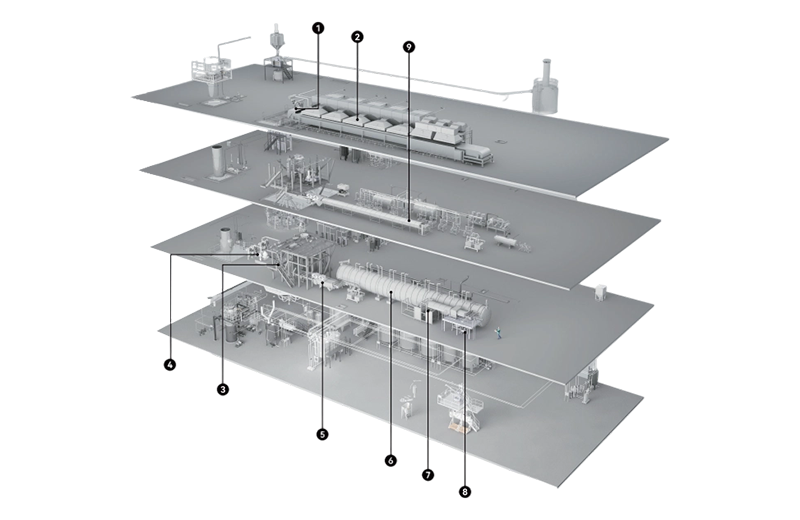 Fully Automatic Instant Coffee Freeze-Drying Production LineA complete line covering concentrate handling, quick-freezing, granulation, and vacuum freeze-drying to finished granules. It suits buyers assessing how extract concentration and drying behavior stay consistent at industrial throughput.View Product →
These are precisely the parameters buyers probe when they audit a drying line. When senior executives from a Brazilian coffee company visited Bolaike's production facility in Jiangsu, the inspection focused on how the equipment holds extract concentration and drying behavior consistent at industrial throughput, the plant-scale equivalent of asking whether your brewing water measures the same every morning.
Freeze-drying converts that controlled extract into premium coffee granules, and it is also where a TDS number stops telling the full story. Concentrated extract is frozen, commonly around -40 degrees C or lower, then dried under a vacuum below the triple point of water, so the ice sublimes directly into vapor without ever melting. Because the solids never pass back through a hot liquid phase, volatile aroma compounds survive at levels thermal drying struggles to match, and finished granules typically leave the line at 2-4% residual moisture.
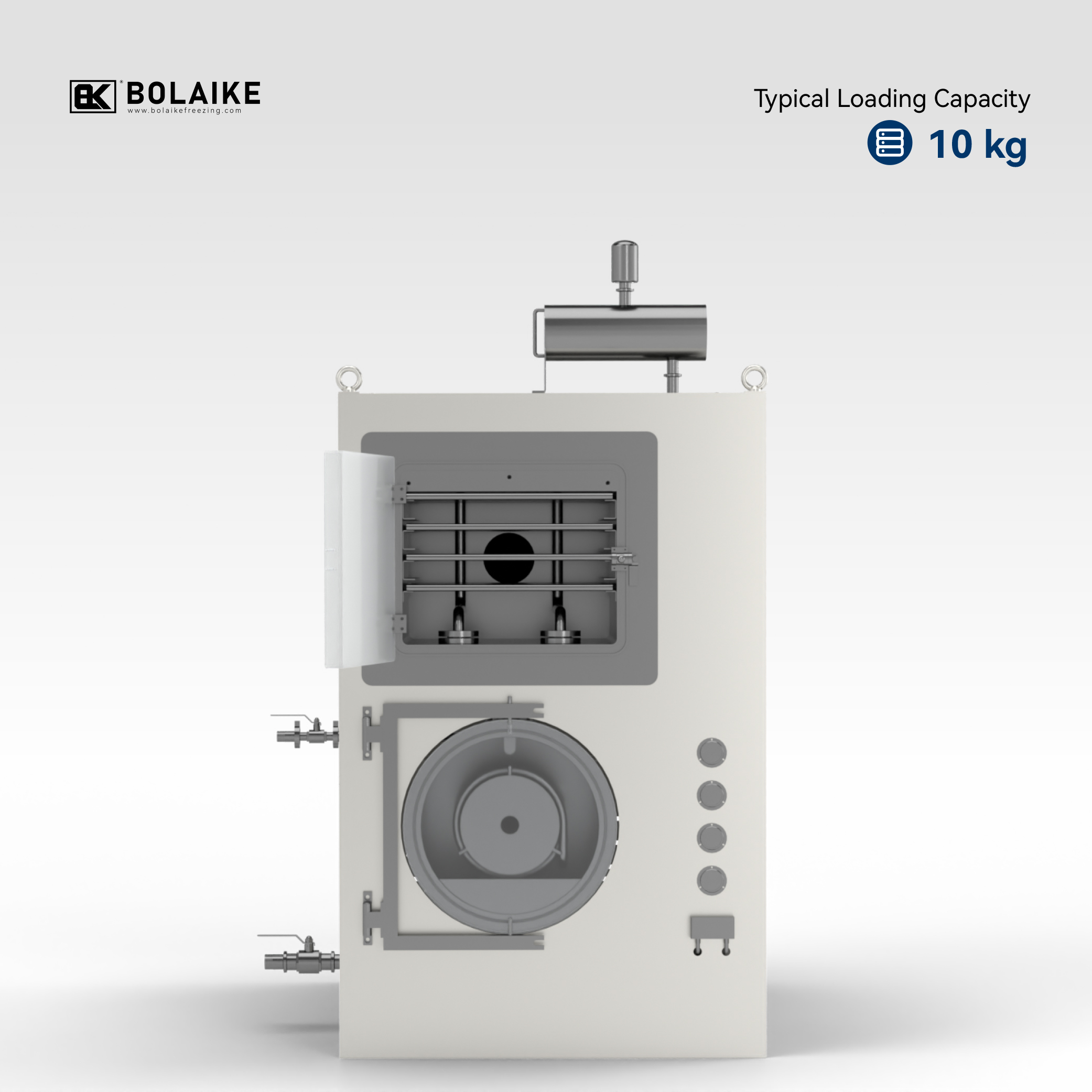
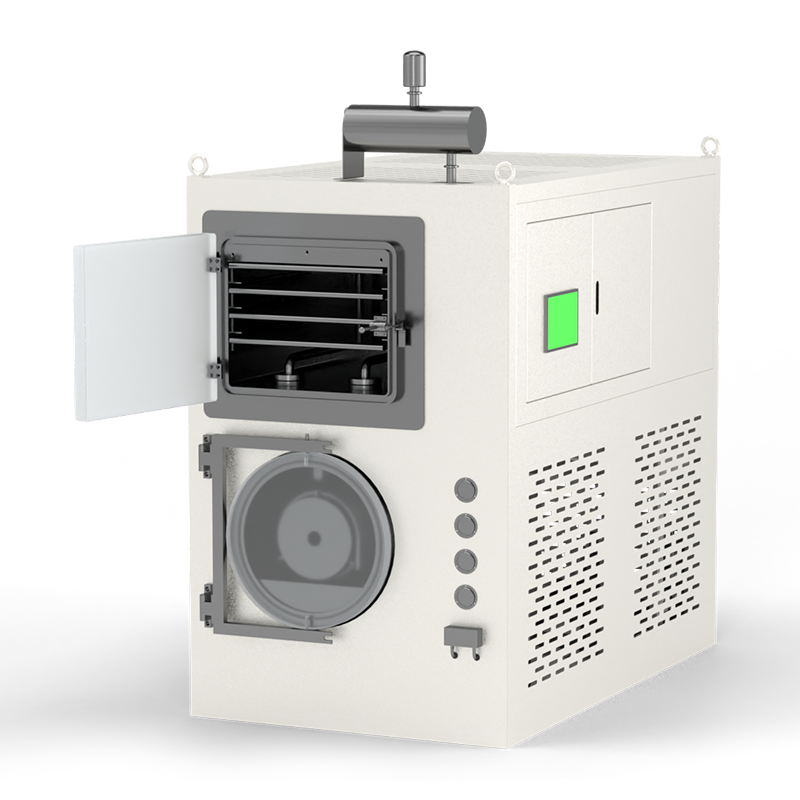
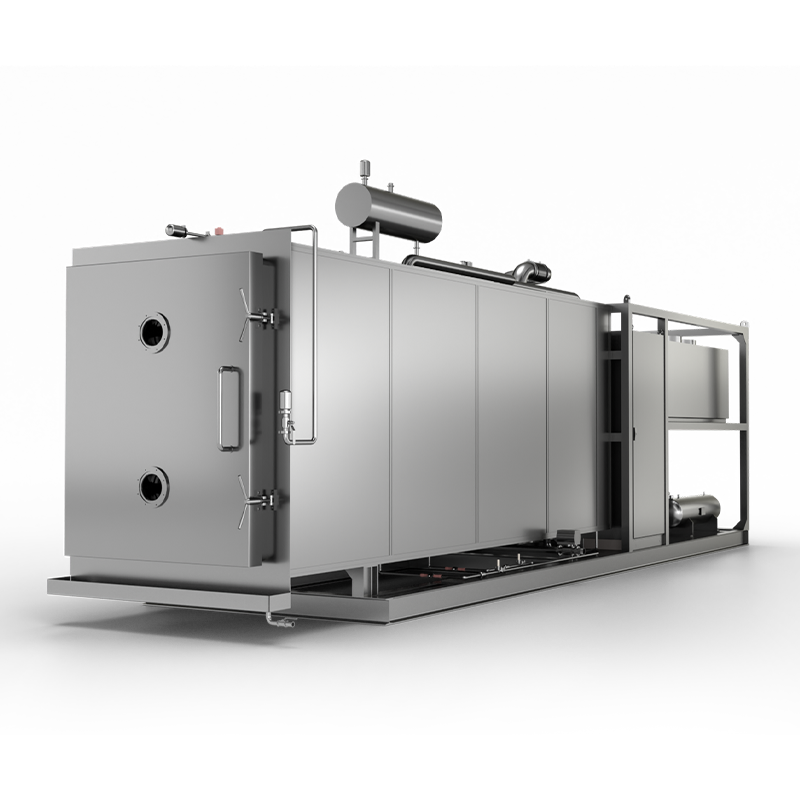
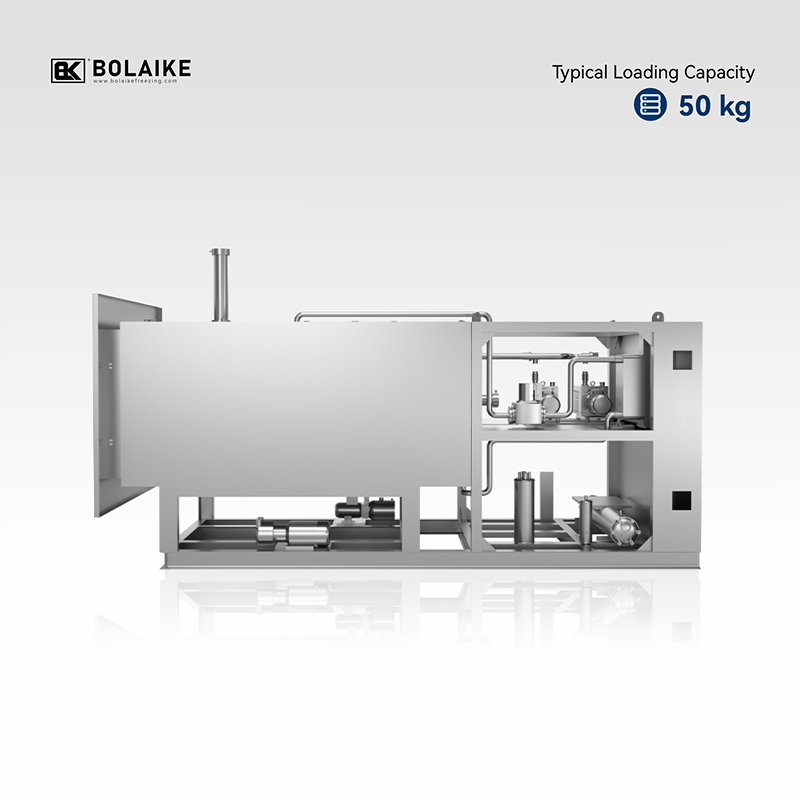
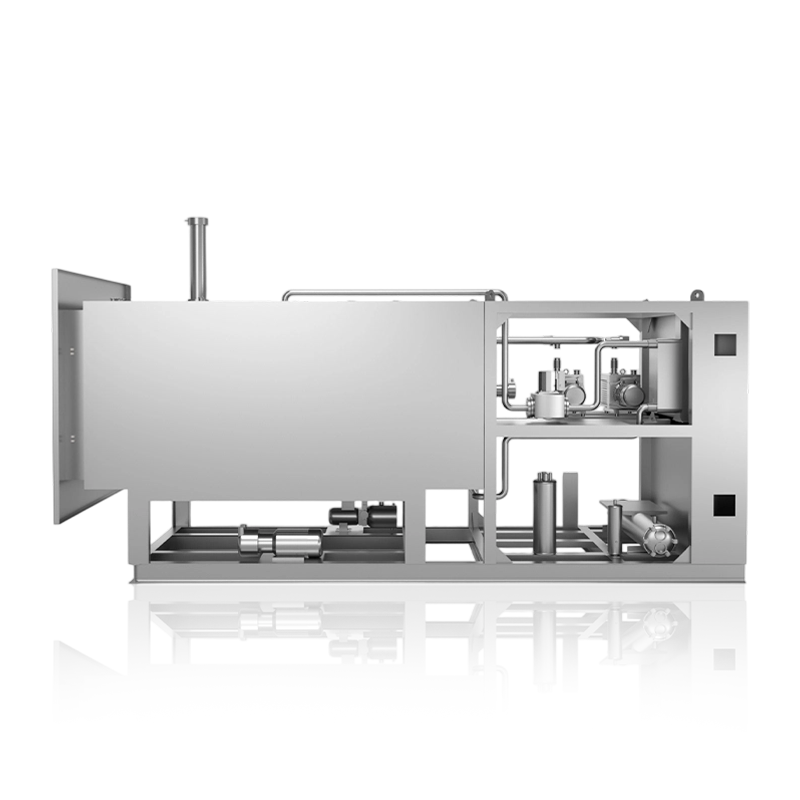
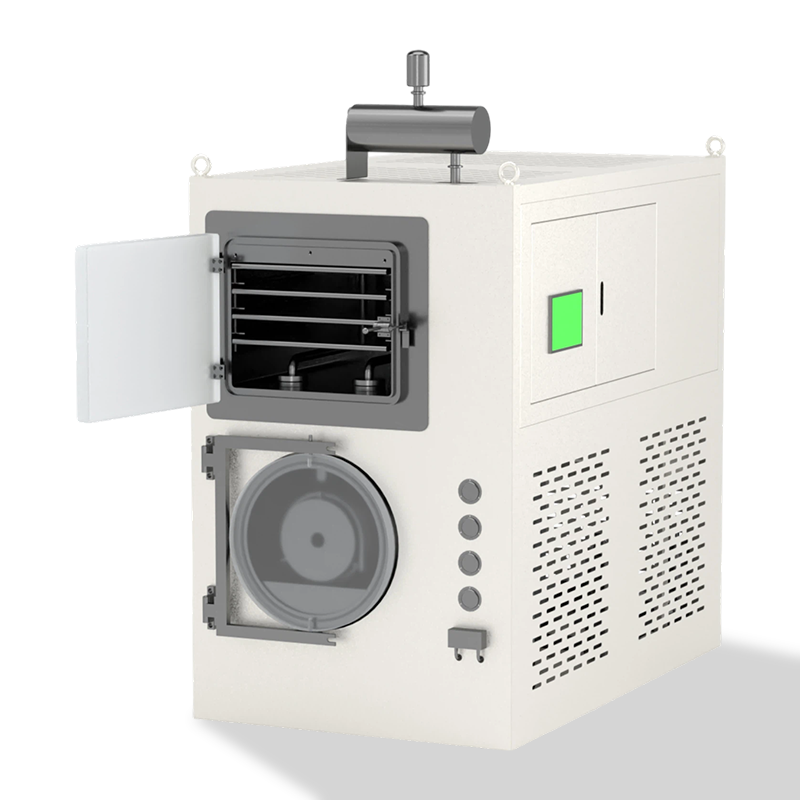 BLK-FD-0.5 Experimental Freeze DryerA lab-scale freeze dryer for mapping freezing rate, shelf temperature, and chamber pressure on coffee extracts before full production. Tight ±0.5°C shelf control and flexible configurations help replicate industrial drying curves reliably.View Product →
Validating that behavior starts small. An experimental freeze dryer lets a coffee lab map the freeze-drying curve for a specific extract, covering freezing rate, shelf temperature, and chamber pressure before a full production batch is committed to those settings. It is the same logic as testing water before brewing, only with far more expensive ingredients.
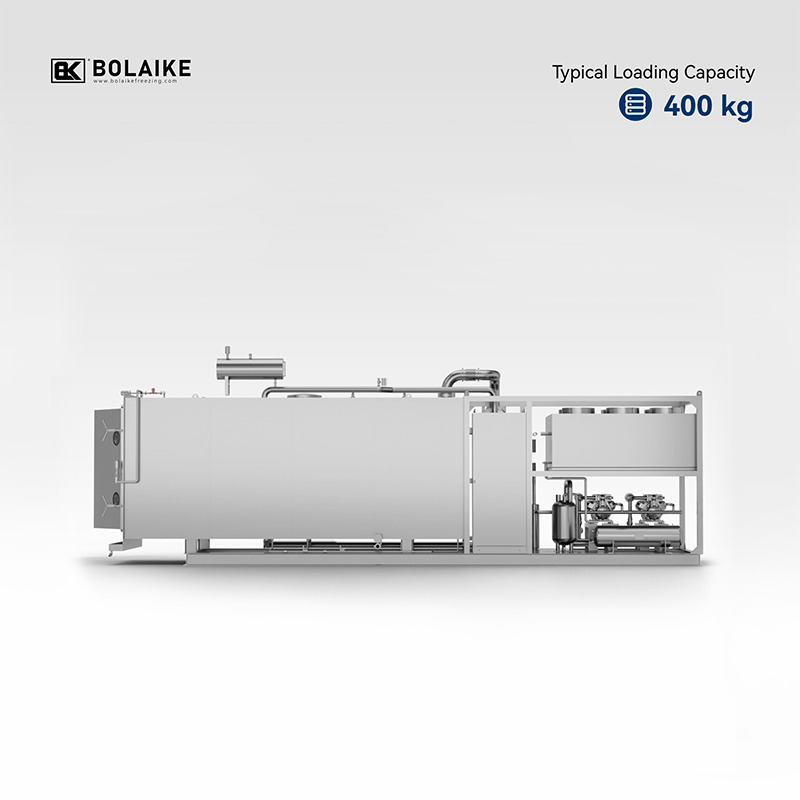
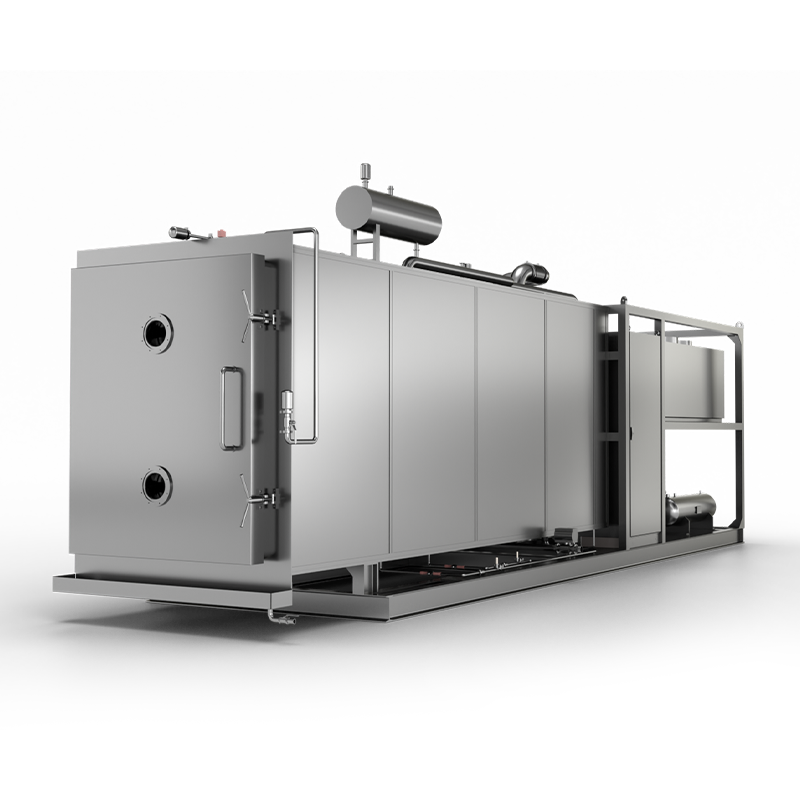
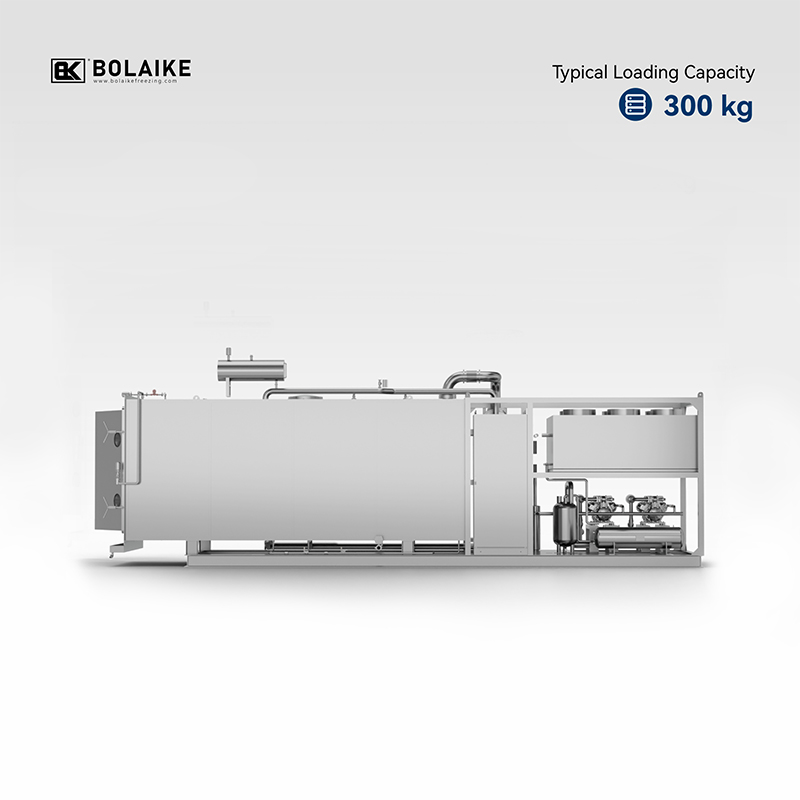
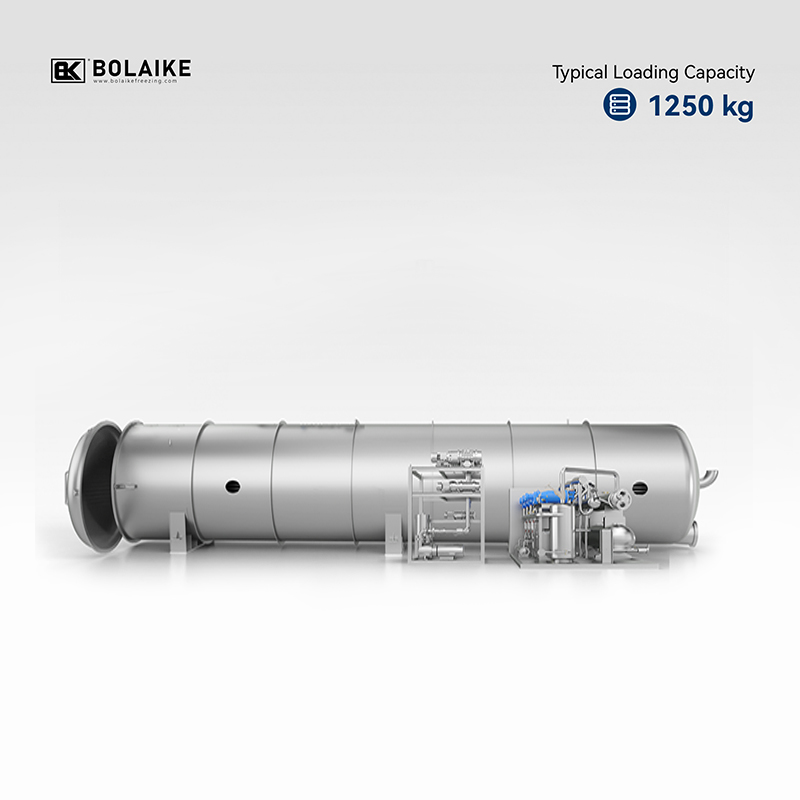
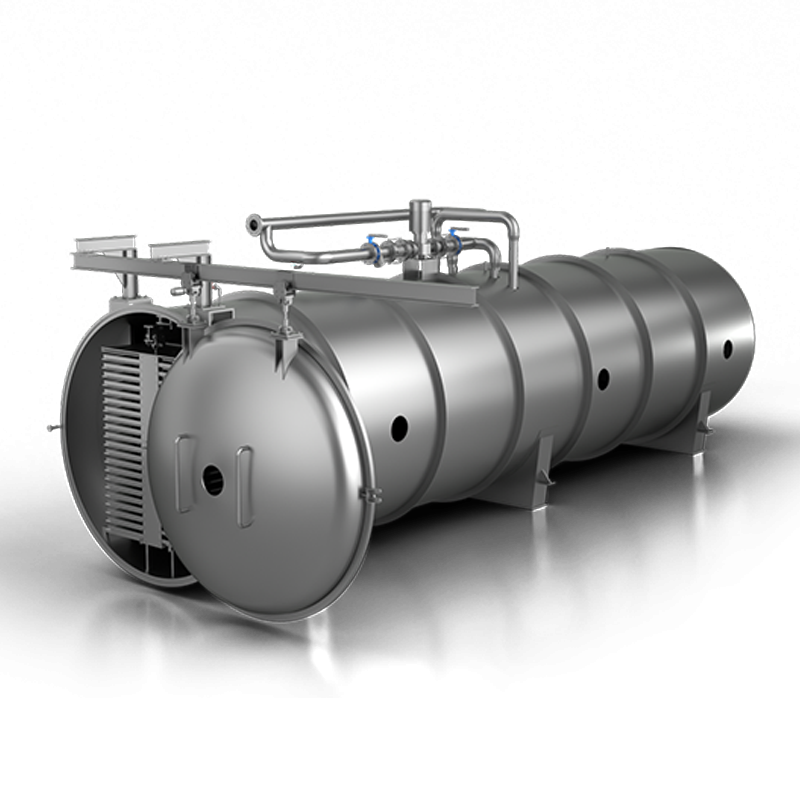
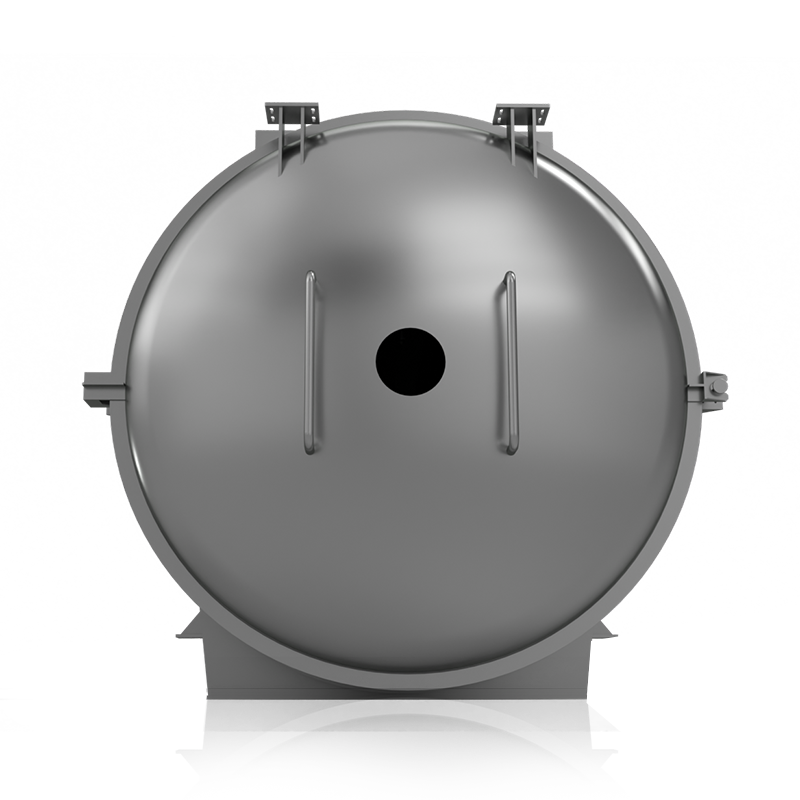 BLK-FD-100 Industrial Freeze DryerA large-format cylindrical freeze dryer for continuous industrial coffee granule output once drying curves are validated. Intelligent control, low shelf temperature deviation, and multi-unit parallel operation support scaled-up commercial production.View Product →
From proven curves, capacity scales in steps: mid-sized units carry pilot work and short commercial runs, while large-format machines such as the FD100 take over continuous industrial output.
A meter with those four features costs only slightly more than a bare-bones unit and holds its calibration far longer.
Buy a TDS meter to control the ingredient coffee is mostly made of, water, and rely on a refractometer when the measurement that matters is the strength of the cup itself. In a cafe, that discipline stabilizes every drink served. At plant scale, the same discipline applied to extract solids governs energy consumption, drying behavior, and whether a freeze-dried granule keeps the aroma it was roasted to deliver. If you are evaluating freeze-drying capacity for coffee or other high-value foods, contact the Bolaike engineering team to discuss equipment sized to your extraction and throughput targets.
 2026/05/28
 2026/05/28
2026/05/28
2026/05/28
2026/05/28
2026/05/28


 Custom Industrial Lyophilizer Freeze Dryer Manufacturers





 English
 русский
 Español
 Français
 Deutsch
 عربى
عربى


