
/news/news-media/


News
Products & Solutions
CONTACT US

+86-18068757376

emmy@jsblk.com

No. 29 North Tongjiang Road, Xinbei District, Changzhou City, Jiangsu Province, China
Calibration management software is often treated as a back-office tool, but in freeze drying it deserves a place on the production floor, right alongside the freeze dryer itself. If a shelf temperature sensor drifts by half a degree during primary drying, you may not notice until the final moisture test fails. By then you have already spent hours of chamber time and operator attention on a batch that may not meet specification. A spreadsheet can tell you when a calibration was due. Good calibration management software, paired with a freeze dryer built for consistent sensor placement and stable chamber conditions, tells you whether your measurement system is becoming unreliable before that drift turns into a rejected batch.
The practical answer to "which calibration management software should we use?" is simple: choose one that fits your instrument inventory, supports the quality standards you work under, and scales with the freeze drying equipment already running on your floor.
Freeze drying depends on precise control of product temperature, shelf temperature, chamber pressure, and condenser performance, all of which are governed by the freeze dryer's own design as much as by any external tracking system. Sensors feed the control loop that drives those parameters, and their physical placement inside the chamber, shelf spacing, and condenser layout all shape how consistent those readings stay over time. When a sensor drifts, the freeze dryer reacts to the wrong value regardless of how well-built the chamber is. The result can be incomplete drying, collapsed product structure, longer cycle times, or batch rejection.
Calibration management software does not replace calibration, and it does not replace a well-engineered freeze dryer. It replaces the manual process of tracking due dates, results, adjustments, and certificates for every sensor built into the equipment. It gives you a single source of truth for every measurement device connected to your freeze drying process. That becomes particularly important when you run multiple chambers, share equipment across shifts, or need to demonstrate control to an auditor.
Not all calibration software is built for freeze drying. Many systems focus on dimensional gages, torque tools, or electrical test equipment. You need a system that handles process instrumentation, especially the temperature sensors and vacuum gauges built into your freeze dryer's chamber and condenser, with the same rigor.
| Measurement point | Typical range | Risk of drift |
|---|---|---|
| Product temperature sensors | −50 °C to +60 °C | Wrong primary drying endpoint |
| Shelf temperature sensors | −40 °C to +80 °C | Uneven freezing or heating |
| Chamber pressure / vacuum gauges | ≤10 Pa to 1.0 mbar | Poor collapse temperature management |
| Condenser temperature sensors | −80 °C to −40 °C | Condenser overload or reduced ice capacity |
For each point, the software should store the calibration interval, the last calibration date, the next due date, the reference standard used, and the pass/fail tolerance. That data becomes the starting point for process decisions, and it is only as good as the freeze dryer's own sensor layout and shelf design, which determine how evenly those readings represent the whole chamber.
Once you define the measurement points tied to your freeze dryer's chamber, shelves, and condenser, compare software on how it handles day-to-day operations. These are the features that make a meaningful difference for freeze dryer operators.
The software should calculate next due dates automatically based on calibration intervals, usage, or risk level. Manual scheduling works until someone leaves or a busy production week pushes a calibration past its overdue date.
Each instrument should have a record that links every calibration event, adjustment, and certificate back to the specific freeze dryer and chamber it belongs to. This traceability directly supports ISO 9001 and ISO/IEC 17025 expectations.
Scan certificates, attach them to instrument records, and let the software handle version control. Digital attachment is a straightforward way to remove paper from an audit trail.
Reports should be easy to generate without entering a separate reporting tool. If an auditor asks for a list of overdue calibrations tied to a particular freeze dryer, you should be able to produce it in minutes, not days.
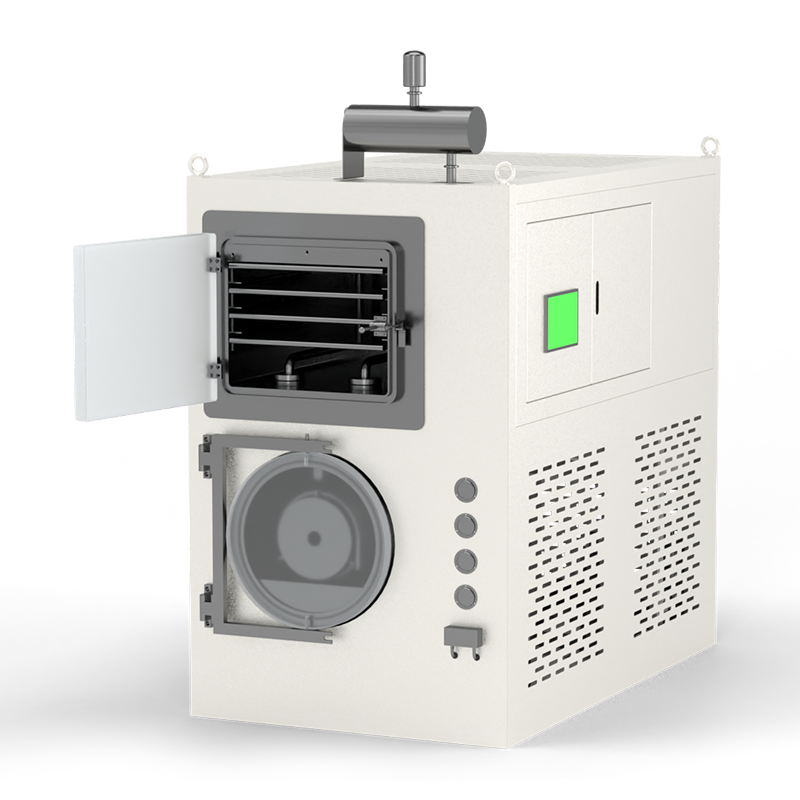
If you are still developing freeze drying cycles, the BLK-FD-0.1 experimental freeze dryer is a practical platform for generating the initial sensor data that will define your calibration acceptance limits. Its compact chamber and consistent shelf spacing make it well suited to establishing a baseline before scaling up, since the readings it produces reflect a controlled, GMP-compliant environment rather than a makeshift setup. Use its readings to understand how your process tolerances map to instrument accuracy before you scale up.
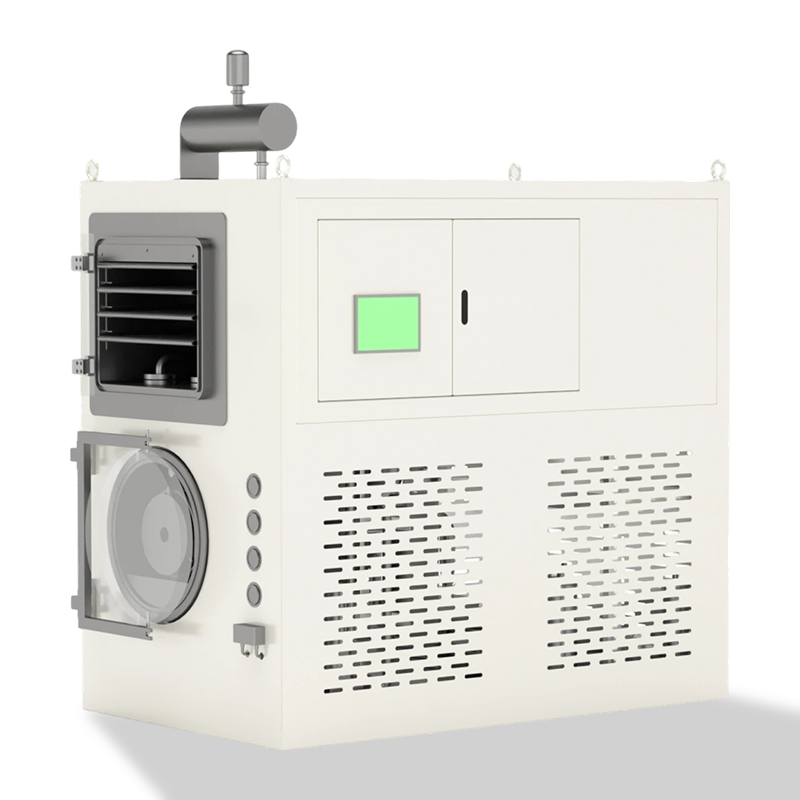 BLK-FD-0.1 Laboratory Freeze Dryer for R&D and Small SamplesThis compact pilot-scale freeze dryer offers GMP-compliant 316L stainless steel surfaces, FDA-approved seals, and an audit trail. It generates initial calibration data for developing acceptance limits for larger production systems.View Product →
Many freeze drying operations fall under food quality, pharmaceutical GMP, or laboratory accreditation requirements. ISO 9001:2015 clause 7.1.5 requires monitoring and measuring resources to be calibrated and traceable. ISO/IEC 17025 places even stricter demands on calibration laboratories. For food processors, HACCP plans often rely on temperature and vacuum data generated by the freeze dryer's own sensors, data that must be considered reliable from the moment the equipment is commissioned.
Calibration management software gives you the audit trail those standards expect, but the underlying equipment matters just as much. A freeze dryer built with stainless steel surfaces, sealed sensor ports, and documented material traceability gives auditors a more defensible starting point than equipment where sensor mounting and chamber construction are not well documented. The software shows who changed a calibration interval, when the change was made, and what evidence supported it. That visibility is difficult to achieve with paper logs or spreadsheets, where edits can be silent and dates can be overwritten.
Freeze drying puts unusual stress on sensors, and the chamber design of the freeze dryer itself plays a direct role in how much of that stress each sensor absorbs. Temperature sensors are cycled from deep cold to warm shelves repeatedly. Vacuum gauges are exposed to moisture, particulates, and cleaning agents. The result is a sensor population that needs more attention than the instrument in a standard metrology lab, particularly in chambers where shelf spacing or sensor mounting was not engineered with long-term stability in mind.
A good calibration management system will let you define shorter intervals for sensors that show drift, flag out-of-tolerance devices automatically, and route them for adjustment or replacement. It should also let you group sensors by freeze dryer, so you can see whether one chamber is producing more drift than another, which often points back to differences in build quality or shelf design between units.
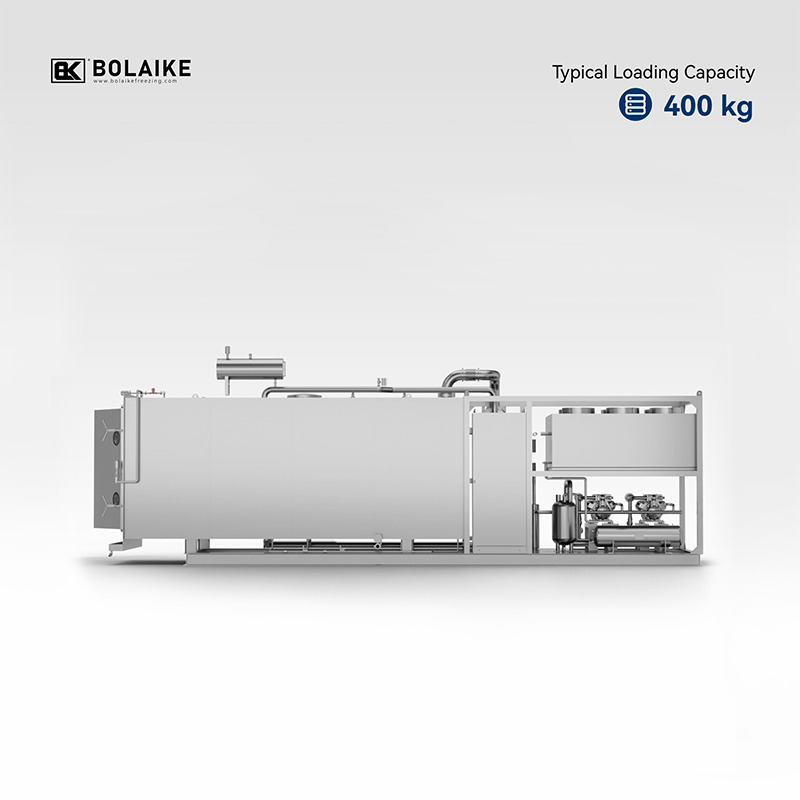
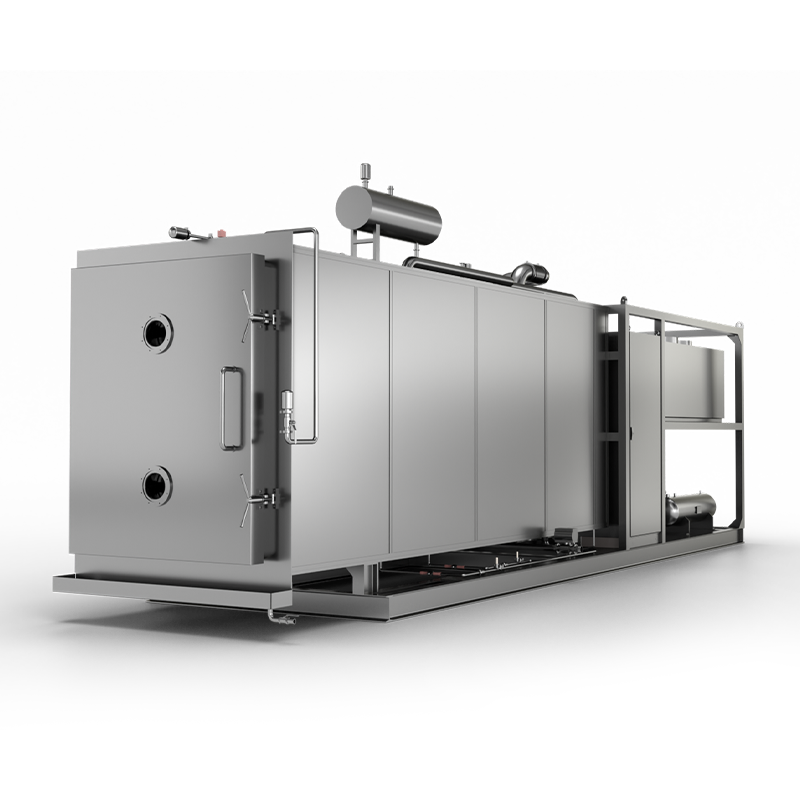
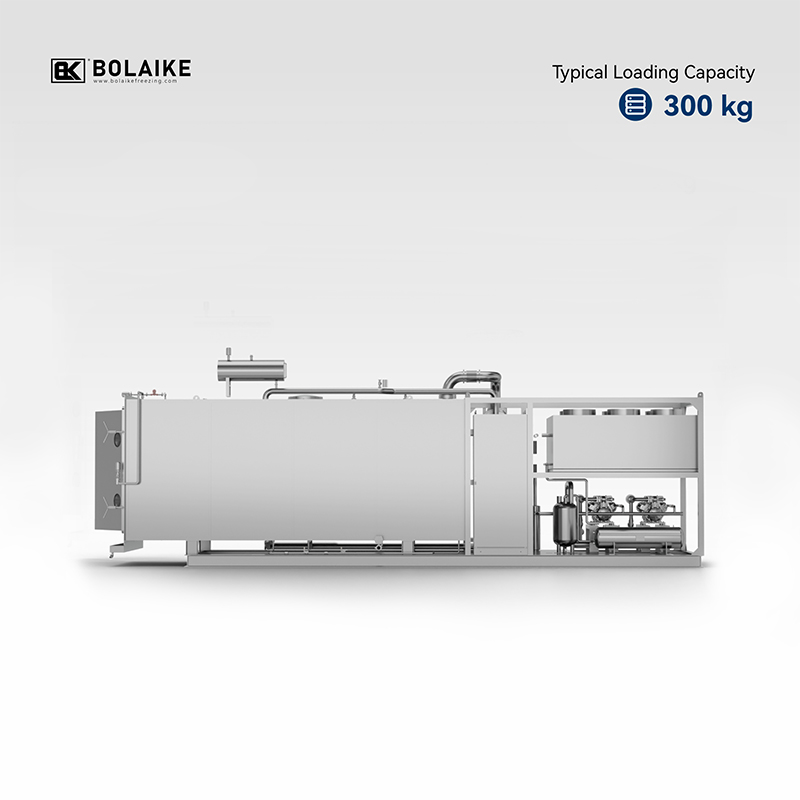
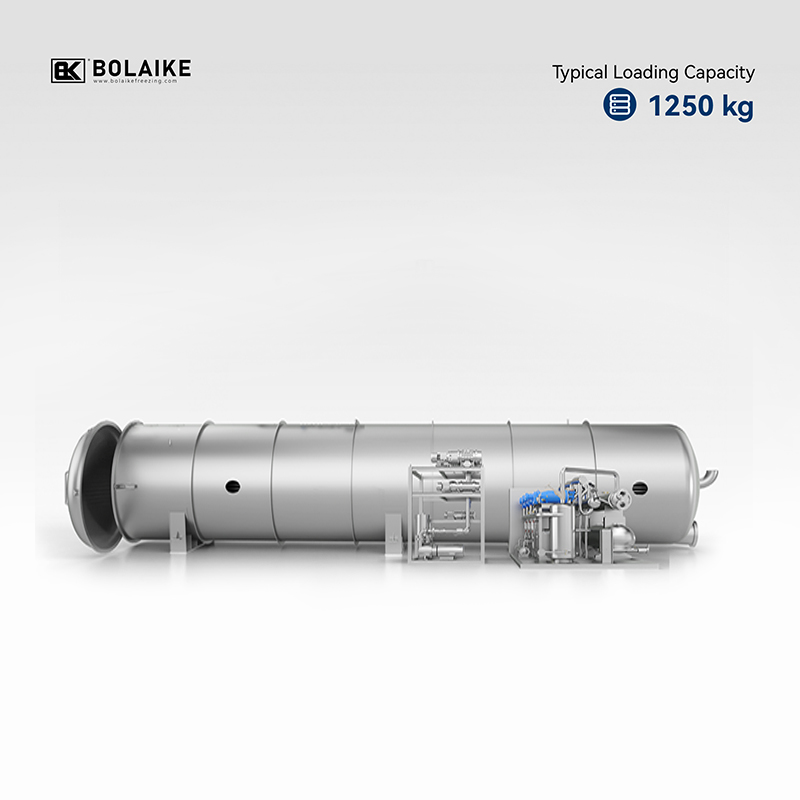
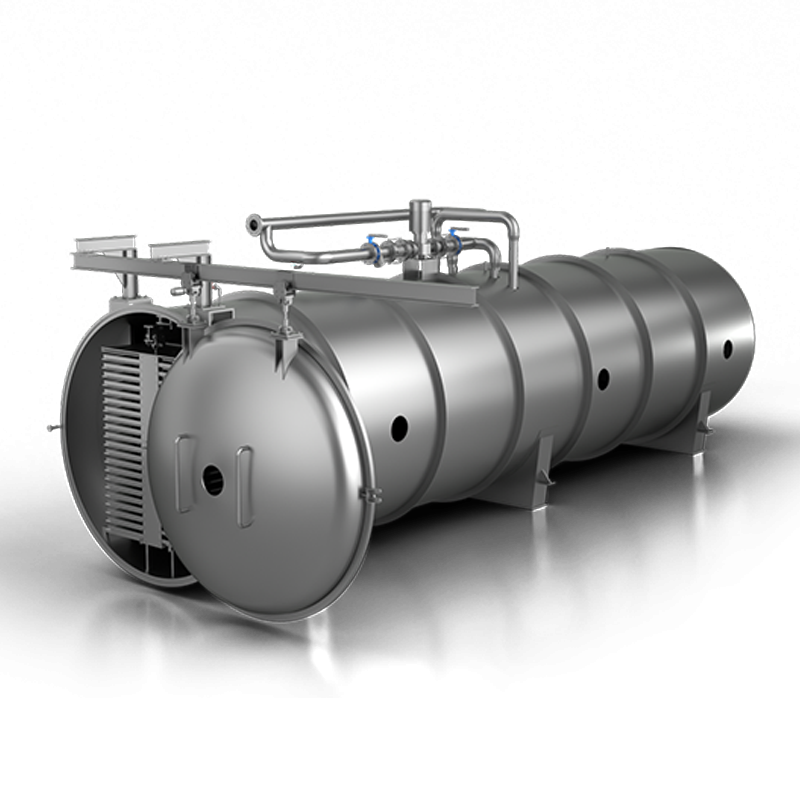
When you move from a single laboratory unit to a production-scale system, the number of sensors grows quickly, and so does the importance of a chamber designed to keep those sensors stable across parallel shelves. A cylindrical-chamber unit such as the BLK-FD-200, for example, covers a freeze-drying area of roughly 202.2 square meters and handles a standard loading capacity around 2,000 kilograms, with a liquid loading capacity near 4,000 liters and an ultimate vacuum level at or below 10 pascals. Its radiation plates are one-piece with no welded joints, and a dedicated heat transfer fluid circuit keeps inter-shelf temperature deviation within roughly ±1°C, which narrows the spread of readings that calibration software needs to reconcile across dozens of shelf sensors. The same calibration software that worked for one chamber needs to handle multiple chambers, multiple shift teams, and peak seasonal production without becoming the bottleneck.
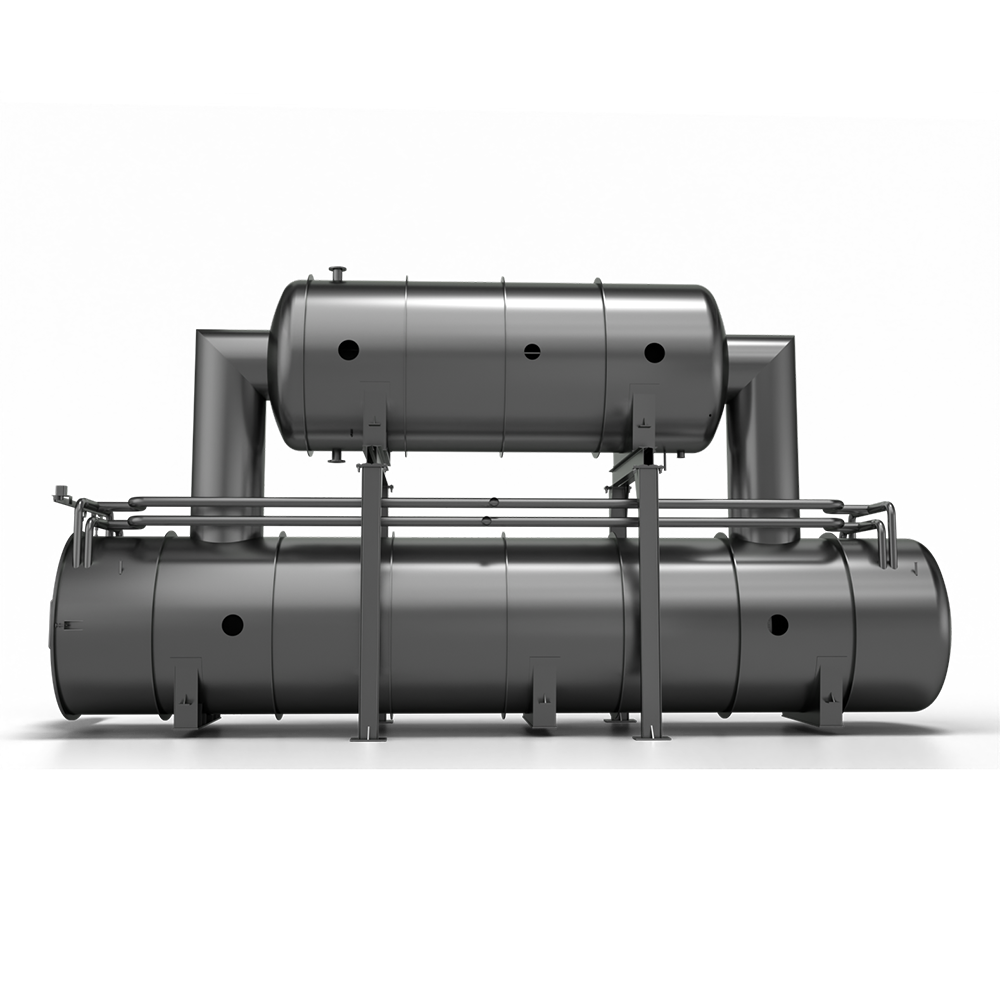 BLK-FD-200 Large-Scale Freeze Drying EquipmentThis cylindrical-chamber model covers about 202.2 m² of freeze-drying area with a 2,000 kg standard loading capacity and ≤10 Pa ultimate vacuum. One-piece radiation plates and a dedicated heat transfer circuit keep shelf temperature deviation within ±1°C.View Product →
Implementing calibration management software does not need to be a year-long project, and pairing it with the right pilot-scale freeze dryer can shorten the learning curve considerably. A practical approach is to start small and expand once the system is working.
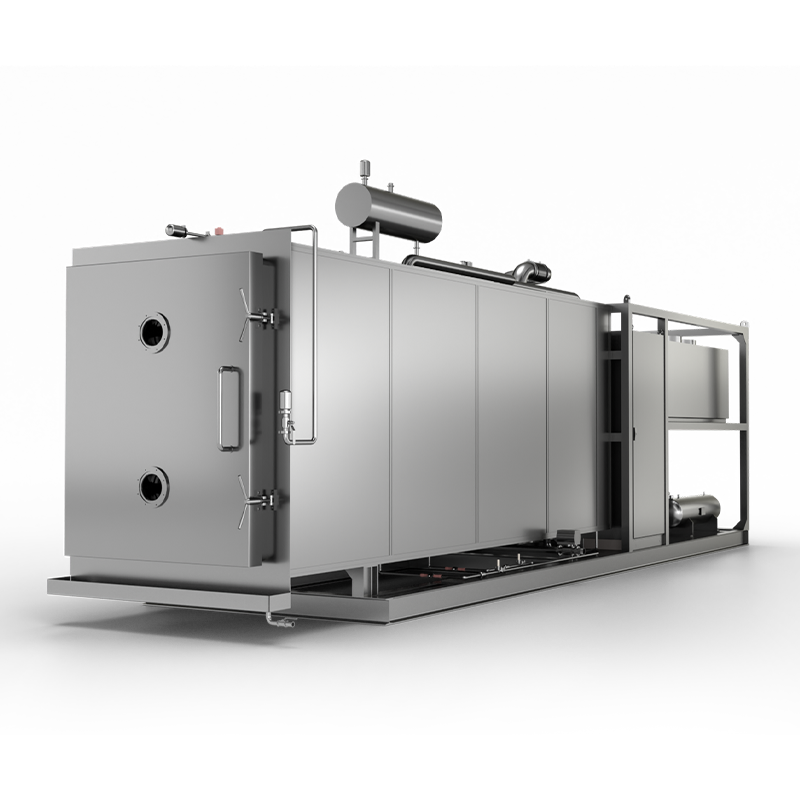
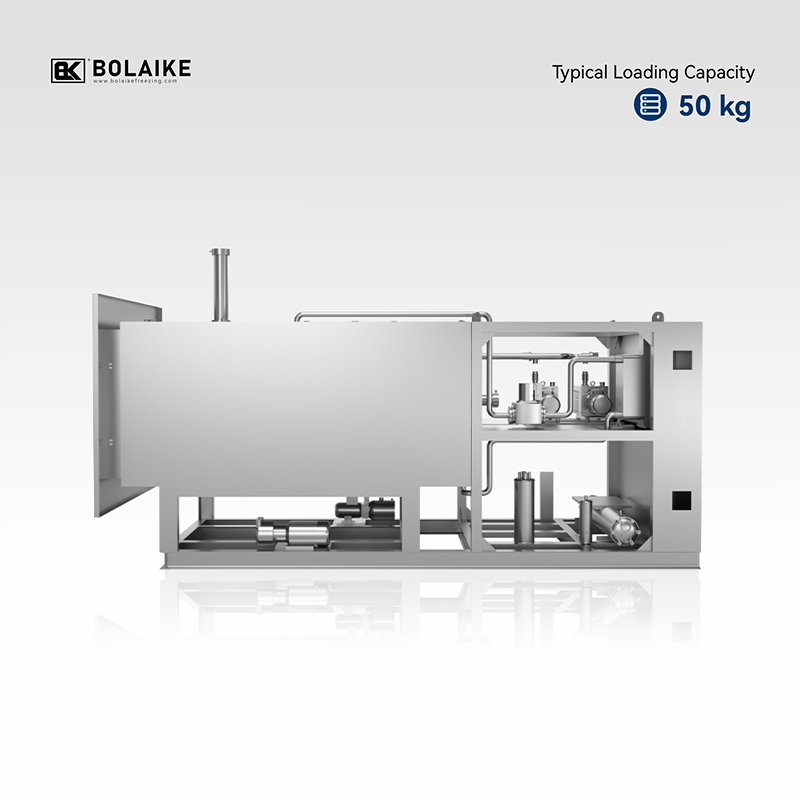
A medium-sized freeze dryer such as the BLK-FD-10 is often a good pilot unit to start with. Its rectangular chamber and integrated pre-freezing design give it enough sensor points to test the software properly, without the complexity of a full production line. Once the pilot proves that the system is reliable, both the software and the equipment can be rolled out across the facility together, up through larger cylindrical-chamber units such as the BLK-FD-200 once volume requirements grow.
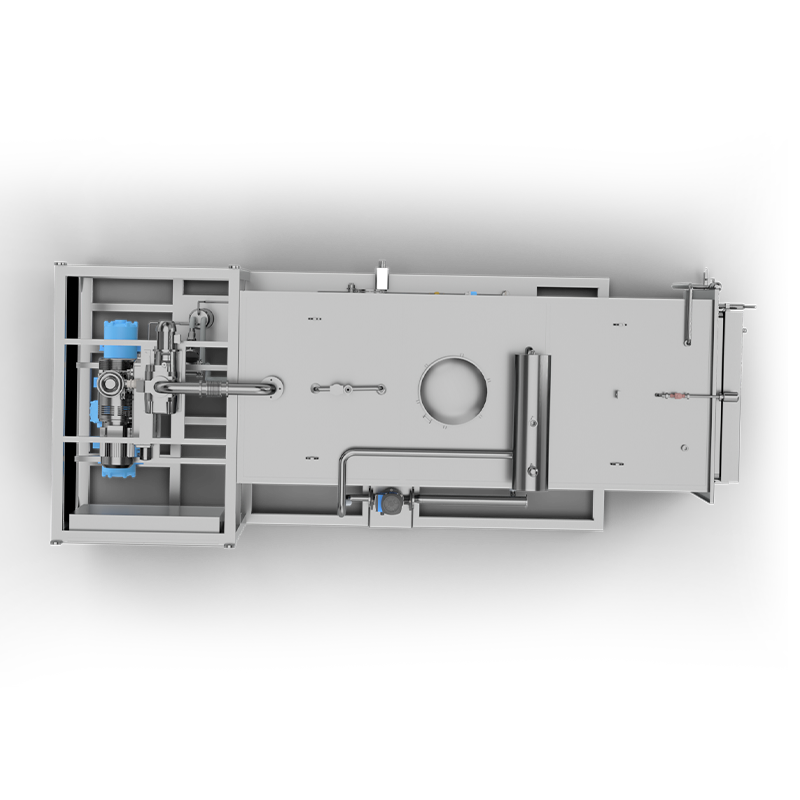 BLK-FD-10 Medium Freeze Dryer with Pre-freezing IntegrationThis pilot-scale unit suits testing calibration software across multiple sensor points before full rollout. Its rectangular chamber saves floor space, while residual cold recovery cuts energy consumption by 10–15%.View Product →
The right software should reflect how your freeze dryers actually operate. If your freeze dryer line runs around the clock, look for a system that sends reminders to multiple people and tracks overdue items on a live dashboard for each chamber. If your operation is still scaling up from a lab-scale unit to a production system, make sure the software can handle additional instruments and sites without a painful migration, and consider whether your current equipment's sensor layout will still meet your traceability needs at a larger scale, including on units with an optional patented intermediate isolation valve or parallel-operation configurations designed to shorten batch intervals.
Ask vendors how their system handles temperature and vacuum sensors, not just gages and torque tools. Check whether the reporting format matches what your auditor expects. And if you need help matching calibration software to the specific sensor configuration of your freeze drying equipment, contact our team. For local support and service, you can also find a dealer near your facility.
Start with a clear view of your instruments and the freeze dryer they belong to, then choose software that turns calibration data into a decision-making tool. That is what separates a quality system that works on paper from one that works on the production floor.
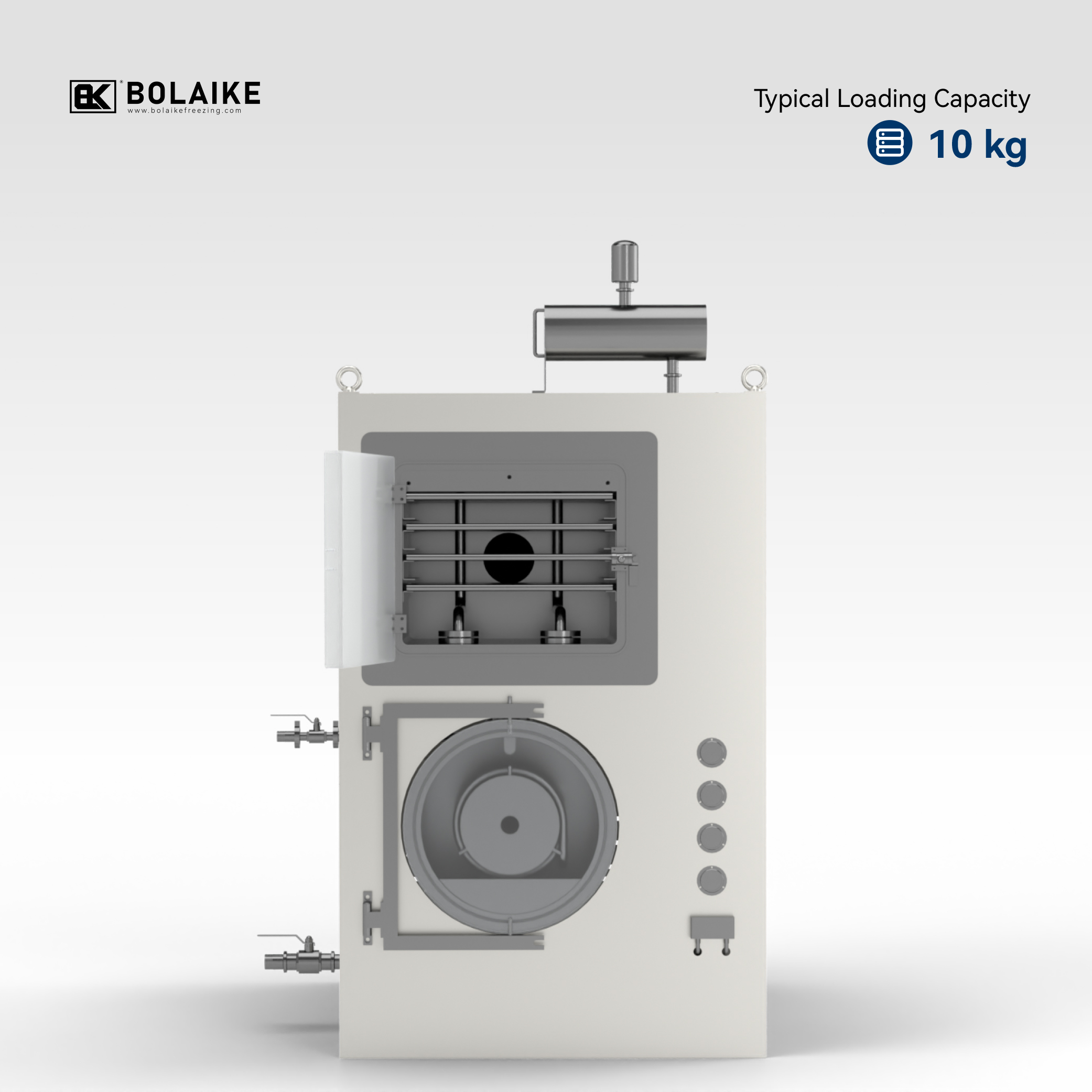
 2026/05/28
 2026/05/28
2026/05/28
2026/05/28
2026/05/28
2026/05/28


 Custom Industrial Lyophilizer Freeze Dryer Manufacturers





 English
 русский
 Español
 Français
 Deutsch
 عربى
عربى


