
/news/news-media/


News
Products & Solutions
CONTACT US

+86-18068757376

blk@jsblk.com

No. 29 North Tongjiang Road, Xinbei District, Changzhou City, Jiangsu Province, China
If you have ever opened a pouch of freeze-dried strawberries and found them crisp, brightly colored, and full of flavor, you have already seen the main reason people freeze dry food. The process removes water at low temperature, so the food keeps much of its original structure, aroma, and nutritional value. At Bolaike, we have spent years building vacuum freeze-drying equipment for food processors and coffee producers, and the question "why freeze dry food?" usually comes down to one practical goal: preserving quality while making a product easier to store, ship, and sell.
Freeze drying, also called lyophilization, works by freezing the product first and then lowering the pressure around it. In that low-pressure environment, the ice turns directly into vapor without passing through a liquid stage. This is called sublimation. Because water leaves as vapor rather than being boiled away, the food's cell walls and porous structure are less damaged than in conventional hot-air drying.
The process usually moves through three stages:
That structure matters. A freeze-dried blueberry or coffee granule can absorb water again quickly, returning closer to its original texture than a heat-dried product that may become hard, shriveled, or dull in color.
| Method | How water is removed | Typical shelf life | Texture after rehydration | Best fit |
|---|---|---|---|---|
| Freeze drying | Sublimation from ice under vacuum | Very long, often years | Close to original, crisp or porous | High-value fruits, coffee, ready meals, ingredients |
| Hot-air drying | Evaporation using heat | Months to a few years | More shriveled and dense | Simple dried snacks and bulk ingredients |
| Freezing | Water remains as ice | Months under proper storage | Soft after thawing, can drip | Meat, seafood, prepared foods |
| Canning | Heat processing and sealing | One to several years | Cooked texture, not crisp | Sauces, soups, low-acid vegetables |
The appeal is not only longer storage. Freeze drying protects the qualities that customers notice first: color, aroma, flavor, and shape. For food producers, those qualities often justify the higher equipment and energy costs.
For a food business, these benefits translate into less waste, broader distribution, and a premium product story. A freeze-dried fruit piece can travel without refrigeration and still look like fruit when it reaches the customer.
Some foods respond to freeze drying more dramatically than others. Fruits are a classic example: strawberries, mangoes, bananas, apples, and berries keep their color and become crisp without added sugar. Vegetables work well in soups, instant noodles, and seasoning blends. Coffee is another strong fit, especially for instant coffee, where freeze drying protects aroma and produces a clean dissolve.
Meat, seafood, dairy, and complete meals can also be freeze-dried, but the result depends on fat content, cut size, pretreatment, and packaging. High-fat foods may need extra care because oxygen can slowly affect flavor. In general, freeze drying is most attractive when the raw material has high value, when refrigeration is difficult, or when the final product needs to rehydrate quickly and taste close to fresh.
Freeze drying is not the cheapest drying method per kilogram of water removed. It requires refrigeration, vacuum, careful cycle control, and significant processing time. A batch may run for many hours or even days, depending on the product and load. That is why the technology is rarely chosen for low-value, high-volume commodities where simple hot-air drying is enough.
The economics change when you look at the finished product. If freeze drying prevents waste, allows unrefrigerated shipping, creates a premium snack, or turns an inconsistent raw material into a stable ingredient, the higher upfront cost can be recovered. The key is to match the equipment and cycle to the value of the product, not to use freeze drying simply because it sounds advanced.
Once you know why freeze drying makes sense for your product, the next question is scale. A pilot unit and an industrial line solve very different problems.
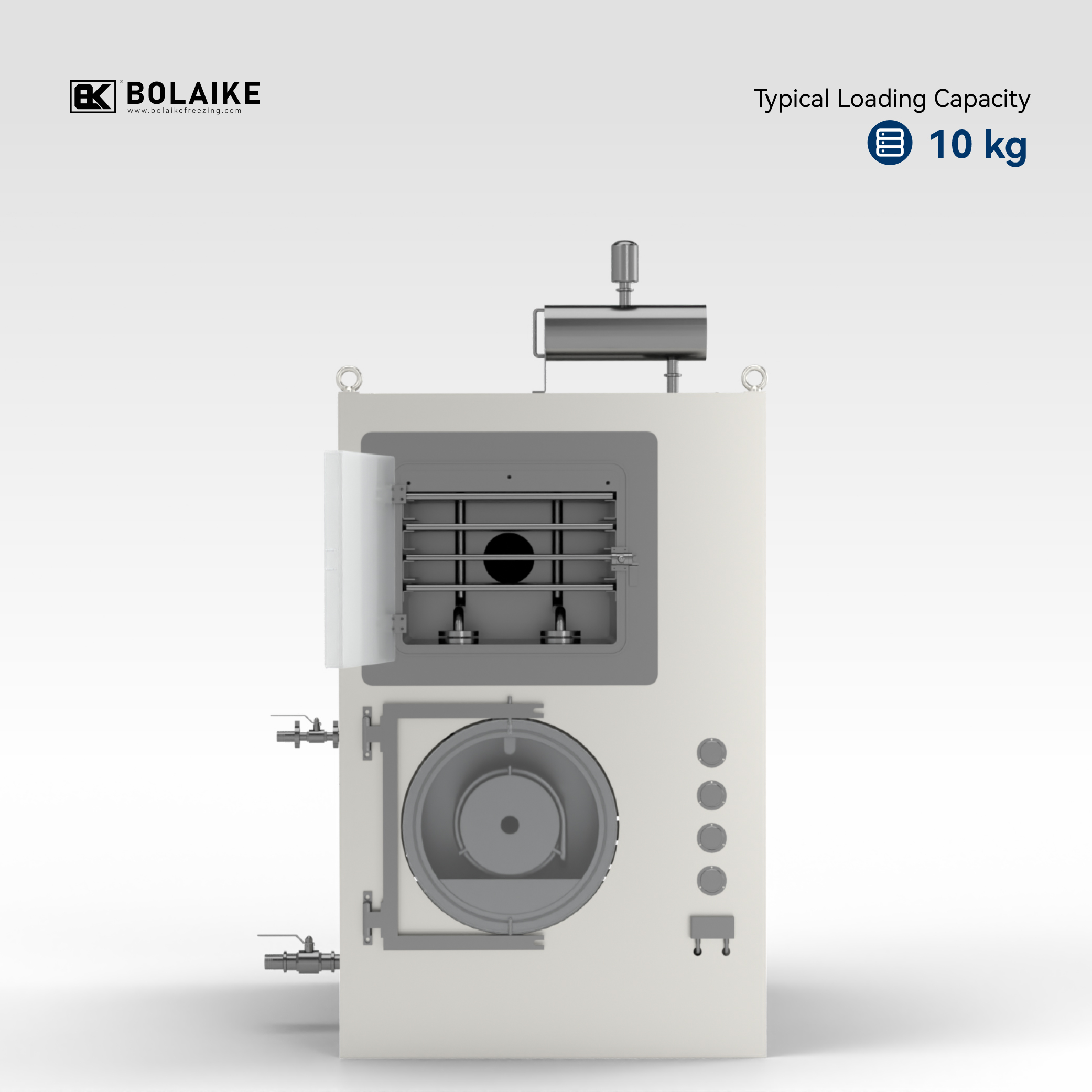
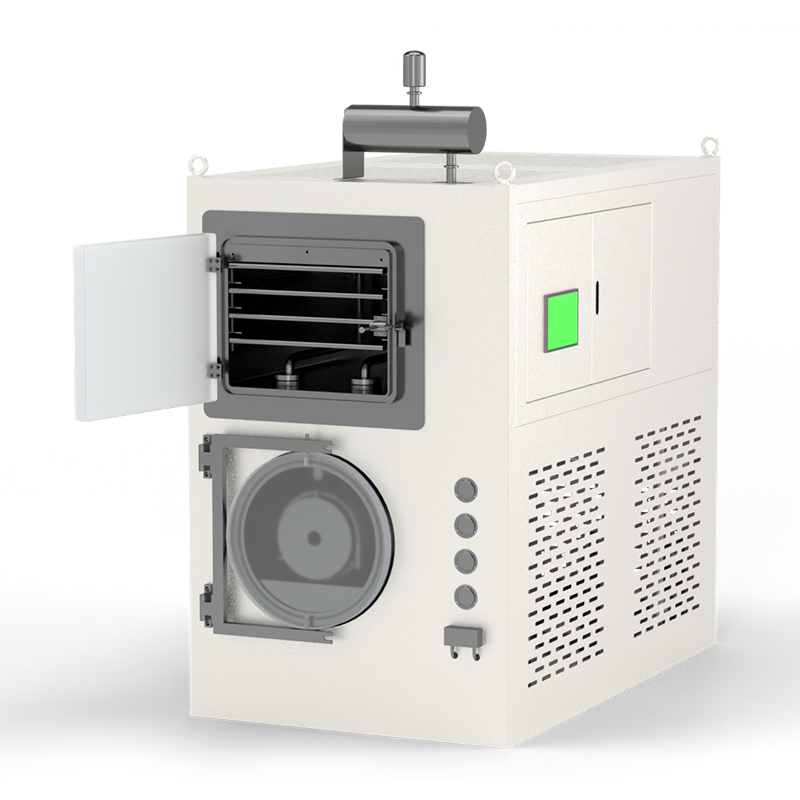
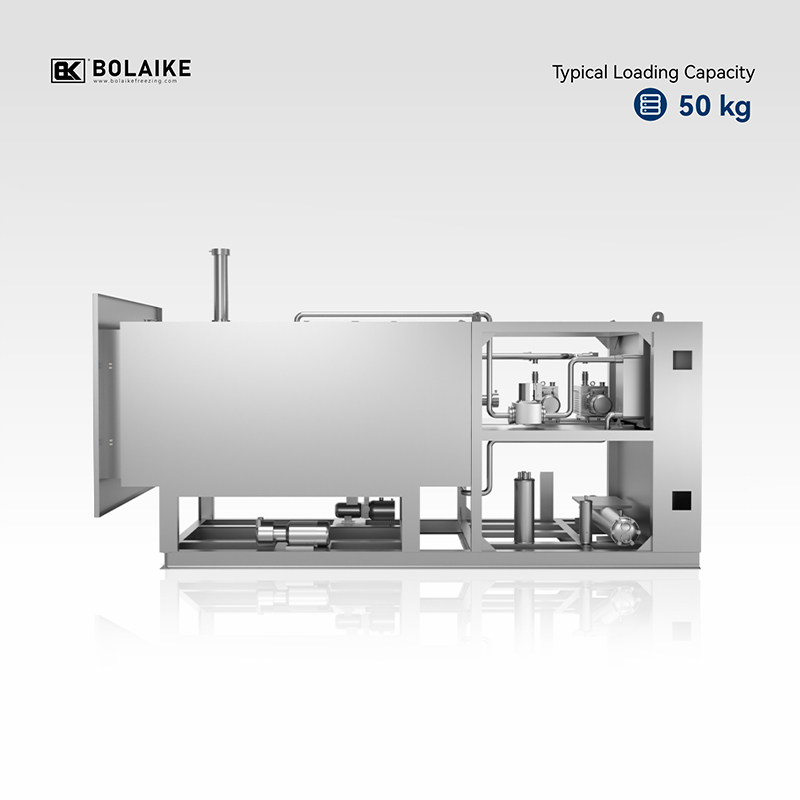
When a product shows promise, pilot equipment helps you confirm cycle times, tray loading, packaging needs, and realistic yields. Medium-sized freeze-drying equipment is often the bridge between early trials and a commercial batch.
 BLK-FD-20 Medium-Sized Freeze Dryer for Pilot ProductionA 20 m² freeze-drying unit with integrated pre-freezing and drying, designed to bridge pilot testing and industrial batch production.View Product →
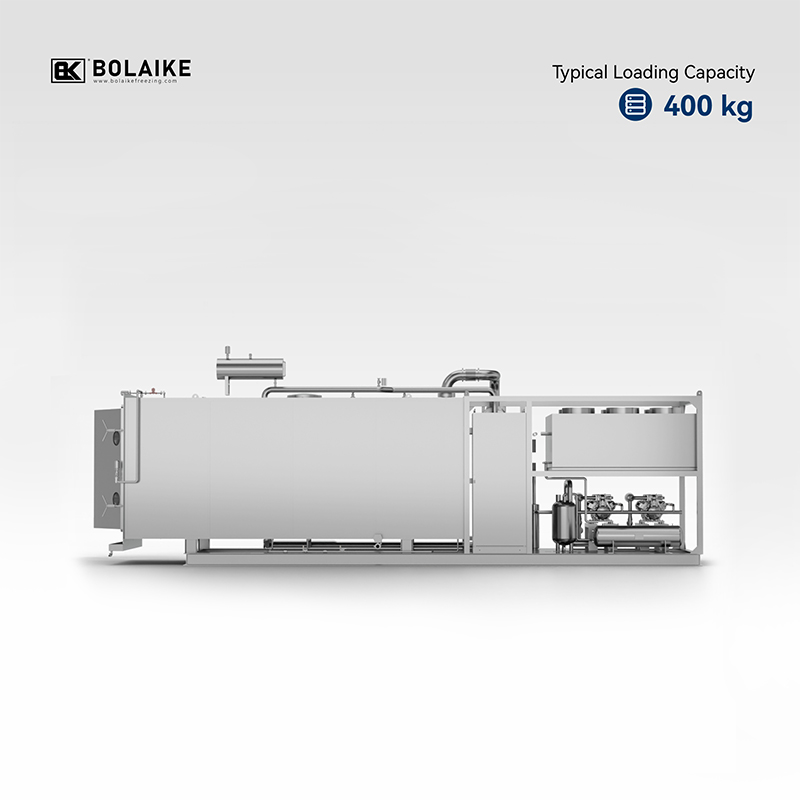
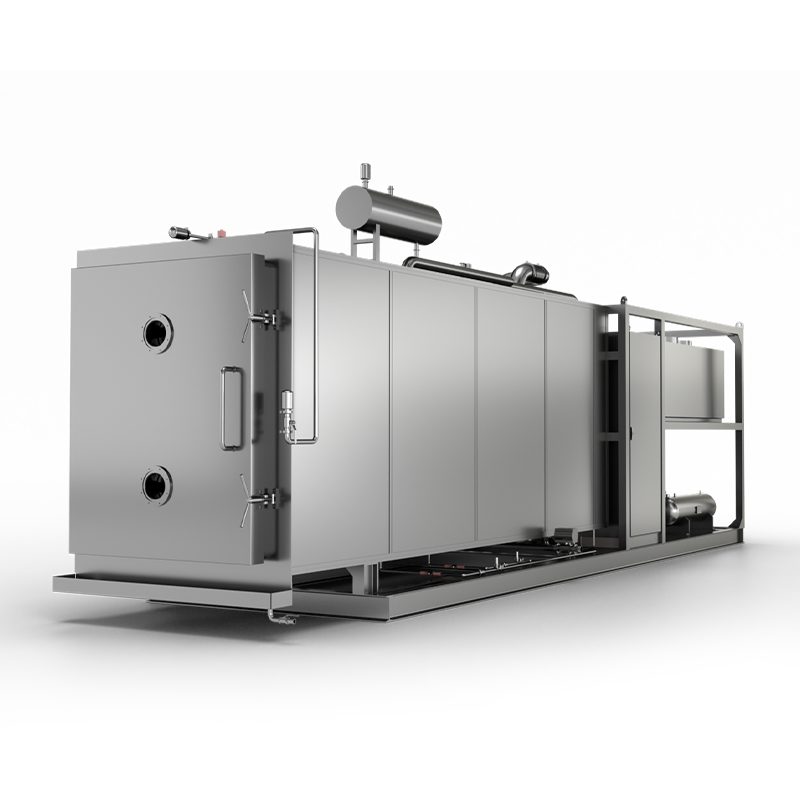
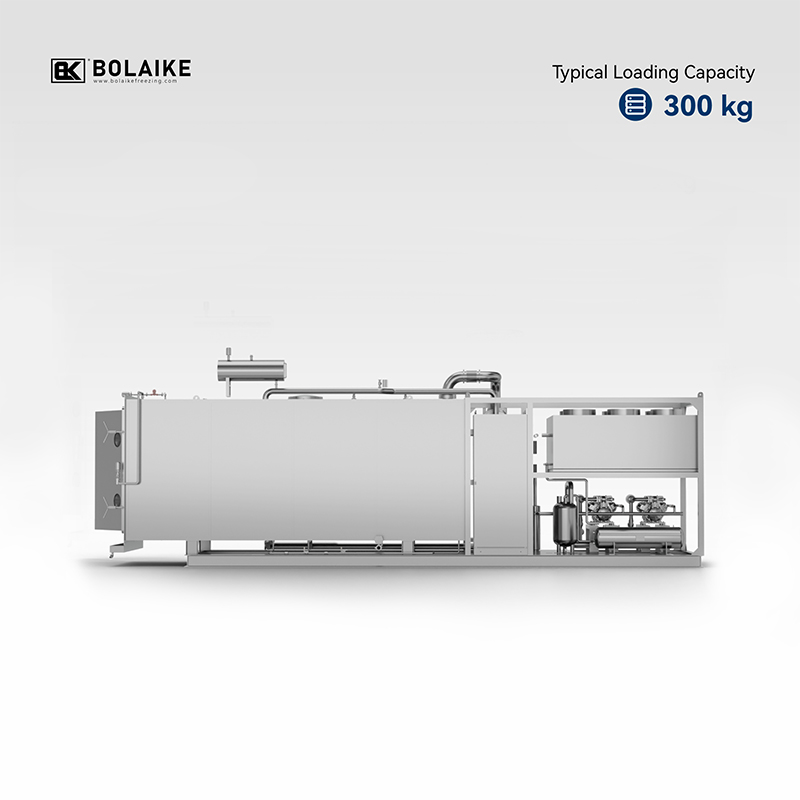
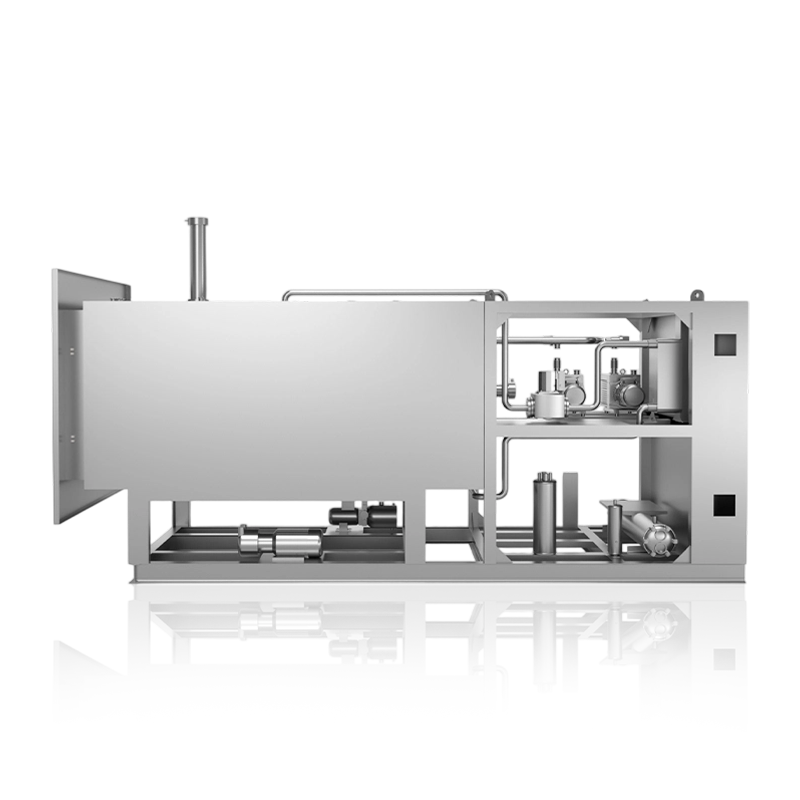
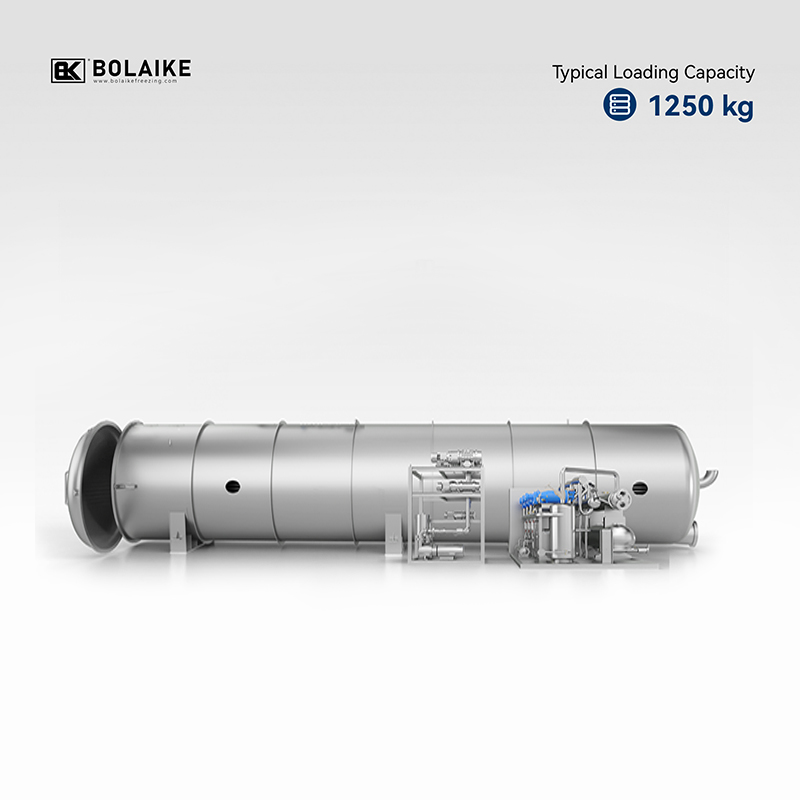
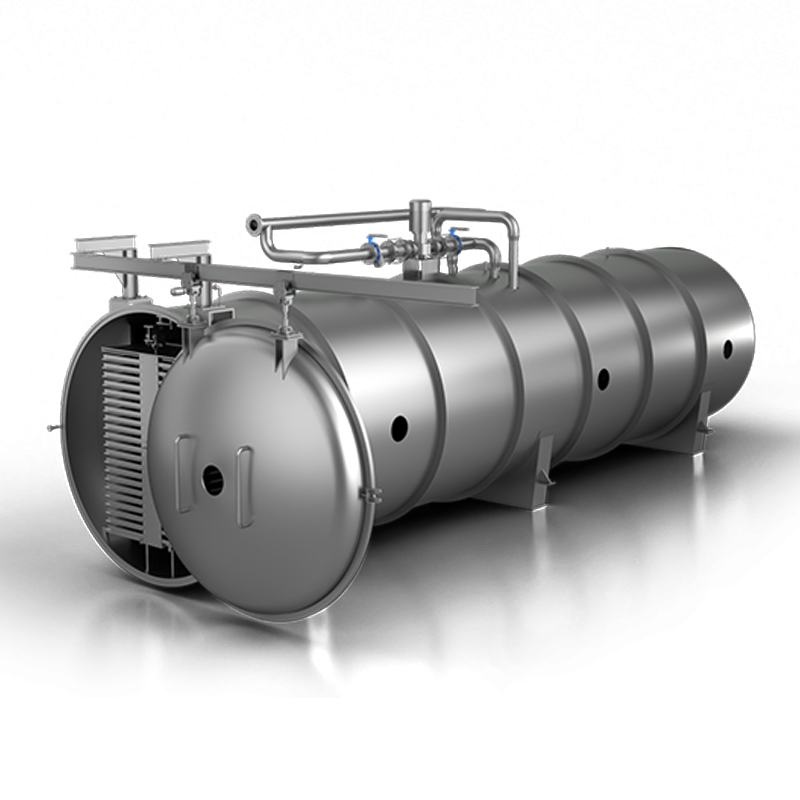
At industrial volumes, the decision shifts to tray area, condenser capacity, automation, energy use, and how the equipment fits into your existing process. For large batches, large-scale freeze-drying equipment is designed around stable throughput and repeatable quality. Instant coffee is a special case because aroma retention, particle formation, and continuous operation all matter, so a dedicated coffee line is often the better route.
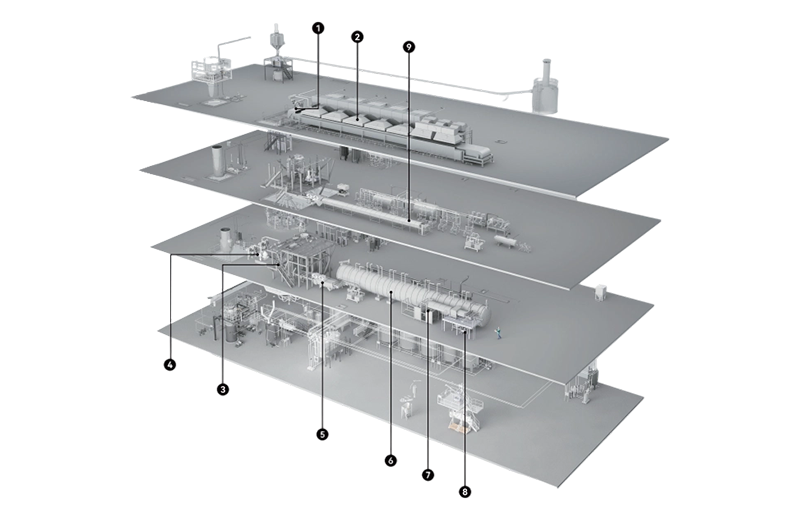 BOLAIKE Fully Automatic Instant Coffee Freeze-Drying Production LineA dedicated continuous freeze-drying line for instant coffee, combining low-temperature extraction with high-throughput production and aroma retention.View Product →
A practical evaluation usually follows a simple path:
That is where experience with real production equipment helps. If you are evaluating a new freeze-dried product, talk with our team about your material, target output, and processing goals. A short trial can answer more than a long spreadsheet.
People freeze dry food because it preserves quality in a way that few other methods can match. Water is removed gently, structure is protected, and the final product becomes lightweight, shelf-stable, and ready to rehydrate. It is not the right answer for every ingredient, but for high-value fruits, instant coffee, ready meals, and specialty ingredients, it can turn a perishable raw material into a product with far more reach. The most important step is matching the process and equipment to the food you want to preserve.
 2026/05/28
 2026/05/28
2026/05/28


 Custom Industrial Lyophilizer Freeze Dryer Manufacturers





 English
 русский
 Español
 Français
 Deutsch
 عربى


