
/news/news-media/


News
Products & Solutions
CONTACT US

+86-18068757376

blk@jsblk.com

No. 29 North Tongjiang Road, Xinbei District, Changzhou City, Jiangsu Province, China
If you have ever opened a pouch of freeze dried sweet corn and found it light, crisp, and still tasting like sweet corn, you already understand why this process has become so popular. Freeze dried vegetables turn up everywhere now: instant noodle cups, backpacking meals, snack mixes, baby food, soups, and pet food. They are light to ship, stable on the shelf, and they come back to life quickly once water is added.
We build freeze drying equipment and we have been in the refrigeration business since 2003, so the notes below come from the production floor rather than a sales brochure. We will walk through what the process actually does to a vegetable, which crops handle it best, how to prepare them, and how to think sensibly about machine size.
Freeze drying, also called lyophilisation, runs in three overlapping stages. The vegetable is frozen solid first. Then the chamber is pulled down to a vacuum. Finally, gentle warming is applied so that the ice inside the food turns straight into vapour without ever melting. When the cycle ends, somewhere between 95 and 98 percent of the original water is gone.
That missing liquid phase is the whole point. In air drying or dehydrating, water leaves as a liquid and surface tension drags the cell walls inward as it goes, which is why dried carrot slices curl and dried apple turns leathery. In freeze drying, the ice leaves as a gas from inside the cell, so the structure stays open, each piece keeps its original shape, and much of the colour and aroma stays locked in.
Most problems we see on a new production line trace back to freezing, not drying. If the centre of a tray is not fully frozen before the vacuum is applied, the cycle runs long and unevenly. Faster freezing gives smaller ice crystals and a finer, more brittle texture; slower freezing gives larger crystals and a chunkier bite. Dense roots such as carrot, beetroot, and pumpkin usually benefit from a slower, more even freeze, while leafy greens and sweet corn prefer a quick one.
Each method suits a different job, and the right answer depends on what you are selling and how far it has to travel. The table below is the short version we usually sketch out with customers during a first conversation.
| Factor | Freeze dried | Air dried | Frozen |
|---|---|---|---|
| Water removed | 95-98% | 80-90% | None |
| Shape and structure | Keeps original form | Shrinks and curls | Keeps form until thawed |
| Rehydration time | Seconds to a few minutes | Often 20 minutes or more | Not applicable |
| Storage requirement | Room temperature | Room temperature | Frozen chain |
| Shipping weight | Lowest | Low | Highest |
| Typical use | Instant meals, snacks, ingredients | Soups, seasoning blends | Retail and food service |
Almost anything with a reasonable water content and a firm structure will work, though a few crops are clearly easier than others. Our customers in the fruit and vegetable sector tend to come back to the same short list:
This is where most projects either go smoothly or become frustrating. The honest answer is that the right machine depends less on the total kilograms you want per year and more on your batch size, your product mix, and whether you are running pilot batches or shipping a container.
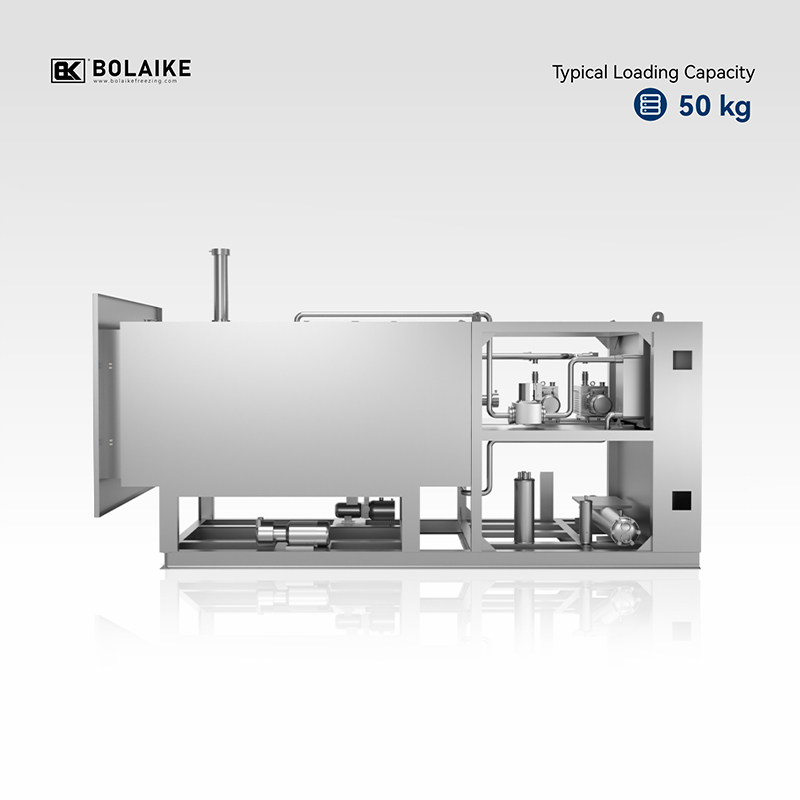
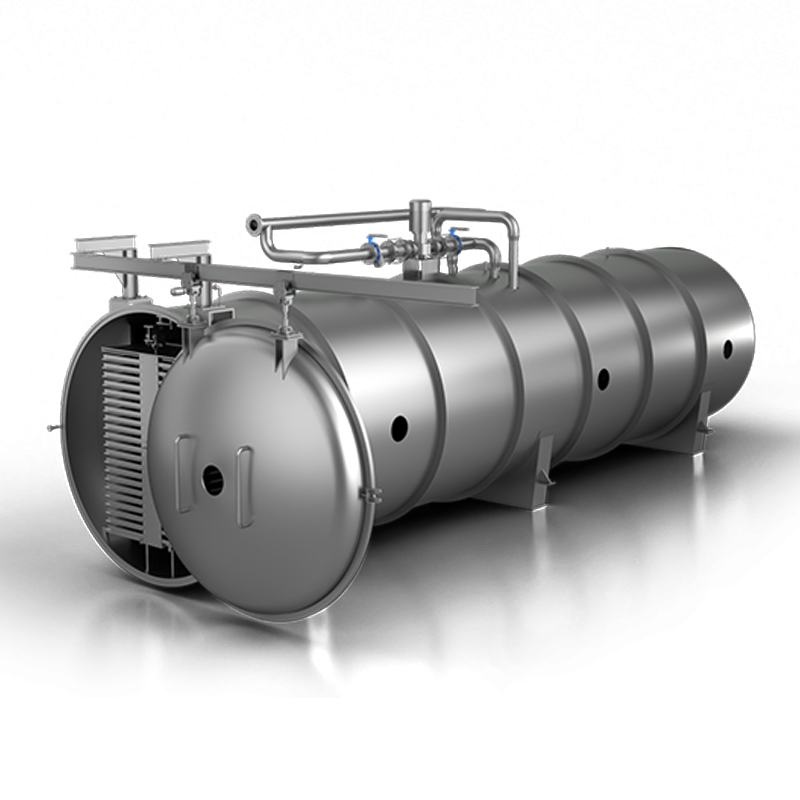
A mid-size machine can carry a commercial order without the capital and floor space of a full industrial line. This is the range where most of our dried fruit and vegetable customers sit, running several crops on rotation through the same chamber.
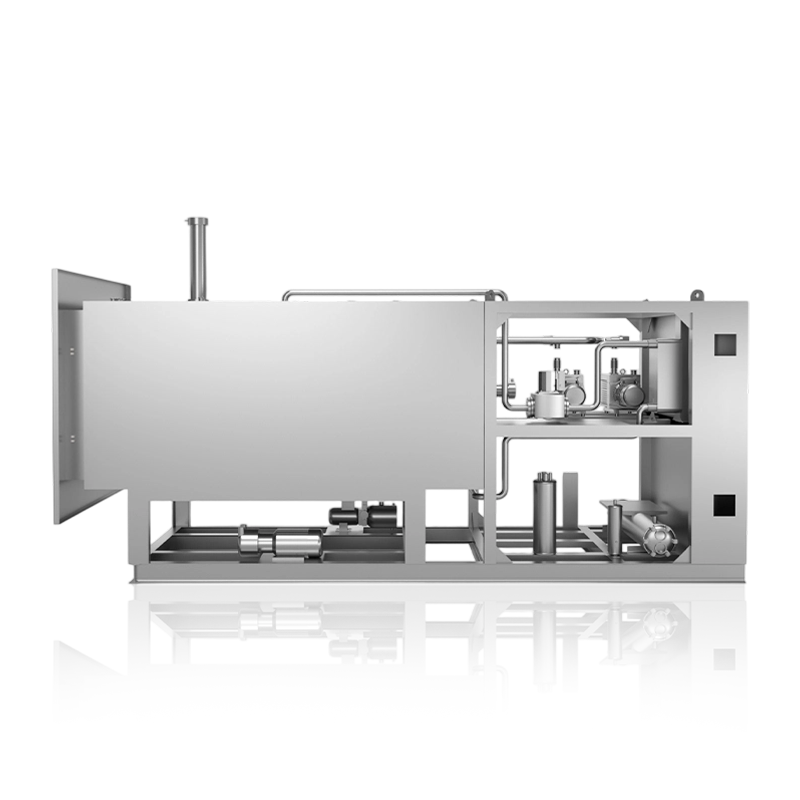
 BLK-FD-20 Medium-Sized Freeze Dryer for Commercial BatchesA 20 m² mid-size freeze dryer with 200 kg loading and integrated pre-freezing and drying for commercial material processing.View Product →
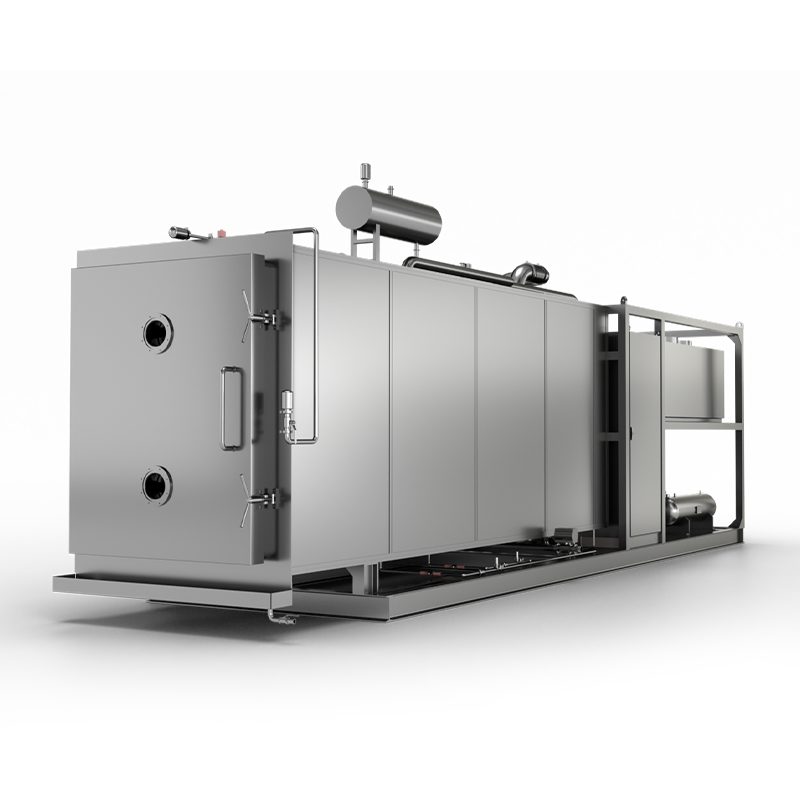
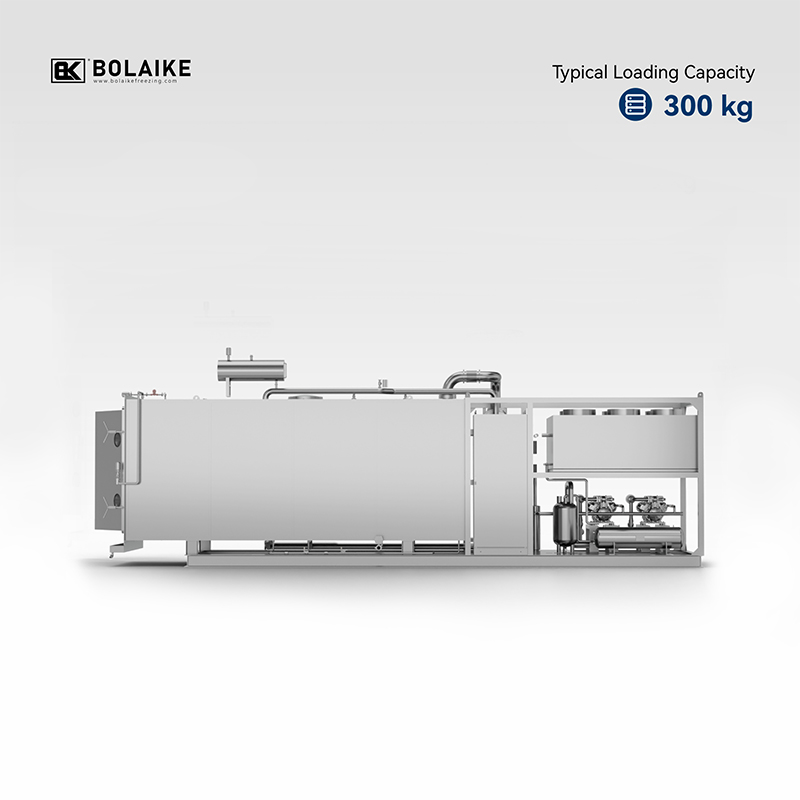
At industrial scale, tray area, condenser capacity, and loading logistics matter as much as the dryer itself. If you are planning a larger plant, our complete technical guide to large-scale freeze drying equipment covers layout and sizing in more detail.
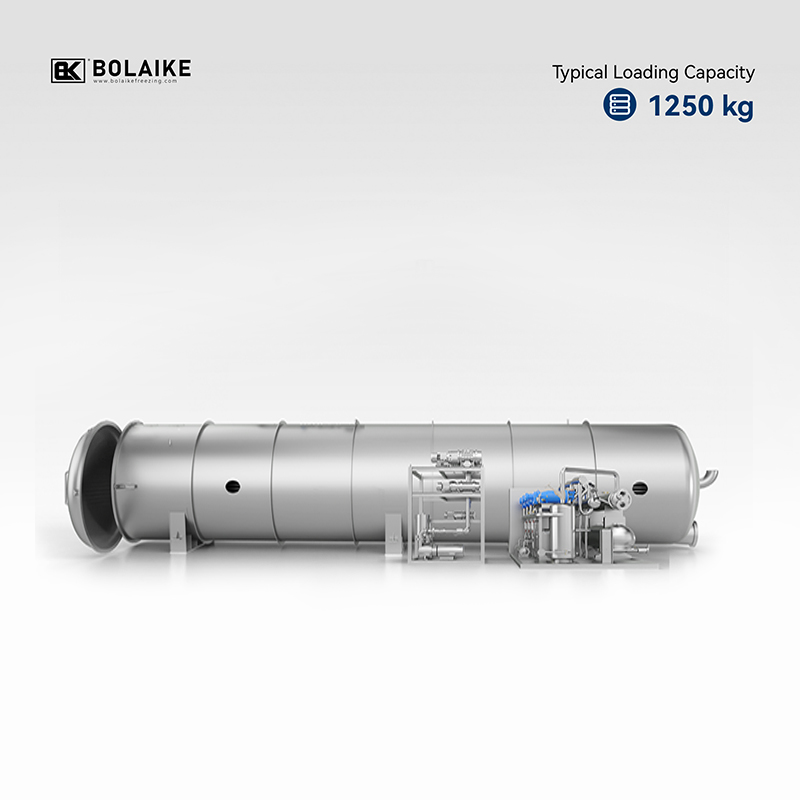
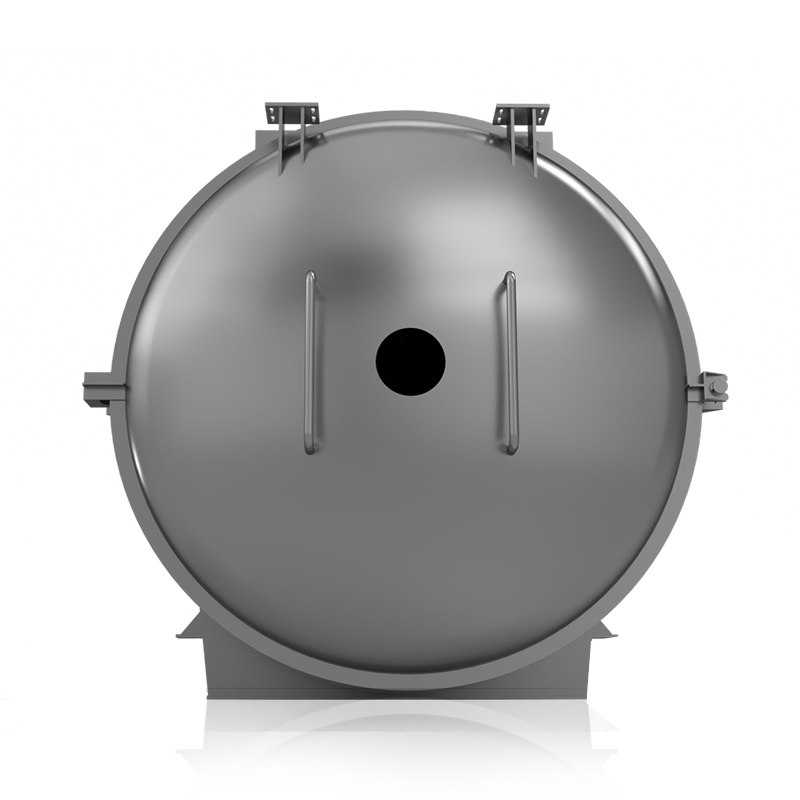 BLK-FD-100 Large-Scale Industrial Freeze DryerA 101.1 m² industrial freeze dryer with 1,000 kg capacity for high-volume food and agricultural product processing.View Product →
Before a batch is packed, a handful of checks tell you whether the cycle behaved. Residual moisture comes first: most freeze dried vegetables are targeted between 2 and 5 percent, with water activity usually kept below 0.3. From there, look at breakage, colour, aroma, and how quickly a sample rehydrates in warm water.
Packaging decides shelf life just as much as the drying stage does, so it deserves the same care:
No. Onion, garlic, and many peppers usually go straight into the chamber. Leafy greens, beans, and corn benefit from a short blanch because their enzymes are more active.
Nine times out of ten it is either incomplete blanching, a slow freeze that let ice crystals grow, or a cycle that ran too warm near the end. All three are fixable once you can read the batch data.
Yes, and plenty of people do. They are crisp rather than hard, which is why they work so well in snack mixes as well as in soups and noodle cups.
Freeze dried vegetables are a simple product with a surprising number of small decisions behind them, and the decisions you make about freezing, blanching, and packaging matter as much as the machine on the floor. If you are at the start of a project, whether you are testing a single crop or planning a full production line, we are glad to talk through batch size, product mix, and realistic cycle times before anything is ordered. You can get in touch with our engineers whenever you are ready, and we will tell you honestly what your product needs.
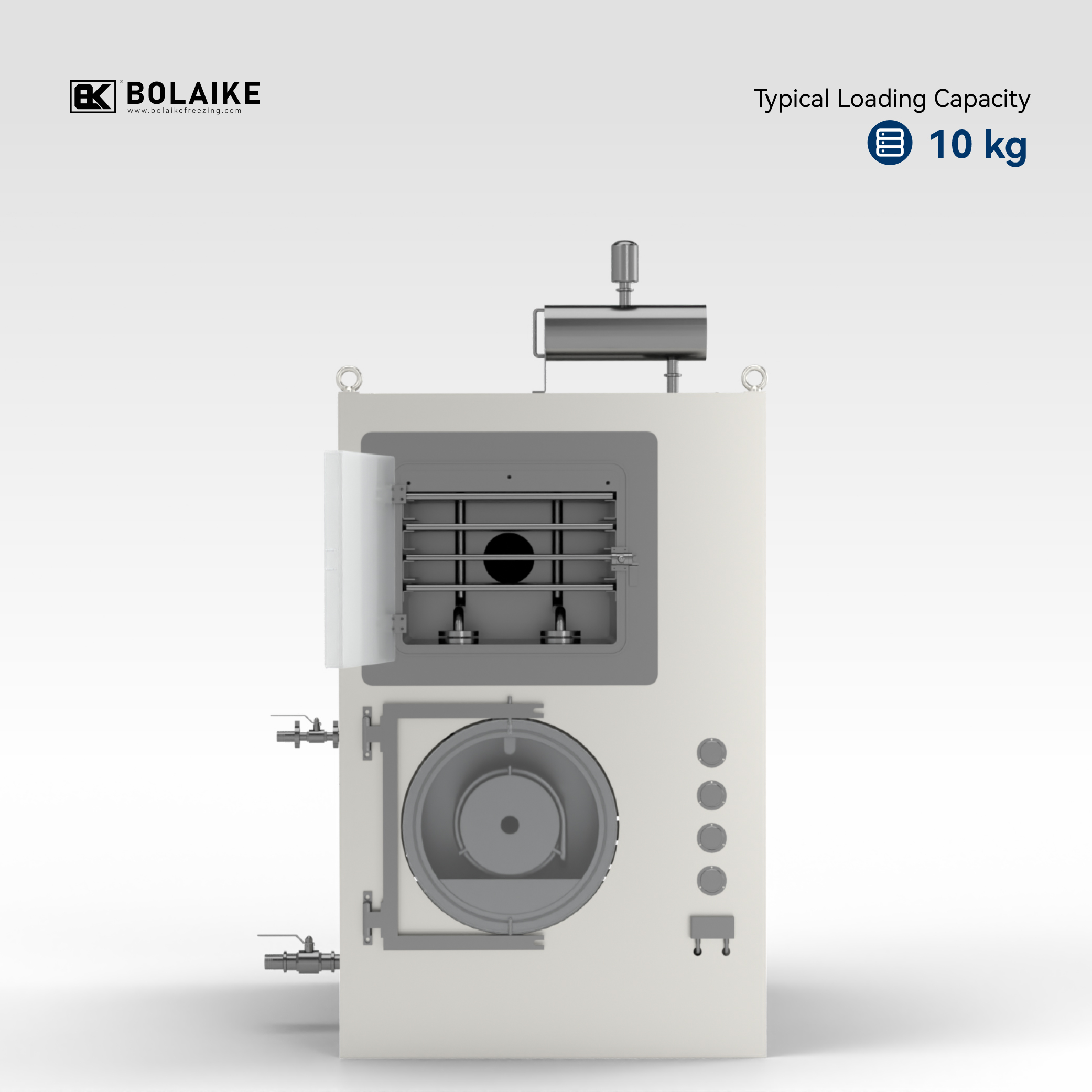
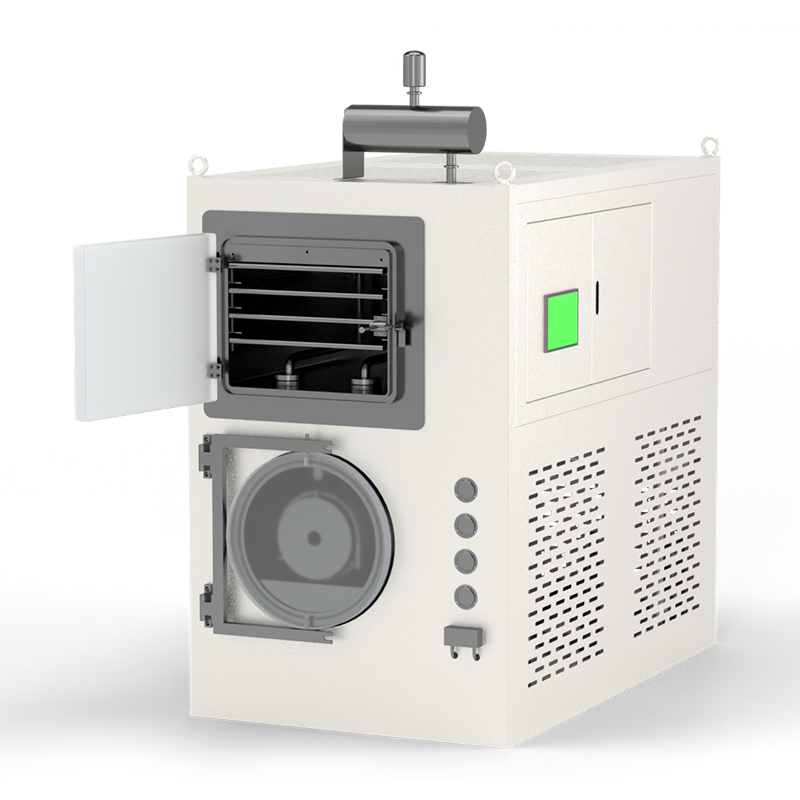
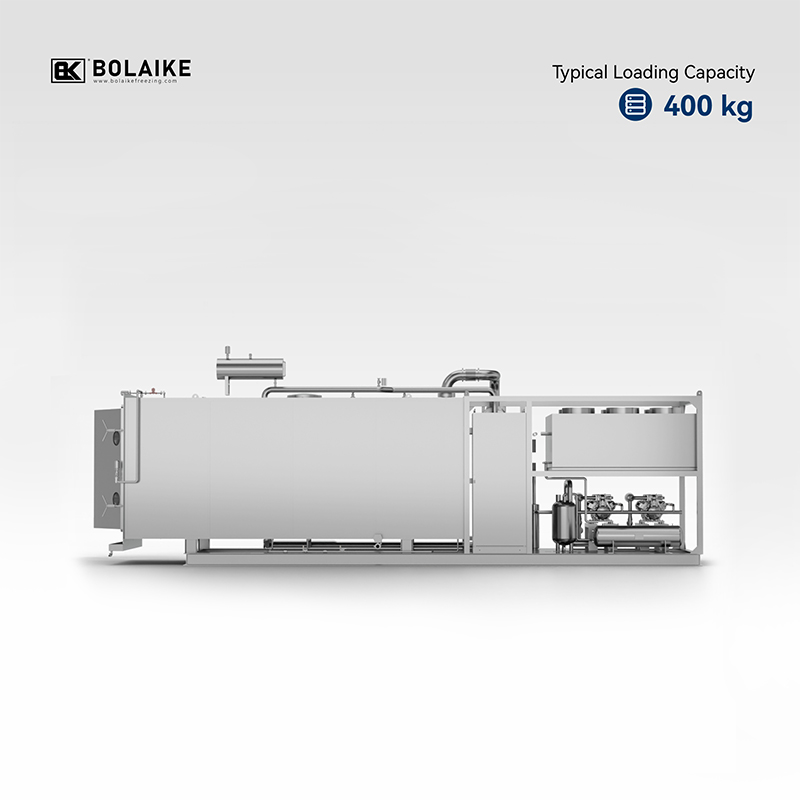
 2026/05/28
 2026/05/28
2026/05/28


 Custom Industrial Lyophilizer Freeze Dryer Manufacturers





 English
 русский
 Español
 Français
 Deutsch
 عربى


